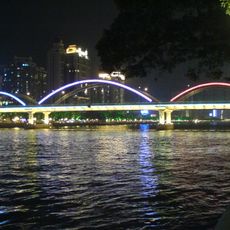
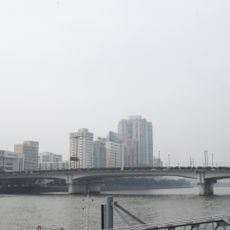
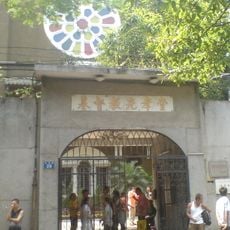
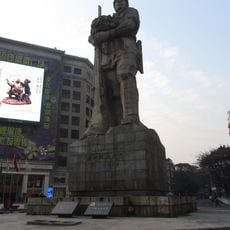
Shamian, Island in Liwan District, Guangzhou, China
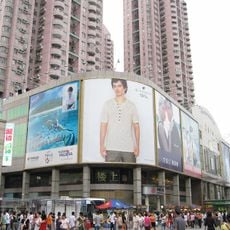
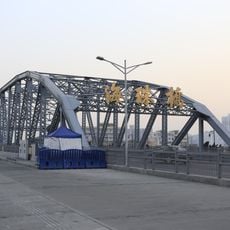
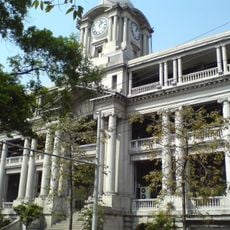
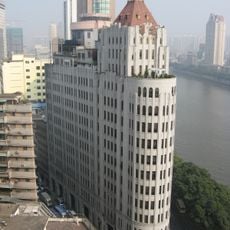
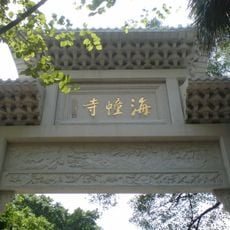
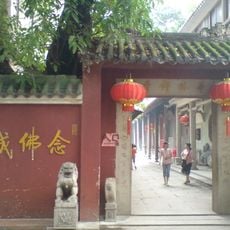
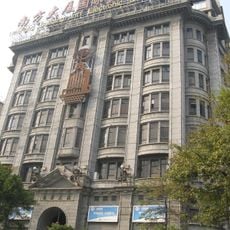
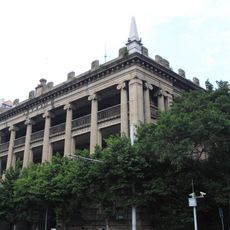
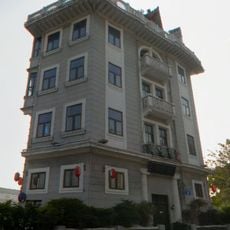
Shamian is a small sandbar island in Guangzhou laid out with east-west avenues and north-south streets forming twelve distinct sections. The area displays mostly European buildings built in classical styles during the period when foreign traders and residents occupied the space.
In 1859 Britain and France leased Shamian from the Qing government and dug the Shajichong canal, turning the sandbank into an island. The 1861 treaty split it into a British concession of four-fifths and a French concession of one-fifth. Britain returned its share in 1943 and France in 1946.
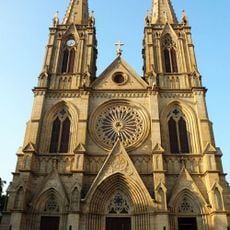
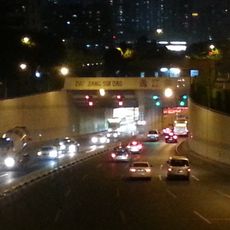
The island's name means "sandy surface" in Chinese, and its Cantonese form gave the English spelling Shameen. Streets renamed by the Wang Jingwei regime in 1942 and again during the Cultural Revolution still carry those later names, such as Shamian Main Street. Two churches remain: the Protestant Christ Church Shameen, built in 1865, and the Catholic Our Lady of Lourdes Chapel, completed in 1892 at the French end.
You can reach the island easily by metro with several lines serving nearby stations, or by bus from different parts of the city. It is best to walk during daytime and wear comfortable shoes, as most of the experience happens on the streets.
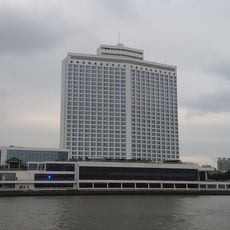
The US consulate, located at No. 56 Shamian Main Street North from 1873 to 1938, returned to the island in April 1990 in a tower at No. 1 Shamian South Street, next to the White Swan Hotel. Its presence made the island a hub for US families adopting children from China until the consulate moved to Zhujiang New Town in July 2013.
The community of curious travelers
AroundUs brings together thousands of curated places, local tips, and hidden gems, enriched daily by 93,035 contributors worldwide.