Huaisheng Mosque, Ancient mosque in Guangzhou, China
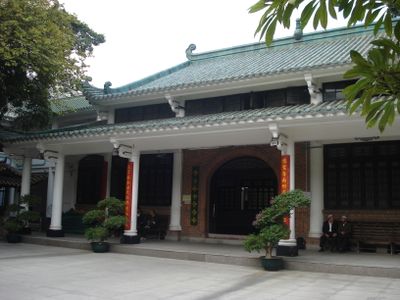
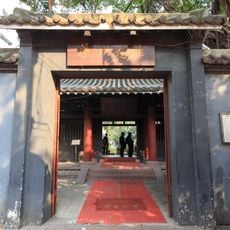
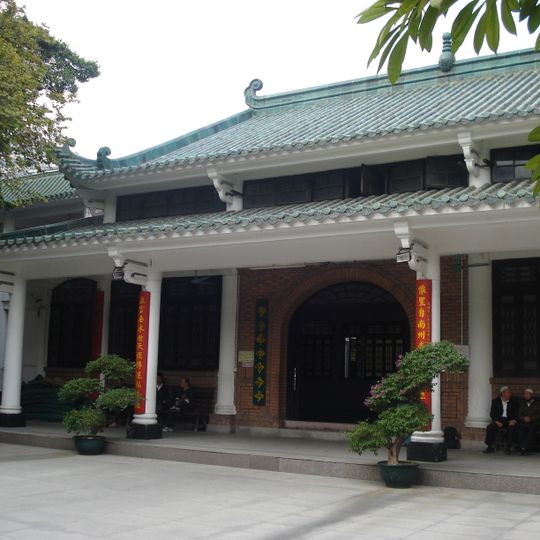
Huaisheng Mosque in Yuexiu District features a 36-meter gray brick minaret that resembles a traditional Chinese watchtower rather than a Middle Eastern spire. The prayer hall follows Islamic floor plans with a courtyard, while roofs use green-glazed tiles typical of Guangzhou architecture.
Old Chinese Muslim manuscripts attribute the mosque to Sa'd ibn Abi Waqqas in 627, though modern scholars place its foundation later, during the Tang or Song. It burned in 1343 and was rebuilt seven years later; the present layout dates from a 1695 reconstruction after a fire. The 36-metre Guangta minaret was built earlier and served as lighthouse, wind vane and control tower.
The name Huaisheng means "remembering the Prophet", chosen to honour Muhammad. The minaret is called Guangta, or "Light Tower": Cantonese speakers heard the Arabic call bongka from its top as the similar-sounding guang, and lanterns hung there guided boats on the Pearl River. The mosque is also known as the Lighthouse Mosque.
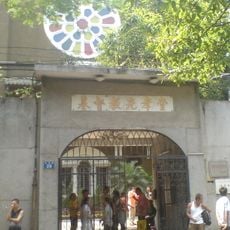
The mosque opens daily except Fridays from 9:00 AM to 5:00 PM, with non-Muslims permitted to enter the courtyard outside prayer times. The entrance sits on a narrow lane near Guangta Road, and visitors should cover shoulders and knees.
The minaret's name Guangta ("Plain Pagoda") also puns on "lighthouse" in Cantonese, since a lamp hung at its top guided boats on the Pearl River at night. Its summit once held a gilded metal rooster that turned with the wind as a weather vane; a typhoon blew it down in the early Ming dynasty, and the 1934 restoration replaced it with the pointed brick top seen today.
The community of curious travelers
AroundUs brings together thousands of curated places, local tips, and hidden gems, enriched daily by 92,825 contributors worldwide.