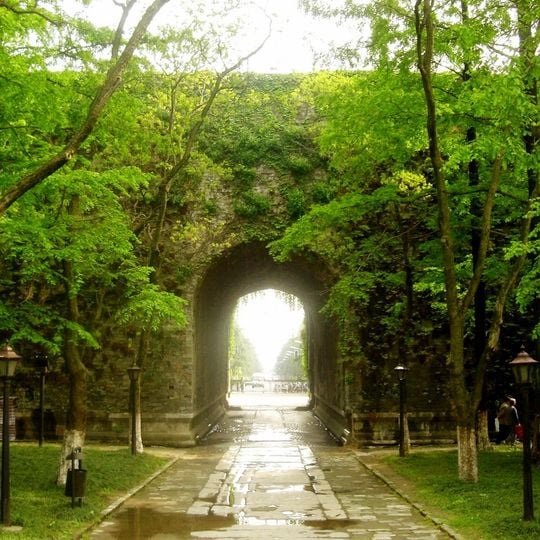
Ming Palace, Imperial palace ruins in Nanjing, China
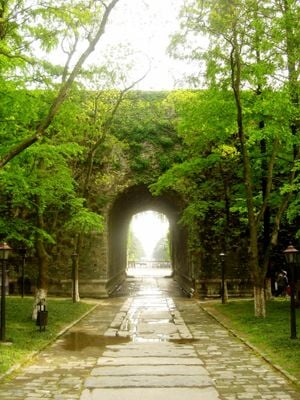
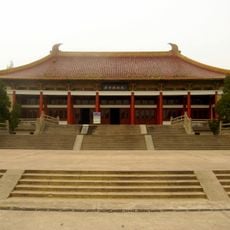
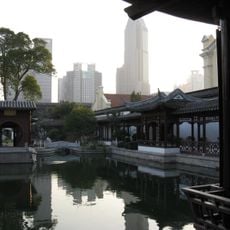
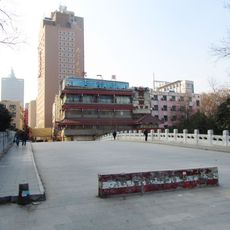
The Ming Palace is a historic palace complex in Nanjing in Jiangsu, China, that now appears as an open archaeological field with visible foundations, stone paths, and gateway openings. The structures lie partly exposed and partly shaded by trees, forming an open network of ruin fields that convey the original layout.
The palace grounds were built starting in 1366 under the rule of Zhu Yuanzhang, who resided here as the first Ming emperor. The complex lost its central role after the third Ming emperor shifted the power center in the early 15th century, and it fell into decline over the following centuries.
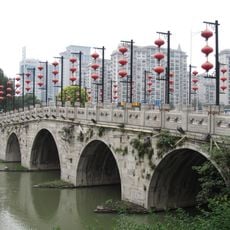
The name refers to the Ming rulers, and visitors today see stone steps, foundation walls, and bridge remains that once connected audience courtyards to inner quarters. Some pathways still follow the original axes of symmetry that separated the emperor from his senior officials.
The tour leads over level paths between exposed wall remains and is easy to explore on foot. A visit in the morning offers more comfortable temperatures and fewer crowds, especially during the summer months.
Beneath the stones of the site lie numerous underground canal remains and drainage systems that once channeled rainwater from the inner courtyards. The arrangement of the ten preserved bridges followed a fixed hierarchy that determined who could use each crossing.
The community of curious travelers
AroundUs brings together thousands of curated places, local tips, and hidden gems, enriched daily by 91,361 contributors worldwide.