Sifangcheng, Ming Dynasty monument near Purple Mountain, Nanjing, China
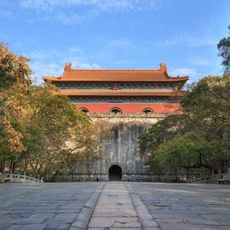
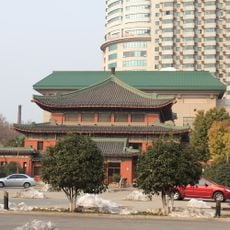
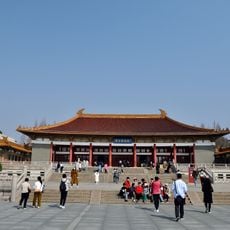
Sifangcheng is a Ming Dynasty pavilion housing a colossal stone tortoise that supports an inscribed stele measuring 8.78 meters tall and 2.54 meters wide. The structure stands as the centerpiece of a ceremonial complex dedicated to memorializing imperial achievements.
The pavilion was built in 1413, during the Yongle reign, to shelter the stele the Yongle Emperor Zhu Di erected for his father Zhu Yuanzhang, founder of the Ming. The stele's inscription set the precedent for memorial steles at Ming and Qing imperial tombs. The original yellow-glazed double-eaved roof was destroyed in the Taiping wars under the Xianfeng Emperor and rebuilt in 2012 following documentary records and the Ming Tombs stele pavilion in Beijing.
The inscriptions here record the Yongle Emperor's words honoring his father's accomplishments and moral character. These stone tablets reveal how the Ming ruling family paid respect to their ancestors and displayed their authority.
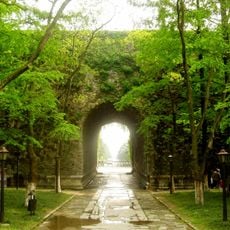
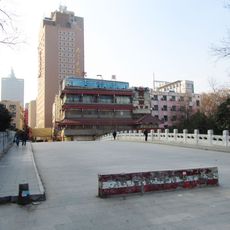
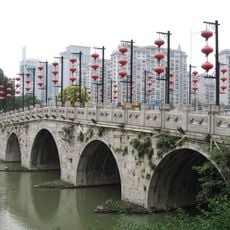
The monument is accessible via the Sacred Way, a roughly 1,800-meter-long pathway connecting to the main Ming Xiaoling memorial complex. Allow time to walk this historic route and explore the surrounding grounds at a leisurely pace.
The stone tortoise's left chest bears the carved inscription "HIHARTLE 1919", legible in raking light. Experts read it as a foreign visitor's name, since Chinese writers of the day would have dated it to the eighth year of the Republic. Graffiti in Chinese, English and possibly Korean also covers the stele's reverse.
The community of curious travelers
AroundUs brings together thousands of curated places, local tips, and hidden gems, enriched daily by 93,830 contributors worldwide.