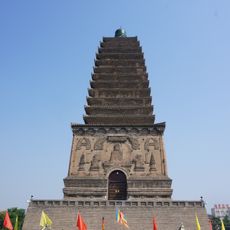
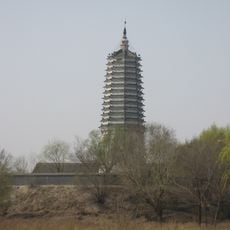
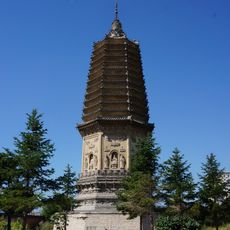
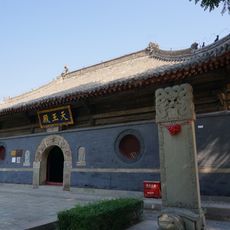
Pagode im Kreis Kailu, Buddhist pagoda in Kailu County, Inner Mongolia, China.
Pagode im Kreis Kailu is a white stone structure rising in the southeastern part of Kailu town, displaying traditional Buddhist architectural forms with its tiered shape. The building impresses through its height and symmetrical design, standing as a prominent landmark in the landscape.
The pagoda was built between 1287 and 1297 during Mongol rule, reflecting architectural features of that era. The structure later survived periods of major change and was designated as a nationally protected heritage monument due to its historical significance.
The pagoda reflects Buddhist religious practice in the region, with its design and placement showing how faith shaped the landscape during medieval times. Visitors today can observe the architectural choices that mattered to worshippers centuries ago.
The monument lies roughly 76 kilometers west of Tongliao City and is accessible to visitors through maintained pathways. It helps to know the location in relation to the surrounding landscape so you can navigate easily and allow adequate time for your visit.
The structure received official recognition in 2001 as a Major Historical and Cultural Site Protected at the National Level with designation 5-281. This formal status shows how authorities take responsibility for preserving such ancient structures for future generations.
The community of curious travelers
AroundUs brings together thousands of curated places, local tips, and hidden gems, enriched daily by 60,000 contributors worldwide.