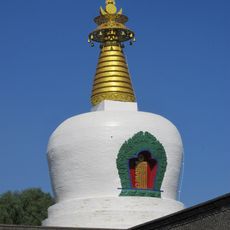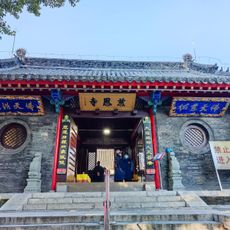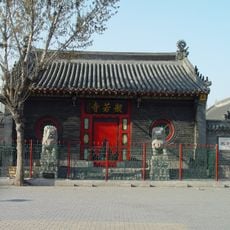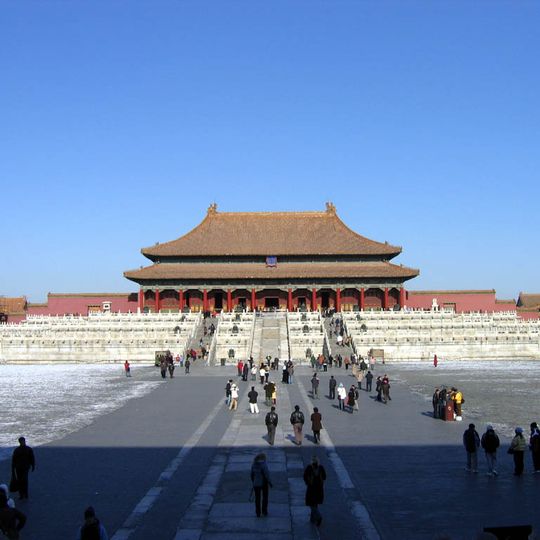
Imperial Palaces of the Ming and Qing Dynasties in Beijing and Shenyang, Architectural ensemble and UNESCO World Heritage Site in Beijing and Shenyang, China.
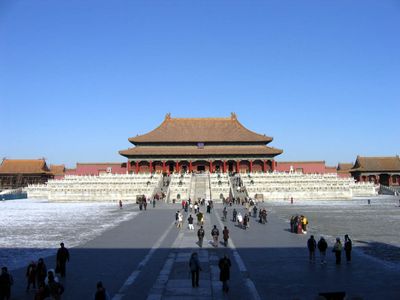
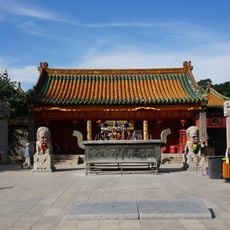
The Imperial Palaces of the Ming and Qing Dynasties comprise the Forbidden City in Beijing, built from 1406 to 1420, and the Mukden Palace in Shenyang, added to the World Heritage list in 2004. The Beijing complex covers 74 hectares and is enclosed by walls 8.6 meters high with four main gates. Its halls have double-tiered roofs of brownish-yellow tiles, red pillars, and white stone terraces.
These palaces began in 1420 as imperial residences and housed 24 emperors over five centuries during two major dynastic periods. They served as the political and ceremonial center of the Chinese empire until imperial rule ended in 1924.
The layout of these palaces reflects ancient Chinese cosmological beliefs, with buildings positioned along a central north-south axis. This arrangement symbolizes the connection between earthly and heavenly order in traditional Chinese philosophy.
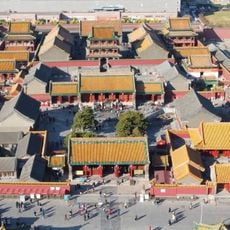
Visitors find a museum in the Forbidden City with extensive imperial collections, while Mukden Palace offers three clearly distinct areas to explore. Plan time for both locations, as they have different access routes and reference points.
The Forbidden City was ordered built by the Yongle Emperor in 1406 and largely finished by 1420; it housed 24 emperors of the Ming and Qing dynasties. In 1987 it entered the UNESCO World Heritage list, and in 2004 the Mukden Palace in Shenyang was added as an extension of the same listing.
The community of curious travelers
AroundUs brings together thousands of curated places, local tips, and hidden gems, enriched daily by 94,535 contributors worldwide.