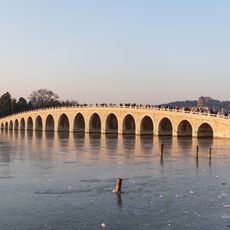
Longevity Hill, Sacred hill in Summer Palace complex, Beijing, China
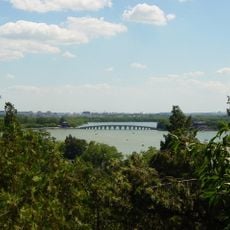
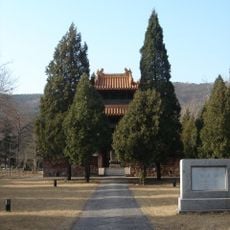
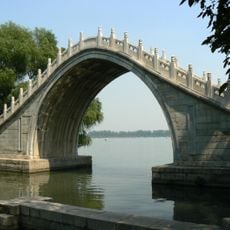
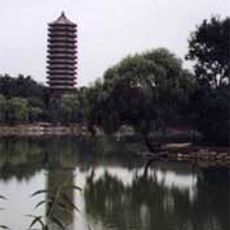
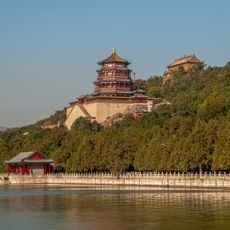
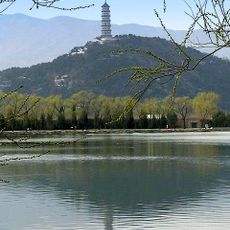
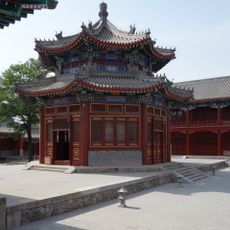
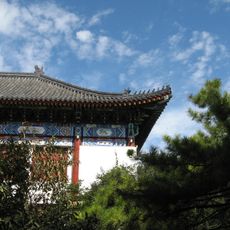
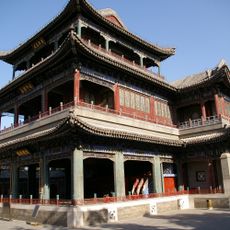
Longevity Hill is a 60-meter stone elevation within the Summer Palace complex featuring numerous pavilions and halls arranged in sequence along a main axis. These structures follow a carefully planned design that connects sightlines and pathways throughout the site.
The hill was renamed from Wengshan to Longevity Hill by Emperor Qianlong in 1752 during the Qing Dynasty, marking the start of garden development. This moment launched a building program that lasted for decades and shaped the site.
The corridor beside the hill displays paintings showing Chinese landscapes, birds, flowers, and historical moments that reflect how people once viewed their world. These artworks reveal what mattered to those who built this place and how they celebrated nature.
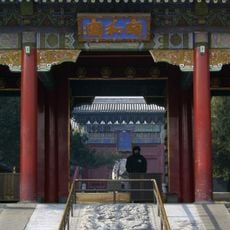
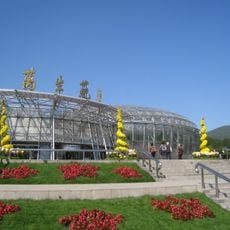
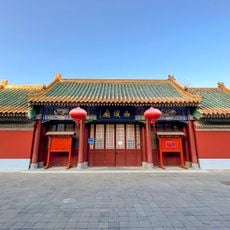
Visitors enter through the East Gate and can reach different building groups and viewing points from there. A long corridor connects these areas and offers a natural route through the various sections.
The rear section contains a miniature recreation of the Potala Palace from Lhasa with Tibetan architectural elements. This unexpected blend shows how imperial power expressed itself across different cultures.
The community of curious travelers
AroundUs brings together thousands of curated places, local tips, and hidden gems, enriched daily by 90,877 contributors worldwide.