Niuheliang, Neolithic archaeological site in Liaoning Province, China
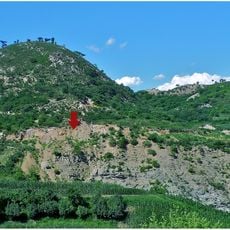
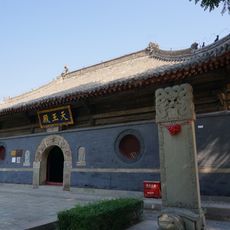
Niuheliang is an archaeological site spread across hillsides featuring temples, altars, burial grounds, and underground ritual chambers. The remains lie in a mountainous region with nearby rivers, where various structures are distributed at elevations between 550 and 680 meters (1,800 and 2,230 feet).
The site was discovered in 1983 and dates from 4700 to 2900 BC, when it served as a major center of the Hongshan culture. This era shows how societies in Northeast China were organized and what role ritual centers played in their lives.
The ritual site reflects ancient spiritual beliefs through offerings and ceremonially placed objects left by its people. The jade female heads and animal figurines suggest veneration practices that were central to early community life.
The area is hilly and requires careful exploration, as slopes can become slippery during rainy weather or monsoon season. Guided tours help visitors navigate the scattered structures more easily and understand their significance.
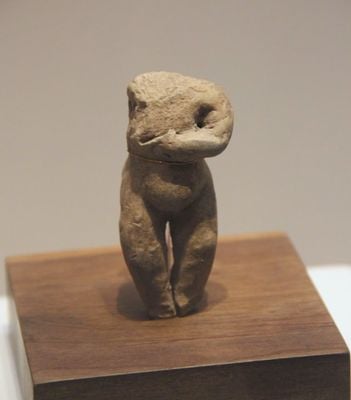
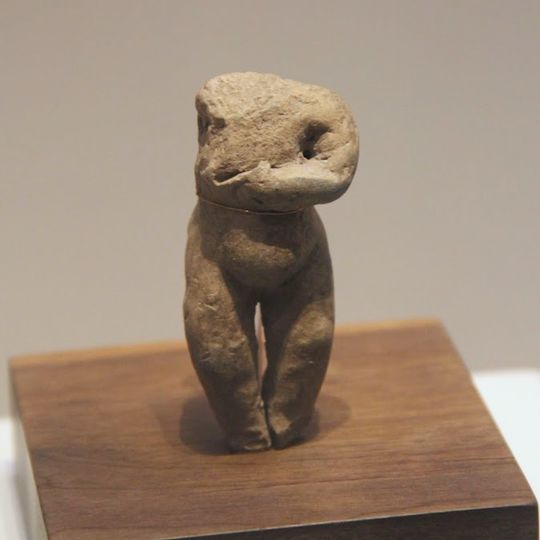
Among the finds are clay figures three times the size of actual humans, showing remarkable craftsmanship and skill. These unusual artworks remain puzzling in their exact spiritual or social purpose.
The community of curious travelers
AroundUs brings together thousands of curated places, local tips, and hidden gems, enriched daily by 91,120 contributors worldwide.