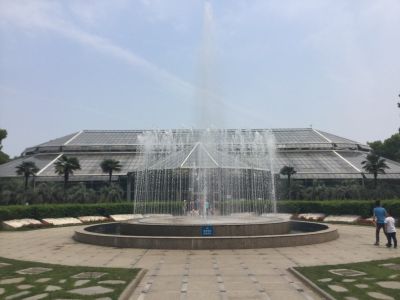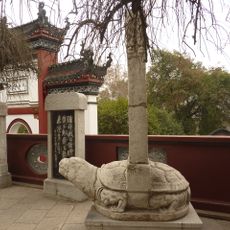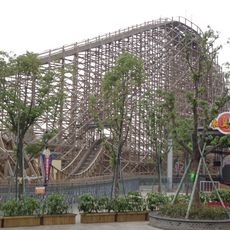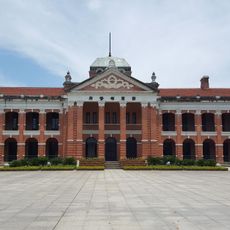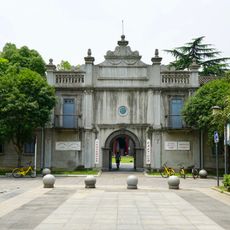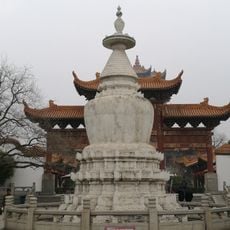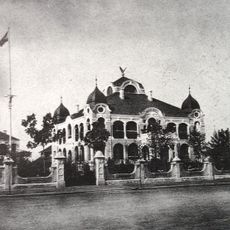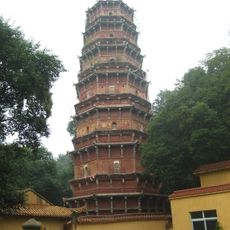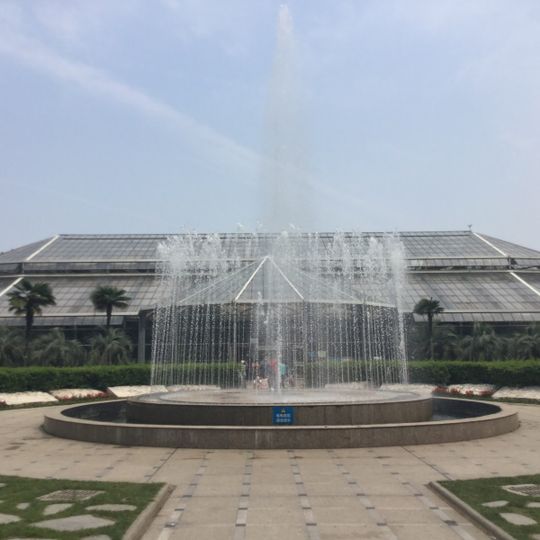
Wuhan Botanical Garden, Botanical garden in Wuhan, China.
Wuhan Botanical Garden is a 70-hectare research garden on a peninsula in East Lake, with 16 specialty gardens and more than 4,000 plant species. Its collections include the Aquatic Plant Garden, the largest of its kind, and the Kiwifruit Garden, which holds over 70% of the world's kiwifruit species. The garden also has China's largest Wild Fruit Garden, Rare and Endangered Plant Garden, and Medicinal Herb Garden.
The Chinese Academy of Sciences established this research institution in 1956 and opened it to public visitors in 1958, making it one of three research-focused gardens in the country. It evolved from a purely scientific facility into a place that balances botanical research with public engagement and education.
The garden is run by the Chinese Academy of Sciences and serves as a public education site on plant life and biodiversity. It also hosts symposia and maintains seed-exchange links with around 44 countries. Its kiwifruit breeding work produced varieties such as Donghong, Jinyan and Jintao, promoted through the garden's own company CASGOLD.
The site is open year-round and the themed gardens are connected by pathways that make it easy to navigate between different plant collections based on your interests. There is ample walking space and several seating areas where you can stop and enjoy views along the way.
The National Kiwifruit Germplasm Repository at Wuhan Botanical Garden holds over 70% of the world's kiwifruit species, and the garden has formally validated or protected 73 kiwifruit varieties while archiving 426 high-quality strains, among them Donghong, Jinyan and Jintao. To commercialise these cultivars, the garden founded CASGOLD Chengdu Supply Chain Management Co. Ltd.
The community of curious travelers
AroundUs brings together thousands of curated places, local tips, and hidden gems, enriched daily by 94,386 contributors worldwide.