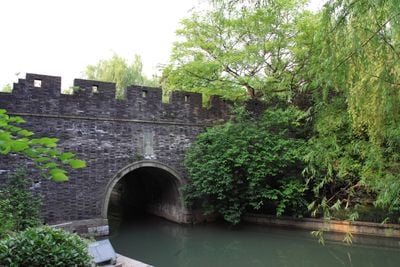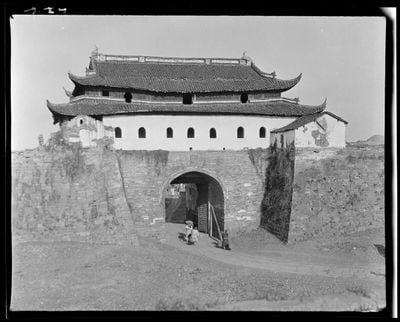
Qingbomen, City gate in Hangzhou, China.
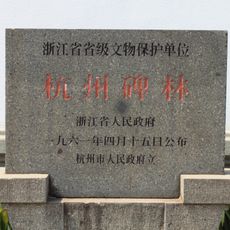
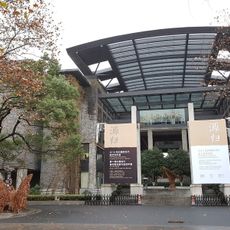
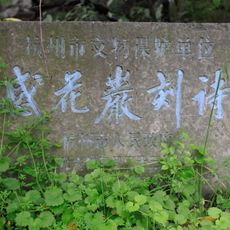
Qingbomen was one of the western gates of Hangzhou's old city wall, standing by the southeast shore of West Lake. It was demolished in 1913 when the walls came down and Nanshan Road was built; a stone stele now marks the site. Nothing of the gate itself survives, so the spot is identified by that marker rather than by any standing structure.
Qingbomen began as the Hanshui Gate during the Five Dynasties period of the Wuyue kingdom. When Hangzhou's walls were expanded in 1158, under the Southern Song, it became one of the city's western gates and took the name Qingbo. In 1860 Taiping troops dug a tunnel and breached several zhang of its wall, capturing Hangzhou. The gate was demolished in 1913 when the city walls came down and Nanshan Road was built; a stone stele now marks the site.
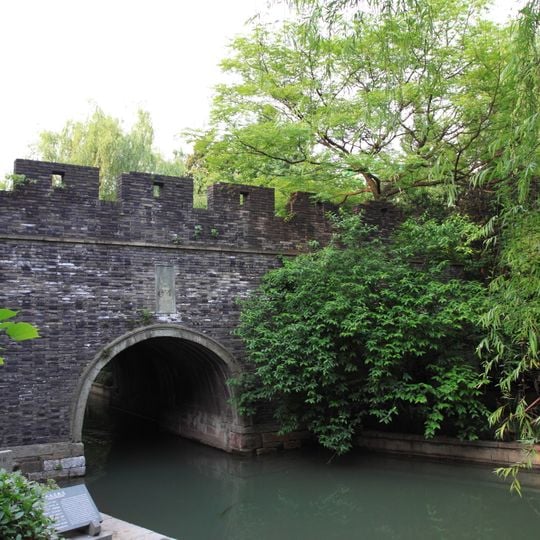
The name Qingbo, used since the Southern Song, refers to the clear lake water entering the city through a hidden culvert, which earned the gate the nickname 'Secret Gate'. Outside the gate, residents brought firewood and charcoal into the city, giving rise to the saying 'firewood carriers outside Qingbo Gate'. The site is now marked by a stone stele.
The gate is accessible by metro line 7 and bus number 4 from Hangzhou Xiaoshan International Airport or Hangzhou East Railway Station. Wear sturdy shoes as the surrounding area features uneven stone surfaces and old paving.
The gate itself no longer stands: Hangzhou began demolishing its walls in 1913, and Qingbomen, Yongjinmen and Qiantangmen were torn down to make way for Nanshan Road and Hubin Road. A stone stele now marks the former site, and the name survives in the surrounding area.
The community of curious travelers
AroundUs brings together thousands of curated places, local tips, and hidden gems, enriched daily by 94,546 contributors worldwide.