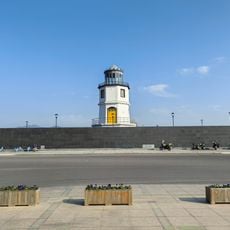
Báijiéshān Lighthouse, building in China
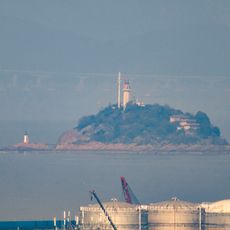
The Báijiéshān Lighthouse is a navigation facility standing on the coast of Zhejiang province in China. The structure is made of brick and concrete in a simple rectangular shape, and its light flashes at regular intervals to guide vessels along the coastline.
The structure was built in 1883 and became crucial for maritime traffic during the late 19th and early 20th centuries. Over time, the original oil lamp was replaced with electricity, while the core structure retained its historic appearance.
The lighthouse is named after a nearby geographic feature and serves as a vital reference point for the local fishing community. The structure embodies the ingenuity of seafarers and engineers who have adapted to coastal conditions for generations.
The site is accessed via a path through rocky terrain surrounded by grass and low vegetation. Visitors should wear sturdy footwear and be prepared for strong winds and rough conditions typical of this coastal area.
The lighthouse light follows a distinctive flash pattern of four consecutive flashes followed by darkness, repeating every 60 seconds. This specific rhythmic pattern allows sailors to distinguish this lighthouse from other navigation points along the coast.
The community of curious travelers
AroundUs brings together thousands of curated places, local tips, and hidden gems, enriched daily by 60,000 contributors worldwide.