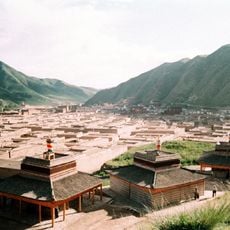
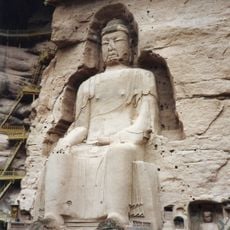
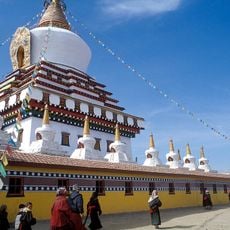
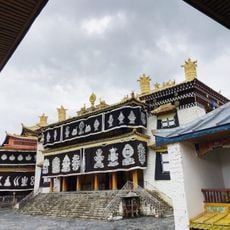
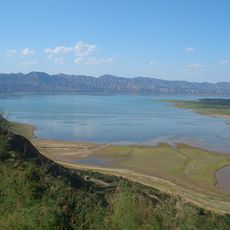
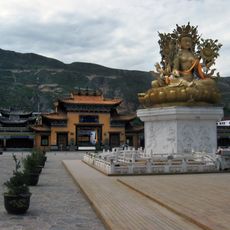
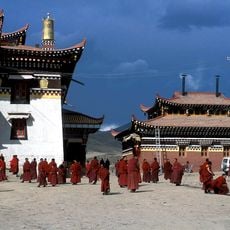
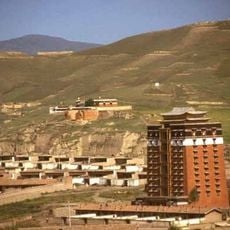
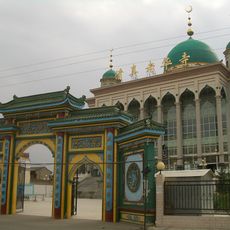
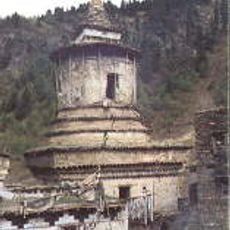
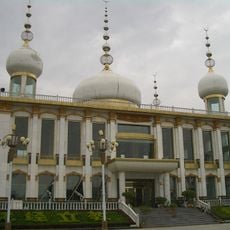
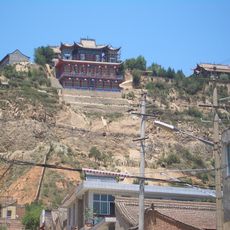
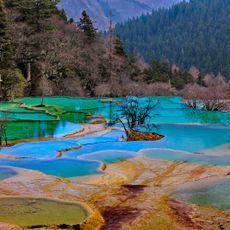
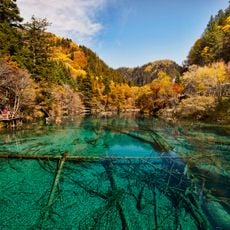
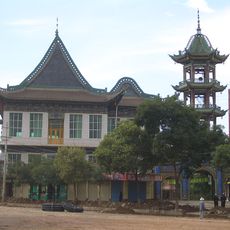
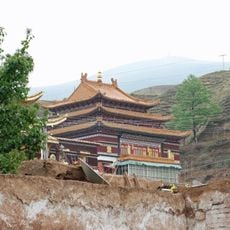
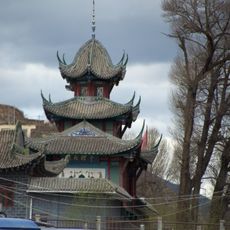
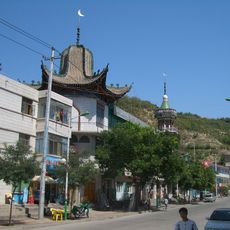
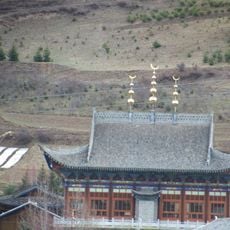
Taktsang Lhamo Monastery, Gelug Buddhist monastery in Langmusi, Gansu, China.
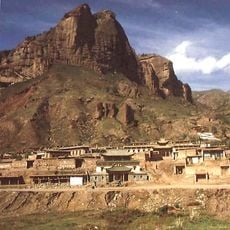
Taktsang Lhamo, also called Sechak Monastery, stands at 3,350 metres in Langmusi, Gansu. Its main assembly hall is surrounded by halls such as the Maitreya, Arhat, Thousand Buddha and Medicine Buddha halls, with golden roofs set among cypress and pine. Red sandstone cliffs lie east of the site and stone peaks to the west.
Tagtshang Lhamo was founded in 1748 by Gyeltshen Sengge, the 53rd throne holder of Ganden Monastery, who walked from Lhasa and built the monastery at this site. His reincarnation line became the Langmu Sichak living Buddhas. The monastery was destroyed in 1958 and during the Cultural Revolution, then reopened and rebuilt with government approval in May 1981.
The monastery is an active place where monks perform daily prayers and study Buddhist texts. Visitors can observe these daily rituals and gain insight into the spiritual life that shapes the community.
The site is accessible year-round and local guides can explain the layout and proper behavior during religious ceremonies. The high elevation means it takes time to adjust to the thinner air.
The monastery's Tibetan name, Taktsang Lhamo, means "tiger's den goddess": a cave in the gorge southeast of the Bailong River is said to hold a stalactite shaped like a seated goddess, beside a tiger's den. Pilgrims wash their faces in water dripping from it and rub smooth stones on the belly to ward off illness.
The community of curious travelers
AroundUs brings together thousands of curated places, local tips, and hidden gems, enriched daily by 93,082 contributors worldwide.