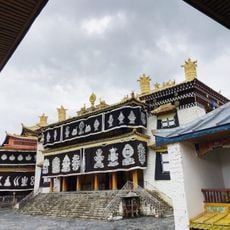
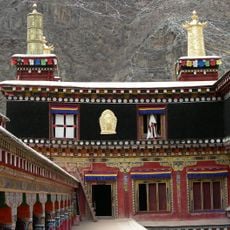
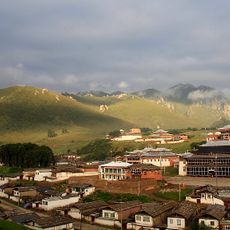
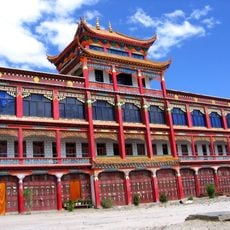
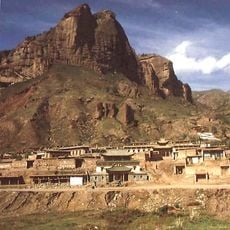
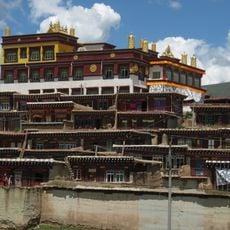
Bangtuo temple, Buddhist temple in Sichuan, China
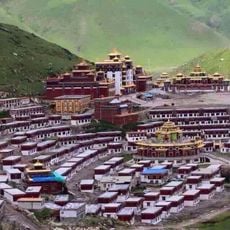
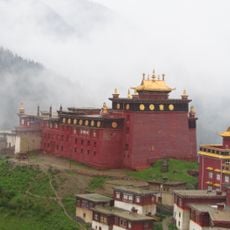
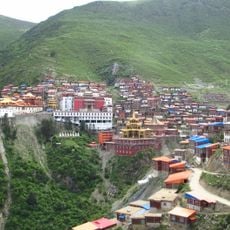
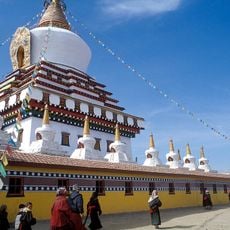
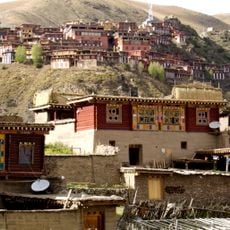
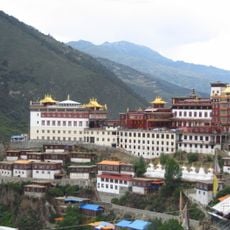
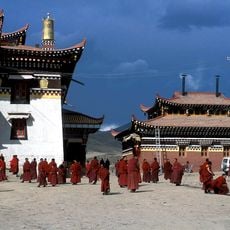
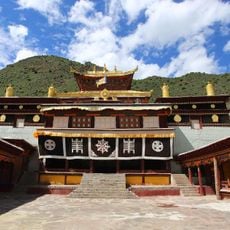
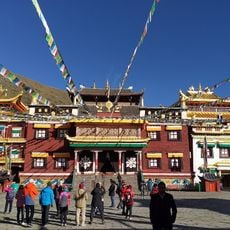
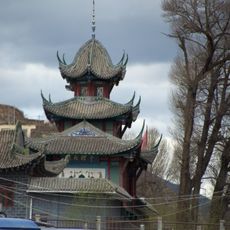
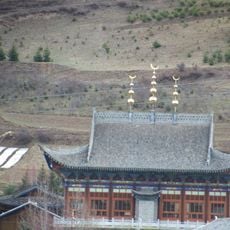
Bangtuo Temple is a Nyingma and Jonang Tibetan Buddhist monastery in Rongmuda Township, Zamtang County, Ngawa Prefecture, Sichuan, founded in the Yuan (Mongol) period; most present buildings date from the Ming and Qing. Its grounds cover over 10,000 square metres and hold 39 chortens built in the Ming, Qing and Republican eras, with walls of carved Tibetan scripture stones at their centre.
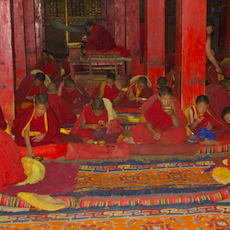
Bangtuo Temple was founded during the Yuan dynasty as a Nyingma monastery and now also follows the Jonang school, with over two hundred monks. The present buildings date mainly from the Ming and Qing periods, and the site was listed as a Major Historical and Cultural Site Protected at the National Level in 2001 (5-394).
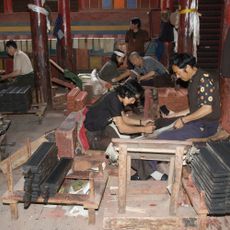
Bangtuo Temple is home to over two hundred monks belonging to the Nyingma and Jonang schools of Tibetan Buddhism, so both traditions are practised side by side. The monastery is known for its stone sutra walls, and the Tibetan scriptures carved on stone slabs are kept in the middle of the stupa group.
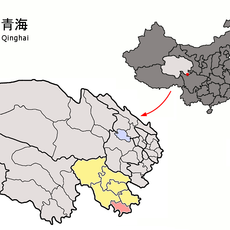
Bangtuo Temple lies in Rongmuda Township, Zamtang County, 32 km from the county seat and 5 km from the East Zamtang Sangzhuluobulin monasteries, on the Zequ River. The 39 stupas and the sutra stone walls stand in the open within a walled compound of over 10,000 square metres, so plan for walking between them.
The monastery's stone sutra walls hold about 100,000 carved Tibetan scripture slabs. Most are the Gammurong canon, carved in 1438; the rest are the Kangyur, carved between 1910 and 1920. The 39 chortens around them were built in the Ming, Qing and Republican eras.
The community of curious travelers
AroundUs brings together thousands of curated places, local tips, and hidden gems, enriched daily by 94,535 contributors worldwide.