Baiya Pagoda, Buddhist pagoda in Guichi District, China
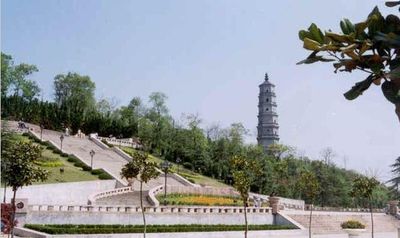
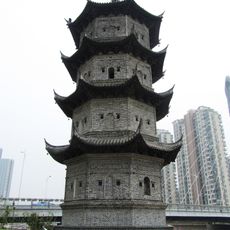
Baiya Pagoda, also called Baiya Tower, stands in the urban area of Chizhou. Built in 1538, it is a hexagonal brick pagoda made of grey-blue bricks, 34.3 metres tall with a base circumference of 20.98 metres.
The structure was built in 1538 during the Ming period and demonstrates the technical skill of that era. Its national protection designation highlights its importance as a record of Chinese architectural history.
Baiya Pagoda is also called Baiya Tower; the sources give no origin for the name and record no white coating or pilgrimage use. It is a Ming brick pagoda of 1538, and its cultural interest lies in its designation: a county-level protected unit in November 1982, a Chizhou municipal unit in May 2002, and part of the eighth batch of national key cultural relics announced on 7 October 2019.
Baiya Pagoda stands in the urban area of Chizhou's Guichi District, at the coordinates 30.66795, 117.48829. The structure is a 34.3-metre hexagonal brick tower with a base circumference of 20.98 metres. It is a national-level protected site, so access to the interior may be limited; check local conditions before planning a climb.
The hexagonal plan, 20.98 m around the base, is a detail visitors can pace out on the ground. The pagoda was repaired in September 1982 with funds from Guichi County, then in Anqing Prefecture, and in October 2019 it entered the eighth batch of national key cultural relics.
The community of curious travelers
AroundUs brings together thousands of curated places, local tips, and hidden gems, enriched daily by 93,182 contributors worldwide.