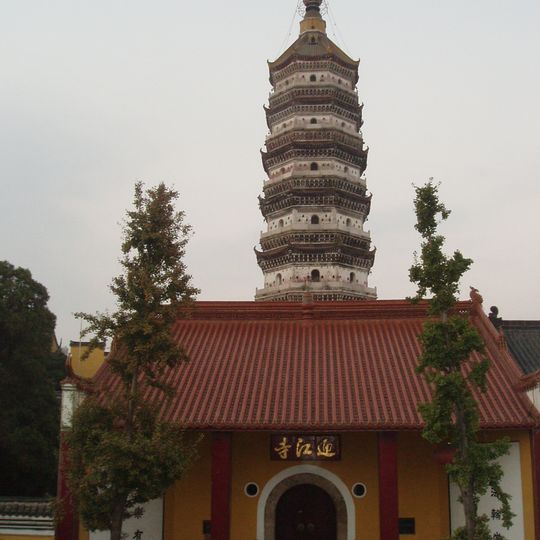
Zhenfeng Pagoda, Ming Dynasty pagoda in Anqing, China
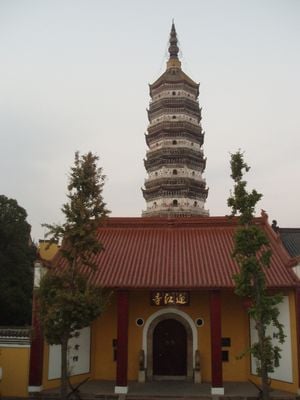
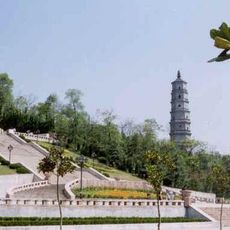
Zhenfeng Pagoda is a seven-story structure with a seven-sided shape that rises above Anqing, featuring arched doorways on each level that open to exterior platforms. The interior holds more than 600 Buddha statues, while the walls gradually narrow toward the top, creating a subtle cone-like silhouette.
The pagoda was built in 1570 during the Ming Dynasty as a practical aid for river navigation along a bend in the Yangtze. Specially positioned niches in its walls allowed lanterns to be placed, guiding boats safely along the waterway.
The pagoda takes its original name from its role as a temple to Buddhist devotion, with hundreds of Buddha statues still visible inside the structure today. These statues reflect how important this place was for spiritual practice in the region.
Climbing through the seven levels involves a series of stairs leading to viewing platforms at different heights where you can see across the city. Wear comfortable shoes and be prepared for narrow, steep passages inside the structure.
The pagoda displays an unusual visual quality through its gradually tapering walls that create a subtle cone shape when viewed from below. Each floor also features traditional Chinese curved eaves above the windows, a detail that distinguishes it from many similar structures of its era.
The community of curious travelers
AroundUs brings together thousands of curated places, local tips, and hidden gems, enriched daily by 91,784 contributors worldwide.