Burgundy, Administrative region in central France
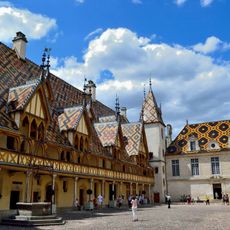
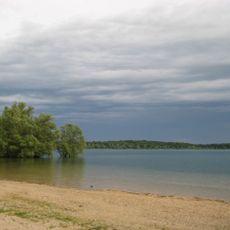
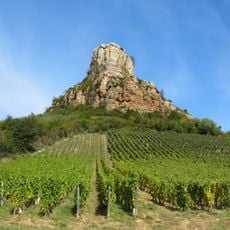
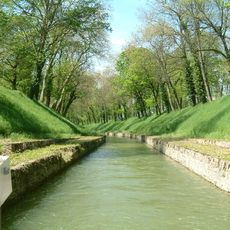
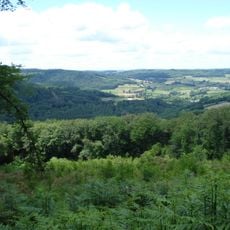
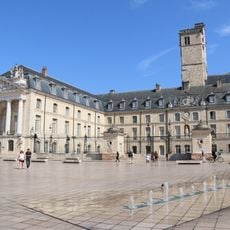
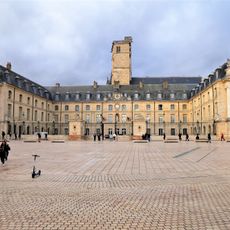
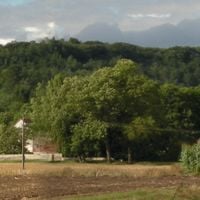
This administrative region in east-central France covers four departments—Côte-d'Or, Saône-et-Loire, Nièvre, and Yonne—with Dijon as its capital. The landscape shifts between rolling vineyard hills, forested uplands in the Morvan, and flat plains along the Saône and Loire rivers.
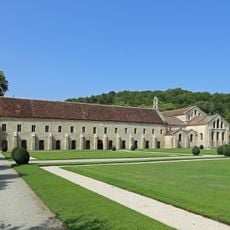
The duchy emerged in the 9th century and grew into an independent power by the 15th century, controlling much of present-day Netherlands and Belgium. After Charles the Bold died in 1477, the territory gradually passed to the French crown.
Wine cellars still open for communal tastings where growers explain their work and visitors sample directly from the barrel. In the villages, craftspeople such as coopers and stonemasons keep centuries-old techniques alive, visible in working workshops.
High-speed trains from Paris reach Dijon in around an hour and a half, while regional lines connect smaller towns along the wine routes. Motorways cross the territory from north to south, and many estates and rural accommodations sit away from main axes.
The narrow vineyard parcels often follow medieval monastery boundaries, so neighboring rows belong to different owners and produce contrasting wines. Some slopes carry several appellations within just a few meters (a few feet) of elevation change.
The community of curious travelers
AroundUs brings together thousands of curated places, local tips, and hidden gems, enriched daily by 92,179 contributors worldwide.