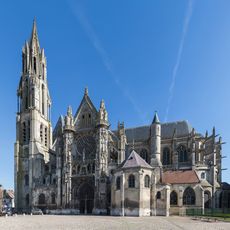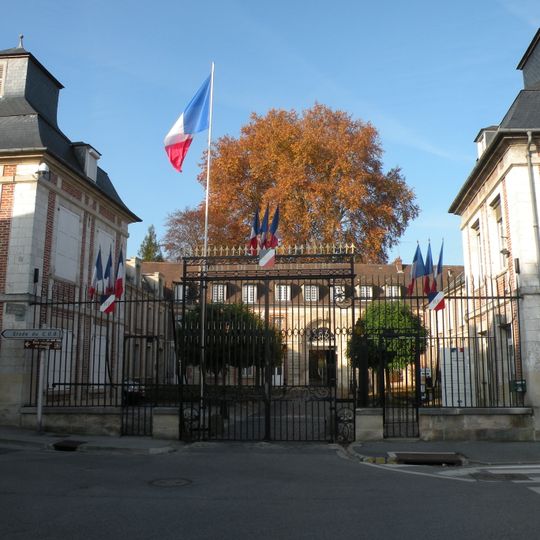
Oise, Department in Hauts-de-France, France
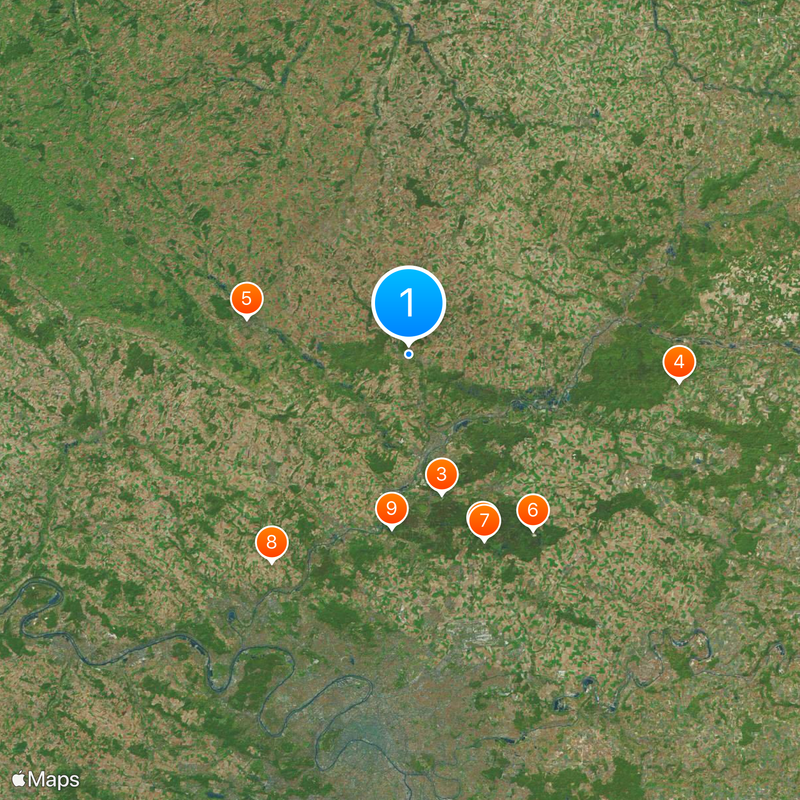
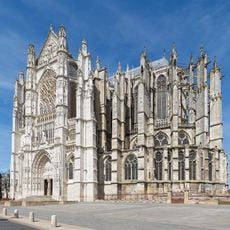
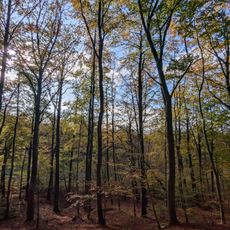
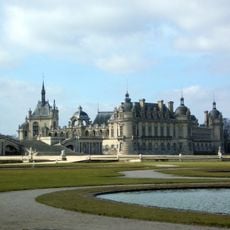
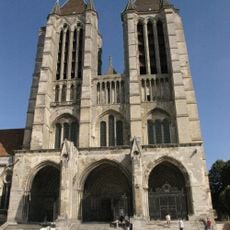
Oise is a department in the Hauts-de-France region, situated just north of Paris, with forests, farmland, and several river valleys running through it. The territory alternates between industrial towns like Beauvais and Compiègne and rural areas of open fields and small villages.
The department was created on March 4, 1790 during the French Revolution, as part of a move to replace the old provinces with smaller administrative units. In the 19th century, growing industries around Beauvais and Compiègne drew many working families to the region.
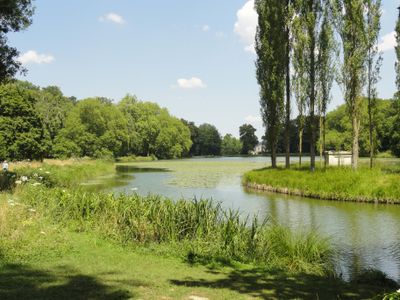
The name of the department comes from the Oise river, which runs from southeast to northwest and gives many riverside villages their character. On weekends, locals use the riverbanks for walking, fishing, and cycling along the water.
The main towns are reachable by regional train, and a network of roads connects smaller villages across the territory. Signed cycling routes along the river valleys are a practical way to explore the rural parts of the department without a car.
In the forest near Compiègne, the armistice that ended World War I was signed on November 11, 1918, in a railway carriage placed in a forest clearing. The same clearing was later chosen by Adolf Hitler in June 1940 to sign France's surrender, deliberately mirroring the earlier event.
The community of curious travelers
AroundUs brings together thousands of curated places, local tips, and hidden gems, enriched daily by 91,102 contributors worldwide.