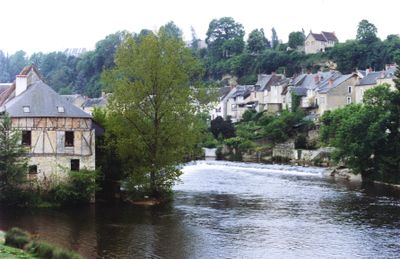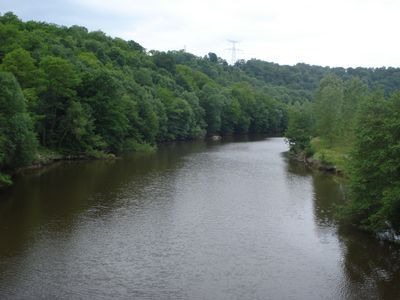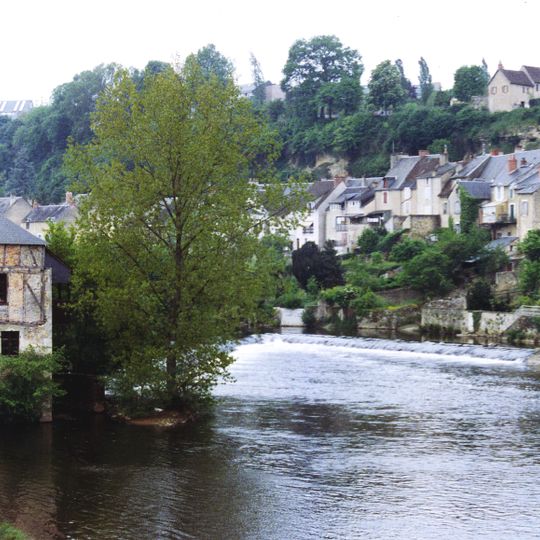
Creuse, River in Nouvelle-Aquitaine and Centre-Val de Loire, France
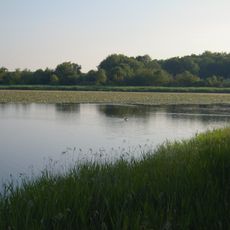
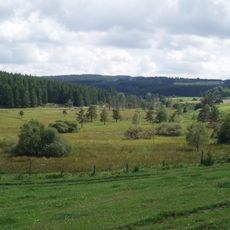
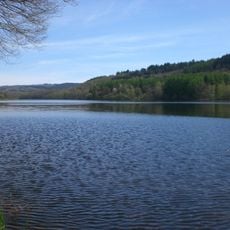
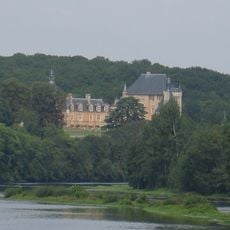
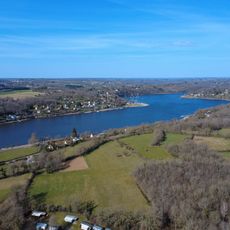
The Creuse River flows northwestward across five departments, traveling roughly 263 kilometers from the Plateau de Millevaches until it meets the Vienne River. Six hydroelectric dams are built along its course, creating reservoirs that reshape the landscape and offer opportunities for water activities.
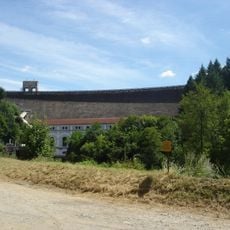
The river became crucial to the region's power generation with the construction of the Éguzon Dam in 1926, which was then the largest hydroelectric facility in Europe. This development marked a turning point, transforming the flow of the river and reshaping the valleys into reservoirs for energy production.
The valley's landscapes drew painters of the Crozant School, who found endless inspiration in the cliffs, water, and light of the region. Artists continue to visit and work here today, attracted by the natural setting that still captivates observers.
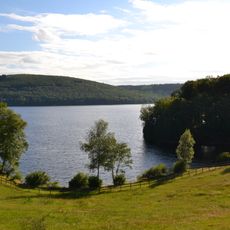
You can explore the river landscape by foot along several pathways, and the reservoirs behind the dams are open for swimming, fishing, and boating. Summer and early autumn offer the best conditions, with warm water and accessible shorelines for visitors.
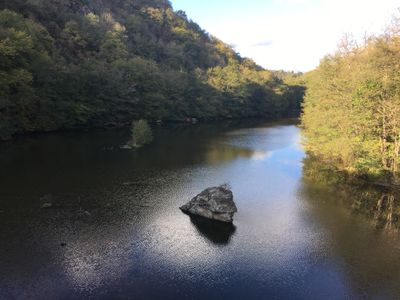
The river carves through deep gorges as it descends from the highlands, with the most dramatic sections appearing near Crozant where granite cliffs tower above the water. These canyons, shaped over millions of years by erosion, create some of the most visually striking parts of the entire waterway.
The community of curious travelers
AroundUs brings together thousands of curated places, local tips, and hidden gems, enriched daily by 92,772 contributors worldwide.