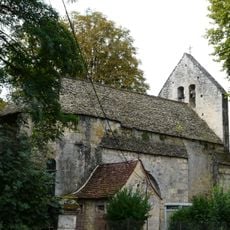
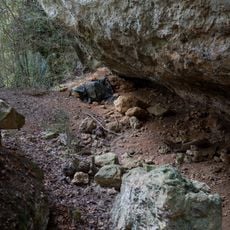
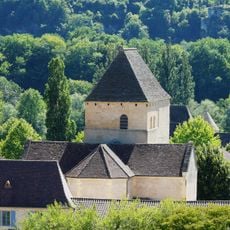
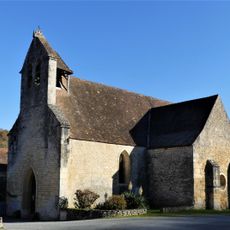
La Madeleine, Rock shelter in Vézère Valley, France
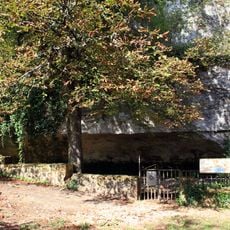
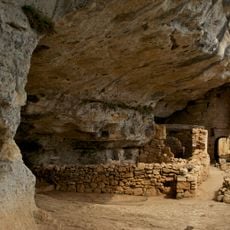
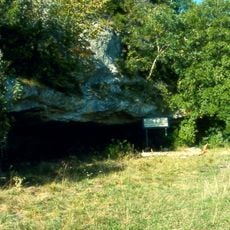
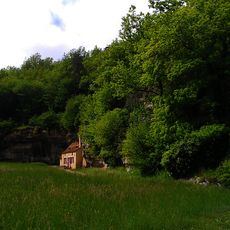
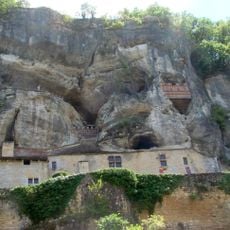
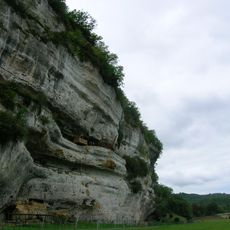
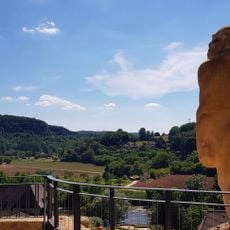
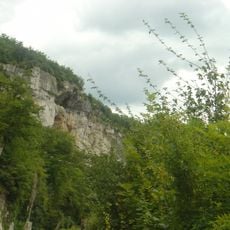
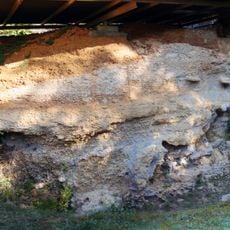
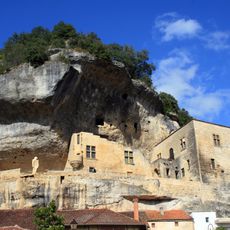
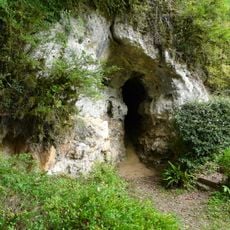
La Madeleine is a rock shelter situated beneath a high limestone cliff along the Vézère River in the Dordogne valley. The south-facing location provided natural shelter, and excavations have revealed a substantial collection of Paleolithic artifacts and human remains buried within the rock face.
Systematic excavations began in 1863 under Édouard Lartet and Henry Christy, two pioneers of Paleolithic archaeology. These early investigations were foundational for establishing scientific archaeology in France and produced groundbreaking findings about Ice Age life.
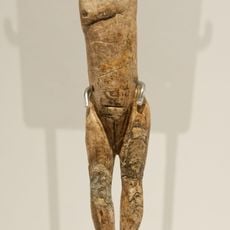
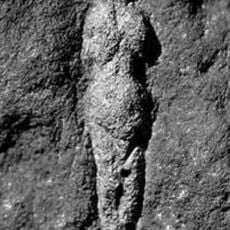
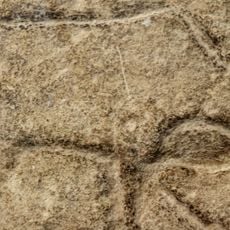
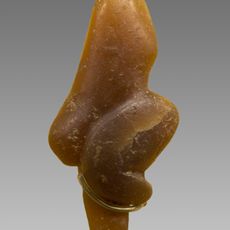
The site displays carved bones and antlers showing animals like reindeer, horses, and bison from the Magdalenian period. These objects offer insight into the animals that inhabitants hunted and how they expressed their relationship with the natural world through art.
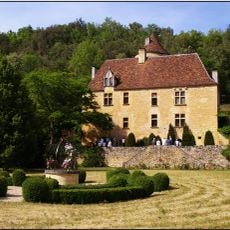
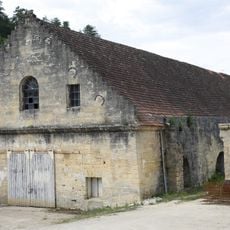
Access to the site is arranged through the Ferme Paysanne facility, which provides informational resources about the prehistoric settlement and its context. Plan your visit during dry weather, as pathways along the cliff can be narrow and uneven in places.
In 1926 archaeologists uncovered the remains of a three-year-old child adorned with shell jewelry, suggesting that burial rituals held meaning in this Paleolithic community. This discovery reveals that family bonds and ceremonial practices were significant aspects of daily life during the Ice Age.
The community of curious travelers
AroundUs brings together thousands of curated places, local tips, and hidden gems, enriched daily by 60,000 contributors worldwide.