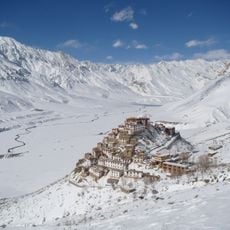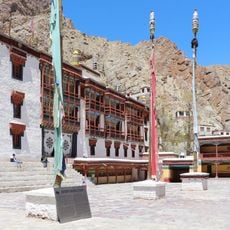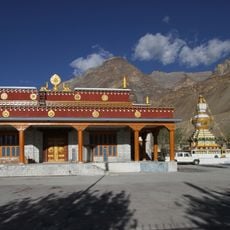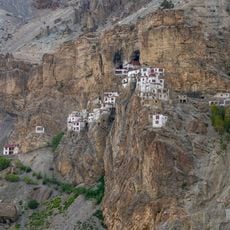
Hanle, village located in Ladakh, India
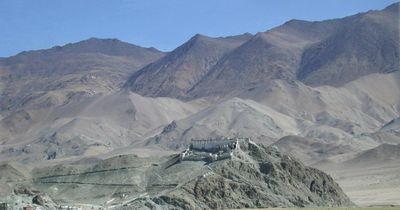
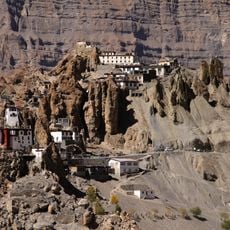
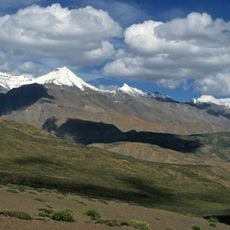
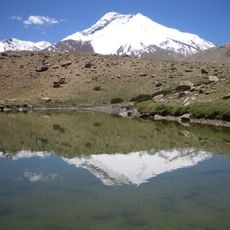
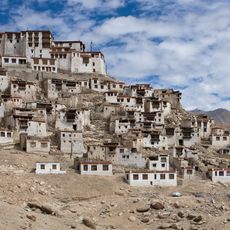
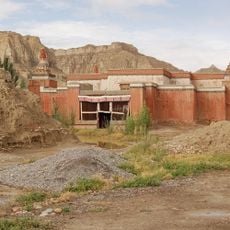
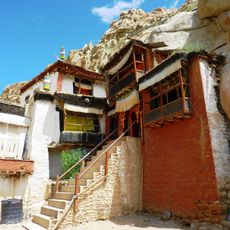
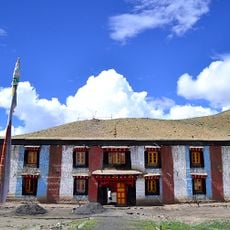
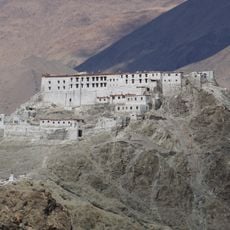
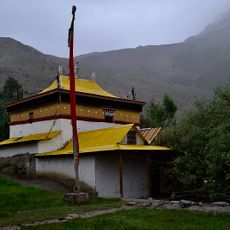
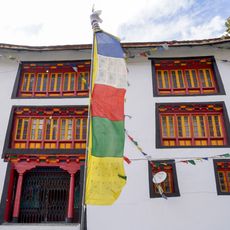
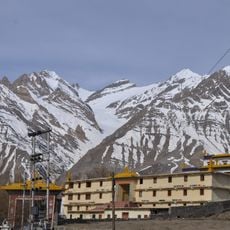
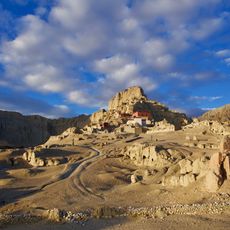
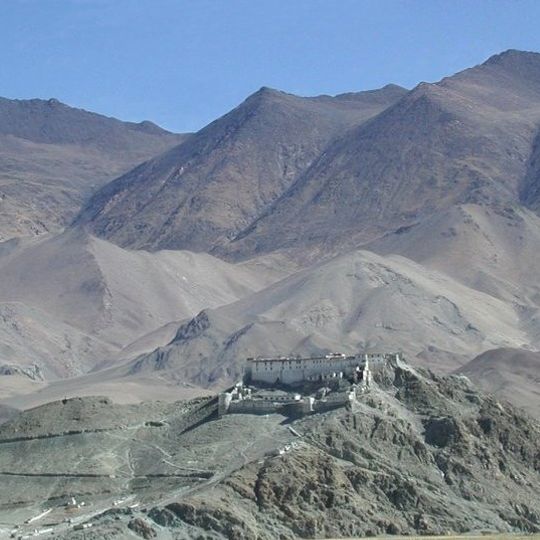
Hanle is a small village in eastern Ladakh, situated at about 4,500 meters in elevation surrounded by mountain landscapes and high-altitude plains. The place is known for its extremely clear air, absence of light pollution, and a 17th-century monastery at the village entrance that houses Tibetan Buddhist artwork and relics.
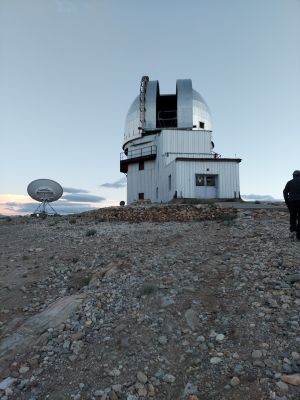
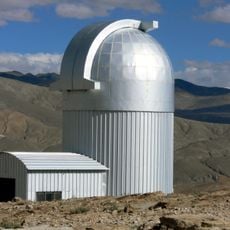
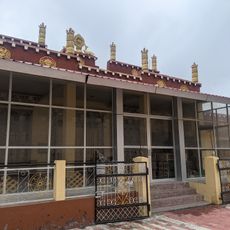
The monastery was built in the 17th century and is part of the Tibetan Buddhist tradition rooted in the region for centuries. The place gained scientific importance in 2001 when the Indian Astronomical Observatory was built as one of the world's highest observatories.
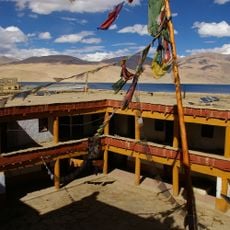
The village is a center of Tibetan Buddhism, where daily prayers and rituals shape daily life and the monastery at the village entrance visibly reflects this tradition. Residents practice traditional farming and animal herding, showing their deep connection to the mountains and seasons.
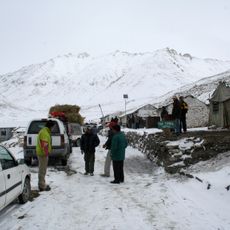
Access requires preparation as roads are rough and the journey from Leh takes several hours; it is important to acclimate to the altitude before arrival. Simple accommodations like guesthouses and homestays are limited, so advance booking is recommended, especially during peak season from May to October.
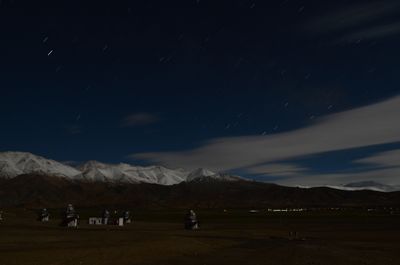
The night sky displays galaxy bands and unusually bright stars visible to the naked eye, phenomena invisible in most places and distinctly visible through photographs. This natural brightness of the sky makes the place extraordinary for observing the Milky Way and meteor showers without telescopes.
The community of curious travelers
AroundUs brings together thousands of curated places, local tips, and hidden gems, enriched daily by 91,255 contributors worldwide.