Pavagadh, Hill station in Halol Taluka, India
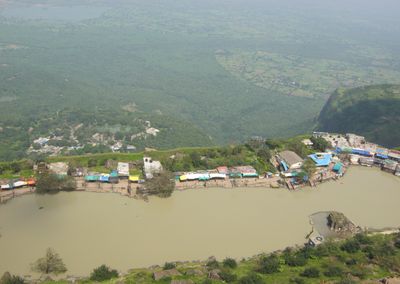
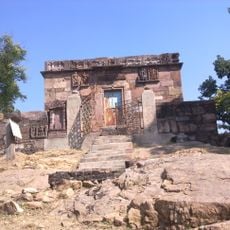
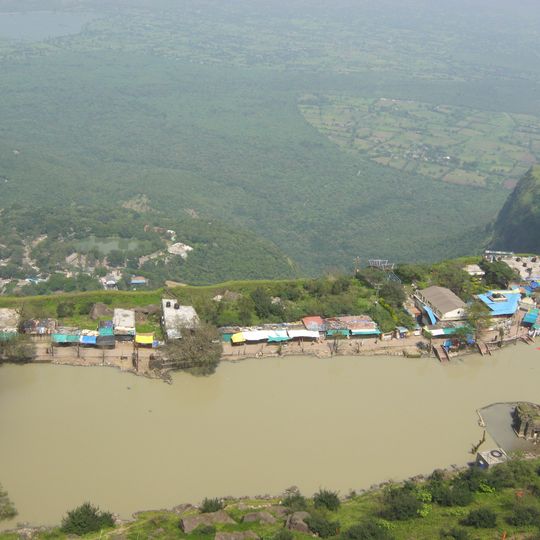
Pavagadh is a hill that rises 762 meters (2500 feet) above a plain in Panchmahal district, Gujarat, forming a prominent landmark in the western Indian landscape. The summit features rock faces and plateaus with vegetation that alternates between open areas and denser green sections.
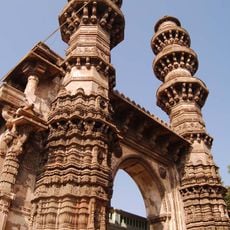
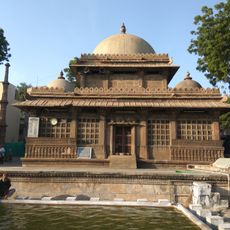
The hill formed about 500 million years ago through volcanic activity and later became a center of power under ruler Mahmud Begada, who built a fortress here in the 15th century. The site became part of the Champaner-Pavagadh UNESCO World Heritage listing in 2004.
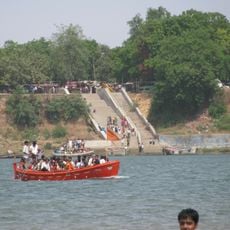
The name Pava ga dh means mountain in a quarter, and the site serves as a place where Hindu pilgrims climb stone steps and pathways to reach shrines scattered across different levels. Many visitors light oil lamps and offer flowers at small roadside temples they encounter along the way up.
A 740-meter (2428-foot) ropeway system takes visitors to the summit, reducing the climb compared to the stone-step footpath. Morning hours offer clearer views across the plain, while afternoons often bring haze that limits distant visibility.
The rock formations consist of volcanic materials like rhyolite, tuff, basalt, and dolerite, stacked in visible layers one above the other. This sequence shows several eruption phases that occurred over long periods.
The community of curious travelers
AroundUs brings together thousands of curated places, local tips, and hidden gems, enriched daily by 90,753 contributors worldwide.