Judicial activism in India, Constitutional framework in New Delhi, India
Judicial activism is the concept of judicial authority in New Delhi, India, where courts protect citizens' rights through constitutional interpretation, public interest lawsuits, and oversight of lower courts. The system relies on several constitutional provisions to declare laws invalid when they conflict with fundamental protections.
Judicial activism emerged significantly in 1973 when the Allahabad High Court invalidated Prime Minister Indira Gandhi's election, marking a turning point in judicial authority. This decision demonstrated that courts were willing to challenge the highest level of executive power and assert their independence.
The Indian court system addresses social issues through public interest lawsuits, allowing individuals to file petitions that serve broader community interests. This practice has enabled courts to engage with topics like environmental protection and worker rights that courts might not otherwise reach.
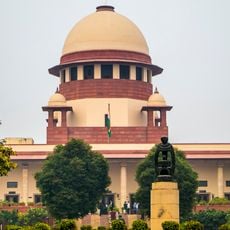
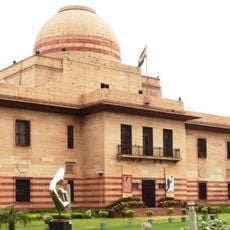
The Supreme Court is open to the public and visitors can observe proceedings or explore the buildings to see the justice system in action. It is advisable to check opening times in advance and understand that some areas may not be accessible to the general public.
The Indian court system has defied the traditional passive role of courts and actively intervenes in areas that would normally fall only under the executive or legislature. This unusual stance has allowed courts to enact environmental rules and force social reforms in ways that are rare in many legal systems worldwide.
The community of curious travelers
AroundUs brings together thousands of curated places, local tips, and hidden gems, enriched daily by 91,191 contributors worldwide.