National Handicrafts and Handlooms Museum, New Delhi, National crafts museum in Delhi, India
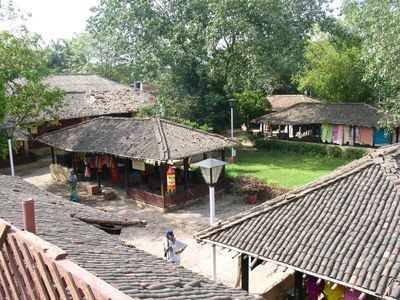
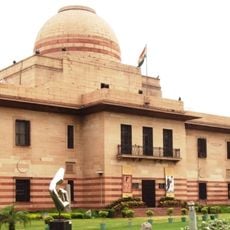
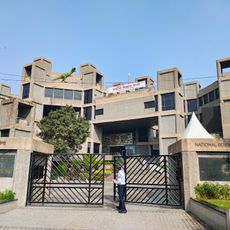
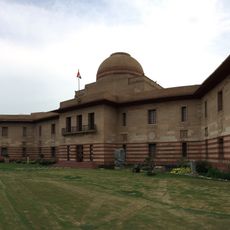
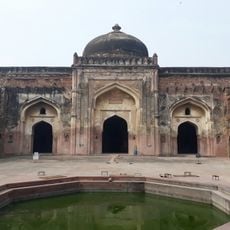
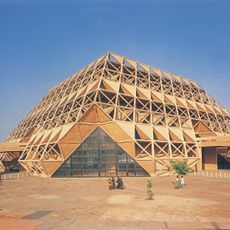
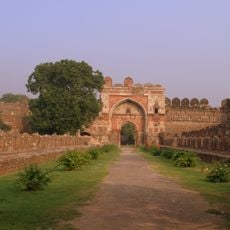
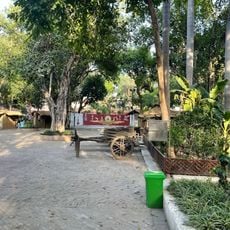
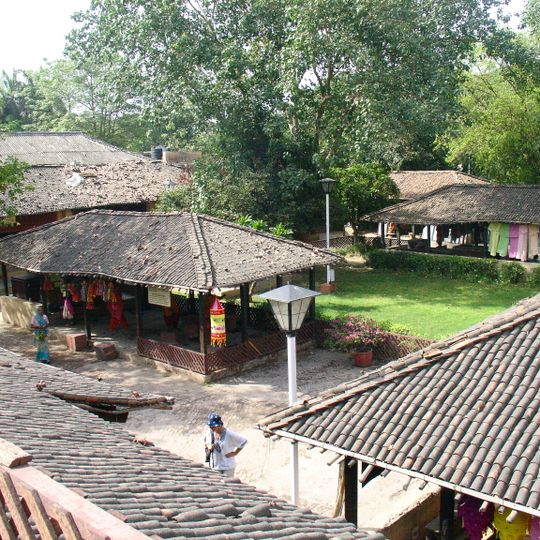
The National Handicrafts and Handlooms Museum occupies an 8-acre site facing Purana Qila, with galleries designed by architect Charles Correa between 1975 and 1990. Its five permanent galleries include the Bhuta Sculpture Gallery, Tribal and Folk Art, Ritual Craft, Courtly Craft and Textiles. A 5-acre village complex holds 15 structures representing dwellings, courtyards and shrines from different Indian states.
The museum opened in the 1950s as a small project to document regional crafts and was expanded gradually over the following decades. The official inauguration by the president at the time happened only in the early 1990s after infrastructure was completed.
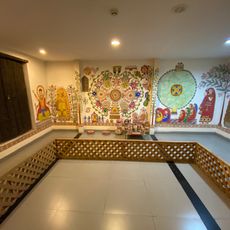
The museum takes its name from the two main forms of Indian handwork and focuses on living expressions like painted wood carvings from the Himalaya and embroidered wall hangings from Gujarat. Visitors see how each region developed its own patterns and tools that are still passed down today in the same forms.
The circuit passes through covered galleries and shaded courtyards that are comfortable to walk in warm weather. The workshop areas lie at the edge of the grounds and are accessible during regular opening hours so visitors can watch the artisans at work.
Behind the scenes, conservators work in specialized laboratories where they treat damaged textiles and wooden objects with chemical processes. These workshops are not usually open to the public, but occasional tours offer insight into the technical methods of preservation.
The community of curious travelers
AroundUs brings together thousands of curated places, local tips, and hidden gems, enriched daily by 92,777 contributors worldwide.