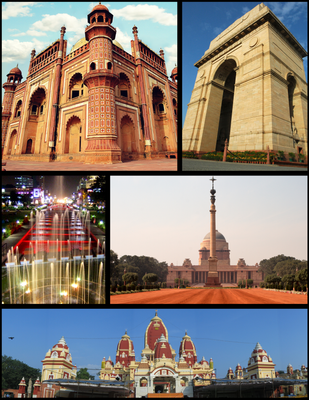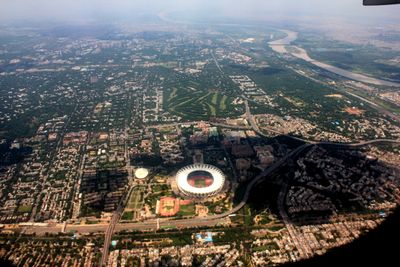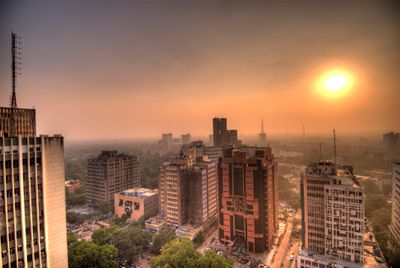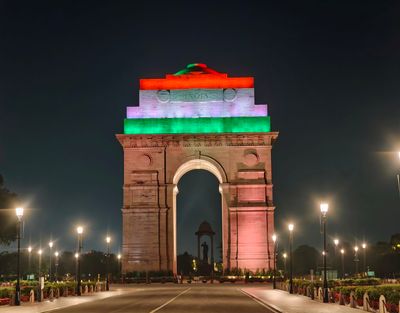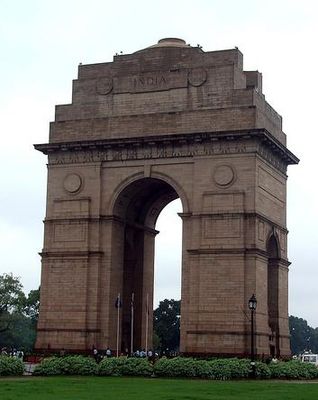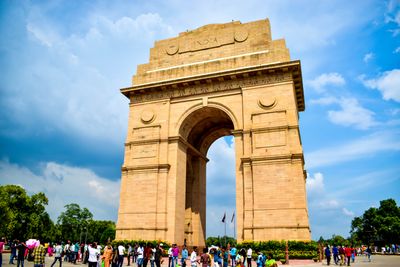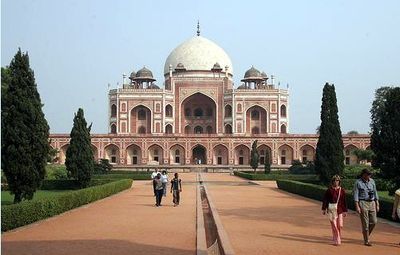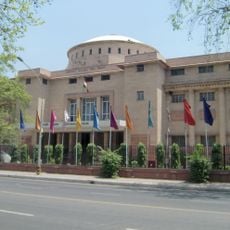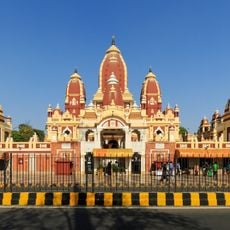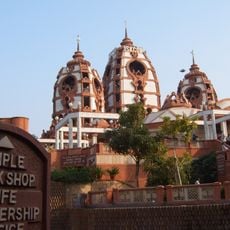
New Delhi, Capital city in Northern India.
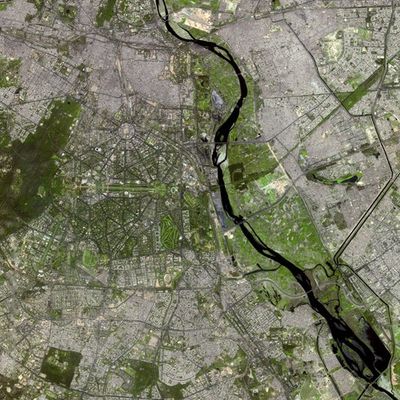
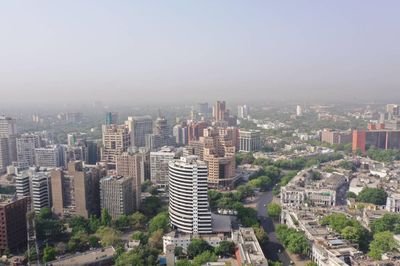
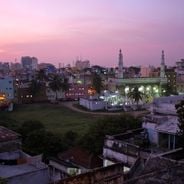
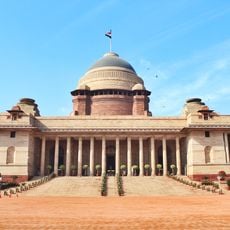
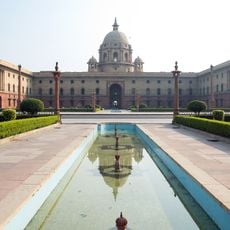
The planned city extends across the Yamuna River plains with wide tree-lined boulevards, administrative buildings and green spaces covering roughly 17 square miles (43 square kilometers). The street network follows a radial and hexagonal grid designed by British architects Edwin Lutyens and Herbert Baker during the colonial era.
The British colonial administration declared the city as the new capital of British India in 1911, relocating the seat of power from Calcutta. The formal inauguration took place in 1931 after twenty years of construction. Following independence in 1947, it became capital of the Republic of India and has undergone massive urban expansion since then.
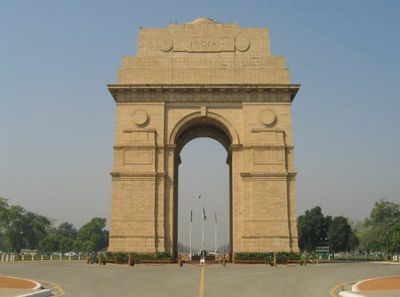
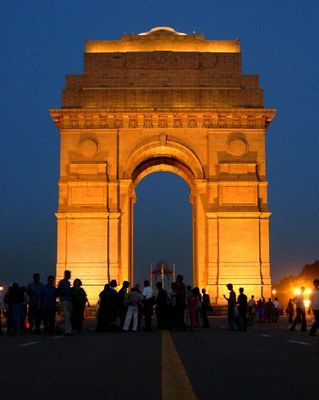
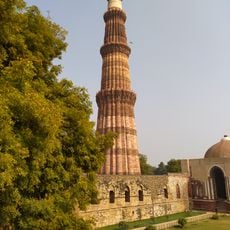
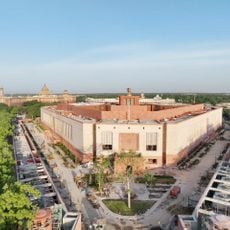
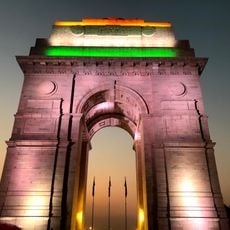
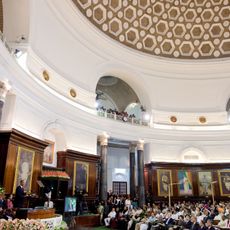
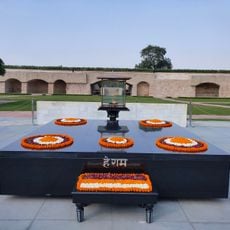
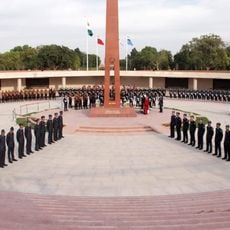
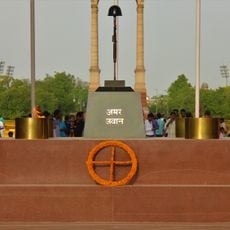
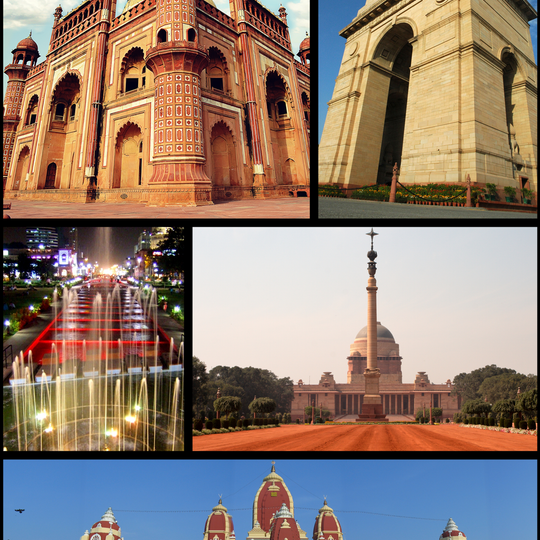
The capital houses Parliament, the Supreme Court and all major federal ministries making daily decisions affecting over one billion citizens. Numerous monuments and public spaces commemorate the independence movement and its leaders, including Mahatma Gandhi and Jawaharlal Nehru, shaping national identity and collective memory.
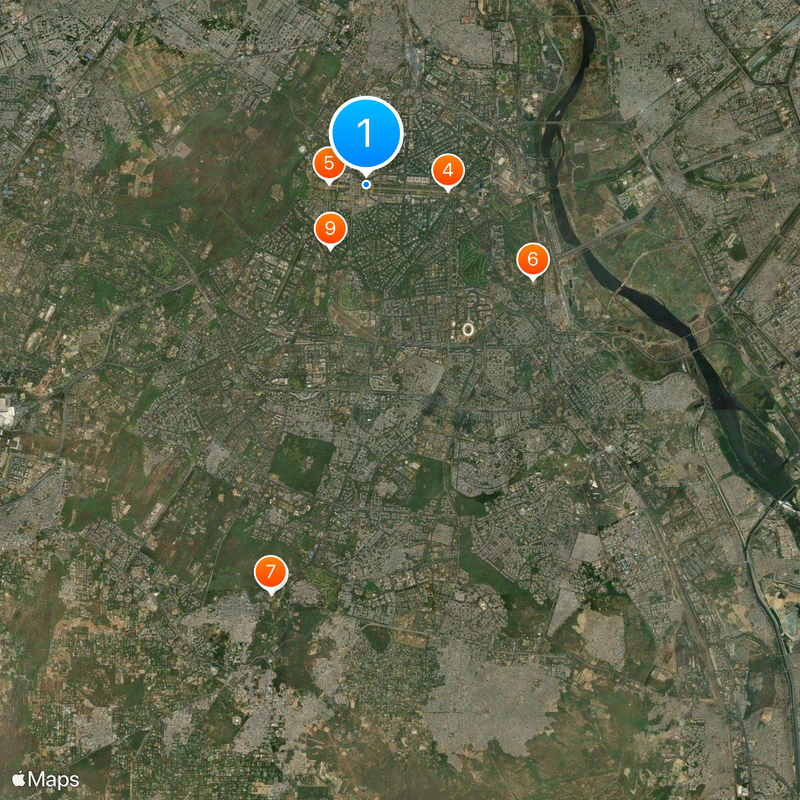
The metro network connects all major districts through six color-coded lines operating from 6 AM to 11 PM with trains arriving roughly every three minutes. Indira Gandhi International Airport sits 10 miles (16 kilometers) southwest, offering flights to major cities worldwide. The best visiting period runs from October through March, when temperatures remain moderate.
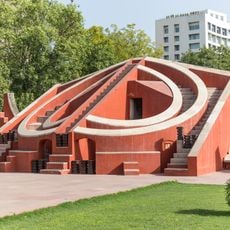
Jantar Mantar, built in 1724, contains 13 astronomical instruments made of stone and brass that measure solar positions and planetary movements without optical aids. The structure includes a massive sundial standing 75 feet (23 meters) tall, capable of indicating time to an accuracy of two seconds.
The community of curious travelers
AroundUs brings together thousands of curated places, local tips, and hidden gems, enriched daily by 90,798 contributors worldwide.