Feroz Shah Kotla, Medieval fortress in Central Delhi, India
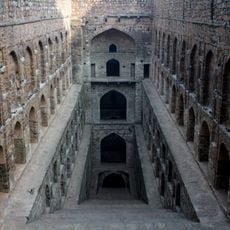
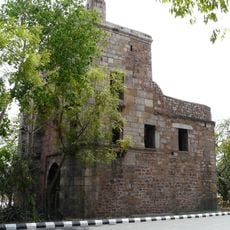
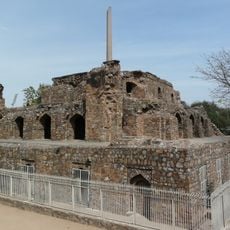
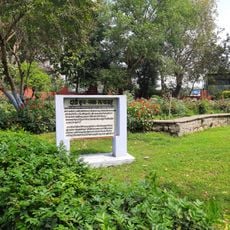
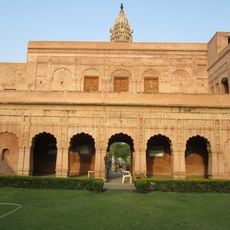
Feroz Shah Kotla is a fortress begun around 1354 by Feroz Shah Tughlaq as the citadel of his new city, Firozabad. Its surviving walls are built of irregular brown, tan and grey stone set in mortar, rising in two joined sections: a lower stretch with a broken top edge and a taller curved parapet with a flat rim. Narrow vertical slits pierce both sections, and a small dark sign on two poles stands at the lower left front. Within the complex are the Jami Masjid, a baoli and a garden, and the 13.1-metre polished sandstone Ashokan pillar stands north of the mosque on a three-tiered arcaded pavilion.
The fortress emerged in the mid-14th century as part of a new city foundation built under the Tughlaq ruler. The complex served as a royal center and at times housed a very large population in the surrounding settlement.
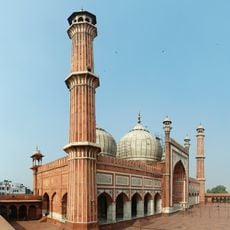
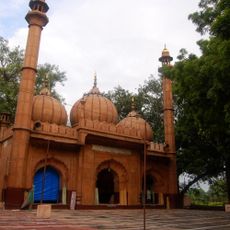
Kotla means "fortress" or "citadel", and the site is also called Firozabad after the city Feroz Shah Tughlaq founded in 1354. The Jami Masjid inside is still in use; Timur prayed there in 1398 and later had a mosque built in Samarkand imitating its design. In 1759 the Mughal prime minister Imad ul Mulk had Emperor Alamgir II murdered at this mosque.
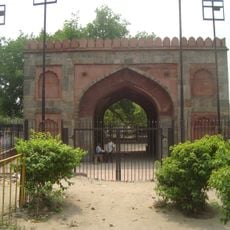
The Jami Masjid entrance is on the northern side, linked by a causeway to the Ashokan pillar's three-tiered arcaded pavilion, so the mosque and pillar can be seen in one walk. Much of the surrounding fort was dismantled by later rulers for reused stone, so expect fragmentary walls rather than a complete circuit.
An ancient sandstone pillar was brought here and still stands inside the complex after being transported from a distant region. This monument dates from a time long before the fortress itself was built.
The community of curious travelers
AroundUs brings together thousands of curated places, local tips, and hidden gems, enriched daily by 93,249 contributors worldwide.