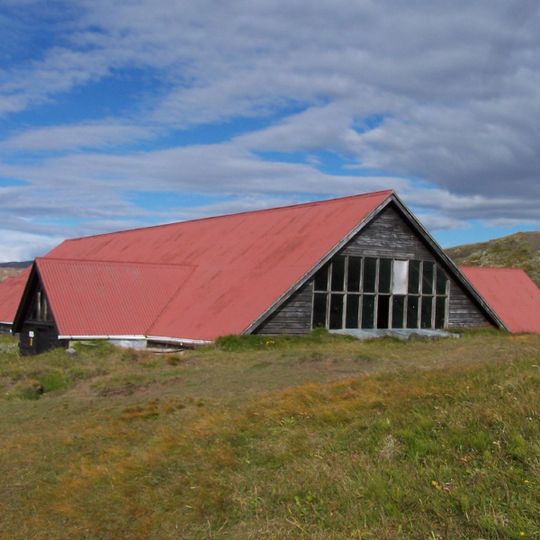
Þjóðveldisbærinn Stöng, Archaeological site in Skeiða- og Gnúpverjahreppur, Iceland
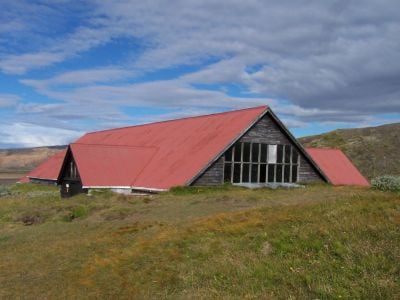
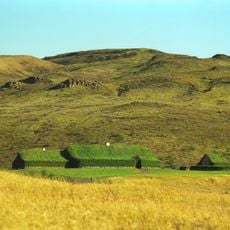
Stöng is a reconstructed Viking Age farmstead with original stone foundations and traditional turf-roofed buildings. The site includes a central longhouse and outbuildings arranged to show how settlers organized their working and living spaces.
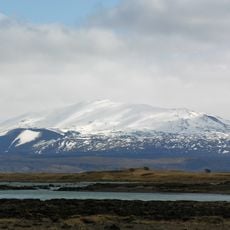
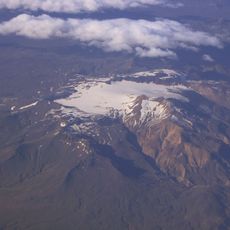
The settlement began around 1000 AD and was buried by volcanic ash from Mount Hekla in 1104. Excavations in 1939 uncovered the site and revealed evidence of everyday life during Iceland's early medieval period.
The reconstructed buildings show how Norse families organized their homes, with shared spaces for people and animals arranged around a central fire. The grass-roofed design reflects practical solutions that Icelandic settlers developed for their harsh climate.
The site is accessible during summer months via gravel roads, with guided tours explaining the layout and living conditions. Wear sturdy shoes and be prepared for changeable weather and muddy ground.
The site displays both the original stone foundations from excavations and a modern reconstruction built to mark 1100 years of Icelandic settlement. This combination lets visitors see actual archaeological remains alongside how historians imagine the structures once looked.
The community of curious travelers
AroundUs brings together thousands of curated places, local tips, and hidden gems, enriched daily by 91,249 contributors worldwide.