Great Geysir, Hot spring in Haukadalur Valley, Iceland
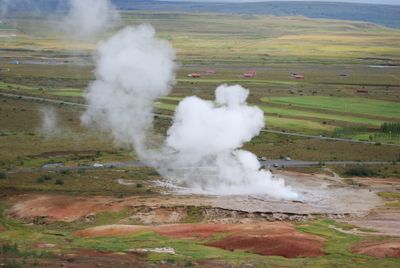
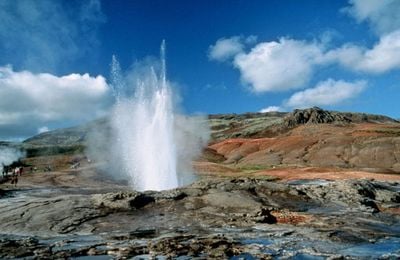
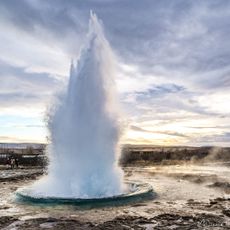
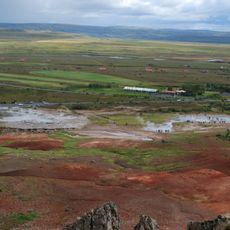
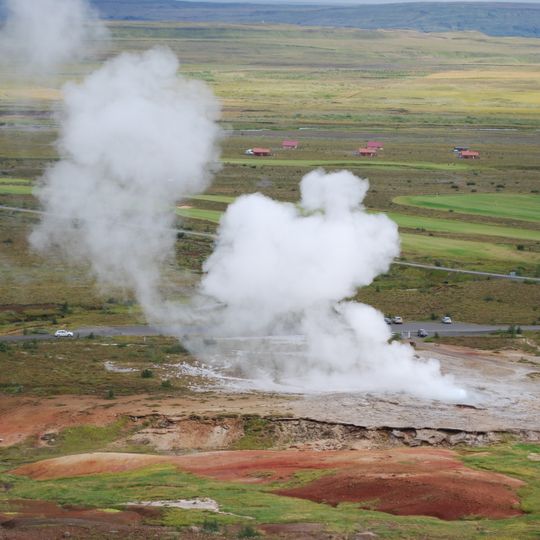
Great Geysir is a hot spring in Haukadalur Valley in Bláskógabyggð, Iceland, that sends columns of boiling water up to 60 meters (about 200 feet) high through thermal activity. The geothermal field around it holds about thirty different thermal features, including fumaroles that release steam and sulfurous gases.
The first known written mention dates from 1647, when travelers described the hot springs of the valley. An earthquake in 1896 caused increased eruptions that sent water columns as high as 80 meters (about 260 feet) into the air.
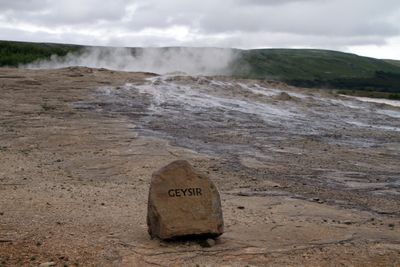
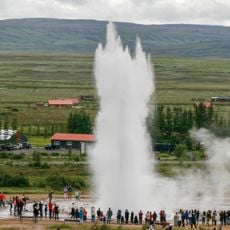
The Icelandic verb geysa means to gush or spurt, and this hot spring gave its name to all similar formations around the world. Visitors today mostly watch the nearby Strokkur, which regularly throws water columns into the air, while the great spring itself erupts only rarely.
The geothermal area is freely accessible all year round and sits about a two-hour drive from Reykjavík. The paths around the hot springs are marked, but the stones can become slippery when wet.
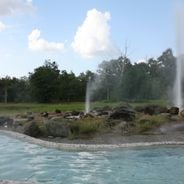
The fumaroles leave yellow sulfur deposits on the rocks around the springs, which can appear orange or greenish depending on the light. Some thermal springs form shallow pools of turquoise water that, despite the appealing color, are close to boiling temperature.
Location: Bláskógabyggð
Part of: Geysir geothermal field
GPS coordinates: 64.31384,-20.29951
Latest update: December 4, 2025 23:44
Geysers represent some of the most visible expressions of hydrothermal activity, occurring where underground water reservoirs are heated by magmatic sources. Yellowstone National Park in Wyoming holds more than half of the world's known geysers, including Old Faithful with its reliable eruptions every 90 minutes and Steamboat, the tallest active geyser on Earth. Iceland offers the Haukadalur Valley, home to the namesake Geysir and Strokkur, which erupts every few minutes. The high plateau of El Tatio in Chile sits at 14,100 feet (4,300 meters) and forms the highest elevation geyser field in the world. Other notable locations include the Whakarewarewa thermal area in Rotorua on New Zealand's North Island, where the Pohutu geyser performs regularly, and the Valley of Geysers in Russia's Kamchatka Peninsula. These sites demonstrate the ongoing volcanic activity beneath the Earth's surface and attract visitors interested in observing natural thermal phenomena. Eruption patterns vary in frequency and intensity, with some geysers following predictable schedules while others remain irregular.
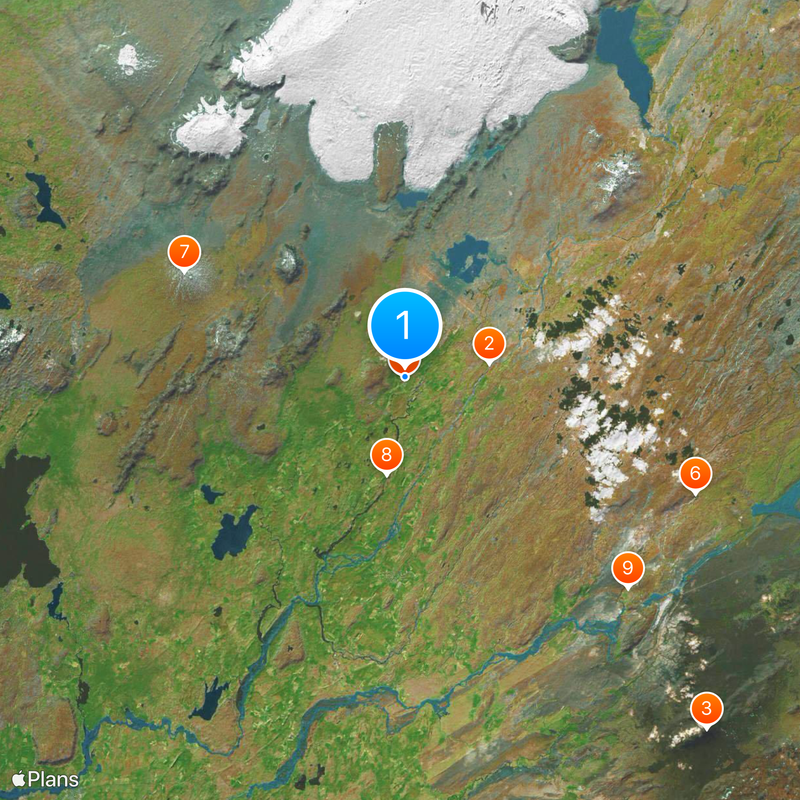
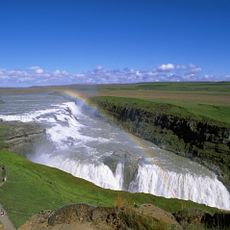
Gullfoss
8.7 km
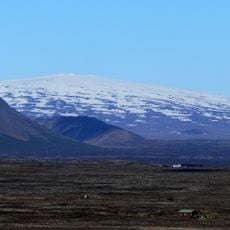
Hekla
47.2 km
Strokkur
142 m
Strokkur
141 m
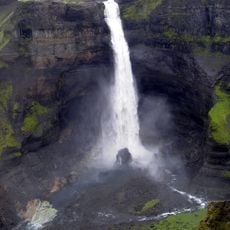
Háifoss
31.9 km
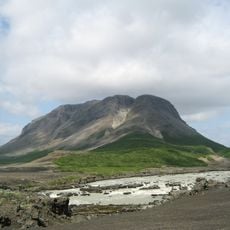
Skjaldbreiður
24.7 km
Faxi
10 km
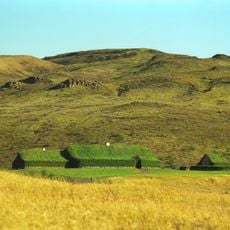
Þjóðveldisbærinn Stöng
31.3 km
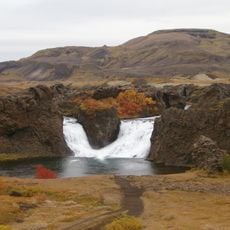
Hjálparfoss
32.3 km
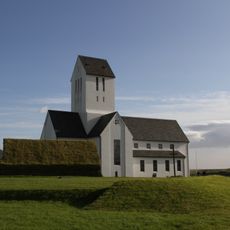
Skálholt church
23.6 km
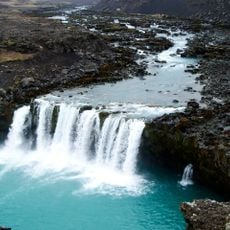
Þjófafoss
35.5 km
Geysir geothermal field
319 m
Búrfell
35 km
Þjóðveldisbærinn Stöng
32 km
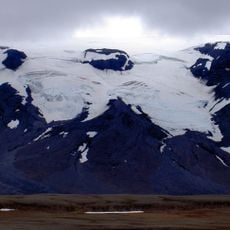
Þórisjökull
32.3 km
Prestahnúkur
34.6 km
Hlöðufell
16.3 km
Brúarfoss
11.8 km
Geitlandsjökull
35 km
Granni Waterfall
32 km
Hestfjall
37.5 km
Hrafnabjörg
30.4 km
Lyngdalsheiði
33.8 km
Vörðufell
28.7 km
Tintron
33.3 km
Tröllkonuhlaup
35.9 km
Mosfellskirkja
25.5 km
Iðubrú
24.8 kmReviews
Real people, real opinions — but not verified.
Visited this place? Tap the stars to rate it and share your experience / photos with the community! Try now! You can cancel it anytime.
A beautiful site where one patiently waits for the Geyser to emerge from its stupor. Very impressive!
Discover hidden gems everywhere you go!
From secret cafés to breathtaking viewpoints, skip the crowded tourist spots and find places that match your style. Our app makes it easy with voice search, smart filtering, route optimization, and insider tips from travelers worldwide. Download now for the complete mobile experience.
A unique approach to discovering new places❞
— Le Figaro
All the places worth exploring❞
— France Info
A tailor-made excursion in just a few clicks❞
— 20 Minutes