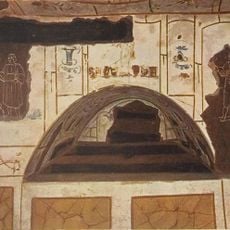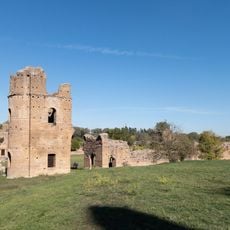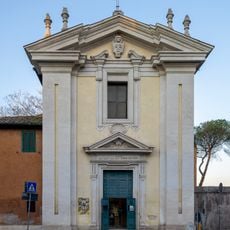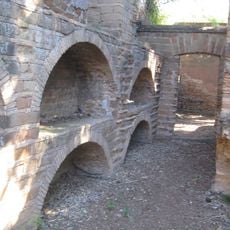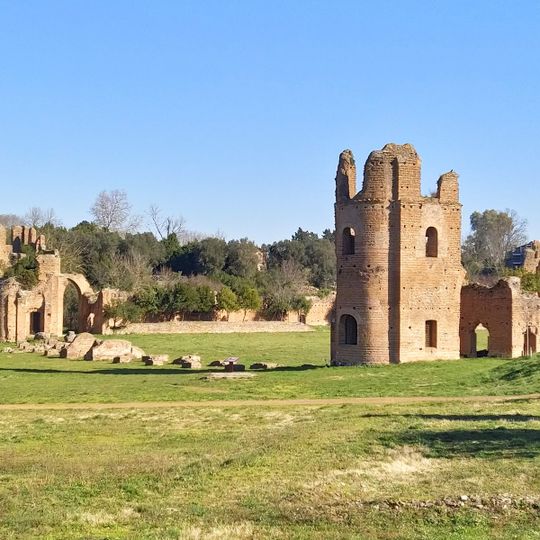
Park of the Caffarella, Historic park in Rome, Italy.
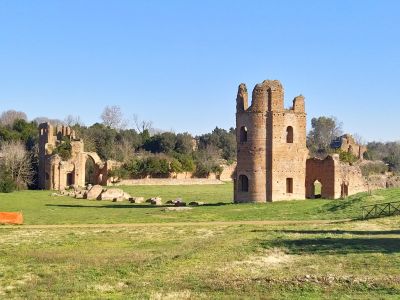
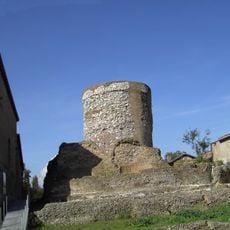
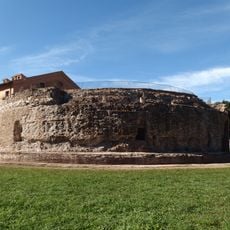
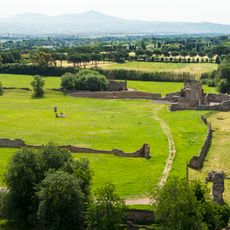
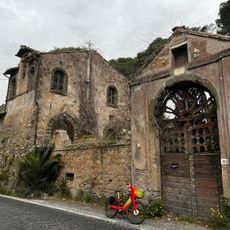
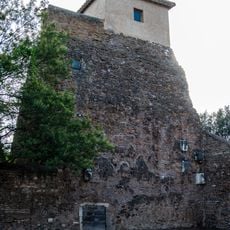
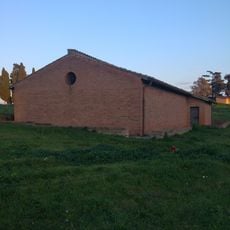
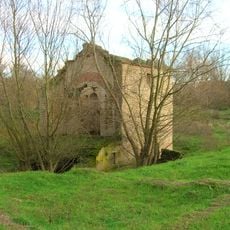
The Park of the Caffarella is a large green space in Rome stretching between the Aurelian Walls and Via Latina, mixing open fields with scattered Roman ruins and ancient monuments. A network of interconnected paths weaves through the landscape, inviting visitors to explore on foot or by bicycle.
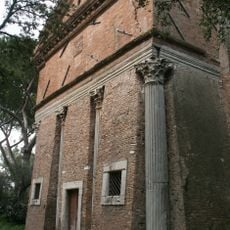
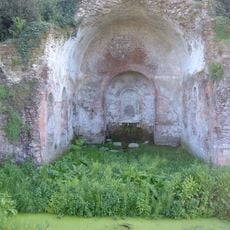
In the 2nd century AD the land belonged to the estate of Herodes Atticus, a Greek who became a Roman senator through his marriage to Annia Regilla; two ruins date from that time, the tomb of Annia Regilla and the Nympheum of Egeria. The modern name comes from the Caffarelli family, which farmed here in the 16th century; the Pallavicini and then the Torlonia owned it, the latter from 1816. In the mid-20th century popular campaigns saved it from urban expansion and it was incorporated into the Appian Way Regional Park.
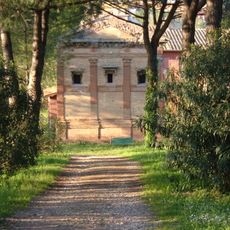
The park's name comes from the Caffarelli family, who combined the existing estates in the 16th century. The so-called Temple of Rediculus is actually the tomb of Annia Regilla, wrongly linked by scholars to the god honoured at the start and end of journeys. In the Middle Ages the building served as a hayloft for a nearby farmhouse.
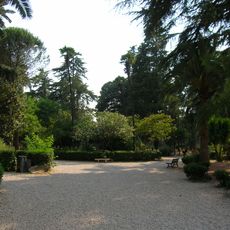
The park can be entered from several points along Via Latina and the Appian Way, with broad pathways suitable for walkers and cyclists of all abilities. Early morning and late afternoon visits are more pleasant since the space is less crowded and temperatures are cooler.
The Nympheum of Egeria was built by Herodes Atticus after he was cleared of the murder of his wife Annia Regilla; water still springs from the rear beneath a headless reclining statue of the god Almo, personifying the Almone river. The brickwork dates the structure to the mid-2nd century AD, and the Roman writer Valerius Antias mentions it.
The community of curious travelers
AroundUs brings together thousands of curated places, local tips, and hidden gems, enriched daily by 92,749 contributors worldwide.