Hypogeum of Vibia, Underground burial complex along Via Appia Antica, Rome, Italy
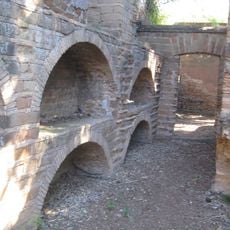
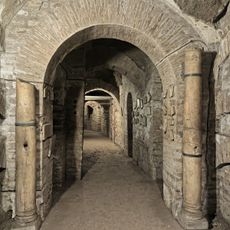
The Hypogeum of Vibia is a private pagan burial complex on the left side of Via Appia Antica, about 1.5 km outside the Aurelian Walls. A 25-metre stairway descends from the original entrance to a well, with three galleries carved in the bedrock and the main burials 7 to 9 metres down. The central gallery holds the arcosolium of Vibia and Vincentius; a square chamber nearby has four tufa columns cut in its corners supporting a cross-vault.
The hypogeum was carved around 350 CE and rediscovered in 1754 by Giovanni Gaetano Bottari, who published its paintings. In 1842–1847 Giuseppe Marchi reexamined the site, sparking debate about pagan and Christian tombs sharing a cemetery. Enrico Stevenson later showed the complex comprised eight private hypogea linked over time, and Antonio Ferrua excavated it in 1951–1952.
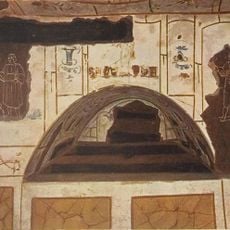
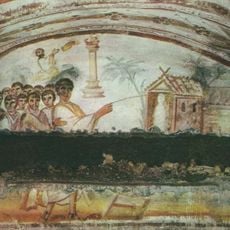
The painted walls show mythological scenes, particularly Vibia portrayed as Proserpina being carried away by Pluto, along with inscriptions and depictions of banquets. These images reveal the religious beliefs that mattered to the family and how they expressed their faith through art.
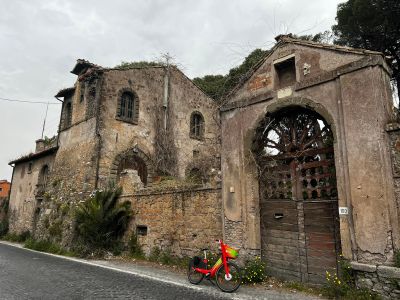
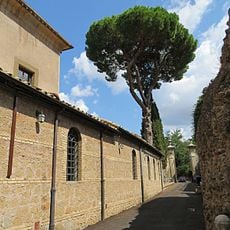
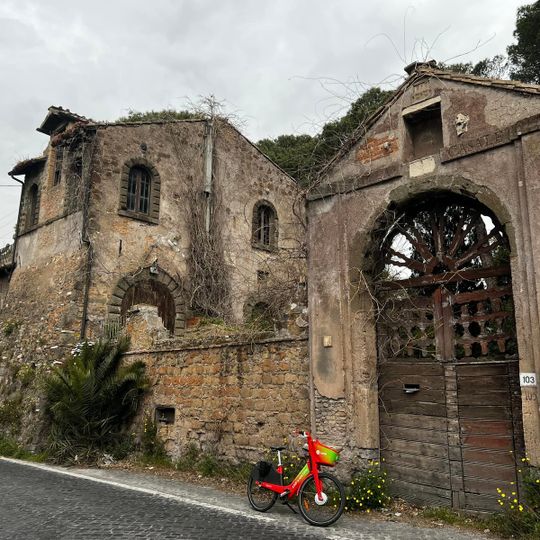
The entrance is at 101 Via Appia Antica, on the left side of the road about 1.5 km beyond the Porta San Sebastiano; in antiquity a side lane led to it. The galleries descend from a 25-metre stairway to a well, with the main burials 7 to 9 metres below the surface. The Catacomb of Callixtus lies about 250 metres to the south-west, across the Via Appia.
The arcosolium opposite Vibia's holds a nude Venus flanked by four figures; one armed figure beside her is read as the miles, or soldier, grade of Mithraic initiation. The dead person's name there is unknown, and the neighbouring niche names Caricus, a priest of Mithras.
The community of curious travelers
AroundUs brings together thousands of curated places, local tips, and hidden gems, enriched daily by 93,778 contributors worldwide.