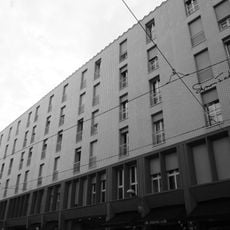
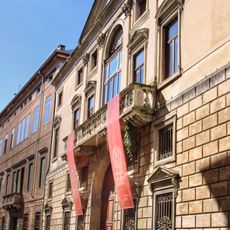
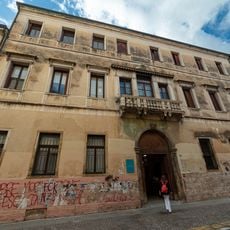
Palazzo Zabarella, Medieval exhibition palace in Padua, Italy.
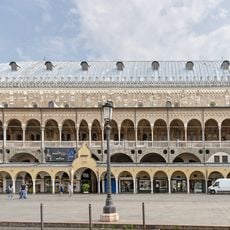
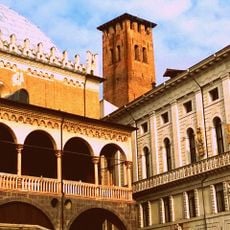
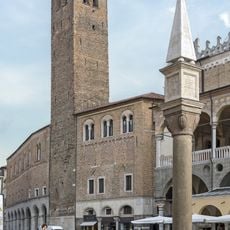
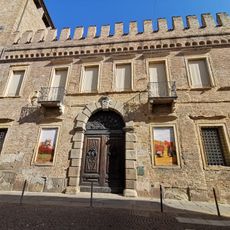
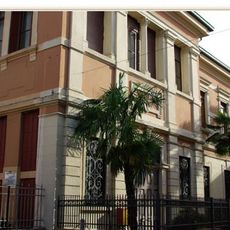
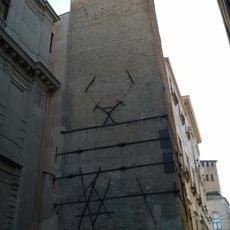
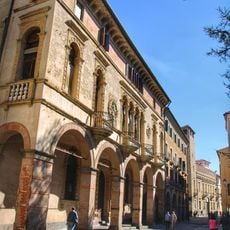
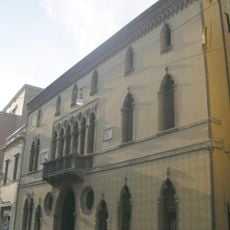
Palazzo Zabarella is a medieval palace in Padua featuring a crenellated roofline and corner tower that blends fortress architecture with refined interior spaces. Inside, elaborate frescoes and decorative elements adorn the rooms throughout the structure.
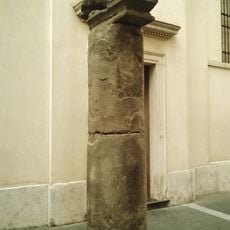
Palazzo Zabarella stands on a site occupied since before the Roman era; excavations in 1995–1996 found a cippus with a decussis from the late 5th to early 4th century BC. A Roman domus with frescoed plaster and mosaic floors followed between the 2nd and 1st centuries BC. The original palace was built in the 11th century over Roman structures, and the tower and palace took their present form between the 12th and early 13th century.
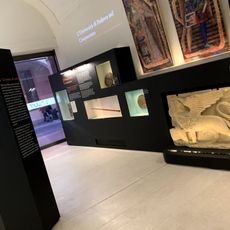
The palace takes its name from the Zabarella family, who held it for about four centuries after buying it from the Da Carrara between 1388 and 1405. Since 1996 it has housed the Fondazione Bano, founded by Paduan entrepreneur Federico Bano, which organizes exhibitions of 19th- and 20th-century Italian art.
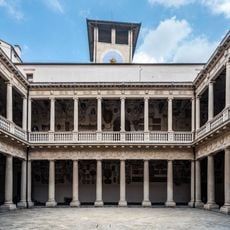
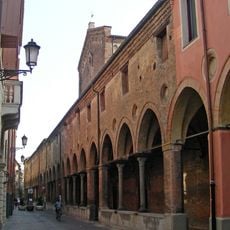
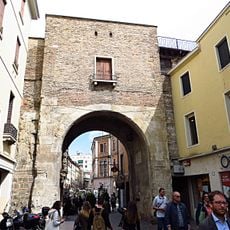
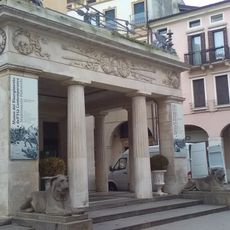
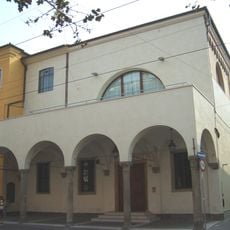
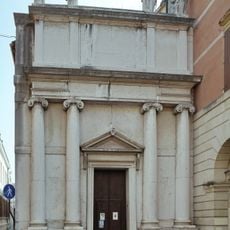
The palace stands at Via San Francesco 27, at the corner with Via Zabarella, near the old Porta San Lorenzo. The exhibition spaces occupy the restored medieval and later wings, entered through the large atrium built in 1818–19. Visitors should check current exhibition information before planning a visit, as the building is used for temporary shows.
The 1818-19 refurbishment by Daniele Danieletti added a large entrance atrium, and the fresco decoration was entrusted to Francesco Hayez, Giuseppe Borsato and Giovanni Carlo Bevilacqua. Look for their work in the rooms on the piano nobile.
The community of curious travelers
AroundUs brings together thousands of curated places, local tips, and hidden gems, enriched daily by 94,411 contributors worldwide.