Porta Altinate, Medieval city gate in Padua, Italy
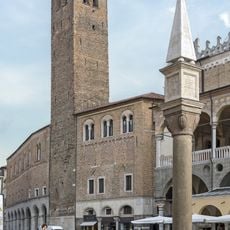
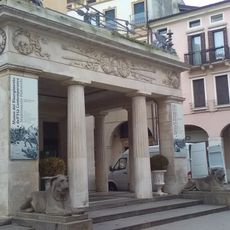
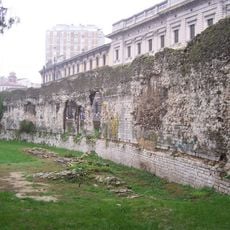
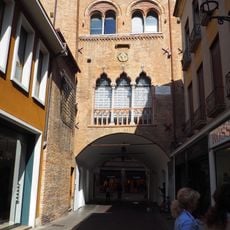
Porta Altinate is a stone triumphal arch with a brick tower above it, its upper section lost by the 17th century. The outer arch is decorated with mouldings imitating ancient gateways. It stands on the first pier of the Roman Ponte Altinate, now buried with the Naviglio Interno under Via Riviera dei Ponti Romani. The short walls flanking it are the only surviving stretches of Padua's communal walls after the demolitions of the 1960s and 1970s.
The gate was originally built in the 12th century and was reconstructed in 1286 after crusaders destroyed it during conflicts with Ezzelino III da Romano. This rebuilding phase shows the gate's strategic importance for Padua during medieval power struggles.
The gate, the bridge and the eastern suburb all take their name from Altino, a municipium at the mouth of the Sile towards which the Via Altinate led, laid out on the ancient Via Annia. From the 20th century the gate became a busy pedestrian passage towards Piazza dei Noli, later named Garibaldi.
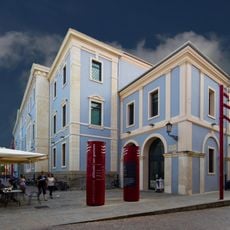
The gate is easy to reach and sits at a busy street corner leading toward Piazza Garibaldi and the main shopping district of Padua. The location makes it simple to explore the area on foot, as you can head directly into different parts of the old city from here.
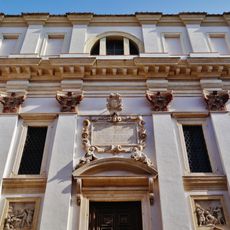
The baroque monument to Alvise Pisani, Captain of Padua in 1686–1687 and later Doge of Venice, was commissioned by the Collegio degli Studenti Artisti dello Studio Patavino. Its St Mark's Lion was chiselled away in the Napoleonic era, leaving visible traces of that reworking.
The community of curious travelers
AroundUs brings together thousands of curated places, local tips, and hidden gems, enriched daily by 92,953 contributors worldwide.