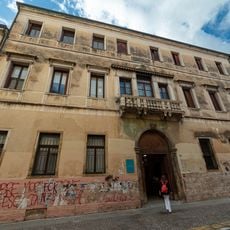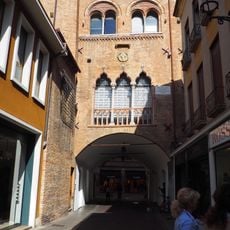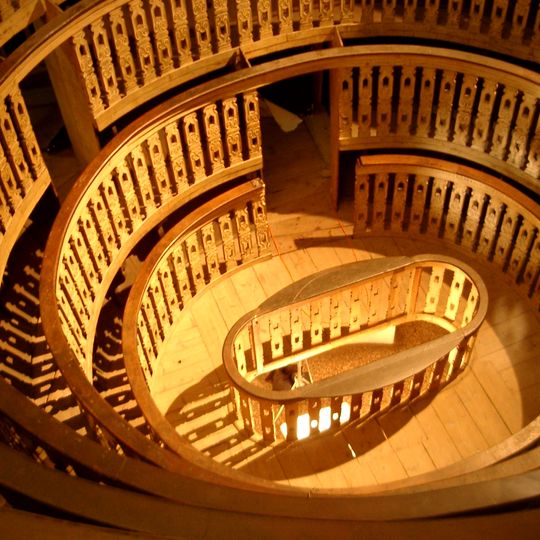
Anatomical theatre of Padua, Anatomical theatre in Palazzo Bo, Italy
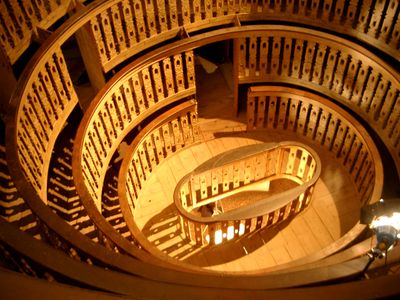
The Anatomical Theatre of Padua is a six-tiered wooden amphitheater with elliptical balconies arranged vertically around a central dissection table. The structure provides optimal viewing angles for numerous spectators to observe medical procedures.
The structure was completed in 1595 under Girolamo Fabrici D'Acquapendente and served medical students as a teaching facility until 1872. Its design represented a turning point in medical education by enabling systematic instruction through carefully planned viewing arrangements.
The place reflects Renaissance beliefs about medical learning, expressed through a Latin phrase at the entrance suggesting that the dead serve the living. Walking through the space today, you can sense how this philosophy shaped the entire design.
The space accommodates roughly 250 people across multiple levels, with natural light entering through an opening in the ceiling for clear visibility. When visiting, take time to explore how the geometric arrangement of the balconies changes your perspective from different positions.
The building was constructed from different wood types, including larch, Norway spruce, and walnut, fitted together in a telescope-like arrangement. These carefully selected materials helped keep the structure stable and functional across the centuries.
The community of curious travelers
AroundUs brings together thousands of curated places, local tips, and hidden gems, enriched daily by 60,000 contributors worldwide.