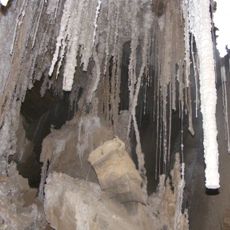
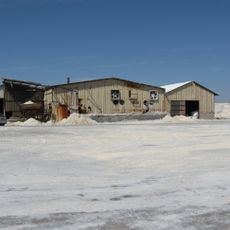
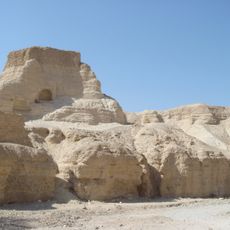
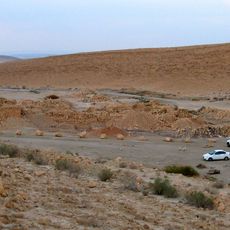
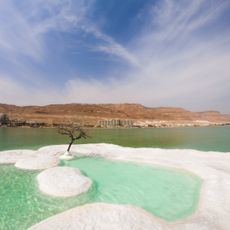
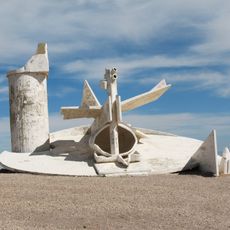
كهف النبي لوط, Religious cave near Dead Sea, Jordan
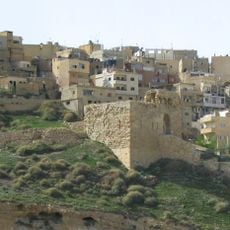
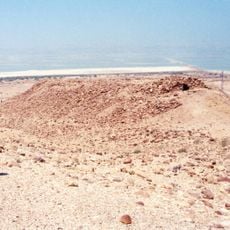
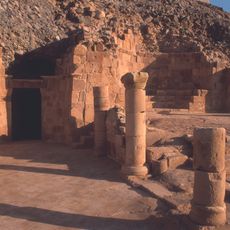
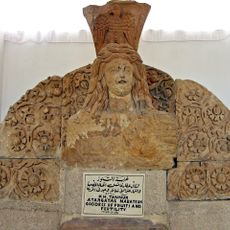
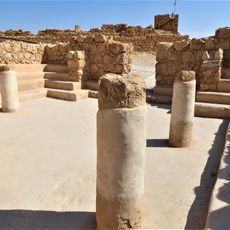
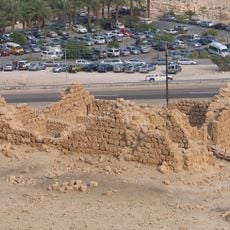
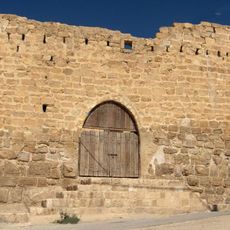
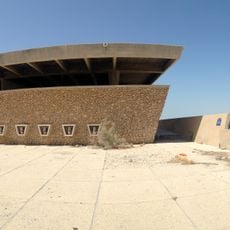
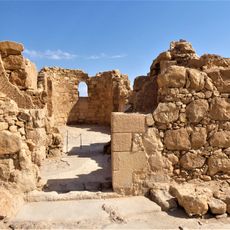
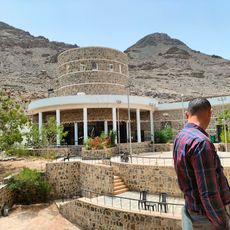
The cave sits on a mountainside overlooking Ghor Al-Safi town in eastern Karak and holds the remains of a Byzantine church within its structure. Inside are mosaic floors, religious inscriptions, and architectural features spanning multiple historical periods.
The cave shows evidence of human settlement from the Early Bronze Age, with archaeological findings revealing continuous use across many centuries. A Byzantine church was built in the 7th century, marking a shift toward formal religious structures at the site.
The site is named after Prophet Lot and holds significance in both Islamic and Christian traditions as a place of spiritual meaning. Visitors today can observe how different faiths recognize and respect this shared religious history.
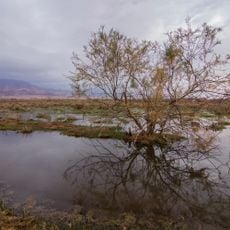
The site sits in mountainous terrain, so visitors should wear sturdy footwear and be prepared for varying air quality inside the cave space. It is wise to check with local authorities beforehand about current access conditions and any restrictions.
The courtyard inside holds mosaic floors decorated with birds, animals, and trees that tell the story of Prophet Lot through art. These mosaic details are rare examples of how religious and artistic expression came together in this region.
The community of curious travelers
AroundUs brings together thousands of curated places, local tips, and hidden gems, enriched daily by 92,791 contributors worldwide.