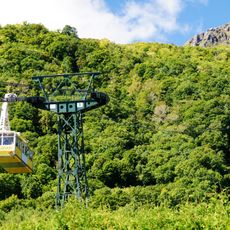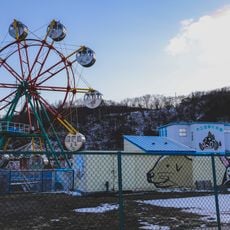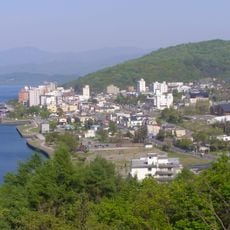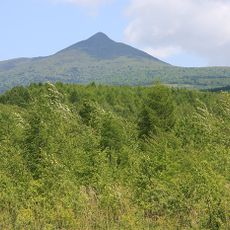
Lake Tōya, Volcanic crater lake in Shikotsu-Toya National Park, Japan.
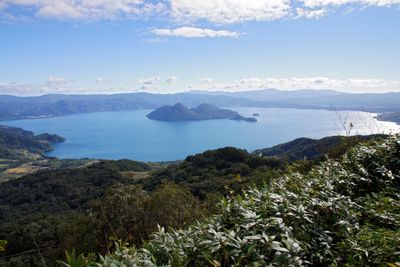
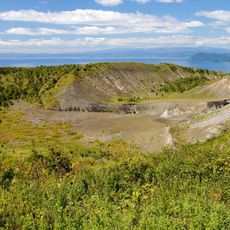
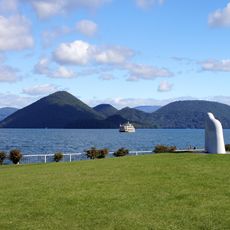
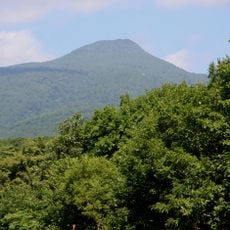
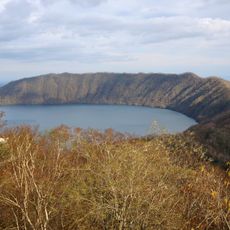
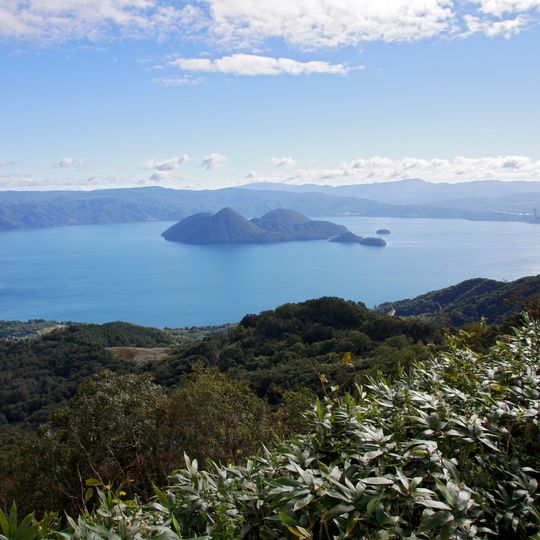
Lake Tōya is a nearly circular caldera lake about 11 km east-west and 9 km north-south, with a maximum depth of 180 m, in Shikotsu-Toya National Park. At its centre lie the four wooded Nakajima islands, formed by lava domes and pyroclastic cones; the highest point, Tōnoshikenupuri on the main island, reaches 455 m. The lake drains through the Sōbetsu River.
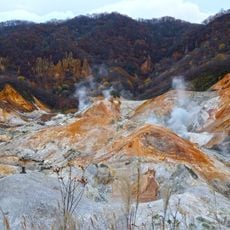
The basin formed 110,000 years ago when a massive volcanic explosion created a crater that filled with water. Later eruptions then shaped the Nakajima Islands in the middle of the basin.
The term comes from the Ainu language and was once called Kim'un-to, until settlers shortened the name to Tōya during the Meiji period. People today walk the islands or visit the shore promenades built to explore the landscape.
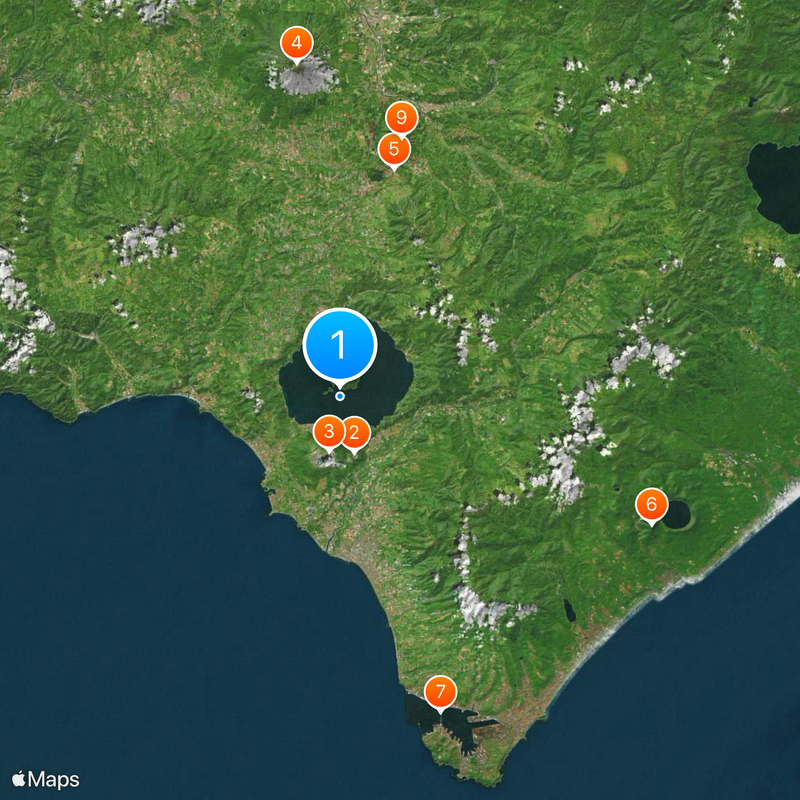
Three prefectural roads circle the lake: Route 2 along the south shore, Route 578 in the northwest and Route 132 on the east side, so the shoreline can be driven in a full loop. Ferries from the hot-spring town reach the Nakajima islands in the middle of the water. The islands have no permanent residents.
Lake Tōya is the northernmost lake in Japan that never freezes over. Its great depth of 180 metres, not a constant depth, is what keeps the water from icing up in winter. The lake is also Japan's sixth-deepest and the third-largest caldera lake in the country.
The community of curious travelers
AroundUs brings together thousands of curated places, local tips, and hidden gems, enriched daily by 92,712 contributors worldwide.