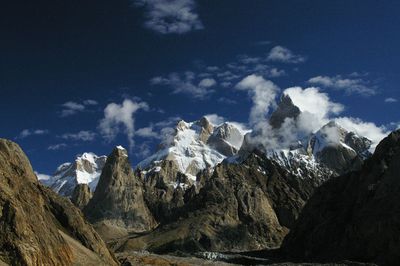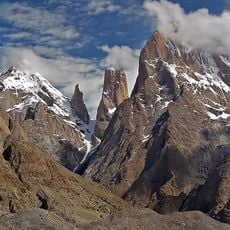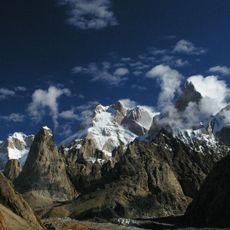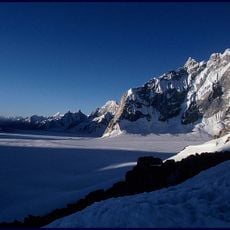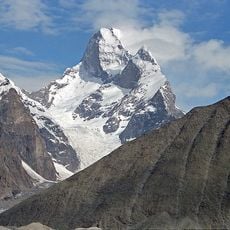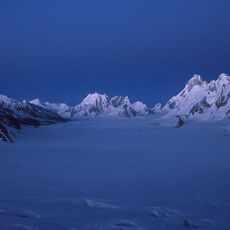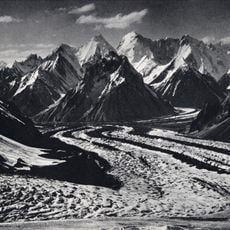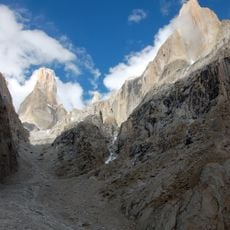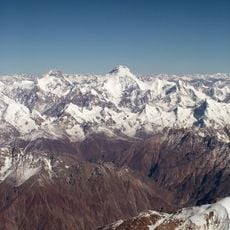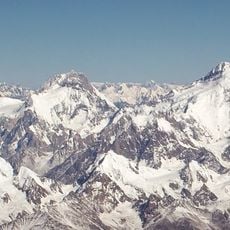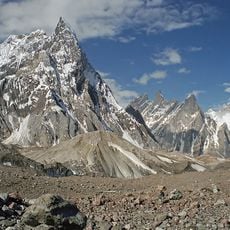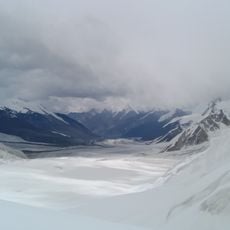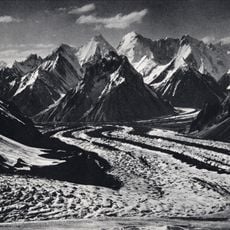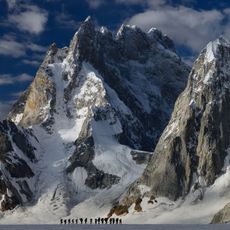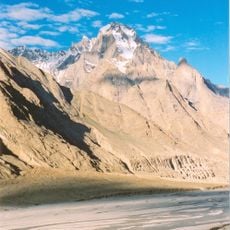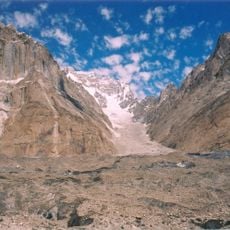
Latok, Mountain peak in Gilgit-Baltistan, Pakistan.
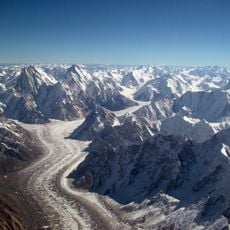
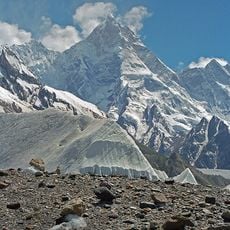
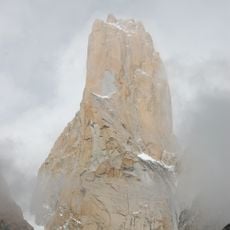
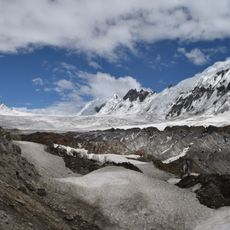
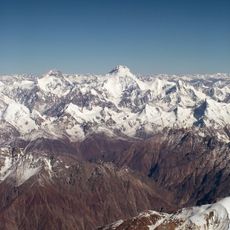
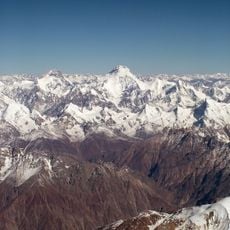
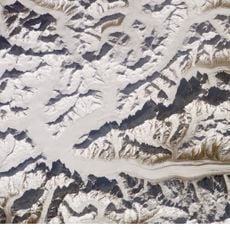
Latok I is a mountain peak in the Panmah Muztagh range of Gilgit-Baltistan, Pakistan, reaching 7,145 meters (23,441 feet) and standing as the highest of a compact group of four summits known collectively as Latok. The group sits deep within a heavily glaciated zone fed by several large glacier systems.
A Japanese team completed the first ascent of Latok I in 1979, reaching the top via the Baintha Lukpar Glacier route. That climb set the benchmark against which all later attempts on the group's other summits have been measured.
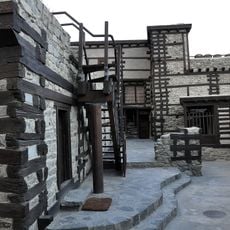
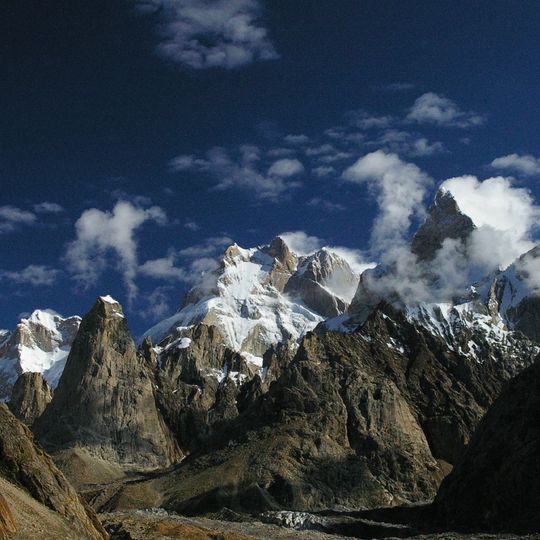
Among climbing communities around the world, Latok I is known as one of the most demanding unclimbed ridges in high-altitude mountaineering. Travelers passing through the region encounter a landscape shaped by towering rock walls and slow-moving glaciers that define daily orientation for locals.
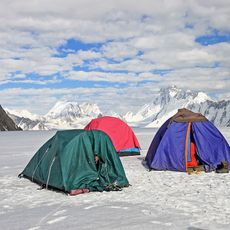
Access to the peak runs through the Biafo Glacier system, which requires thorough preparation and technical gear suited to high-altitude glaciated terrain. The approach is long and exposed, so only experienced mountaineers with solid technical skills should attempt it.
The North Ridge of Latok I has repelled every climbing team since the first serious attempt in 1978, making it one of the longest-standing open problems in high-altitude climbing. The face combines near-vertical rock with sections of poor quality stone, which makes each attempt on it exceptionally dangerous regardless of skill level.
The community of curious travelers
AroundUs brings together thousands of curated places, local tips, and hidden gems, enriched daily by 91,820 contributors worldwide.