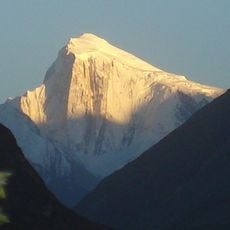
Sosbun Brakk, Mountain summit in Gilgit-Baltistan, Pakistan
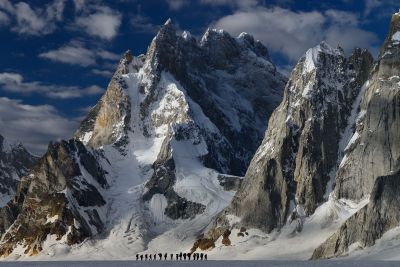
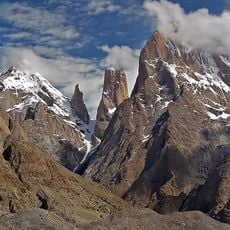
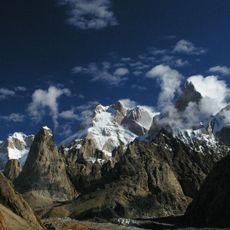
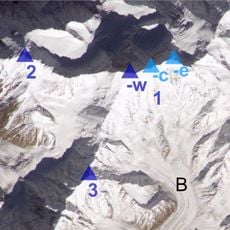
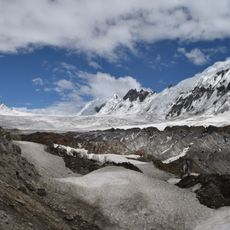
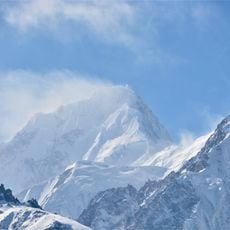
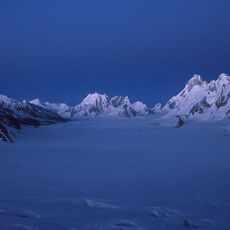
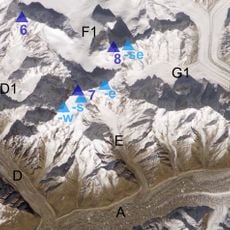
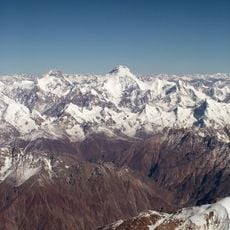
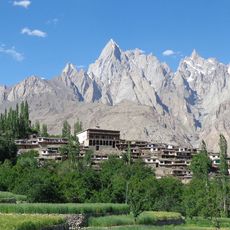
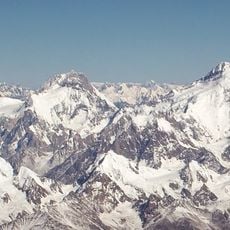
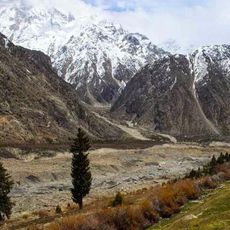
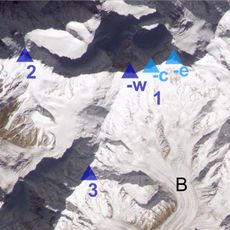
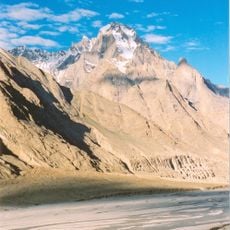
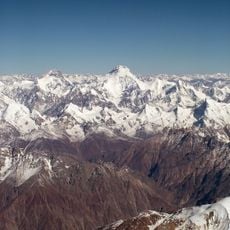
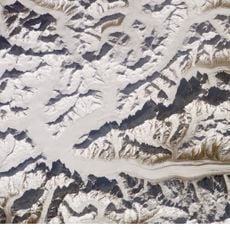
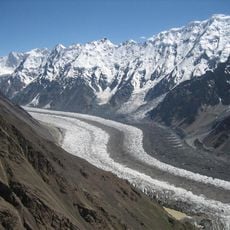
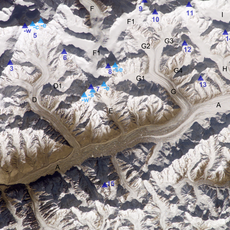
Sosbun Brakk rises to 6,413 meters (21,041 feet) within the Spantik-Sosbun Mountains, a subrange of the Karakoram bounded by the Hispar and Biafo Glaciers. The peak sits where three major glacial systems converge, creating a landscape of ice fields and steep rock formations.
A Japanese team from the Japanese Alpine Club made the first successful ascent on July 4, 1982, after a German expedition failed to reach the summit in 1976. These early attempts highlight how technically demanding the mountain had been for mountaineers of that era.
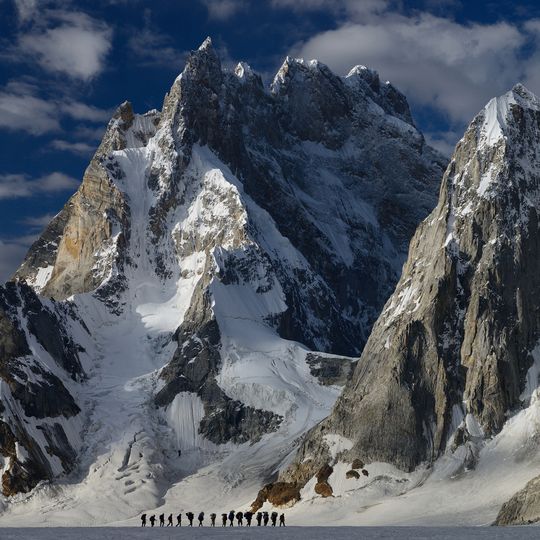
International climbers come here seeking the ultimate test of their mountaineering skills, drawn by the reputation of this remote peak. The mountain has become a destination for those wanting to push themselves in one of the world's most challenging alpine regions.
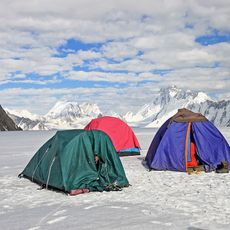
Climbers need extensive high-altitude experience and specialized gear including ice axes, crampons, and rope systems to navigate the technical terrain safely. Summer months offer the best window for attempts, as conditions are more stable and weather patterns more predictable.
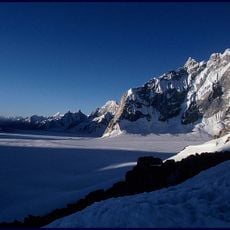
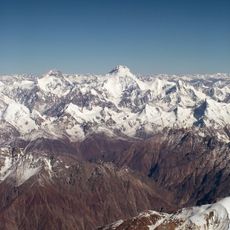
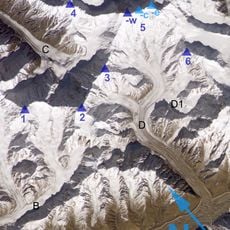
The peak sits where three major glacial systems meet: Hispar, Biafo, and Chogo Lungma, creating a rare geographical meeting point. From the summit on clear days, climbers can see across three separate glacier systems simultaneously, a view few mountaineers ever witness.
The community of curious travelers
AroundUs brings together thousands of curated places, local tips, and hidden gems, enriched daily by 90,899 contributors worldwide.