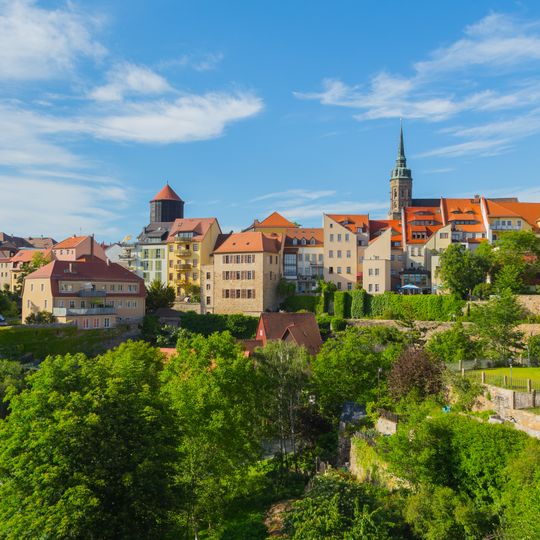
Upper Lusatia, Historical region in eastern Germany
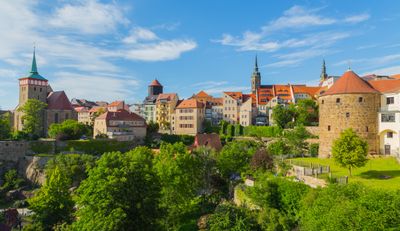
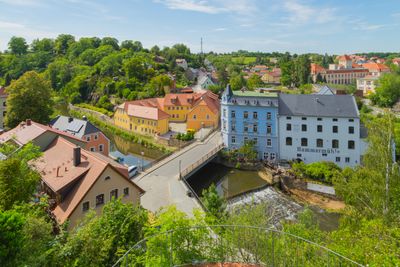
Upper Lusatia is a historical region in eastern Germany that stretches from the Bóbr and Kwisa rivers in the east to the Pulsnitz and Black Elster rivers in the west across Saxony, also covering parts of Brandenburg and the Lower Silesian Voivodeship in Poland. The gently rolling landscape is crossed by several rivers that form broad valleys and fertile plains, while small towns and villages lie scattered among fields and forests.
The region underwent territorial changes during the 19th century under Prussian rule, with the northern part remaining under Saxon administration while other sections transferred to Prussian control. This division influenced the later development of infrastructure and regional identity.
The Sorbian minority keeps its language and customs alive in this region, visible in bilingual town signs and notices across many villages and small towns. This living tradition shows in spoken dialects, festivals, and local associations that still shape everyday life today.
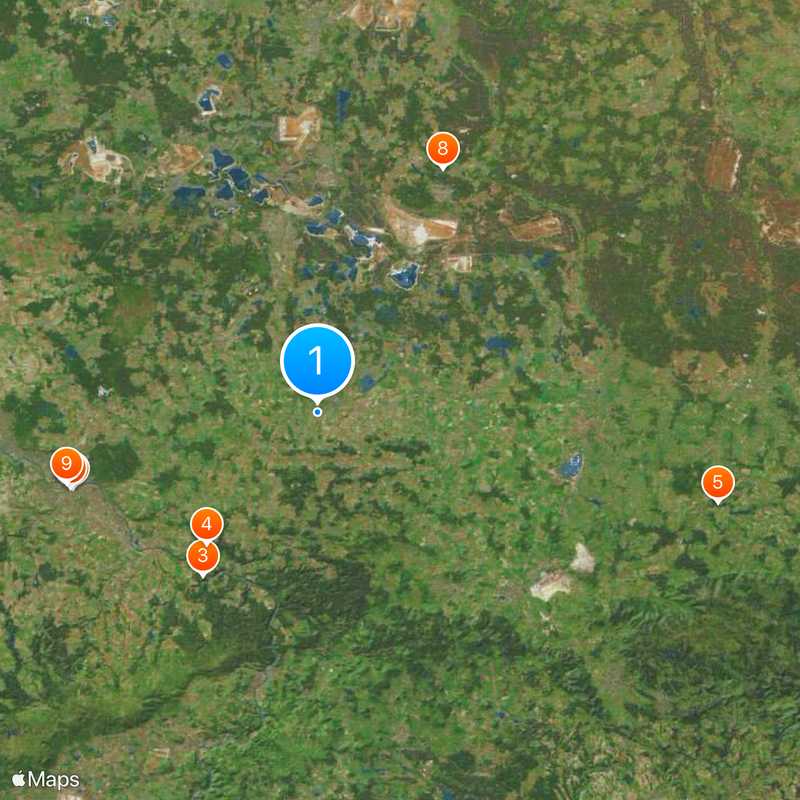
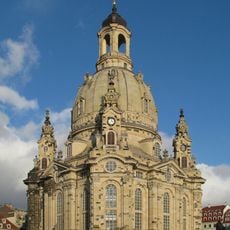
The region is accessible through Dresden airport or regional train services that connect several towns on both sides of the German-Polish border. Most towns lie relatively close together and are easy to explore by car or bus.
The Lusatian Lake District transformed former coal mining areas into recreational spaces with numerous lakes now used for swimming and water sports. The man-made waters have become one of the largest human-created lake landscapes in Europe.
The community of curious travelers
AroundUs brings together thousands of curated places, local tips, and hidden gems, enriched daily by 92,639 contributors worldwide.