Al-Ahsa Oasis, Cultural landscape in Eastern Province, Saudi Arabia
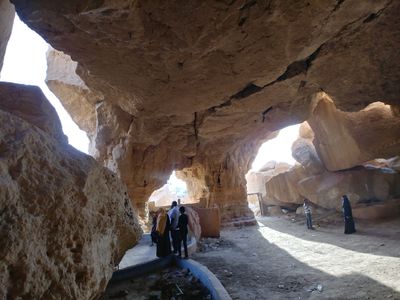
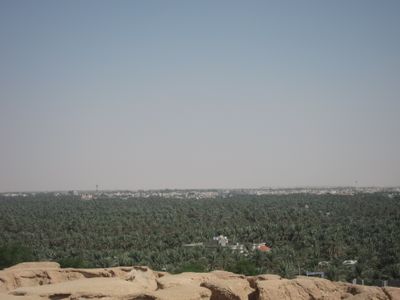
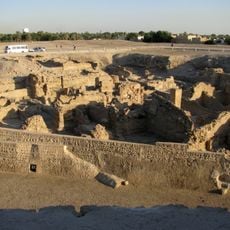
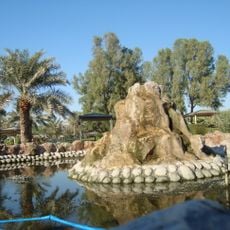
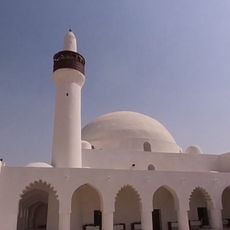
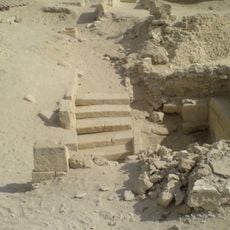
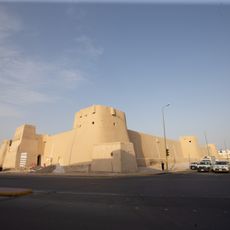
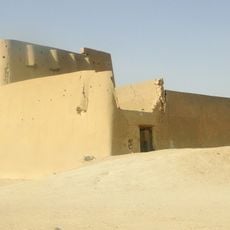
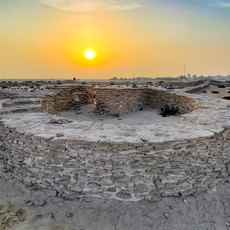
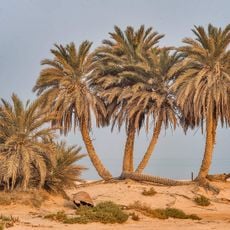
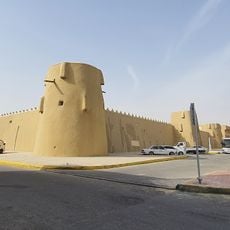
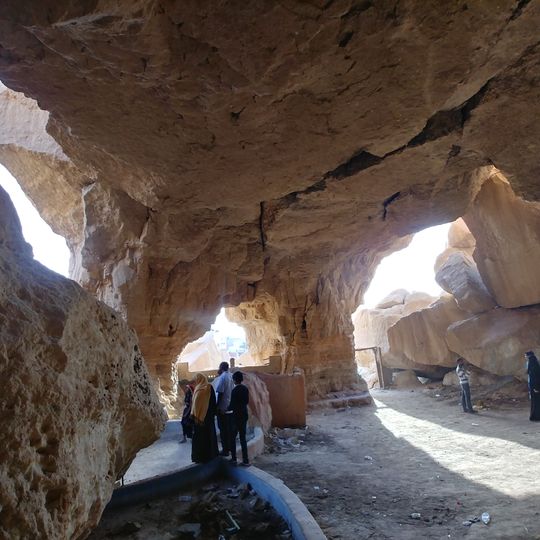
Al-Ahsa is a cultural landscape in Saudi Arabia's Eastern Province with roughly 2.5 million date palms sustained by natural underground water reservoirs and springs. The oasis spreads across a large area with twelve designated visitor sites, including the Qasr Ibrahim fortress and the archaeological remains of Jawatha mosque.
The region gained recognition as an independent state under Qarmatian rule in the 9th century, reaching a population of around 100,000 inhabitants at that time. The underground water systems and irrigation channels still in use today were developed and refined over centuries.
Local artisans produce the traditional bisht here, a ceremonial cloak worn by men across the Arabian Peninsula. Their workshops sit between date groves and irrigation channels, where visitors can watch the making process unfold.
The oasis includes four main cities and twenty-two villages, so visitors need several days to explore the different areas. The central fortress provides the best orientation point, from where you can understand how the date plantations and settlements are laid out.
In 2020 this place received certification as the largest natural oasis in the world, a recognition based on the combination of area, water sources, and centuries-old cultivation. The designation refers to the entire connected cultural landscape, not just a single date grove or city.
The community of curious travelers
AroundUs brings together thousands of curated places, local tips, and hidden gems, enriched daily by 90,758 contributors worldwide.