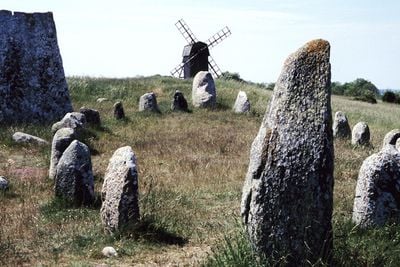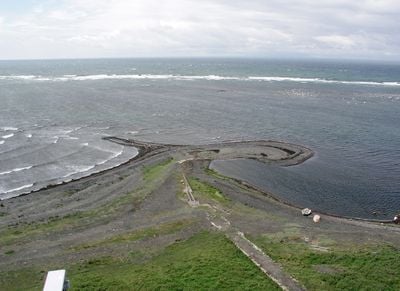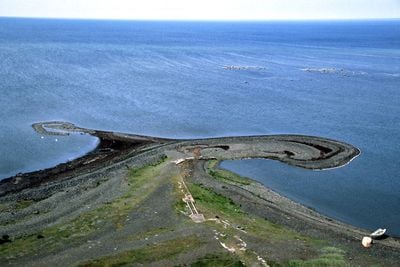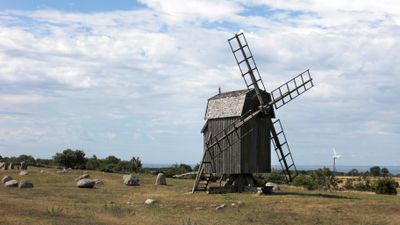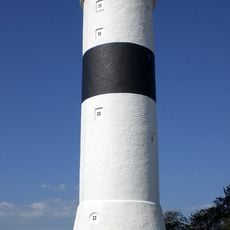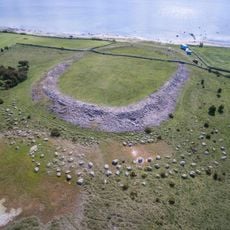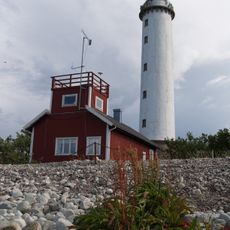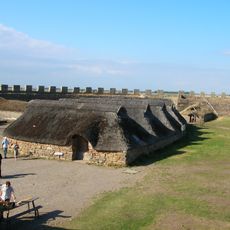
Öland, Island in Baltic Sea, Sweden
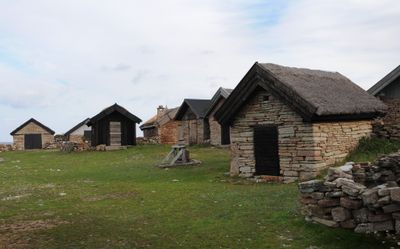
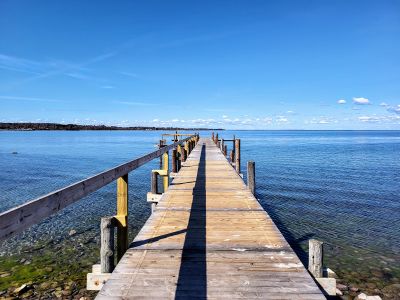
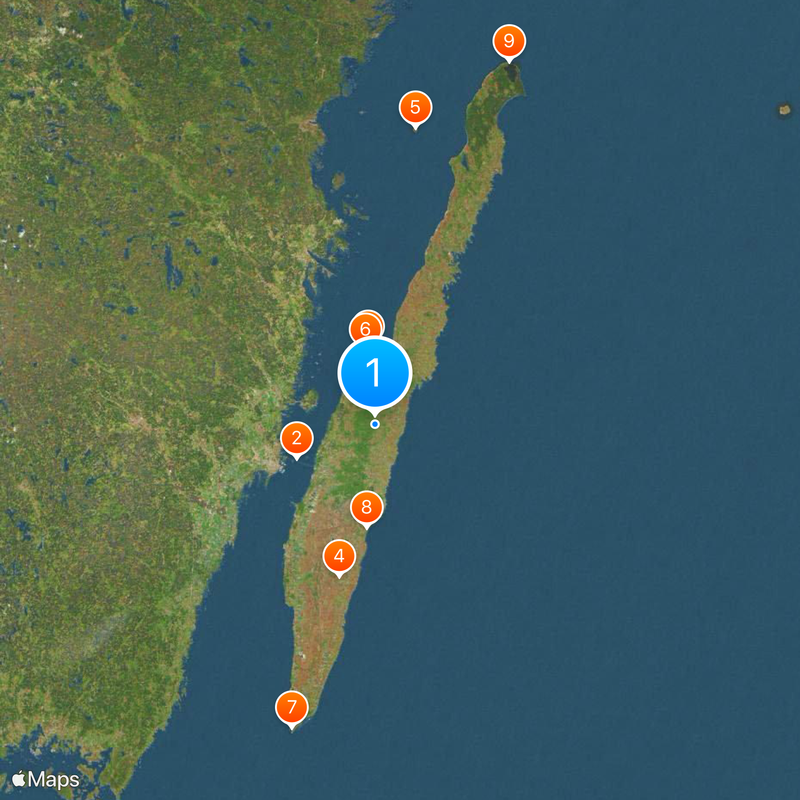
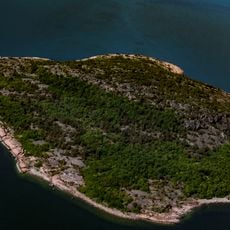
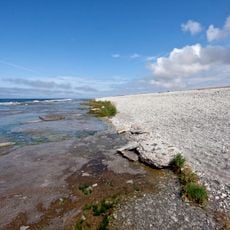
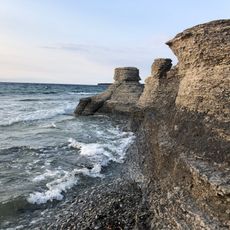
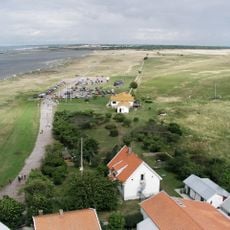
Öland is an island in the Baltic Sea and ranks among Sweden's largest islands with a length of around 140 kilometers. The coast is long and narrow on both sides, while the interior is characterized by flat limestone plains and farming areas.
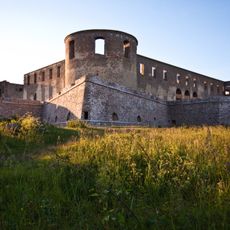
People have inhabited this area for roughly ten thousand years, with Stone Age tools revealing early hunter communities. Later residents during the Viking period established fortresses and trading posts along the coast.
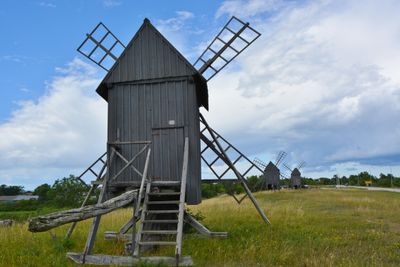
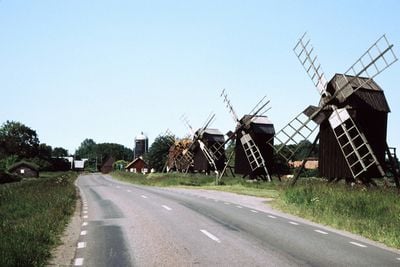
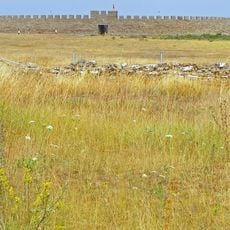
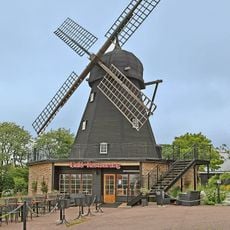
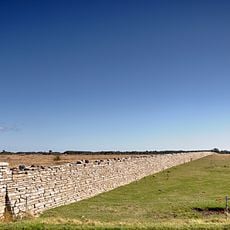
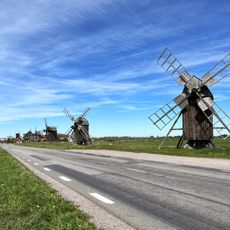
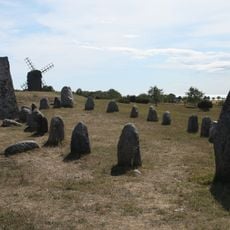
Residents have maintained a distinctive form of farming for centuries that divides the land into narrow strips and grazes animals between stone walls. This system still shapes the open fields in the south, where sheep flocks roam between windmills.
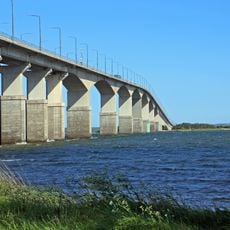
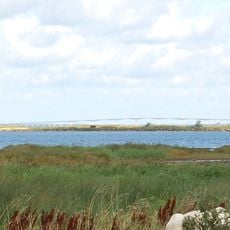
A bridge spanning about six kilometers connects the island to the mainland, allowing visitors to drive or take a bus directly across. Long coastal stretches work well for cycling tours, and smaller villages offer basic lodging options for shorter or longer stays.
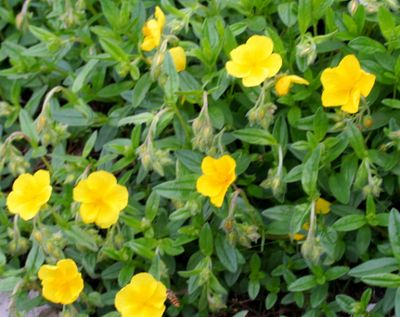
In spring, orchids transform the dry southern ground into a colored pattern rarely found elsewhere. This floral display coincides with historic windmills scattered across open pastures that serve today as landmarks for hikers.
The community of curious travelers
AroundUs brings together thousands of curated places, local tips, and hidden gems, enriched daily by 91,525 contributors worldwide.