Tigris tunnel, Archaeological site in Diyarbakır Province, Turkey.
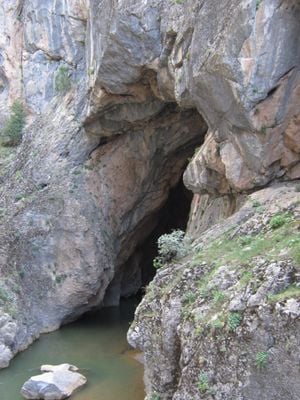
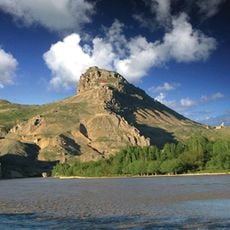
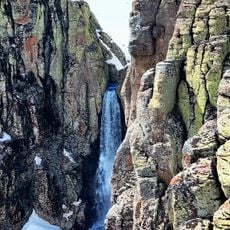
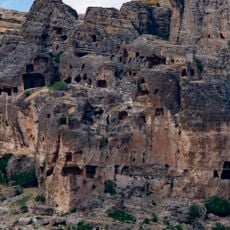
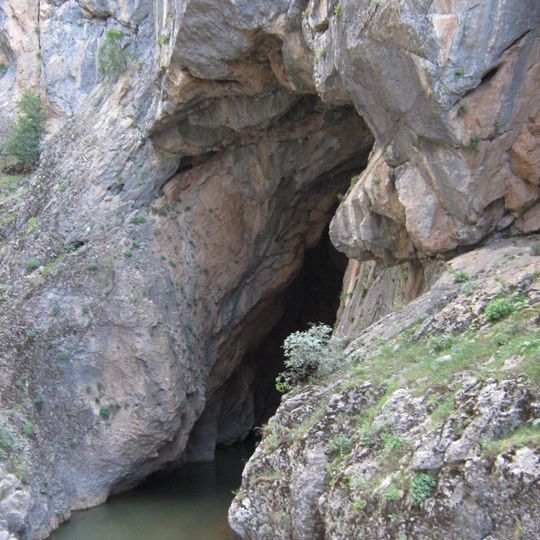
The Tigris tunnel is a cave that extends roughly 750 meters into the rock, with a river called Berkilin Cay flowing through limestone passages. Several smaller caves are connected by an ancient stairway system that leads to a natural rock arch above the main tunnel.
The tunnel contains three rock reliefs from the Assyrian Empire period, dating to around 852 BCE and commissioned by rulers like Tiglath-Pileser I and Shalmaneser III. These carvings come from a time when powerful rulers documented their control over territory through monumental stone work.
The rock carvings in the tunnel show how people expressed their connection to the river and the stone itself. You can see that this place was important to those who came here and wanted to leave their mark.
The path through the connected caves is accessible via the old stairway system, which is relatively safe as long as you move carefully. Wear appropriate footwear and remember that the surroundings can be wet and slippery, especially near the flowing water.
The creation of the tunnel is documented in bronze door bands from the Balawat Gates, now displayed in the British Museum. These metal reliefs show how important rulers recorded their construction projects and preserved them for posterity.
The community of curious travelers
AroundUs brings together thousands of curated places, local tips, and hidden gems, enriched daily by 60,000 contributors worldwide.