Kula volcano, Stratovolcano in Manisa Province, Turkey
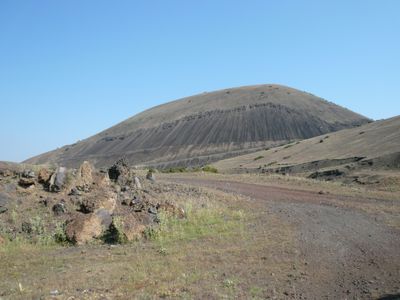
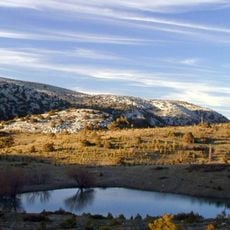
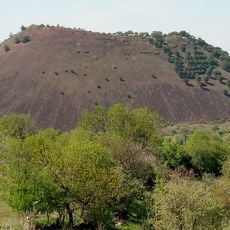
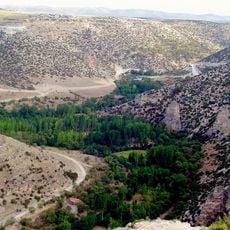
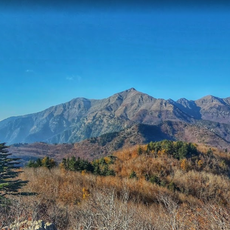
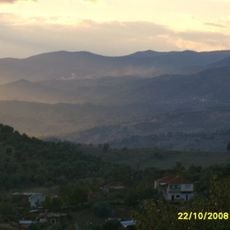
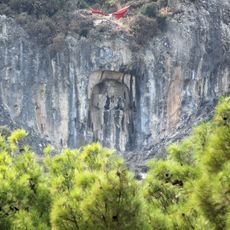
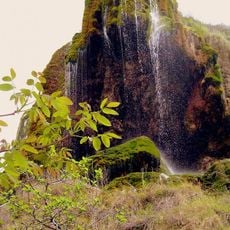
Kula volcano is a stratovolcano in Manisa Province and part of a volcanic field containing roughly 80 cinder cones across western Turkey. The area marks the westernmost volcanic formation in the country.
Volcanic activity in this region started during the Miocene epoch millions of years ago. The last eruption occurred roughly 10,000 years ago and shaped the landscape we see today.
The ancient Greeks called this region Katakekaumene, meaning 'the burned lands', because the volcanic soil proved ideal for growing grapes. People have used these fertile slopes for wine production since ancient times.
The site is accessible by road from major cities like Izmir and Usak, with various hiking trails and viewpoints available for exploration. Walking through the volcanic field is the best way to see the different cinder cones and geological formations up close.
The volcanic field preserves human footprints from prehistoric times, locked within the hardened lava and offering glimpses into early human activity. This recognition as a UNESCO Geopark highlights its scientific importance for understanding volcanic geology.
The community of curious travelers
AroundUs brings together thousands of curated places, local tips, and hidden gems, enriched daily by 90,777 contributors worldwide.