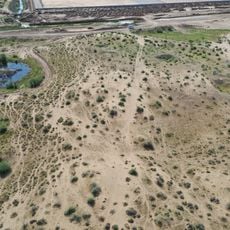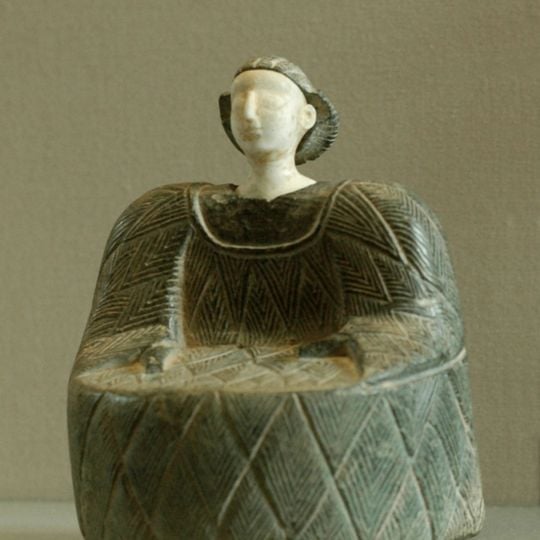
Bactria–Margiana Archaeological Complex, Archaeological site in Central Asia
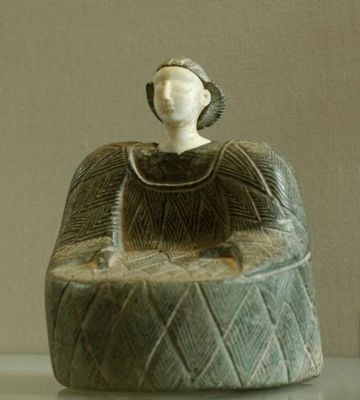
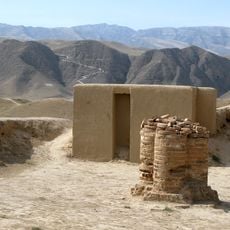
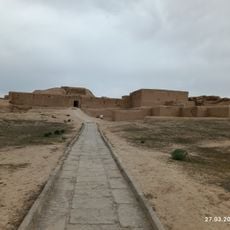
The Bactria–Margiana Archaeological Complex is a Bronze Age civilization that existed from 2200 to 1700 BC, located in present-day northern Afghanistan, eastern Turkmenistan, southern Uzbekistan and western Tajikistan.
This complex was discovered by Soviet archaeologist Viktor Sarianidi in the late 20th century.
It's known for its distinct 'Oxus civilization' architecture, unique artifacts, and possible links to the origin of Zoroastrianism.
While not a typical tourist destination, it offers a fascinating insight into an ancient civilization largely unknown to the outside world.
The complex is notable for its 'Bactria-Margiana seal', which is considered one of the most mysterious artifacts of the ancient world.
The community of curious travelers
AroundUs brings together thousands of curated places, local tips, and hidden gems, enriched daily by 92,411 contributors worldwide.