See the monuments around you in AROpen chests in the app
Around Us is built for your phone — point your camera at the streets and discover the monuments and places around you in augmented reality.Around Us is built for your phone — chests unlock when you walk, explore and capture nearby places.
From 18th-century fortresses to modern observatories, this region is a journey through the different periods that shaped Korea.
Seoul and the Gyeonggi region tell several stories at once. You walk through royal palaces built more than 600 years ago, then look up at glass towers that touch the sky. Between these two worlds, you find neighborhoods where people really live: alleys with traditional houses, markets that smell of Korean food, hidden cafes, and parks along the Han River. This region mixes past and present and shows how a city can keep its roots while changing.
The palaces like Gyeongbokgung and Changdeokgung take you back to the Joseon dynasty. You go through secret gardens, inner courtyards, and halls where kings made their decisions. The traditional house villages like Bukchon Hanok or Namsangol let you see how people lived in the past. Nearby, places like Gwanghwamun Square or the Dongdaemun Design Plaza show a modern Seoul that is always on the move.
The region also holds more serious stories. Fortresses from the 18th century like Hwaseong in Suwon speak of times of conflict. Sites like Imjingak Pyeonghwa Nuri Park and the Dora Observatory, close to the demilitarized zone, remind you of the division of the peninsula. Away from the capital, you can lose yourself in a Japanese-style garden, explore an old mine that became an underground site, or just sit in a park and watch the seasons change. This collection invites you to see how Seoul and Gyeonggi keep the memory of the past alive while creating new experiences.
From 18th-century fortresses to modern observatories, this region is a journey through the different periods that shaped Korea.
Seoul and the Gyeonggi region tell several stories at once. You walk through royal palaces built more than 600 years ago, then look up at glass towers that touch the sky. Between these two worlds, you find neighborhoods where people really live: alleys with traditional houses, markets that smell of Korean food, hidden cafes, and parks along the Han River. This region mixes past and present and shows how a city can keep its roots while changing.
The palaces like Gyeongbokgung and Changdeokgung take you back to the Joseon dynasty. You go through secret gardens, inner courtyards, and halls where kings made their decisions. The traditional house villages like Bukchon Hanok or Namsangol let you see how people lived in the past. Nearby, places like Gwanghwamun Square or the Dongdaemun Design Plaza show a modern Seoul that is always on the move.
The region also holds more serious stories. Fortresses from the 18th century like Hwaseong in Suwon speak of times of conflict. Sites like Imjingak Pyeonghwa Nuri Park and the Dora Observatory, close to the demilitarized zone, remind you of the division of the peninsula. Away from the capital, you can lose yourself in a Japanese-style garden, explore an old mine that became an underground site, or just sit in a park and watch the seasons change. This collection invites you to see how Seoul and Gyeonggi keep the memory of the past alive while creating new experiences.
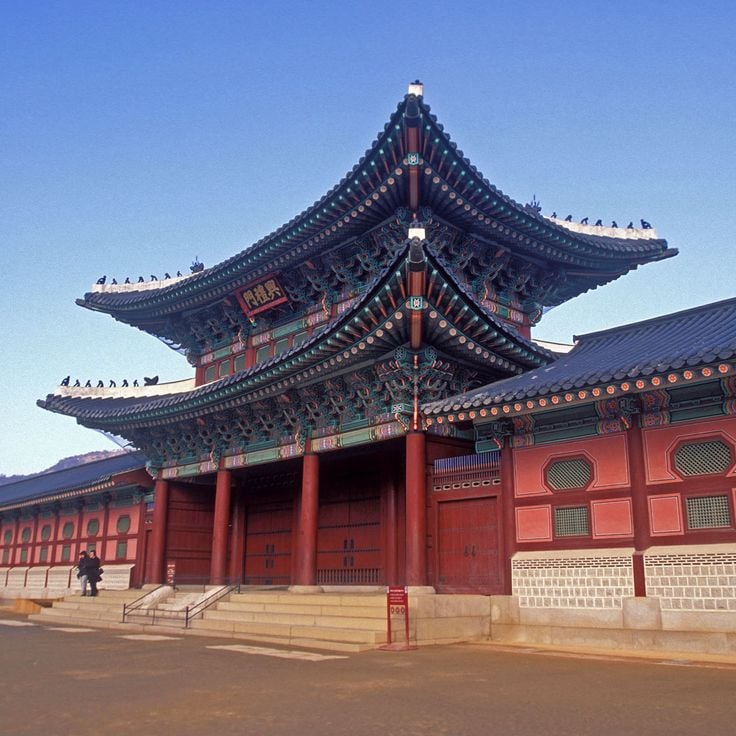
Gyeongbokgung Palace was built in 1395 and served as the heart of royal power during the Joseon dynasty. Walking through its gates, you enter a world of courtyards, pavilions, and gardens where Korean kings once ruled. The changing of the guard ceremony still takes place daily, giving a sense of what life here once looked like.
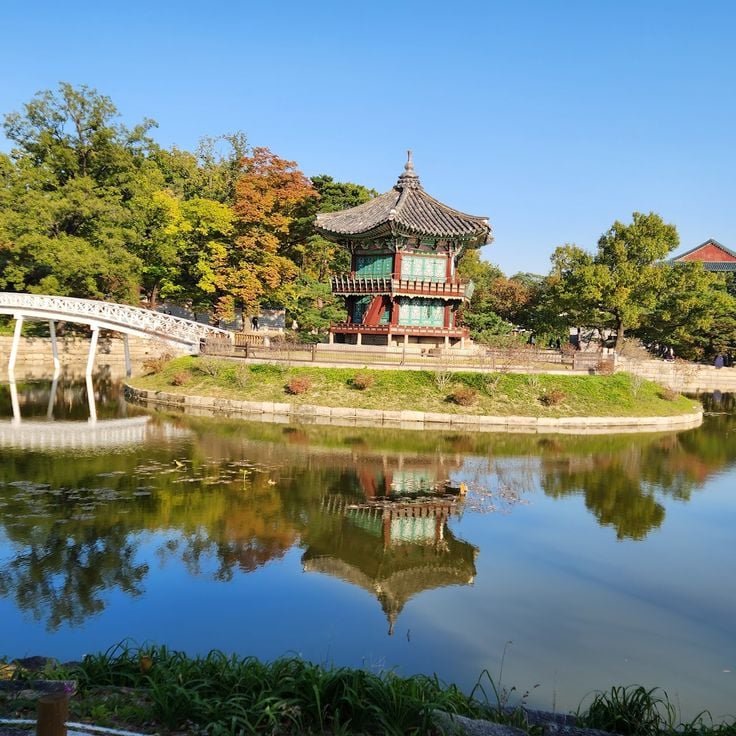
Changdeokgung Palace was built in the early 15th century and served for a long time as the main residence of the Joseon dynasty kings. Walking through its gates, you pass through ceremonial courtyards, royal halls, and private quarters. Behind the palace lies the Huwon, a garden with old trees, ponds, and small pavilions that was kept private for centuries. UNESCO has listed this site as a World Heritage Site.
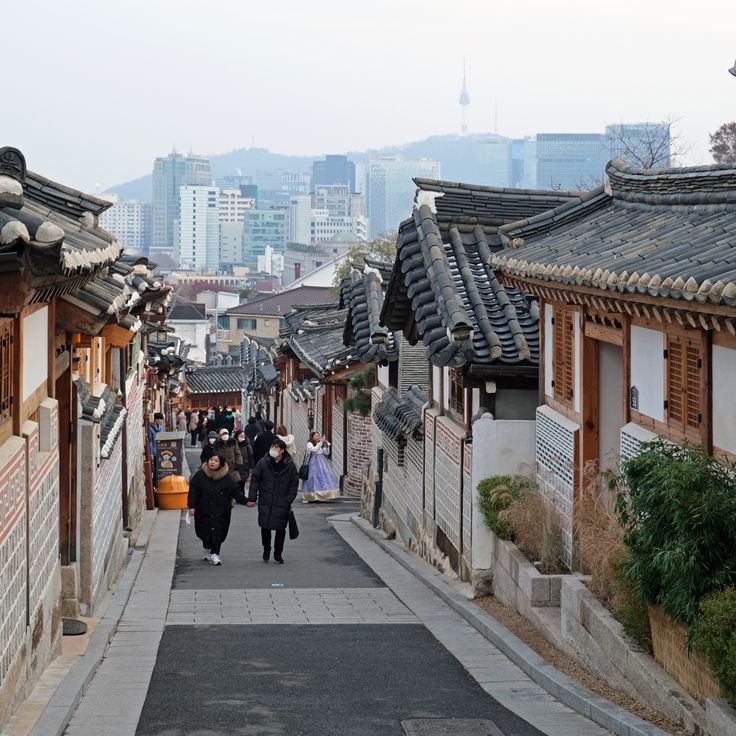
Bukchon Hanok Village sits between Gyeongbokgung and Changdeokgung palaces in the heart of Seoul. Walking through its narrow lanes, you pass hundreds of traditional Korean houses called hanok, with curved tile roofs, wooden gates, and small inner courtyards. People still live here, so the neighborhood feels real rather than staged. From the upper alleys, you get a clear view over the rooftops toward the modern city below.
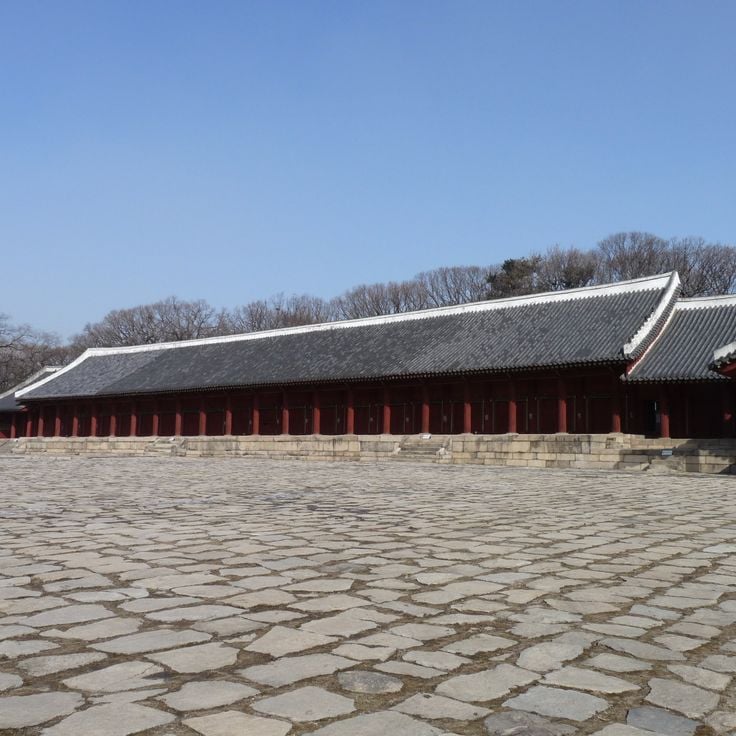
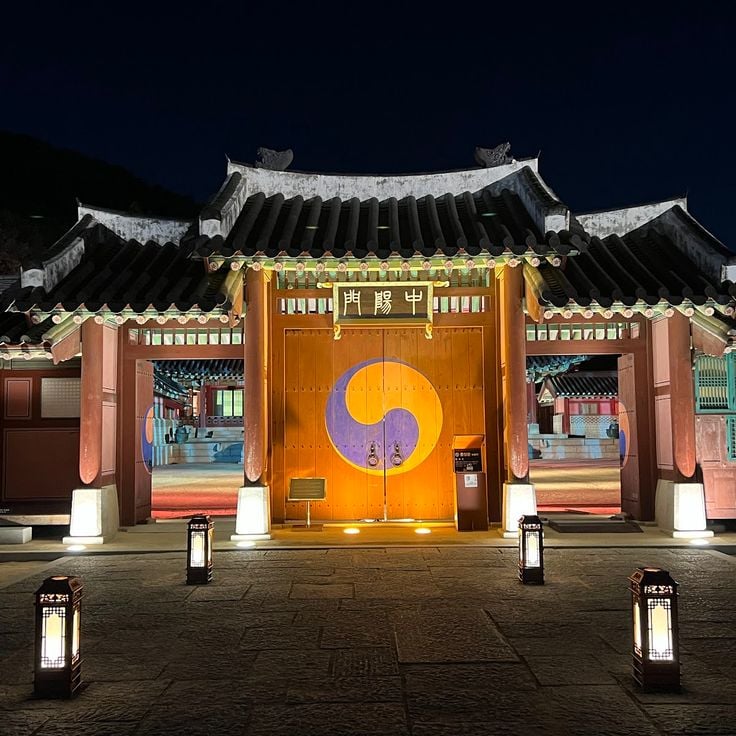
Jongmyo Shrine is a royal memorial from the Joseon dynasty, set within a forested compound in central Seoul. Inside, long wooden halls once housed the spirit tablets of kings and queens, and Confucian ceremonies are still held here today. The buildings are low, plain and carefully arranged, giving the place a tone very different from the rest of the city. Both the shrine and its ritual music are listed as UNESCO World Heritage.
Deoksugung Palace stands in central Seoul and is the only royal palace in the city where traditional Korean wooden halls and Western-style stone buildings share the same grounds. Walking through the main gate, you notice the contrast right away: curved tiled rooftops on one side, European-inspired facades from the early 1900s on the other. The palace grounds feel like a pause in the middle of the city, and many locals come here to walk the stone-paved paths and watch the trees change with the seasons. A changing-of-the-guard ceremony takes place at the main gate on a regular basis.
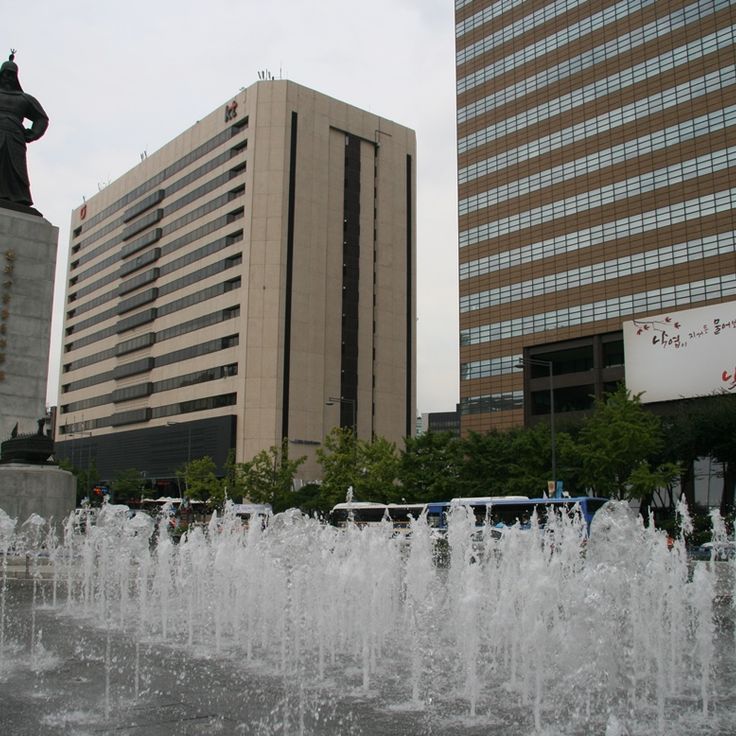
Gwanghwamun Square is a wide open space in the heart of Seoul, leading straight to Gyeongbokgung Palace. Two large statues stand along its central axis: King Sejong, who created the Korean alphabet, and Admiral Yi Sun-sin, who defended the country in the 16th century. People walk through at all hours, stop in front of the statues, and the view toward the palace with mountains rising behind it gives this square a very clear sense of place.
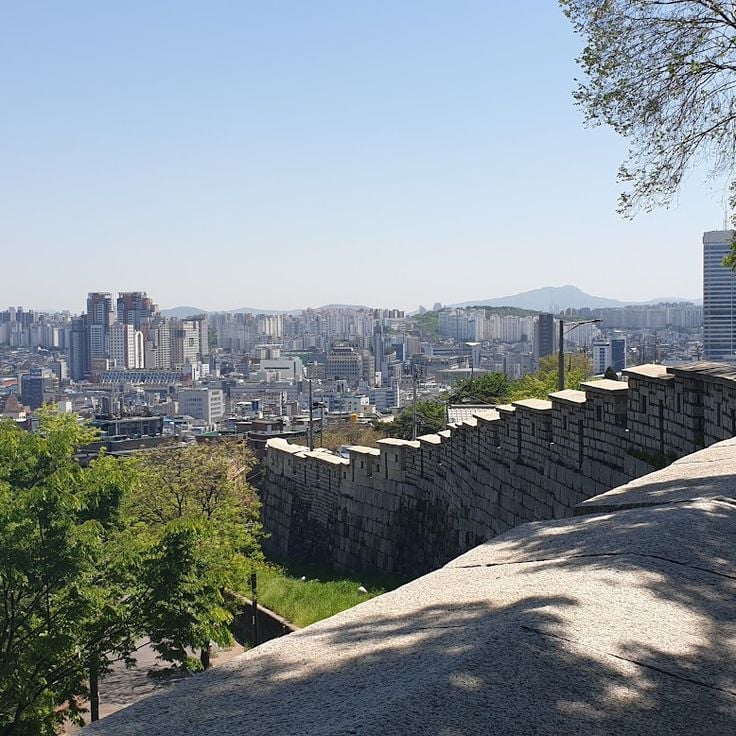
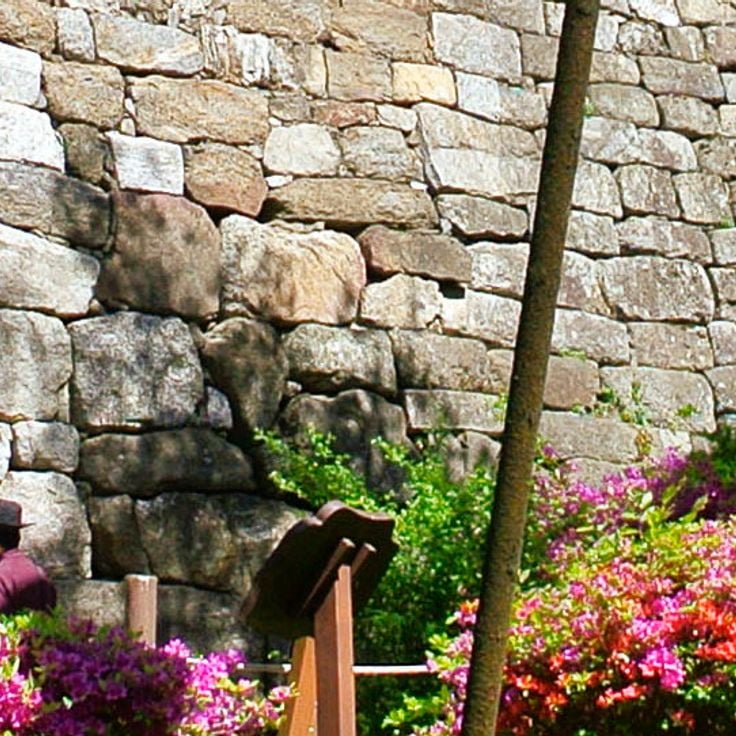
The Seoul City Wall, known as Hanyangdoseong, runs along the ridges of four mountains that once enclosed the old capital. First built at the end of the 14th century to protect the Joseon royal city, it was repaired and rebuilt many times over the centuries. Today, visitors can walk along marked paths through forests and old neighborhoods, passing stone sections from different periods side by side. From the higher points, you get a clear view of modern Seoul on one side and older rooftops on the other.
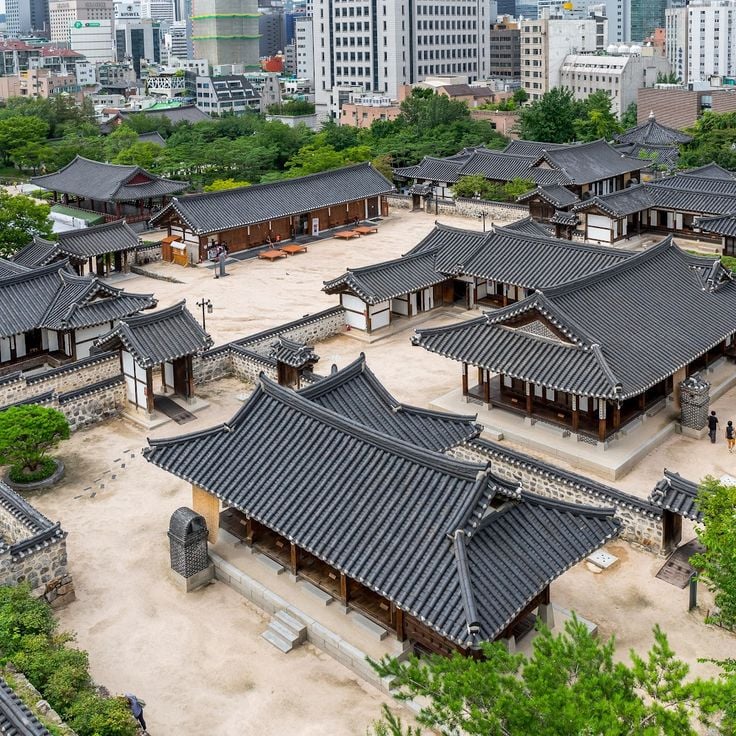
Namsangol Hanok Village is a group of traditional Korean houses at the foot of Namsan Mountain in Seoul. The buildings were brought from different parts of the city and rebuilt here so visitors can see how people lived during the Joseon dynasty. You walk through narrow paths, step inside old wooden homes with curved tiled roofs, and get a sense of daily life from centuries past. Right in the middle of a modern city, this village offers a rare look at how ordinary Koreans once cooked, slept, and gathered together.
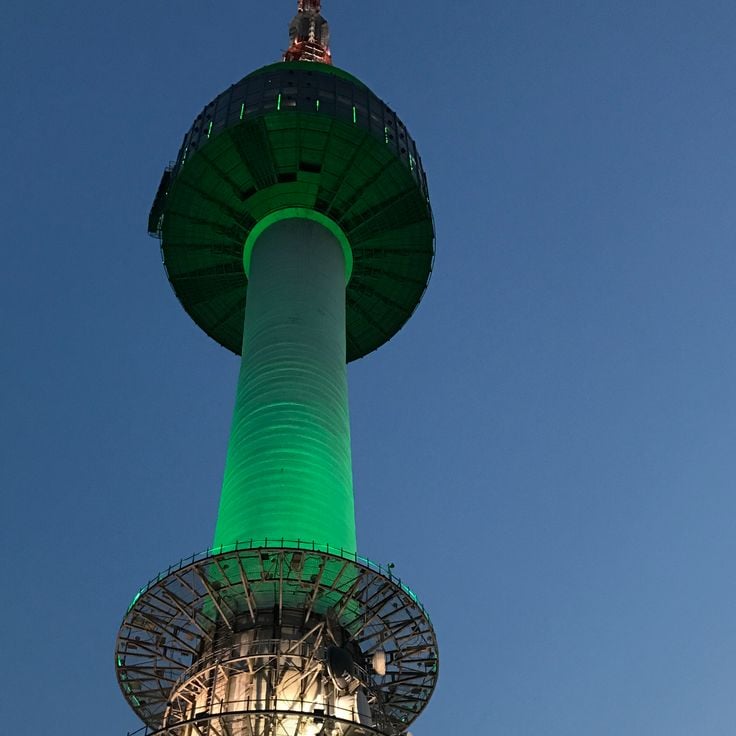
N Seoul Tower sits on top of Namsan Mountain, a wooded hill rising from the middle of the city, and can be seen from many parts of Seoul. From the observation deck, the city spreads out in every direction: the Han River, old neighborhoods, glass towers and low rooftops all visible at once. You can reach the tower by walking through forested paths or by taking the cable car. At the base of the tower, visitors have attached locks to the railings over the years, a habit that has become part of the place. The tower itself works as a broadcast antenna, but most people come for the view and the sense of being above the city for a moment.
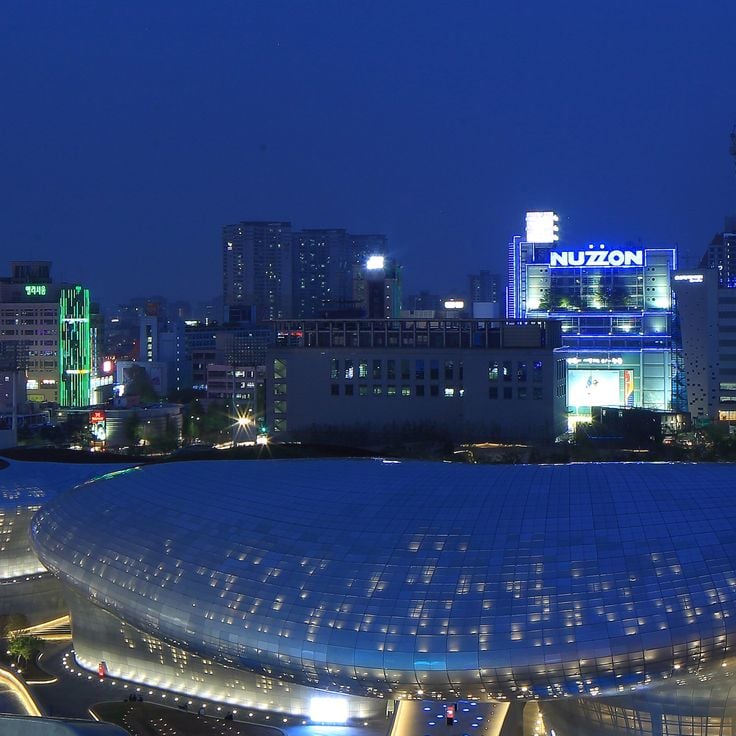
The Dongdaemun Design Plaza is a large building with curved shapes and a silver metal exterior, standing in the heart of Seoul. It hosts exhibitions, fashion shows, and design events throughout the year. The plaza draws visitors who want to discover modern Korean creativity up close. At night, the building lights up and transforms the feel of the surrounding neighborhood.
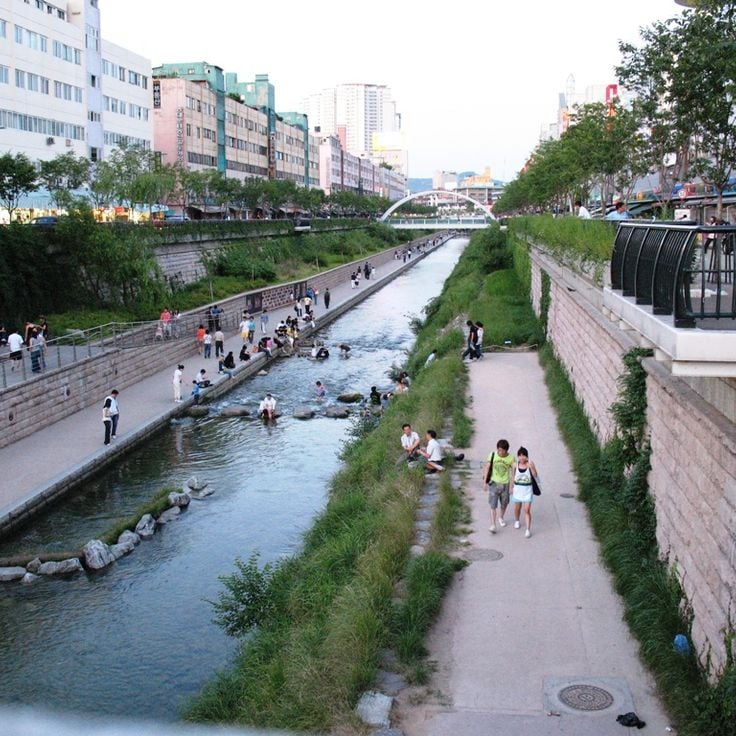
The Cheonggyecheon is a stream that runs through the heart of Seoul. For decades it was hidden under an elevated highway, until the road was torn down and the stream was restored in the early 2000s. Today it is a walkway that cuts through one of the busiest parts of the city. People come here to take a break from the surrounding streets, sit on the stone steps along the banks, or simply walk beside the water. Small bridges cross it at regular intervals, and the sound of flowing water stands out against the city noise around it.
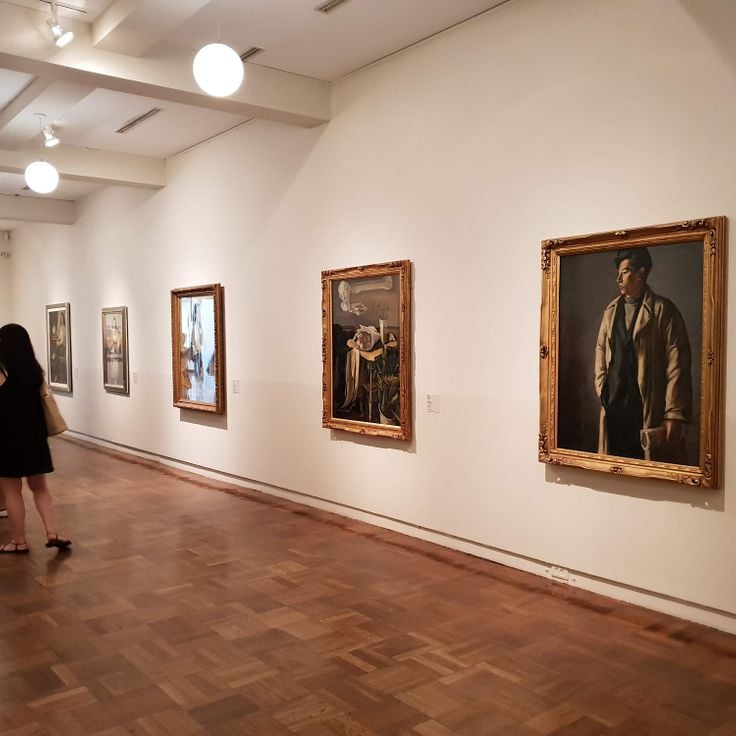
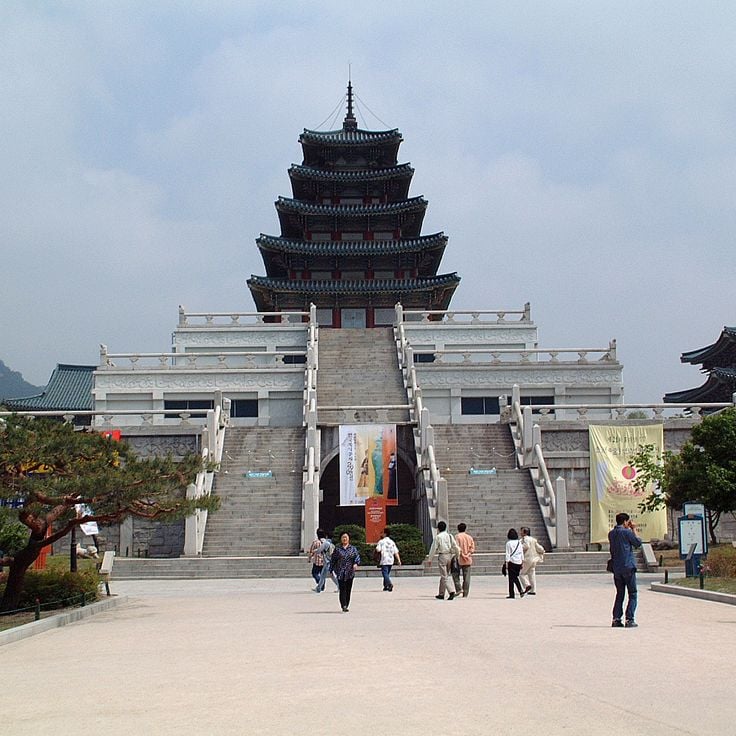
The National Museum of Korea in Seoul traces the history and art of the Korean peninsula from prehistoric times to the modern era. The collections bring together ceramics, Buddhist sculptures, calligraphy, and everyday objects from many different periods. The rooms are spacious and easy to move through, making it simple to spend time with each piece. A visit here gives a clear sense of how Korean society lived, worked, and expressed itself over the centuries.
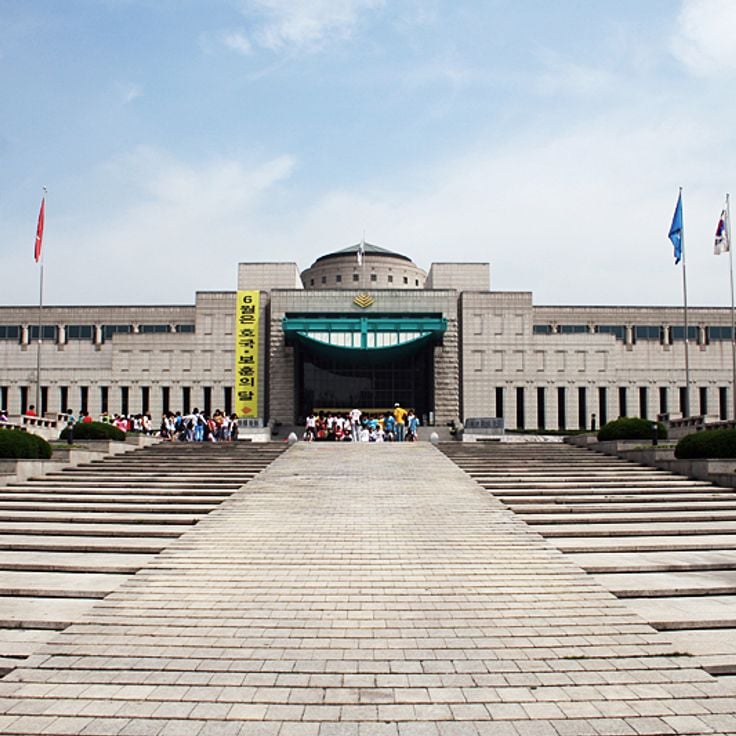
The War Memorial of Korea in Seoul is dedicated to the history of the Korean War and the country's long military past. Outside, you can walk around tanks, aircraft, and artillery pieces displayed in the open air. Inside, the galleries show uniforms, weapons, documents, and personal objects that help visitors understand how the war shaped everyday life. The memorial is a good place to take your time and learn about a period that still defines the Korean peninsula today.
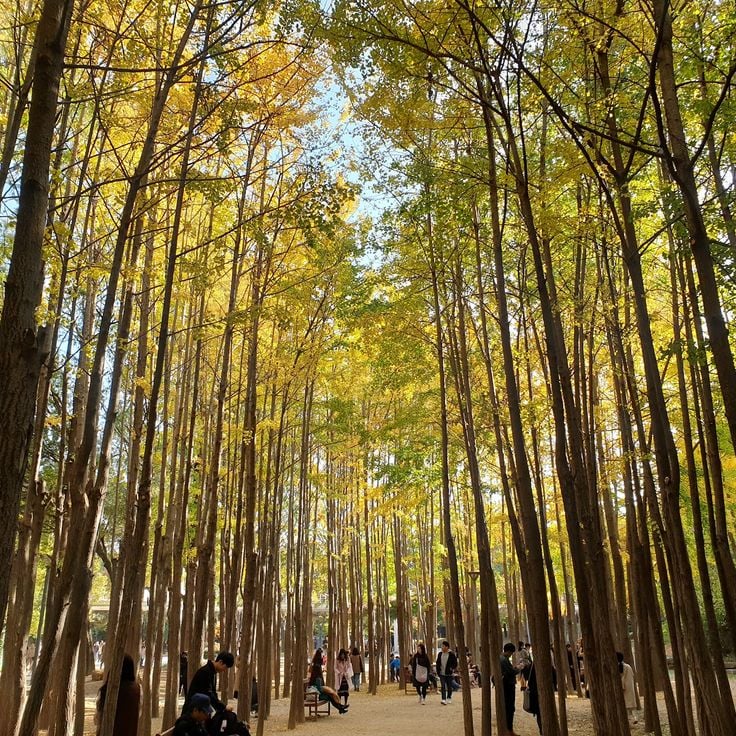
Seoul Forest is a large park in the eastern part of the city, sitting right next to the Seongsu-dong neighborhood. Walking through it, you find shaded paths among trees, open lawns, and small ponds. Just beyond the park, Seongsu-dong is a former industrial area that has turned into a place full of workshops, cafés, and small galleries. The old factory buildings are still standing, but now craftspeople, designers, and small businesses have moved in. The shift from the quiet green space to the lively street happens gradually and naturally.
Myeongdong is one of Seoul's most visited shopping districts. Its narrow streets are lined with cosmetics stores, clothing shops, and food stalls where vendors prepare snacks right in front of you. The area draws both locals and travelers throughout the day and into the evening. Walking through it gives a clear sense of how commerce and daily life mix in the heart of the South Korean capital.
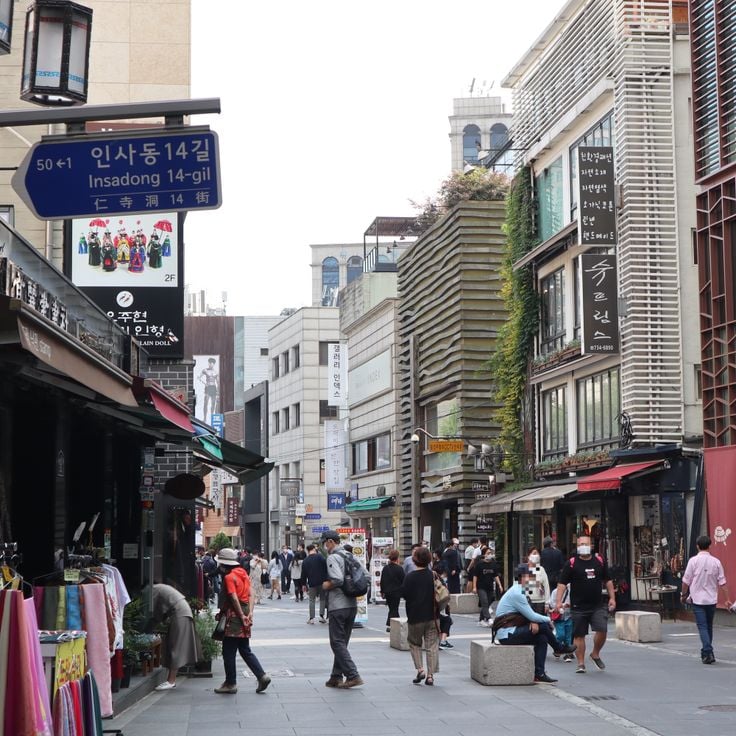
Insadong is a neighborhood in Seoul where art galleries, tea houses, and traditional craft shops line the narrow streets. Visitors and locals alike wander through antique dealers, browse handmade paper goods, and stop in small studios. The area gives a good sense of how Korean artistic traditions continue to have a place in everyday city life.
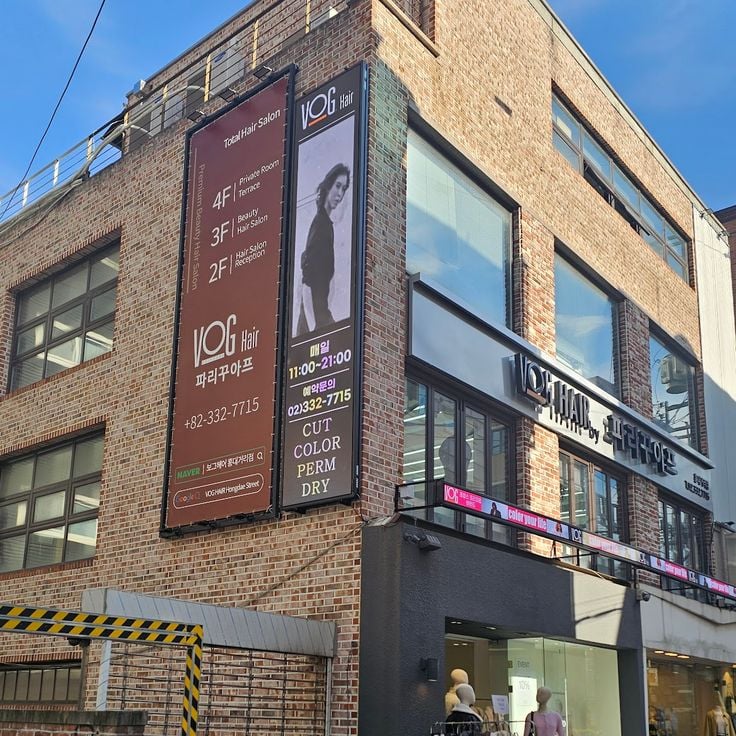
Hongdae is a neighborhood in western Seoul built around Hongik University. It is known for its small music venues, street performers, and art studios tucked between cafes and clothing shops. The streets fill up in the evening, when young people come from across the city to eat, listen to live music, and spend the night out. The area has a creative energy that has grown organically over the years, making it one of the go-to spots for Seoul's younger crowd.
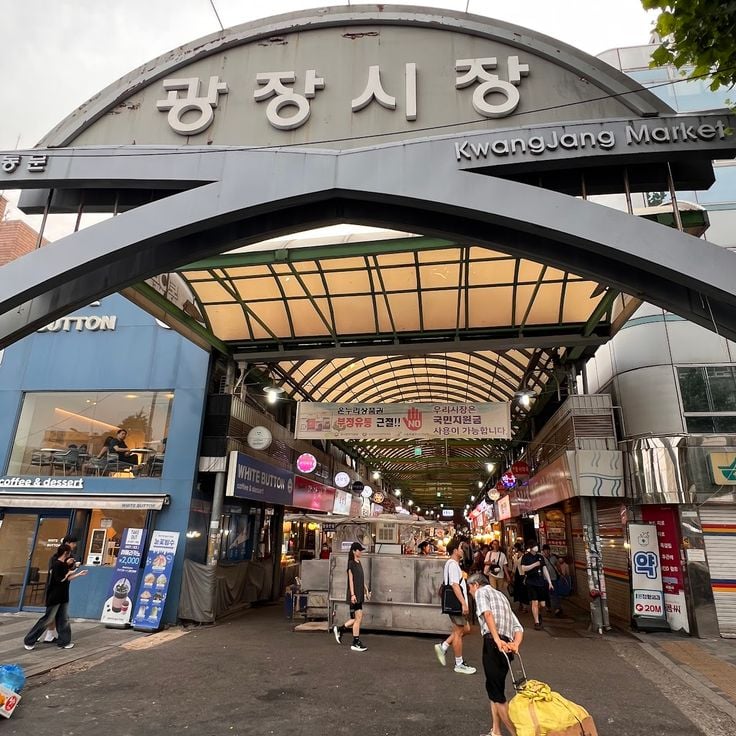
Gwangjang Market is one of the oldest markets in Seoul, open for over a century. Walking through its covered alleys, you find stalls serving freshly made Korean dishes: bindaetteok (mung bean pancakes), mayak gimbap, and yukhoe, a raw beef dish. The air smells of hot oil and sesame. Local people sit side by side at long tables, eating while vendors call out their offerings. This market is not a performance for visitors. It is a place where Seoul residents have come to shop and eat for generations.
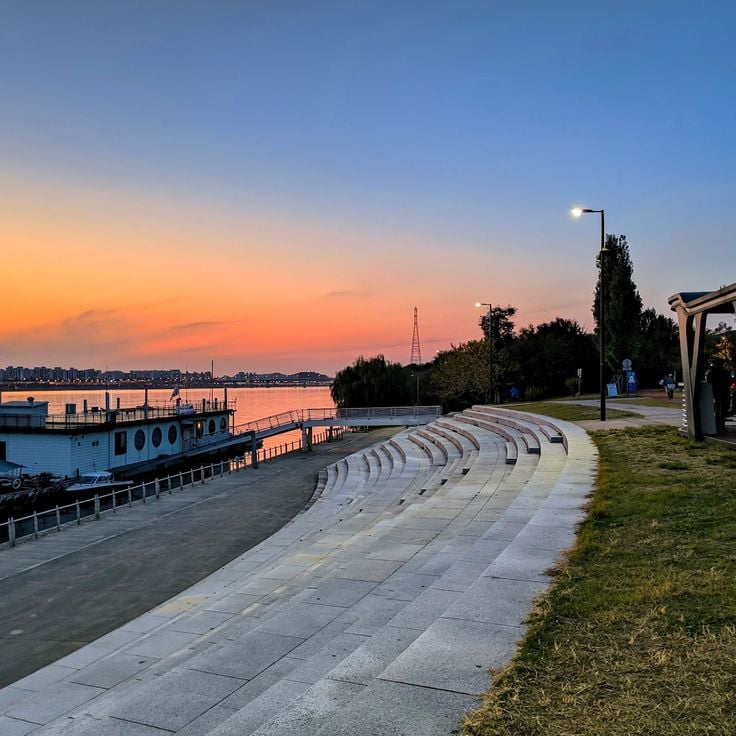
Hangang Park runs along the Han River, which crosses Seoul from east to west. Locals come here to ride bikes, jog, have picnics, or simply sit by the water and watch the river go by. On weekends, the park fills with families, students, and groups of friends. There are open lawns, walking paths, and small sandy spots along the riverbank. From here, you can see the city's bridges and buildings reflected on the water, which gives a good sense of daily life in Seoul.
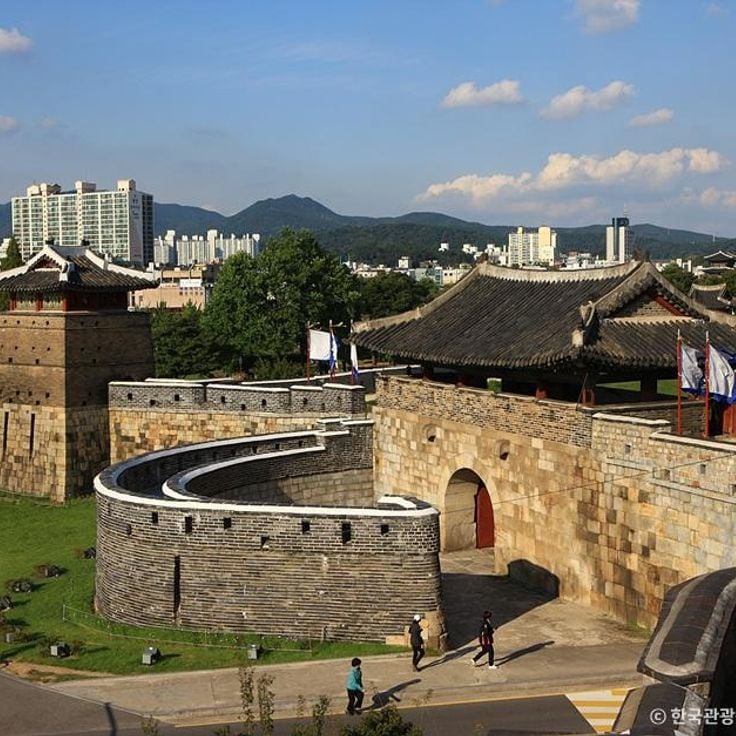
Suwon Hwaseong Fortress was built at the end of the 18th century by order of King Jeongjo of the Joseon dynasty. Its walls, gates, watchtowers and battlements still ring the old center of Suwon. Walking along the top of the walls, you can see the city spread out below while getting a clear sense of what military life looked like here more than 200 years ago. The fortress has been a UNESCO World Heritage Site since 1997.
Hwaseong Haenggung Palace sits inside the walls of Hwaseong Fortress in Suwon and served as a temporary residence for the kings of the Joseon dynasty when they traveled away from the capital. Walking through the courtyards, you see low wooden buildings arranged around open spaces, giving a sense of how royal life looked outside of Seoul. The site is large enough to take your time, and it connects naturally to a walk along the fortress walls nearby.
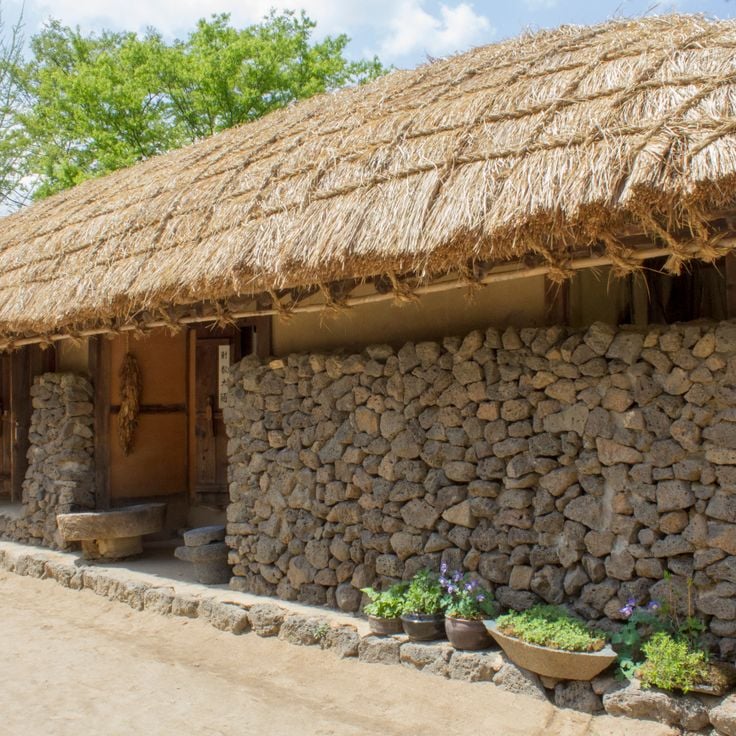
The Korean Folk Village in Yongin is an open-air museum where you can walk through actual old houses brought from across the country and reassembled on site. Craftspeople work in workshops along the lanes, making pottery, weaving fabric, and shaping metal. The thatched roofs, inner courtyards, and dirt paths give a direct sense of how ordinary people lived during the Joseon dynasty, several centuries ago. On some days, traditional performances such as tightrope walking and farmers' dances take place in the open air.
Namhansanseong Fortress sits on a mountain ridge about 15 miles (25 km) southeast of Seoul and has been a UNESCO World Heritage Site since 2014. Built in the 17th century as a refuge for the Joseon royal family during times of war, the fortress walls wind along the ridgeline for several miles. Walking the ramparts gives you open views over the surrounding hills and, on clear days, toward Seoul. The site is popular with day-trippers and hikers, and the village inside the walls has small restaurants serving local food.
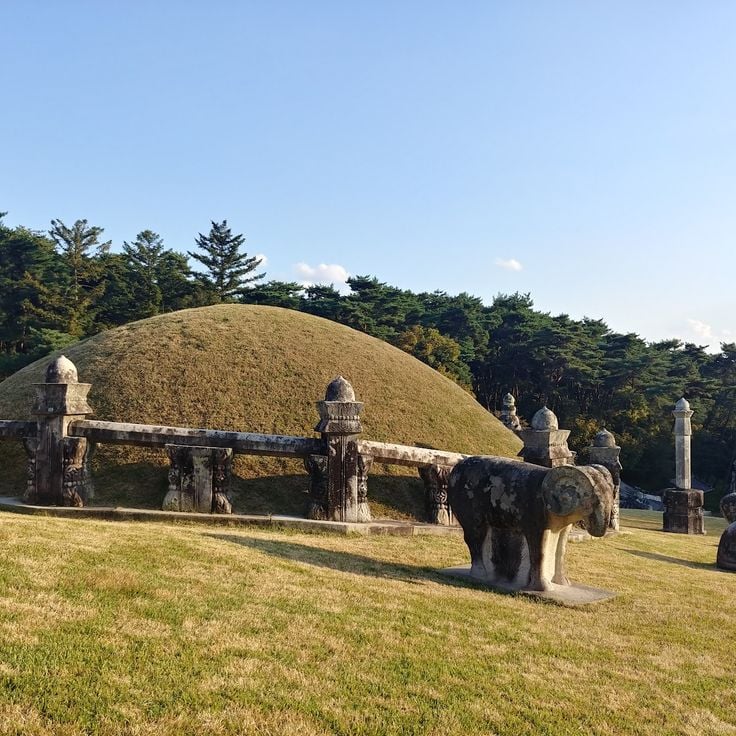
The Yeoju Royal Tombs are the burial sites of two kings from the Joseon dynasty. King Sejong, who created the Korean alphabet Hangul, rests here alongside King Hyojong. The site sits among pine trees and gentle hills outside the city of Yeoju. Visitors walk along shaded paths and observe the rounded grass mounds that mark the royal graves. This style of royal burial follows traditions that were passed down over many centuries.
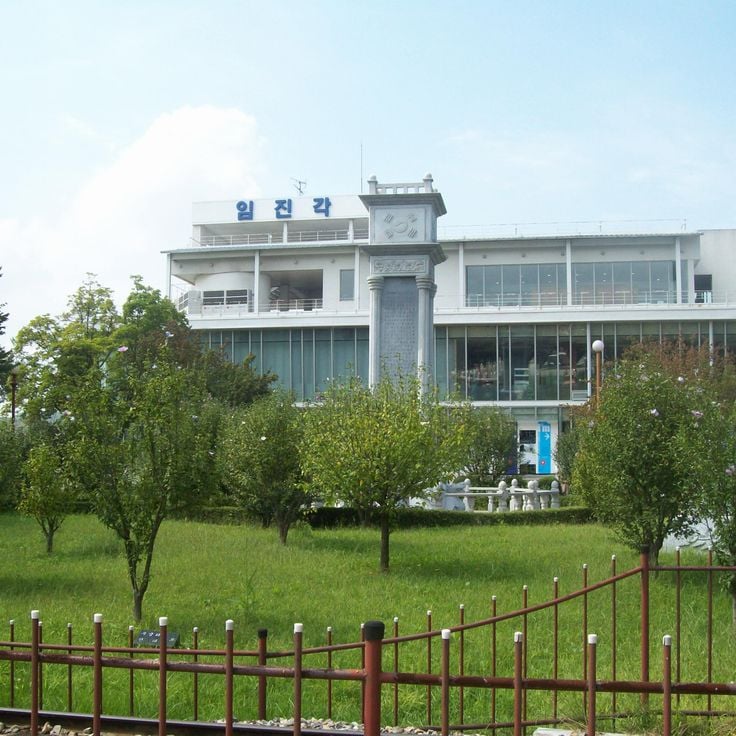
Imjingak Pyeonghwa Nuri Park sits close to the Demilitarized Zone and gives visitors a direct sense of Korea's division. Rusted trains, old bridges, and memorials recall the time when North and South were one. Families come here to walk along the Imjin River, look toward the North, and stand before monuments that carry the weight of a separation that has lasted for decades.
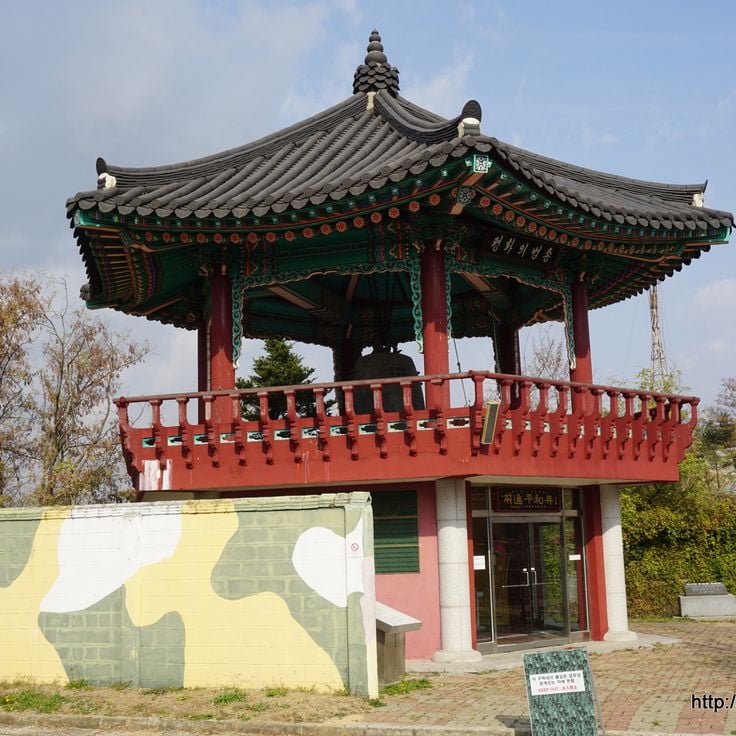
The Dora Observatory sits close to the demilitarized zone, on a hill that looks directly toward North Korea. From the viewing platform, you can see fields, villages and mountains across the border. Binoculars are available, and panels explain what lies in front of you. The place is quiet and carries a heavy sense of history. Standing here makes the division of the Korean peninsula feel very real and very close.
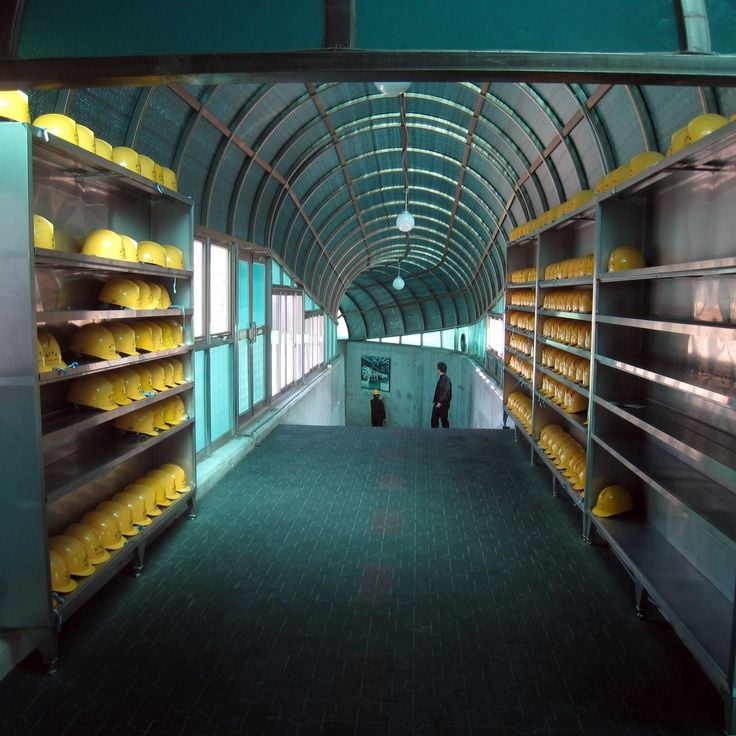
The Third Infiltration Tunnel was discovered in 1978 under the demilitarized zone near Paju, north of Seoul. North Korean forces had dug it secretly, intending to move troops into the South without being detected. Visitors can walk into the tunnel and feel how narrow and low it is. The rock walls around you and the silence underground make the history of the divided peninsula feel very close and real.
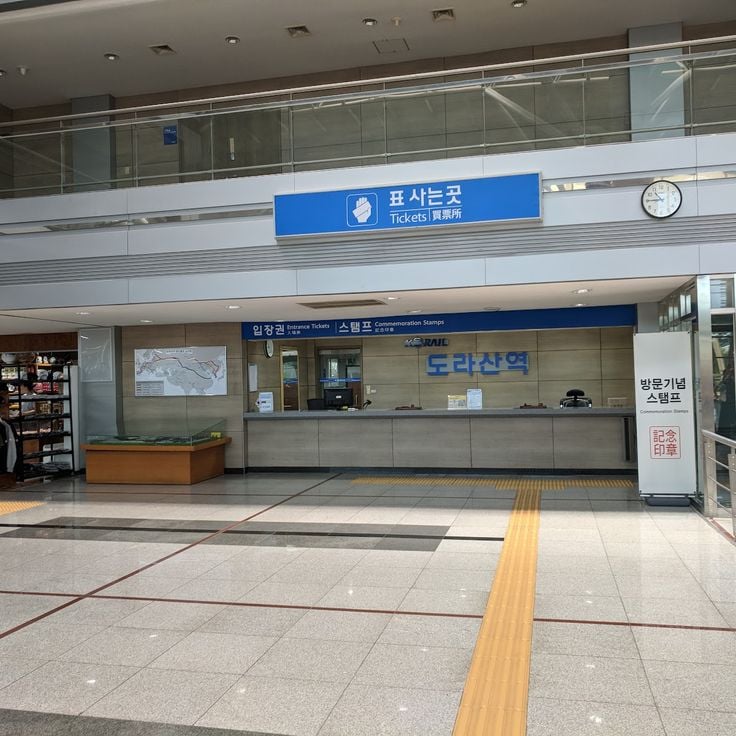
Dorasan Station sits close to the inter-Korean border, at the edge of the demilitarized zone. It was built when the two Koreas were talking to each other, with the hope that trains would one day run north. Today, no train crosses. The station is open to visitors, and you can stand on the platform and look at the tracks heading toward North Korea. The place feels like a waiting room where time stopped. A signboard points the distance to Pyongyang, and that detail alone says a great deal about what this station was meant to be.
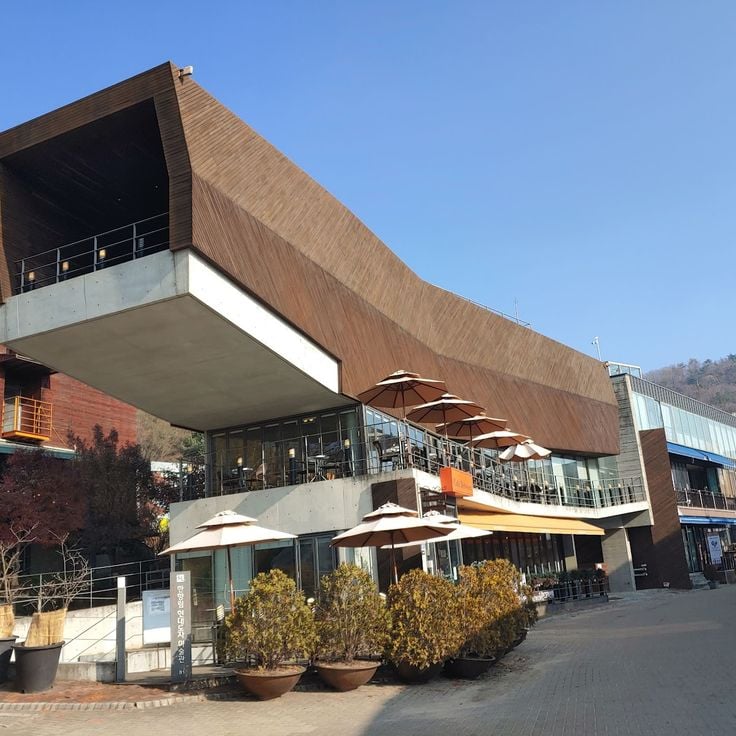
Heyri Art Valley is a village in Paju built by a community of artists, writers, and musicians who designed it from the ground up. Each building was shaped by a different architect, so the streets feel like an open collection of forms and materials. Galleries, studios, and small museums sit side by side, and the work shown inside often comes from people who actually live and create here. Cafes and bookshops make it easy to slow down and spend a few hours wandering.
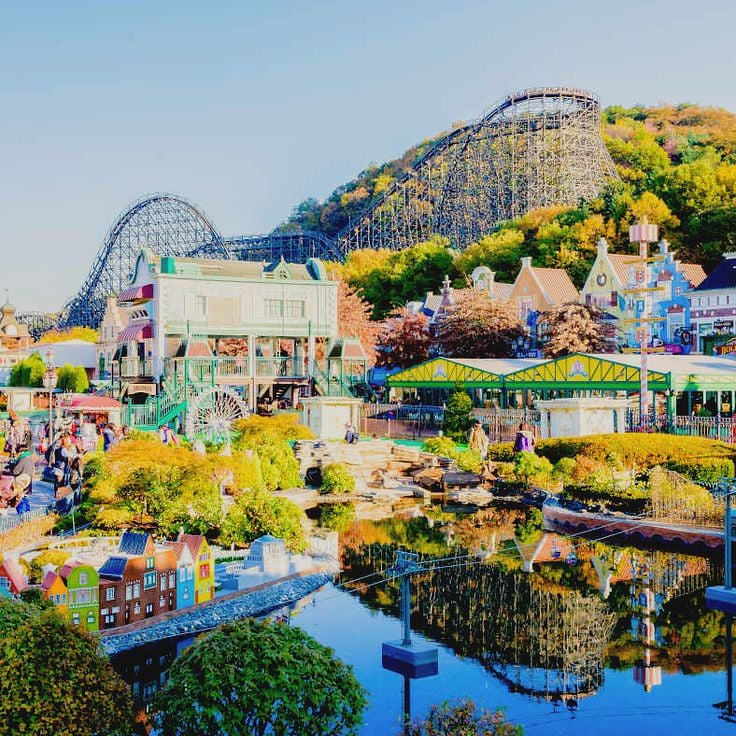
Everland is South Korea's largest theme park, located in Yongin in Gyeonggi Province, about 1 hour (roughly 40 kilometers) from Seoul. The park draws visitors year-round with roller coasters, a zoo area, and seasonal flower displays that change the look of the place depending on the time of year. Families, teenagers and school groups all come here for a day out of the city.
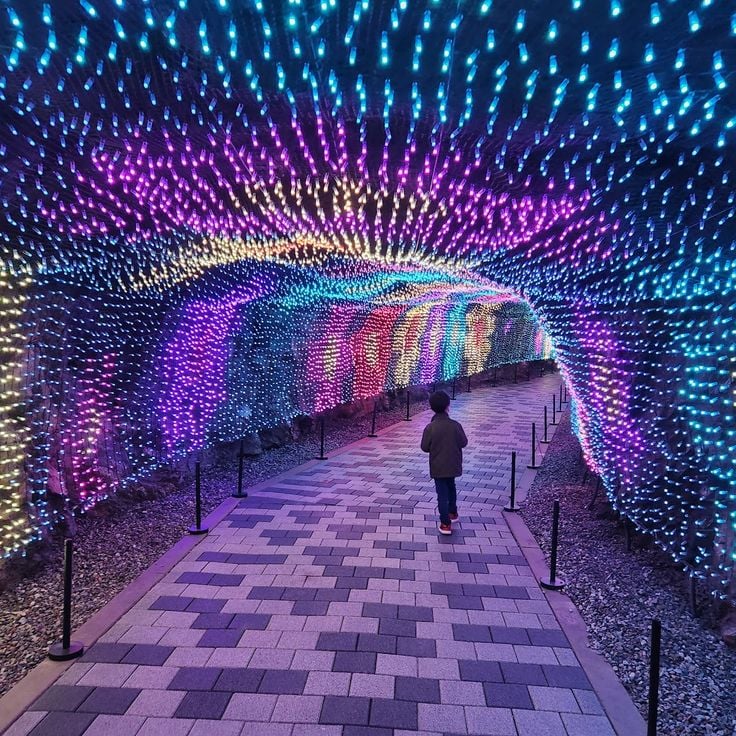
Gwangmyeong Cave is a former metal mine that has been turned into an underground site open to visitors. You walk through narrow tunnels carved into the rock, where lighting and displays tell the story of the mine and the people who worked here. The mine operated for decades before it closed and was later reopened in this new form. It gives a good sense of what life underground looked like for the miners.
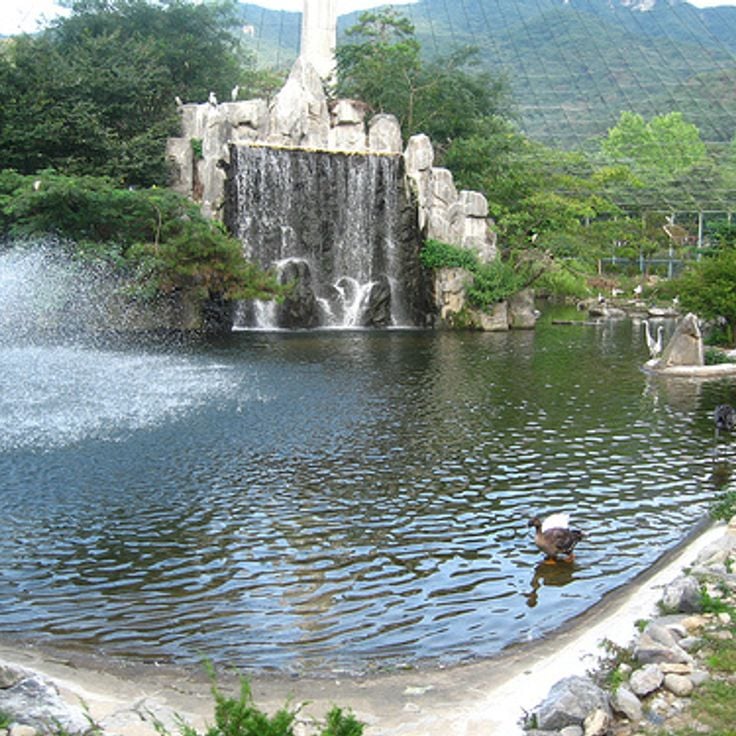
Seoul Grand Park & MMCA Gwacheon sits in Gwacheon, south of Seoul, and brings together a zoo, a large park, and the National Museum of Modern and Contemporary Art (MMCA) on one site. The zoo houses animals from around the world, while the park offers walking paths, a lake, and open green areas where families come to spend the day. The MMCA Gwacheon displays Korean and international modern art in bright, open galleries. It is a place where people come to slow down, walk, and move between nature and art in the same visit.
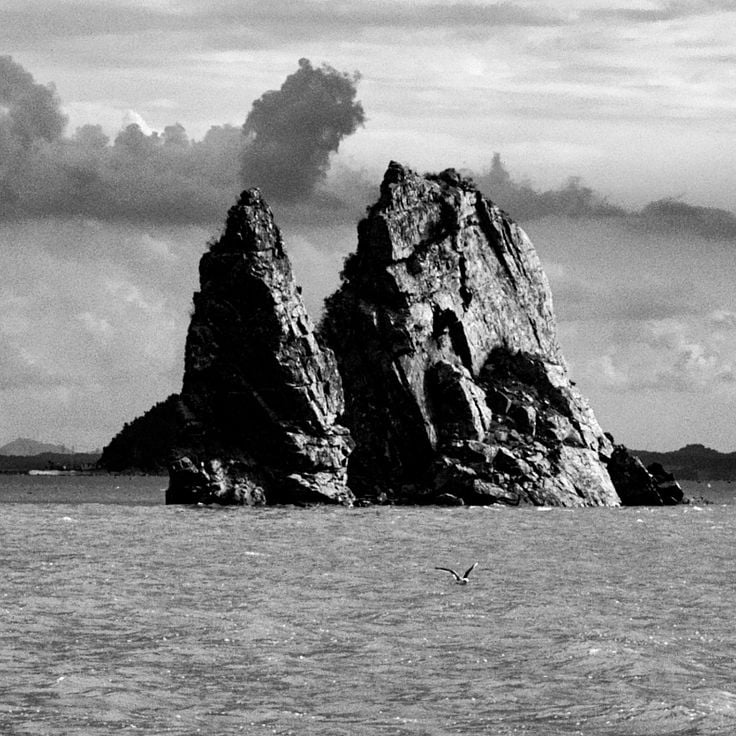
Jebudo is a small island off the west coast of Hwaseong, in Gyeonggi Province. At low tide, the sea pulls back and reveals a sandy path that connects the island to the mainland. People walk across this natural crossing, watching the water recede on both sides. For those who prefer not to walk, a cable car runs above the water and gives a clear view of the coastline and the tidal flats below.
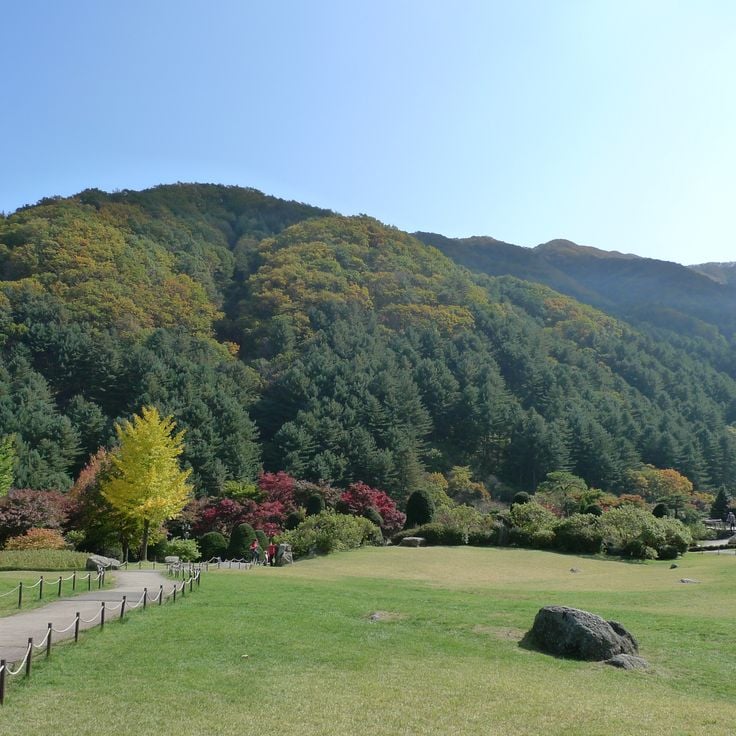
The Garden of Morning Calm sits in Gapyeong, surrounded by forested hills, and is one of Korea's oldest landscaped gardens. Paths wind through sections filled with flowers, small ponds, and shaded corners where you can watch the seasons change. In spring, cherry trees and azaleas are in full bloom. In autumn, the foliage turns deep red and orange. The garden is a good place to slow down and simply walk through nature at a comfortable pace.
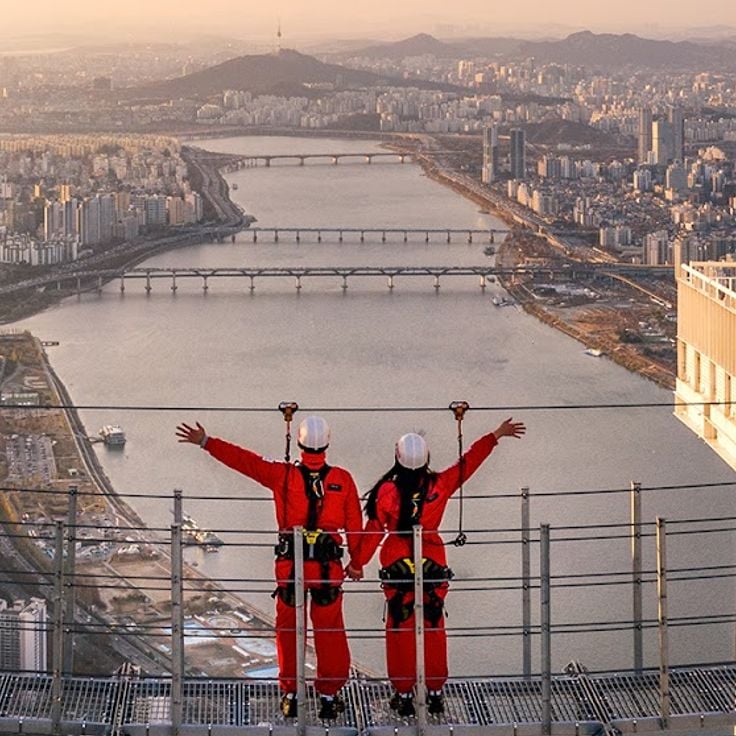
The Lotte World Tower rises 555 meters (1,820 feet) above Seoul and is the tallest building in South Korea. At the top, the Seoul Sky observatory offers a wide view over the city, from the Han River to the old palace districts and the surrounding mountains. The tower stands in the Jamsil neighborhood, close to the subway. Inside, there are shops, restaurants, and a hotel. But most visitors come for the view from above, where the full spread of Seoul opens up on all sides, in a way that makes the city feel both large and readable at once.
Gyeongbokgung Palace was built in 1395 and served as the heart of royal power during the Joseon dynasty. Walking through its gates, you enter a world of courtyards, pavilions, and gardens where Korean kings once ruled. The changing of the guard ceremony still takes place daily, giving a sense of what life here once looked like.
Changdeokgung Palace was built in the early 15th century and served for a long time as the main residence of the Joseon dynasty kings. Walking through its gates, you pass through ceremonial courtyards, royal halls, and private quarters. Behind the palace lies the Huwon, a garden with old trees, ponds, and small pavilions that was kept private for centuries. UNESCO has listed this site as a World Heritage Site.
Bukchon Hanok Village sits between Gyeongbokgung and Changdeokgung palaces in the heart of Seoul. Walking through its narrow lanes, you pass hundreds of traditional Korean houses called hanok, with curved tile roofs, wooden gates, and small inner courtyards. People still live here, so the neighborhood feels real rather than staged. From the upper alleys, you get a clear view over the rooftops toward the modern city below.
Jongmyo Shrine is a royal memorial from the Joseon dynasty, set within a forested compound in central Seoul. Inside, long wooden halls once housed the spirit tablets of kings and queens, and Confucian ceremonies are still held here today. The buildings are low, plain and carefully arranged, giving the place a tone very different from the rest of the city. Both the shrine and its ritual music are listed as UNESCO World Heritage.
Deoksugung Palace stands in central Seoul and is the only royal palace in the city where traditional Korean wooden halls and Western-style stone buildings share the same grounds. Walking through the main gate, you notice the contrast right away: curved tiled rooftops on one side, European-inspired facades from the early 1900s on the other. The palace grounds feel like a pause in the middle of the city, and many locals come here to walk the stone-paved paths and watch the trees change with the seasons. A changing-of-the-guard ceremony takes place at the main gate on a regular basis.
Gwanghwamun Square is a wide open space in the heart of Seoul, leading straight to Gyeongbokgung Palace. Two large statues stand along its central axis: King Sejong, who created the Korean alphabet, and Admiral Yi Sun-sin, who defended the country in the 16th century. People walk through at all hours, stop in front of the statues, and the view toward the palace with mountains rising behind it gives this square a very clear sense of place.
The Seoul City Wall, known as Hanyangdoseong, runs along the ridges of four mountains that once enclosed the old capital. First built at the end of the 14th century to protect the Joseon royal city, it was repaired and rebuilt many times over the centuries. Today, visitors can walk along marked paths through forests and old neighborhoods, passing stone sections from different periods side by side. From the higher points, you get a clear view of modern Seoul on one side and older rooftops on the other.
Namsangol Hanok Village is a group of traditional Korean houses at the foot of Namsan Mountain in Seoul. The buildings were brought from different parts of the city and rebuilt here so visitors can see how people lived during the Joseon dynasty. You walk through narrow paths, step inside old wooden homes with curved tiled roofs, and get a sense of daily life from centuries past. Right in the middle of a modern city, this village offers a rare look at how ordinary Koreans once cooked, slept, and gathered together.
N Seoul Tower sits on top of Namsan Mountain, a wooded hill rising from the middle of the city, and can be seen from many parts of Seoul. From the observation deck, the city spreads out in every direction: the Han River, old neighborhoods, glass towers and low rooftops all visible at once. You can reach the tower by walking through forested paths or by taking the cable car. At the base of the tower, visitors have attached locks to the railings over the years, a habit that has become part of the place. The tower itself works as a broadcast antenna, but most people come for the view and the sense of being above the city for a moment.
The Dongdaemun Design Plaza is a large building with curved shapes and a silver metal exterior, standing in the heart of Seoul. It hosts exhibitions, fashion shows, and design events throughout the year. The plaza draws visitors who want to discover modern Korean creativity up close. At night, the building lights up and transforms the feel of the surrounding neighborhood.
The Cheonggyecheon is a stream that runs through the heart of Seoul. For decades it was hidden under an elevated highway, until the road was torn down and the stream was restored in the early 2000s. Today it is a walkway that cuts through one of the busiest parts of the city. People come here to take a break from the surrounding streets, sit on the stone steps along the banks, or simply walk beside the water. Small bridges cross it at regular intervals, and the sound of flowing water stands out against the city noise around it.
The National Museum of Korea in Seoul traces the history and art of the Korean peninsula from prehistoric times to the modern era. The collections bring together ceramics, Buddhist sculptures, calligraphy, and everyday objects from many different periods. The rooms are spacious and easy to move through, making it simple to spend time with each piece. A visit here gives a clear sense of how Korean society lived, worked, and expressed itself over the centuries.
The War Memorial of Korea in Seoul is dedicated to the history of the Korean War and the country's long military past. Outside, you can walk around tanks, aircraft, and artillery pieces displayed in the open air. Inside, the galleries show uniforms, weapons, documents, and personal objects that help visitors understand how the war shaped everyday life. The memorial is a good place to take your time and learn about a period that still defines the Korean peninsula today.
Seoul Forest is a large park in the eastern part of the city, sitting right next to the Seongsu-dong neighborhood. Walking through it, you find shaded paths among trees, open lawns, and small ponds. Just beyond the park, Seongsu-dong is a former industrial area that has turned into a place full of workshops, cafés, and small galleries. The old factory buildings are still standing, but now craftspeople, designers, and small businesses have moved in. The shift from the quiet green space to the lively street happens gradually and naturally.
Myeongdong is one of Seoul's most visited shopping districts. Its narrow streets are lined with cosmetics stores, clothing shops, and food stalls where vendors prepare snacks right in front of you. The area draws both locals and travelers throughout the day and into the evening. Walking through it gives a clear sense of how commerce and daily life mix in the heart of the South Korean capital.
Insadong is a neighborhood in Seoul where art galleries, tea houses, and traditional craft shops line the narrow streets. Visitors and locals alike wander through antique dealers, browse handmade paper goods, and stop in small studios. The area gives a good sense of how Korean artistic traditions continue to have a place in everyday city life.
Hongdae is a neighborhood in western Seoul built around Hongik University. It is known for its small music venues, street performers, and art studios tucked between cafes and clothing shops. The streets fill up in the evening, when young people come from across the city to eat, listen to live music, and spend the night out. The area has a creative energy that has grown organically over the years, making it one of the go-to spots for Seoul's younger crowd.
Gwangjang Market is one of the oldest markets in Seoul, open for over a century. Walking through its covered alleys, you find stalls serving freshly made Korean dishes: bindaetteok (mung bean pancakes), mayak gimbap, and yukhoe, a raw beef dish. The air smells of hot oil and sesame. Local people sit side by side at long tables, eating while vendors call out their offerings. This market is not a performance for visitors. It is a place where Seoul residents have come to shop and eat for generations.
Hangang Park runs along the Han River, which crosses Seoul from east to west. Locals come here to ride bikes, jog, have picnics, or simply sit by the water and watch the river go by. On weekends, the park fills with families, students, and groups of friends. There are open lawns, walking paths, and small sandy spots along the riverbank. From here, you can see the city's bridges and buildings reflected on the water, which gives a good sense of daily life in Seoul.
Suwon Hwaseong Fortress was built at the end of the 18th century by order of King Jeongjo of the Joseon dynasty. Its walls, gates, watchtowers and battlements still ring the old center of Suwon. Walking along the top of the walls, you can see the city spread out below while getting a clear sense of what military life looked like here more than 200 years ago. The fortress has been a UNESCO World Heritage Site since 1997.
Hwaseong Haenggung Palace sits inside the walls of Hwaseong Fortress in Suwon and served as a temporary residence for the kings of the Joseon dynasty when they traveled away from the capital. Walking through the courtyards, you see low wooden buildings arranged around open spaces, giving a sense of how royal life looked outside of Seoul. The site is large enough to take your time, and it connects naturally to a walk along the fortress walls nearby.
The Korean Folk Village in Yongin is an open-air museum where you can walk through actual old houses brought from across the country and reassembled on site. Craftspeople work in workshops along the lanes, making pottery, weaving fabric, and shaping metal. The thatched roofs, inner courtyards, and dirt paths give a direct sense of how ordinary people lived during the Joseon dynasty, several centuries ago. On some days, traditional performances such as tightrope walking and farmers' dances take place in the open air.
Namhansanseong Fortress sits on a mountain ridge about 15 miles (25 km) southeast of Seoul and has been a UNESCO World Heritage Site since 2014. Built in the 17th century as a refuge for the Joseon royal family during times of war, the fortress walls wind along the ridgeline for several miles. Walking the ramparts gives you open views over the surrounding hills and, on clear days, toward Seoul. The site is popular with day-trippers and hikers, and the village inside the walls has small restaurants serving local food.
The Yeoju Royal Tombs are the burial sites of two kings from the Joseon dynasty. King Sejong, who created the Korean alphabet Hangul, rests here alongside King Hyojong. The site sits among pine trees and gentle hills outside the city of Yeoju. Visitors walk along shaded paths and observe the rounded grass mounds that mark the royal graves. This style of royal burial follows traditions that were passed down over many centuries.
Imjingak Pyeonghwa Nuri Park sits close to the Demilitarized Zone and gives visitors a direct sense of Korea's division. Rusted trains, old bridges, and memorials recall the time when North and South were one. Families come here to walk along the Imjin River, look toward the North, and stand before monuments that carry the weight of a separation that has lasted for decades.
The Dora Observatory sits close to the demilitarized zone, on a hill that looks directly toward North Korea. From the viewing platform, you can see fields, villages and mountains across the border. Binoculars are available, and panels explain what lies in front of you. The place is quiet and carries a heavy sense of history. Standing here makes the division of the Korean peninsula feel very real and very close.
The Third Infiltration Tunnel was discovered in 1978 under the demilitarized zone near Paju, north of Seoul. North Korean forces had dug it secretly, intending to move troops into the South without being detected. Visitors can walk into the tunnel and feel how narrow and low it is. The rock walls around you and the silence underground make the history of the divided peninsula feel very close and real.
Dorasan Station sits close to the inter-Korean border, at the edge of the demilitarized zone. It was built when the two Koreas were talking to each other, with the hope that trains would one day run north. Today, no train crosses. The station is open to visitors, and you can stand on the platform and look at the tracks heading toward North Korea. The place feels like a waiting room where time stopped. A signboard points the distance to Pyongyang, and that detail alone says a great deal about what this station was meant to be.
Heyri Art Valley is a village in Paju built by a community of artists, writers, and musicians who designed it from the ground up. Each building was shaped by a different architect, so the streets feel like an open collection of forms and materials. Galleries, studios, and small museums sit side by side, and the work shown inside often comes from people who actually live and create here. Cafes and bookshops make it easy to slow down and spend a few hours wandering.
Everland is South Korea's largest theme park, located in Yongin in Gyeonggi Province, about 1 hour (roughly 40 kilometers) from Seoul. The park draws visitors year-round with roller coasters, a zoo area, and seasonal flower displays that change the look of the place depending on the time of year. Families, teenagers and school groups all come here for a day out of the city.
Gwangmyeong Cave is a former metal mine that has been turned into an underground site open to visitors. You walk through narrow tunnels carved into the rock, where lighting and displays tell the story of the mine and the people who worked here. The mine operated for decades before it closed and was later reopened in this new form. It gives a good sense of what life underground looked like for the miners.
Seoul Grand Park & MMCA Gwacheon sits in Gwacheon, south of Seoul, and brings together a zoo, a large park, and the National Museum of Modern and Contemporary Art (MMCA) on one site. The zoo houses animals from around the world, while the park offers walking paths, a lake, and open green areas where families come to spend the day. The MMCA Gwacheon displays Korean and international modern art in bright, open galleries. It is a place where people come to slow down, walk, and move between nature and art in the same visit.
Jebudo is a small island off the west coast of Hwaseong, in Gyeonggi Province. At low tide, the sea pulls back and reveals a sandy path that connects the island to the mainland. People walk across this natural crossing, watching the water recede on both sides. For those who prefer not to walk, a cable car runs above the water and gives a clear view of the coastline and the tidal flats below.
The Garden of Morning Calm sits in Gapyeong, surrounded by forested hills, and is one of Korea's oldest landscaped gardens. Paths wind through sections filled with flowers, small ponds, and shaded corners where you can watch the seasons change. In spring, cherry trees and azaleas are in full bloom. In autumn, the foliage turns deep red and orange. The garden is a good place to slow down and simply walk through nature at a comfortable pace.
The Lotte World Tower rises 555 meters (1,820 feet) above Seoul and is the tallest building in South Korea. At the top, the Seoul Sky observatory offers a wide view over the city, from the Han River to the old palace districts and the surrounding mountains. The tower stands in the Jamsil neighborhood, close to the subway. Inside, there are shops, restaurants, and a hotel. But most visitors come for the view from above, where the full spread of Seoul opens up on all sides, in a way that makes the city feel both large and readable at once.
Gyeongbokgung Palace was built in 1395 and served as the heart of royal power during the Joseon dynasty. Walking through its gates, you enter a world of courtyards, pavilions, and gardens where Korean kings once ruled. The changing of the guard ceremony still takes place daily, giving a sense of what life here once looked like.
Changdeokgung Palace was built in the early 15th century and served for a long time as the main residence of the Joseon dynasty kings. Walking through its gates, you pass through ceremonial courtyards, royal halls, and private quarters. Behind the palace lies the Huwon, a garden with old trees, ponds, and small pavilions that was kept private for centuries. UNESCO has listed this site as a World Heritage Site.
Bukchon Hanok Village sits between Gyeongbokgung and Changdeokgung palaces in the heart of Seoul. Walking through its narrow lanes, you pass hundreds of traditional Korean houses called hanok, with curved tile roofs, wooden gates, and small inner courtyards. People still live here, so the neighborhood feels real rather than staged. From the upper alleys, you get a clear view over the rooftops toward the modern city below.
Jongmyo Shrine is a royal memorial from the Joseon dynasty, set within a forested compound in central Seoul. Inside, long wooden halls once housed the spirit tablets of kings and queens, and Confucian ceremonies are still held here today. The buildings are low, plain and carefully arranged, giving the place a tone very different from the rest of the city. Both the shrine and its ritual music are listed as UNESCO World Heritage.
Deoksugung Palace stands in central Seoul and is the only royal palace in the city where traditional Korean wooden halls and Western-style stone buildings share the same grounds. Walking through the main gate, you notice the contrast right away: curved tiled rooftops on one side, European-inspired facades from the early 1900s on the other. The palace grounds feel like a pause in the middle of the city, and many locals come here to walk the stone-paved paths and watch the trees change with the seasons. A changing-of-the-guard ceremony takes place at the main gate on a regular basis.
Gwanghwamun Square is a wide open space in the heart of Seoul, leading straight to Gyeongbokgung Palace. Two large statues stand along its central axis: King Sejong, who created the Korean alphabet, and Admiral Yi Sun-sin, who defended the country in the 16th century. People walk through at all hours, stop in front of the statues, and the view toward the palace with mountains rising behind it gives this square a very clear sense of place.
The Seoul City Wall, known as Hanyangdoseong, runs along the ridges of four mountains that once enclosed the old capital. First built at the end of the 14th century to protect the Joseon royal city, it was repaired and rebuilt many times over the centuries. Today, visitors can walk along marked paths through forests and old neighborhoods, passing stone sections from different periods side by side. From the higher points, you get a clear view of modern Seoul on one side and older rooftops on the other.
Namsangol Hanok Village is a group of traditional Korean houses at the foot of Namsan Mountain in Seoul. The buildings were brought from different parts of the city and rebuilt here so visitors can see how people lived during the Joseon dynasty. You walk through narrow paths, step inside old wooden homes with curved tiled roofs, and get a sense of daily life from centuries past. Right in the middle of a modern city, this village offers a rare look at how ordinary Koreans once cooked, slept, and gathered together.
N Seoul Tower sits on top of Namsan Mountain, a wooded hill rising from the middle of the city, and can be seen from many parts of Seoul. From the observation deck, the city spreads out in every direction: the Han River, old neighborhoods, glass towers and low rooftops all visible at once. You can reach the tower by walking through forested paths or by taking the cable car. At the base of the tower, visitors have attached locks to the railings over the years, a habit that has become part of the place. The tower itself works as a broadcast antenna, but most people come for the view and the sense of being above the city for a moment.
The Dongdaemun Design Plaza is a large building with curved shapes and a silver metal exterior, standing in the heart of Seoul. It hosts exhibitions, fashion shows, and design events throughout the year. The plaza draws visitors who want to discover modern Korean creativity up close. At night, the building lights up and transforms the feel of the surrounding neighborhood.
The Cheonggyecheon is a stream that runs through the heart of Seoul. For decades it was hidden under an elevated highway, until the road was torn down and the stream was restored in the early 2000s. Today it is a walkway that cuts through one of the busiest parts of the city. People come here to take a break from the surrounding streets, sit on the stone steps along the banks, or simply walk beside the water. Small bridges cross it at regular intervals, and the sound of flowing water stands out against the city noise around it.
The National Museum of Korea in Seoul traces the history and art of the Korean peninsula from prehistoric times to the modern era. The collections bring together ceramics, Buddhist sculptures, calligraphy, and everyday objects from many different periods. The rooms are spacious and easy to move through, making it simple to spend time with each piece. A visit here gives a clear sense of how Korean society lived, worked, and expressed itself over the centuries.
The War Memorial of Korea in Seoul is dedicated to the history of the Korean War and the country's long military past. Outside, you can walk around tanks, aircraft, and artillery pieces displayed in the open air. Inside, the galleries show uniforms, weapons, documents, and personal objects that help visitors understand how the war shaped everyday life. The memorial is a good place to take your time and learn about a period that still defines the Korean peninsula today.
Seoul Forest is a large park in the eastern part of the city, sitting right next to the Seongsu-dong neighborhood. Walking through it, you find shaded paths among trees, open lawns, and small ponds. Just beyond the park, Seongsu-dong is a former industrial area that has turned into a place full of workshops, cafés, and small galleries. The old factory buildings are still standing, but now craftspeople, designers, and small businesses have moved in. The shift from the quiet green space to the lively street happens gradually and naturally.
Myeongdong is one of Seoul's most visited shopping districts. Its narrow streets are lined with cosmetics stores, clothing shops, and food stalls where vendors prepare snacks right in front of you. The area draws both locals and travelers throughout the day and into the evening. Walking through it gives a clear sense of how commerce and daily life mix in the heart of the South Korean capital.
Insadong is a neighborhood in Seoul where art galleries, tea houses, and traditional craft shops line the narrow streets. Visitors and locals alike wander through antique dealers, browse handmade paper goods, and stop in small studios. The area gives a good sense of how Korean artistic traditions continue to have a place in everyday city life.
Hongdae is a neighborhood in western Seoul built around Hongik University. It is known for its small music venues, street performers, and art studios tucked between cafes and clothing shops. The streets fill up in the evening, when young people come from across the city to eat, listen to live music, and spend the night out. The area has a creative energy that has grown organically over the years, making it one of the go-to spots for Seoul's younger crowd.
Gwangjang Market is one of the oldest markets in Seoul, open for over a century. Walking through its covered alleys, you find stalls serving freshly made Korean dishes: bindaetteok (mung bean pancakes), mayak gimbap, and yukhoe, a raw beef dish. The air smells of hot oil and sesame. Local people sit side by side at long tables, eating while vendors call out their offerings. This market is not a performance for visitors. It is a place where Seoul residents have come to shop and eat for generations.
Hangang Park runs along the Han River, which crosses Seoul from east to west. Locals come here to ride bikes, jog, have picnics, or simply sit by the water and watch the river go by. On weekends, the park fills with families, students, and groups of friends. There are open lawns, walking paths, and small sandy spots along the riverbank. From here, you can see the city's bridges and buildings reflected on the water, which gives a good sense of daily life in Seoul.
Suwon Hwaseong Fortress was built at the end of the 18th century by order of King Jeongjo of the Joseon dynasty. Its walls, gates, watchtowers and battlements still ring the old center of Suwon. Walking along the top of the walls, you can see the city spread out below while getting a clear sense of what military life looked like here more than 200 years ago. The fortress has been a UNESCO World Heritage Site since 1997.
Hwaseong Haenggung Palace sits inside the walls of Hwaseong Fortress in Suwon and served as a temporary residence for the kings of the Joseon dynasty when they traveled away from the capital. Walking through the courtyards, you see low wooden buildings arranged around open spaces, giving a sense of how royal life looked outside of Seoul. The site is large enough to take your time, and it connects naturally to a walk along the fortress walls nearby.
The Korean Folk Village in Yongin is an open-air museum where you can walk through actual old houses brought from across the country and reassembled on site. Craftspeople work in workshops along the lanes, making pottery, weaving fabric, and shaping metal. The thatched roofs, inner courtyards, and dirt paths give a direct sense of how ordinary people lived during the Joseon dynasty, several centuries ago. On some days, traditional performances such as tightrope walking and farmers' dances take place in the open air.
Namhansanseong Fortress sits on a mountain ridge about 15 miles (25 km) southeast of Seoul and has been a UNESCO World Heritage Site since 2014. Built in the 17th century as a refuge for the Joseon royal family during times of war, the fortress walls wind along the ridgeline for several miles. Walking the ramparts gives you open views over the surrounding hills and, on clear days, toward Seoul. The site is popular with day-trippers and hikers, and the village inside the walls has small restaurants serving local food.
The Yeoju Royal Tombs are the burial sites of two kings from the Joseon dynasty. King Sejong, who created the Korean alphabet Hangul, rests here alongside King Hyojong. The site sits among pine trees and gentle hills outside the city of Yeoju. Visitors walk along shaded paths and observe the rounded grass mounds that mark the royal graves. This style of royal burial follows traditions that were passed down over many centuries.
Imjingak Pyeonghwa Nuri Park sits close to the Demilitarized Zone and gives visitors a direct sense of Korea's division. Rusted trains, old bridges, and memorials recall the time when North and South were one. Families come here to walk along the Imjin River, look toward the North, and stand before monuments that carry the weight of a separation that has lasted for decades.
The Dora Observatory sits close to the demilitarized zone, on a hill that looks directly toward North Korea. From the viewing platform, you can see fields, villages and mountains across the border. Binoculars are available, and panels explain what lies in front of you. The place is quiet and carries a heavy sense of history. Standing here makes the division of the Korean peninsula feel very real and very close.
The Third Infiltration Tunnel was discovered in 1978 under the demilitarized zone near Paju, north of Seoul. North Korean forces had dug it secretly, intending to move troops into the South without being detected. Visitors can walk into the tunnel and feel how narrow and low it is. The rock walls around you and the silence underground make the history of the divided peninsula feel very close and real.
Dorasan Station sits close to the inter-Korean border, at the edge of the demilitarized zone. It was built when the two Koreas were talking to each other, with the hope that trains would one day run north. Today, no train crosses. The station is open to visitors, and you can stand on the platform and look at the tracks heading toward North Korea. The place feels like a waiting room where time stopped. A signboard points the distance to Pyongyang, and that detail alone says a great deal about what this station was meant to be.
Heyri Art Valley is a village in Paju built by a community of artists, writers, and musicians who designed it from the ground up. Each building was shaped by a different architect, so the streets feel like an open collection of forms and materials. Galleries, studios, and small museums sit side by side, and the work shown inside often comes from people who actually live and create here. Cafes and bookshops make it easy to slow down and spend a few hours wandering.
Everland is South Korea's largest theme park, located in Yongin in Gyeonggi Province, about 1 hour (roughly 40 kilometers) from Seoul. The park draws visitors year-round with roller coasters, a zoo area, and seasonal flower displays that change the look of the place depending on the time of year. Families, teenagers and school groups all come here for a day out of the city.
Gwangmyeong Cave is a former metal mine that has been turned into an underground site open to visitors. You walk through narrow tunnels carved into the rock, where lighting and displays tell the story of the mine and the people who worked here. The mine operated for decades before it closed and was later reopened in this new form. It gives a good sense of what life underground looked like for the miners.
Seoul Grand Park & MMCA Gwacheon sits in Gwacheon, south of Seoul, and brings together a zoo, a large park, and the National Museum of Modern and Contemporary Art (MMCA) on one site. The zoo houses animals from around the world, while the park offers walking paths, a lake, and open green areas where families come to spend the day. The MMCA Gwacheon displays Korean and international modern art in bright, open galleries. It is a place where people come to slow down, walk, and move between nature and art in the same visit.
Jebudo is a small island off the west coast of Hwaseong, in Gyeonggi Province. At low tide, the sea pulls back and reveals a sandy path that connects the island to the mainland. People walk across this natural crossing, watching the water recede on both sides. For those who prefer not to walk, a cable car runs above the water and gives a clear view of the coastline and the tidal flats below.
The Garden of Morning Calm sits in Gapyeong, surrounded by forested hills, and is one of Korea's oldest landscaped gardens. Paths wind through sections filled with flowers, small ponds, and shaded corners where you can watch the seasons change. In spring, cherry trees and azaleas are in full bloom. In autumn, the foliage turns deep red and orange. The garden is a good place to slow down and simply walk through nature at a comfortable pace.
The Lotte World Tower rises 555 meters (1,820 feet) above Seoul and is the tallest building in South Korea. At the top, the Seoul Sky observatory offers a wide view over the city, from the Han River to the old palace districts and the surrounding mountains. The tower stands in the Jamsil neighborhood, close to the subway. Inside, there are shops, restaurants, and a hotel. But most visitors come for the view from above, where the full spread of Seoul opens up on all sides, in a way that makes the city feel both large and readable at once.
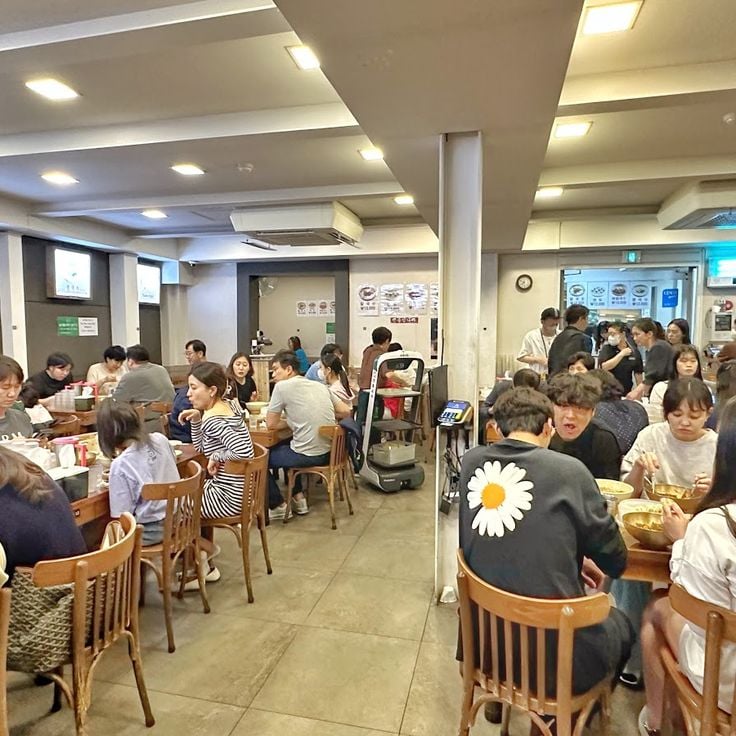
Try the food in small local restaurants rather than tourist chains. Each neighborhood has its specialties: ask the locals where they eat. That is where you will really feel the energy of the region.