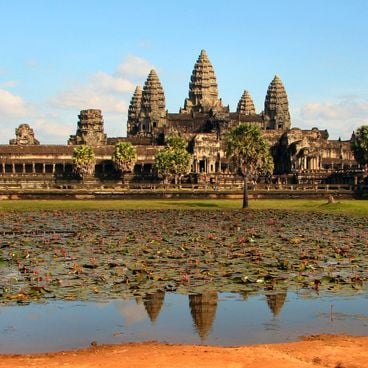
Remarkable sites in the United Arab Emirates: contemporary architecture, cultural heritage and tourist attractions
The United Arab Emirates feature contemporary architectural achievements and monuments that reflect their heritage. Over a few decades, the country has developed infrastructures attracting millions of visitors: glass and steel towers redefining city skylines, international museums showcasing collections from various eras, custom-made islands spread across the Persian Gulf. Alongside these recent constructions, stone forts and mosques serve as reminders of the region's history and traditions.
Dubai, United Arab Emirates
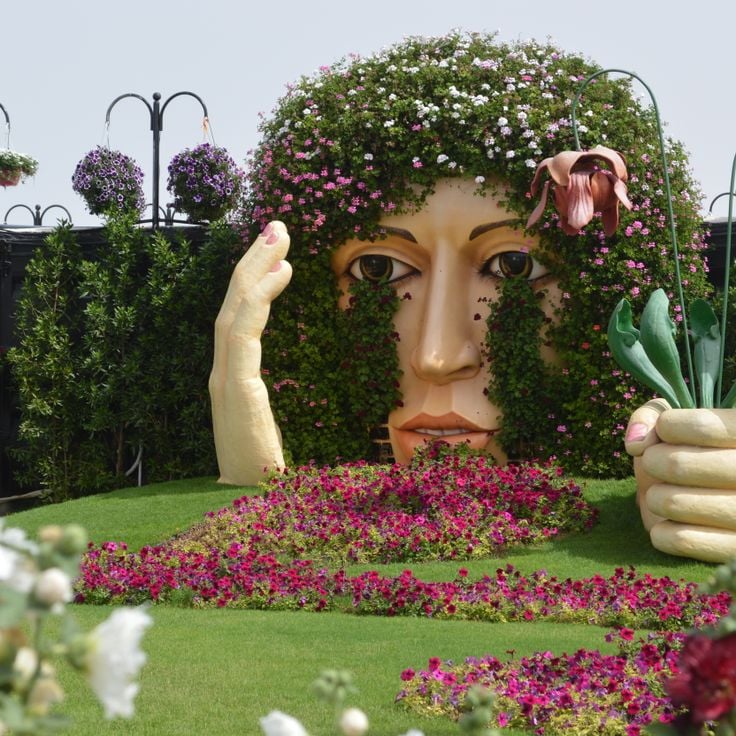
Dubai Miracle Garden is a flower park covering 72,000 square meters (775,000 square feet) in the Dubai desert. The site displays over 50 million flowers arranged in various patterns and shapes: arches, pyramids, sculptures and large-scale installations made from living plants. The irrigation system uses recycled wastewater to sustain the flowers in the arid environment. The park opens during the cooler season from November to May and refreshes its design each year. It ranks among the world's largest flower gardens and attracts several hundred thousand visitors annually who walk through themed sections and photograph the colorful displays.
Dubai, United Arab Emirates
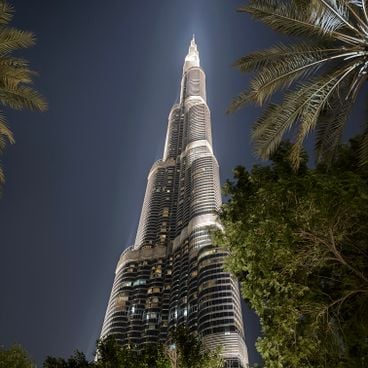
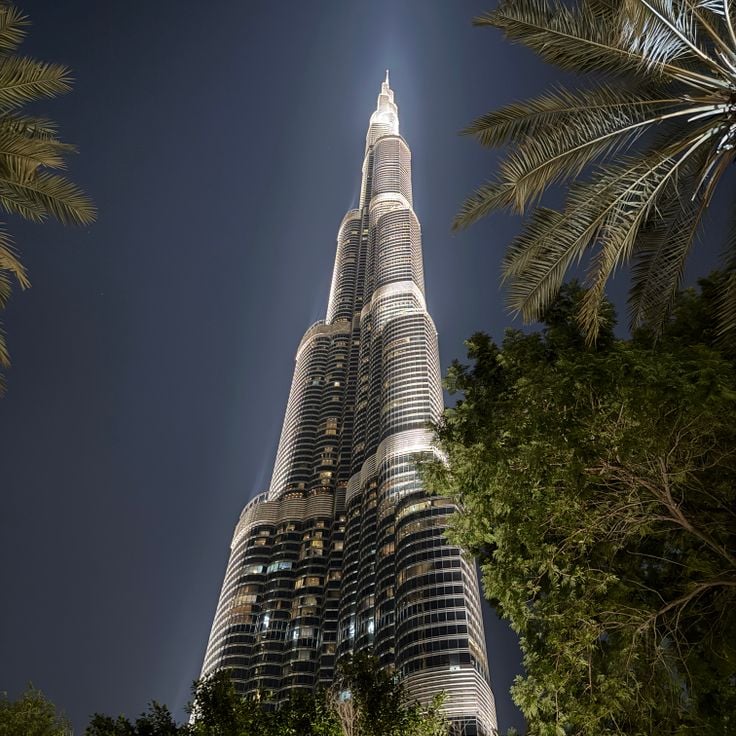
The Burj Khalifa rises 2,717 feet (828 meters) across 163 floors, making it the tallest building in the world. The tower in central Dubai houses residential units, offices and a hotel, along with multiple observation decks that provide views over the city and the Persian Gulf coastline. The main observation deck sits at 1,483 feet (452 meters) on the 124th floor, with another at 1,821 feet (555 meters). The building opened in 2010 and stands as an example of the urban development the Emirates have undergone over recent decades. The tower is accessed through a system of high-speed elevators that carry visitors to the upper levels in under a minute.
Dubai, United Arab Emirates
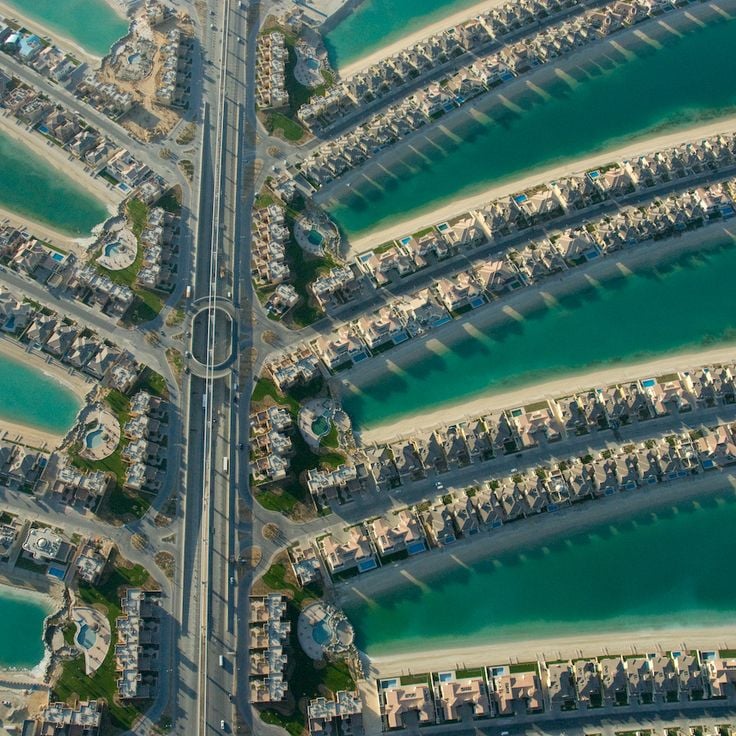
Palm Jumeirah is an artificial island complex extending approximately 3 miles (5 kilometers) into the Persian Gulf, composed of a central trunk and 16 fronds. This structure was created between 2001 and 2006 through land reclamation and houses luxury hotels, residential developments and private villas. The island features a 7-mile (11-kilometer) outer crescent that serves as a breakwater, along which beaches and dining establishments are located. Notable structures include the Atlantis The Palm resort at the outer edge of the central axis. The island connects to the mainland via a six-lane bridge and an underwater tunnel, and was completed as the first in a series of artificial island projects in Dubai.
Dubai, United Arab Emirates
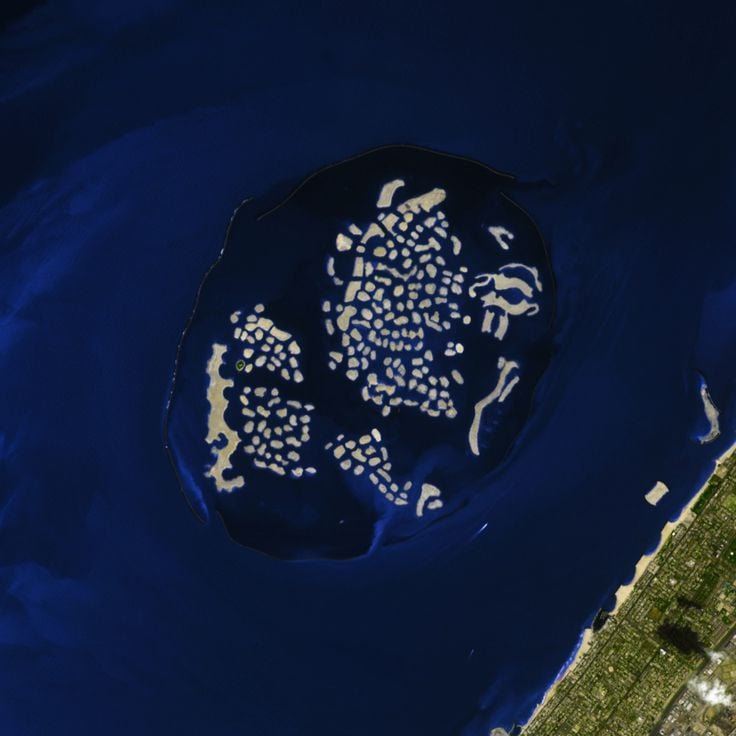
The Îles du Monde form an artificial archipelago off the coast of Dubai, consisting of approximately 300 islands shaped to represent the continents of Earth. The project extends 5.6 miles (9 kilometers) along the coastline in the Persian Gulf. Construction took place between 2003 and 2008 through land reclamation, using sand and rock dredged from the seafloor. Most islands are designated for private villas, hotels and leisure facilities, though many have remained undeveloped since completion. The archipelago is visible from the mainland and accessible by boat or helicopter.
Abu Dhabi, United Arab Emirates
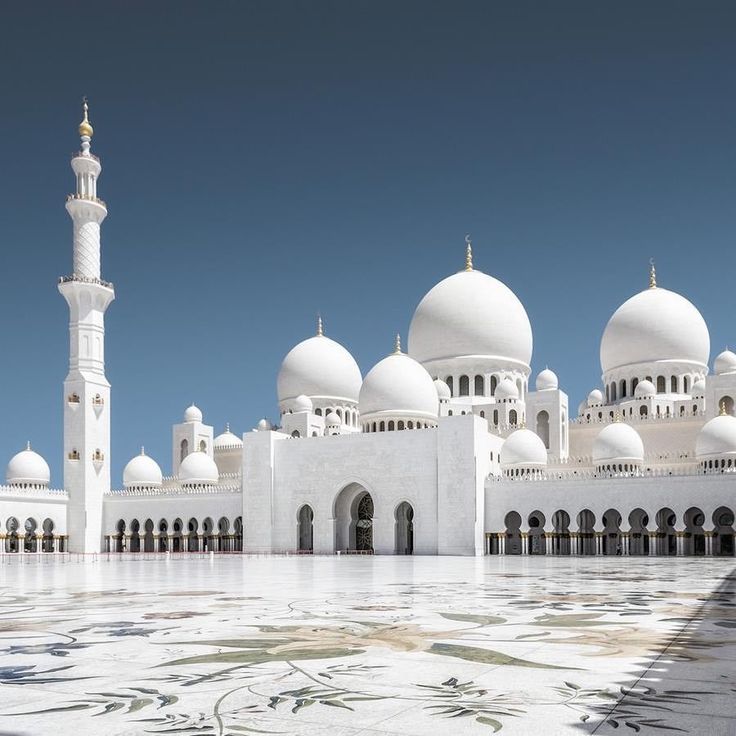
The Sheikh Zayed Grand Mosque in Abu Dhabi spans about 240000 square feet (22000 square meters) and combines traditional Islamic architecture with modern engineering. The complex includes 82 white marble domes, four minarets each rising 351 feet (107 meters), and a prayer hall with space for 40000 worshippers. The mosque serves as a landmark of the emirate and represents the cultural and religious heritage of the region. Interior spaces feature large chandeliers, handwoven carpets and columns with inlay work. Construction began in the late 1990s and was completed in 2007.
Yas Island, United Arab Emirates
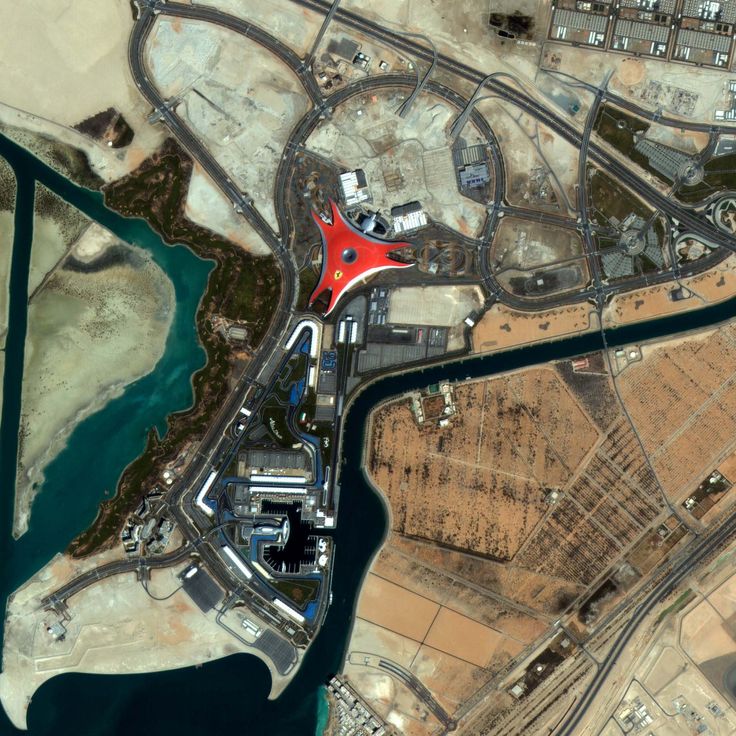
This theme park on Yas Island centers on the Italian automotive brand and houses Formula Rossa, a roller coaster that reaches speeds of 150 miles per hour (240 kilometers per hour). The facility spreads beneath a red roof covering roughly 2.2 million square feet (200,000 square meters) and presents more than 40 rides and attractions focused on speed and vehicle engineering. Ferrari World offers interactive exhibits on the brand's history, simulators and driving experiences for various age groups. The park sits near other leisure facilities on Yas Island and draws visitors interested in motorsport and technical innovation.
Abu Dhabi, United Arab Emirates
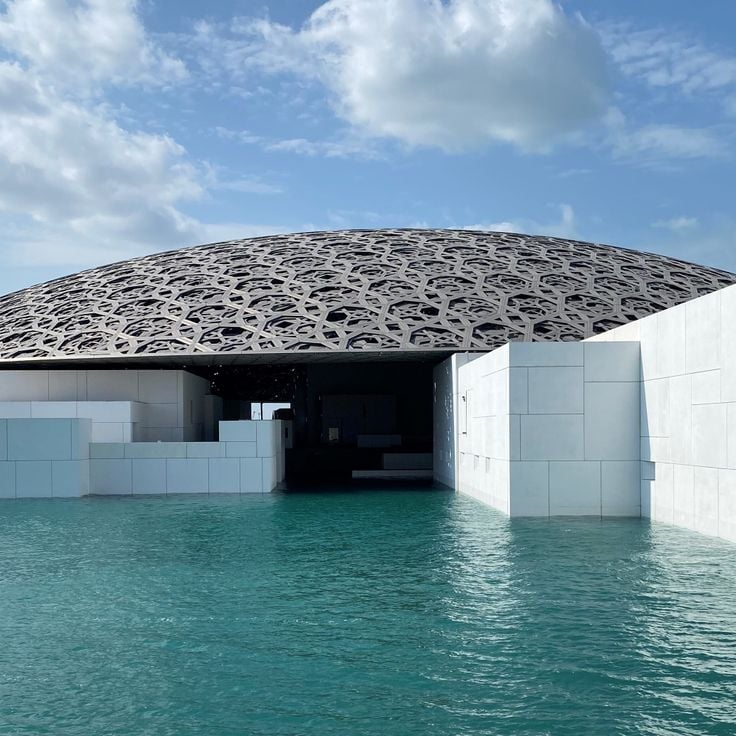
The Louvre Abu Dhabi displays artworks from various periods beneath a 180-meter (590-foot) wide dome designed by Jean Nouvel. The museum opened in 2017 on Saadiyat Island and presents paintings, sculptures and historical objects from Africa, Asia, Europe and the Americas. Collections include loans from French museums alongside acquisitions by the Emirati government. The perforated dome casts shifting light patterns across galleries and outdoor spaces. Visitors can walk through chronologically arranged exhibition rooms that document cultural connections between different civilizations and trace artistic traditions across several millennia.
Dubai, United Arab Emirates
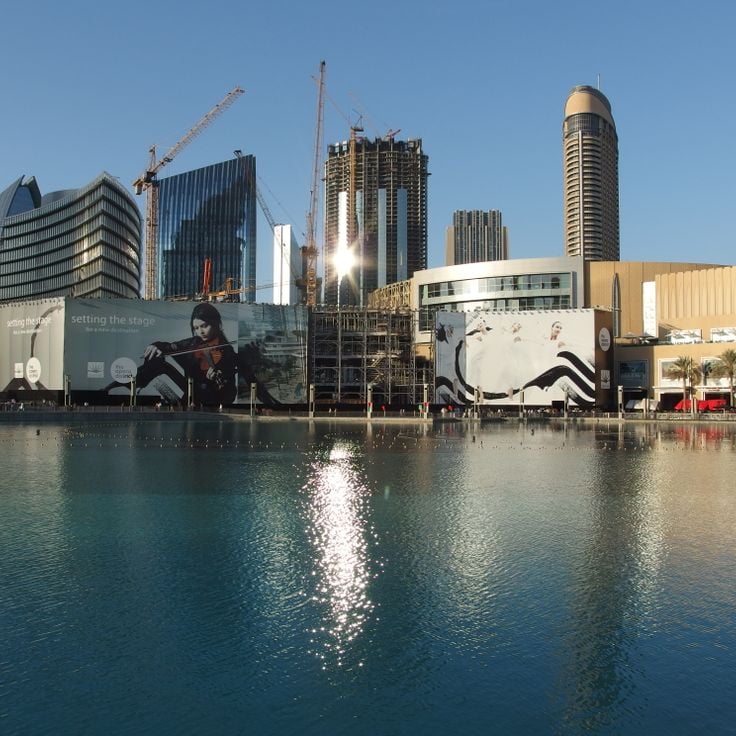
The Dubai Mall covers approximately 500,000 square meters (5.4 million square feet) of retail space in downtown Dubai and houses over 1,200 shops along with various entertainment facilities. The complex includes a large aquarium holding 2.6 million gallons of water with several thousand marine animals, as well as an Olympic-sized ice rink. The mall stands at the base of the Burj Khalifa and draws several dozen million visitors annually. Beyond international retail brands, visitors find restaurants, a cinema complex and an edutainment zone with interactive exhibits. The architecture combines glass and steel with traditional Arabian design elements.
Dubai, United Arab Emirates
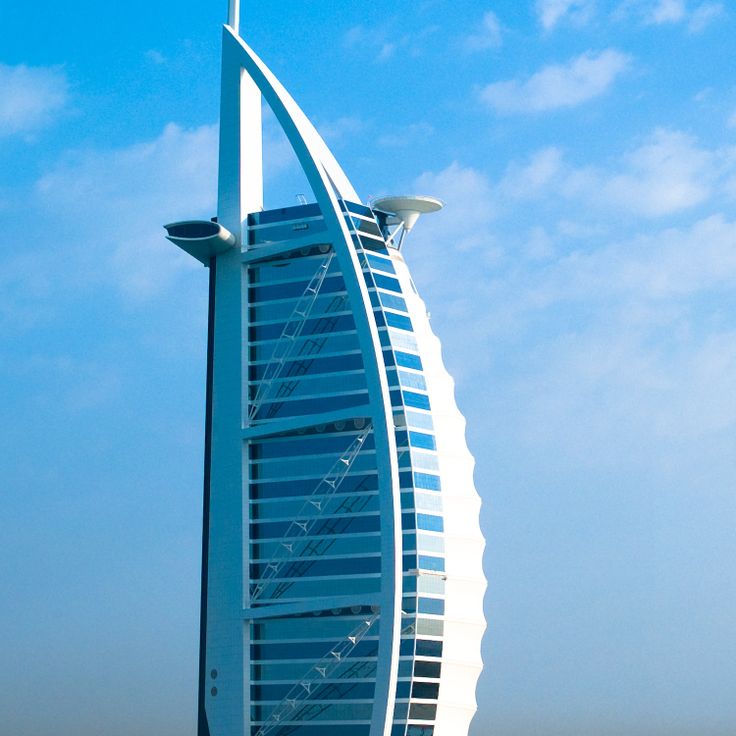
The Burj Al Arab stands on an artificial island off the Dubai coast and contains 202 rooms across 28 double-story floors. The white exterior takes the form of a sail and rises to approximately 1,053 feet (321 meters). The building was completed in 1999 and connected to the mainland by a private road tunnel. The interior houses several restaurants, including one below sea level with views into an aquarium, and a bar at around 656 feet (200 meters). The structure rests on approximately 230 concrete columns driven into the sandy bed of the Persian Gulf.
Abu Dhabi, United Arab Emirates
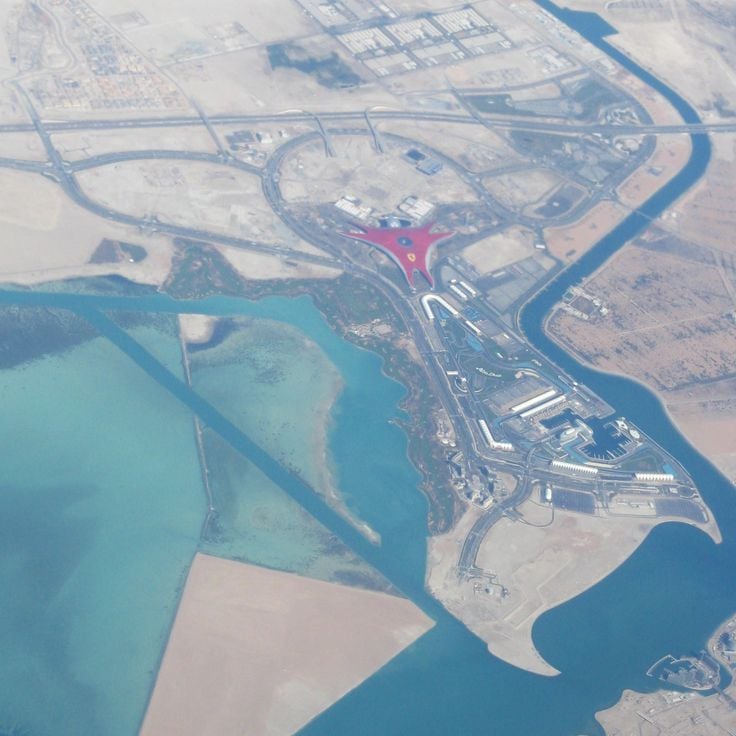
Yas Island has developed into a leisure complex that combines a Formula 1 racing circuit, a water park, a Ferrari theme park, an expansive shopping mall and several hotels. The roughly 10 square mile (25 square kilometer) site lies off the coast of Abu Dhabi and was built on natural terrain connected to the mainland by a causeway. Yas Marina Circuit has hosted the Abu Dhabi Grand Prix since 2009, while Yas Waterworld offers over 40 attractions spread across an area of about 37 acres (15 hectares). Ferrari World Abu Dhabi houses several roller coasters and interactive exhibitions. The infrastructure also includes a golf course, beaches and marinas. The island caters to both motorsport fans and families with children, providing a mix of adrenaline and entertainment.
Dubai, United Arab Emirates
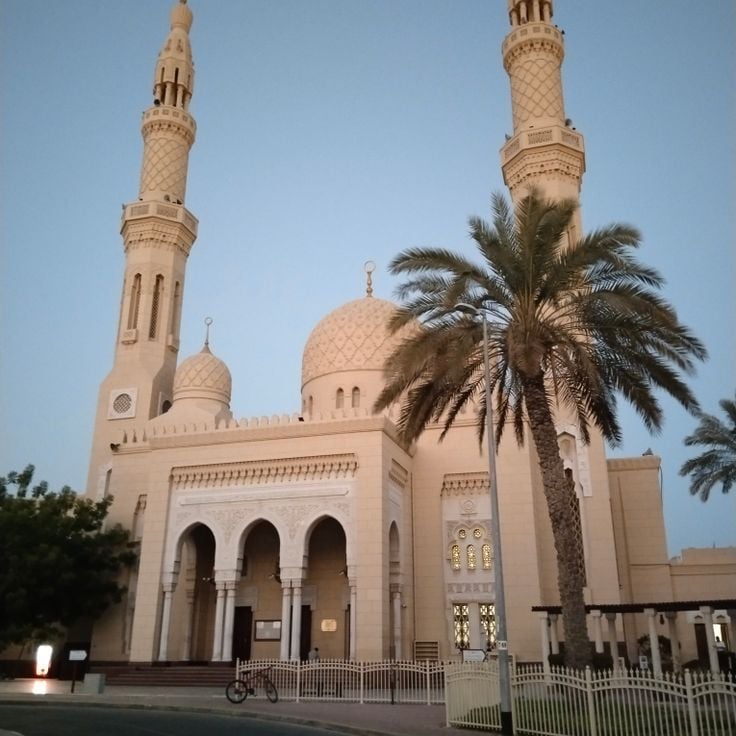
Jumeirah Mosque was built in 1979 following the Fatimid architectural style and accommodates up to 1200 worshippers. The structure features two minarets and several domes that reference centuries of architectural tradition. This mosque is among the few in Dubai that opens its doors to non-Muslim visitors through organized tours. These visits provide insight into Islamic architecture, religious practices and the cultural significance of the building within the local community. The white stone exterior is illuminated at night, highlighting the decorative details of the facade.
Dubai, United Arab Emirates
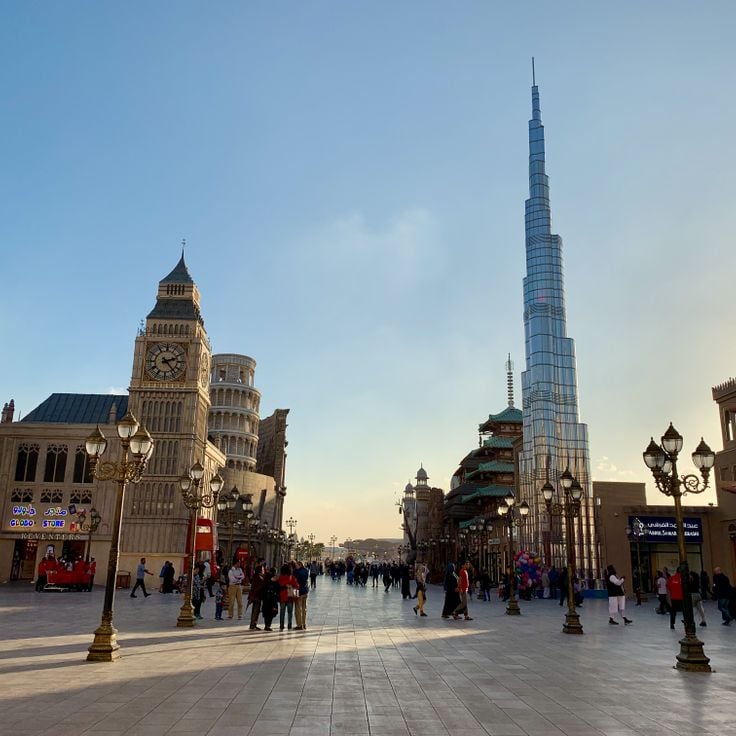
Global Village combines cultural presentations, retail and entertainment on a seasonal fairground site in Dubai. The park features pavilions from around 90 countries, each showcasing handicrafts, textiles and regional products. Visitors can experience performances on multiple stages, sample international cuisine in restaurants and food stalls, or use rides and attractions. The site opens annually from October to April and receives several million guests from the region and abroad during these months.
Hatta, United Arab Emirates
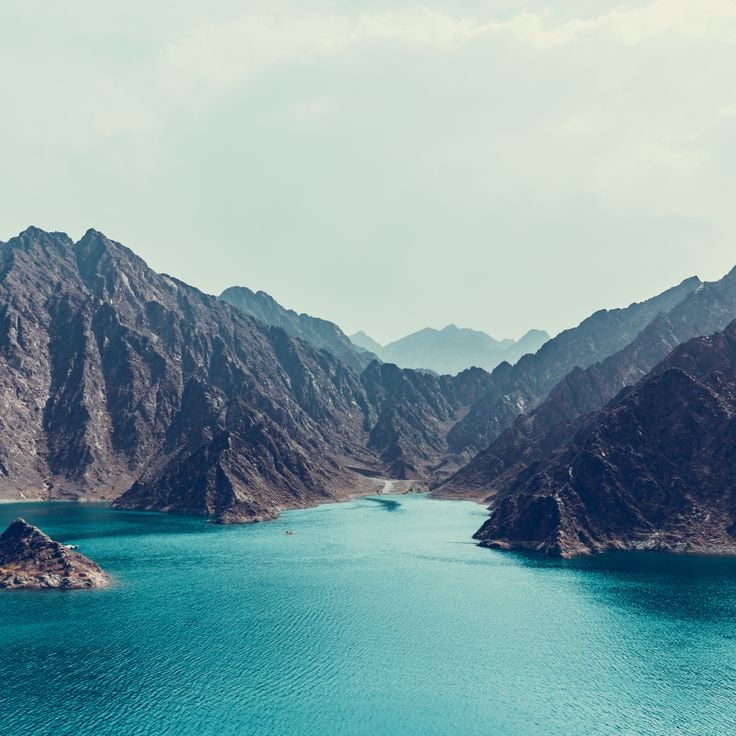
This reservoir sits in the Hajar Mountains about 80 miles (130 kilometers) east of Dubai and was built in the 1990s for water supply. The man-made lake extends for several miles between rock walls and hills that rise over 3,300 feet (1,000 meters). Visitors can paddle kayaks, rent pedal boats or walk marked trails along the shoreline. The facility is part of a broader project to develop the Hatta region, which includes accommodation options and additional recreational facilities.
Al Ain, United Arab Emirates
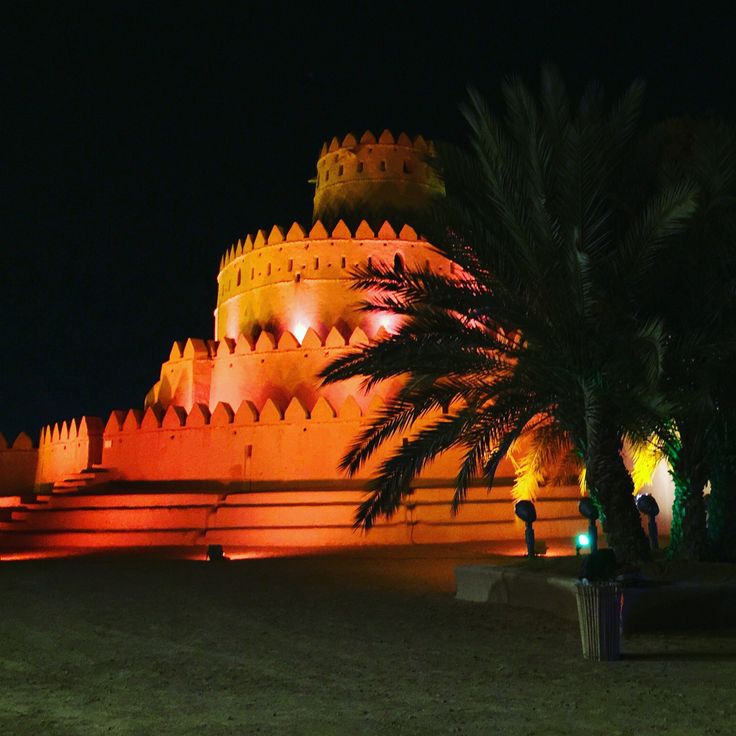
This military structure was built in 1891 to protect the oasis town and stands as one of Al Ain's most significant historical sites. The restored rooms now house a permanent exhibition on British explorer Wilfred Thesiger, who crossed the Empty Quarter of the Arabian Peninsula in the 1940s. The fort documents late 19th-century military architecture with its watchtowers and inner courtyards, while the cultural center provides insight into the exploration history of the region.
Abu Dhabi, United Arab Emirates
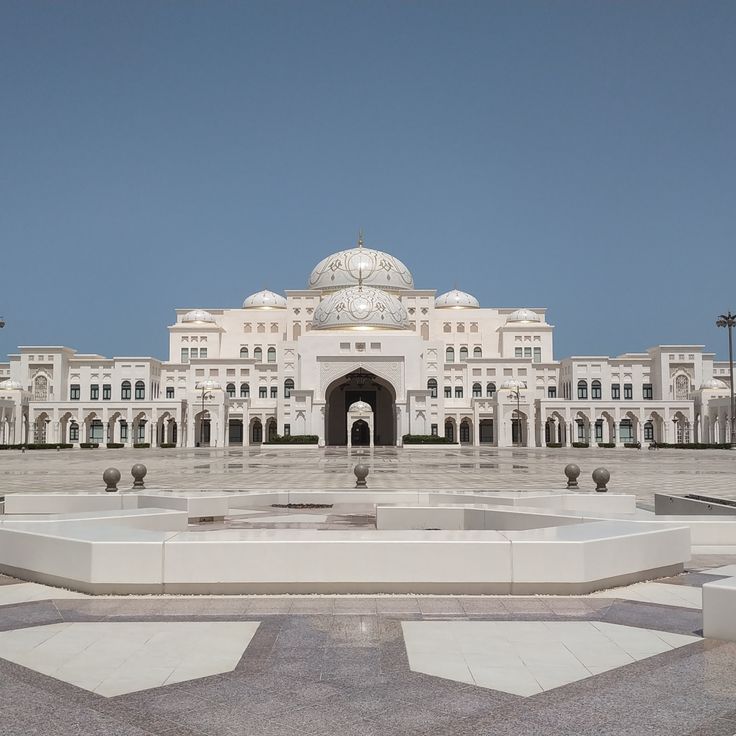
Qasr Al Watan opened in 2019 as the presidential palace of the United Arab Emirates and welcomes visitors into its halls of white marble geometric patterns, turquoise domes and chandeliers. The building serves as a working government site while displaying collections of Arabic art, calligraphy and traditional craftsmanship. The main hall rises several stories, while the library holds some 50,000 volumes on regional history and Islamic civilization. Exhibition rooms present treaties, state gifts and historical documents that offer insight into the Emirates' diplomacy and governance.
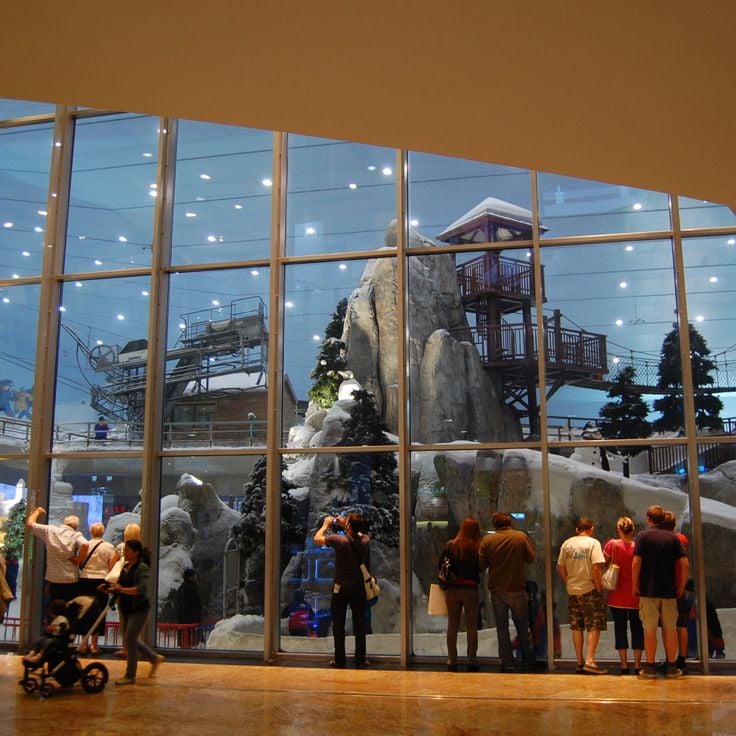
Dubai, United Arab Emirates
Ski Dubai is an indoor skiing facility in Dubai that offers five runs of varying difficulty across 22,500 square meters (about 242,000 square feet). The center maintains constant temperatures of minus 4 degrees Fahrenheit and includes a snow cave with Antarctic penguins. The longest run extends 400 meters, while beginner areas and a snow park provide different winter sport activities. Located inside the Mall of the Emirates, the facility demonstrates how technical systems can simulate winter conditions in a desert climate.
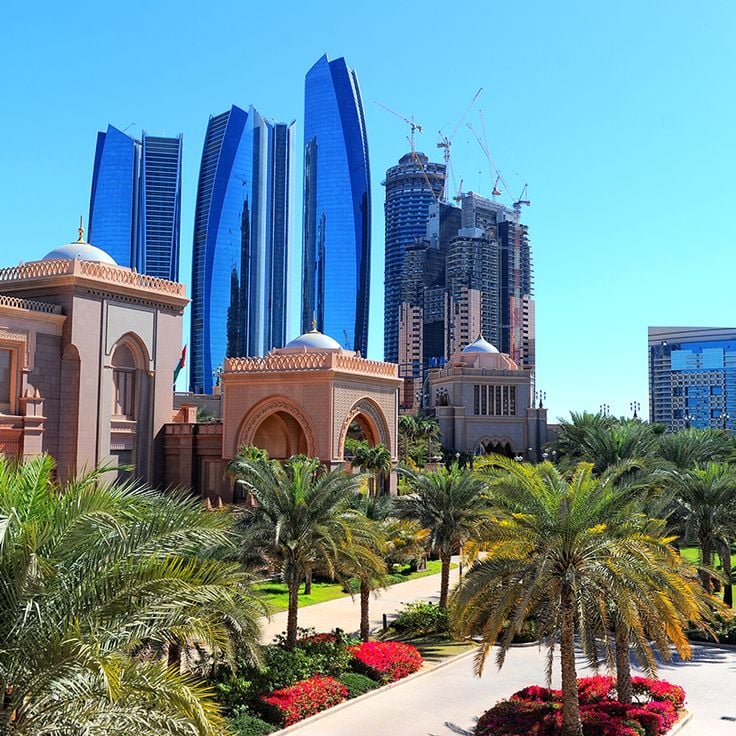
Abu Dhabi, United Arab Emirates
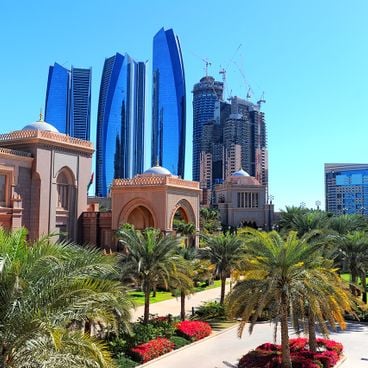
The five towers of Etihad Towers reach heights between 710 feet and 1,000 feet (217 and 305 meters) and were completed in 2011. The complex combines office space, residences and the Jumeirah Hotel in an architectural ensemble that forms part of Abu Dhabi's contemporary development. The towers stand at the western end of the Corniche and offer views from upper floors across the capital of the United Arab Emirates and the Persian Gulf. Visitors can access the Observation Deck at 300 viewing platform on the 74th floor of the second tower to survey the urban landscape.
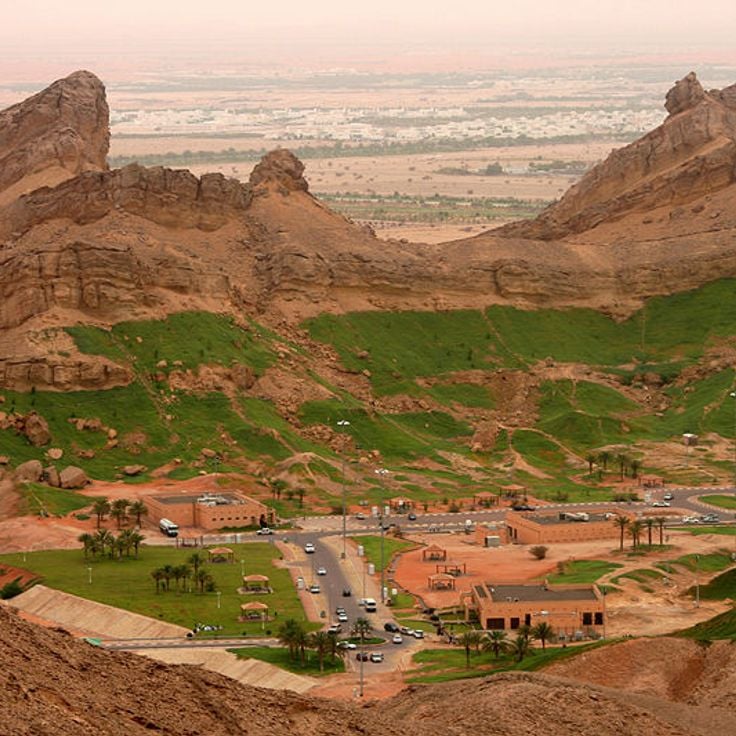
Al Ain, United Arab Emirates
Djebel Hafeet rises to 4,098 feet (1,249 meters) above the desert floor and marks the border with Oman. A 7.5-mile (12-kilometer) road climbs through more than 60 switchbacks to the summit, where views extend across the oasis city of Al Ain and the surrounding gravel plains. The limestone formation dates back roughly 70 million years and contains fossil deposits that indicate earlier sea coverage. Hot springs emerge at the base of the mountain and feed a thermal bathing facility. The route was completed in 1980 and now connects the urban area with the mountaintop station, which includes a hotel and an observation building.
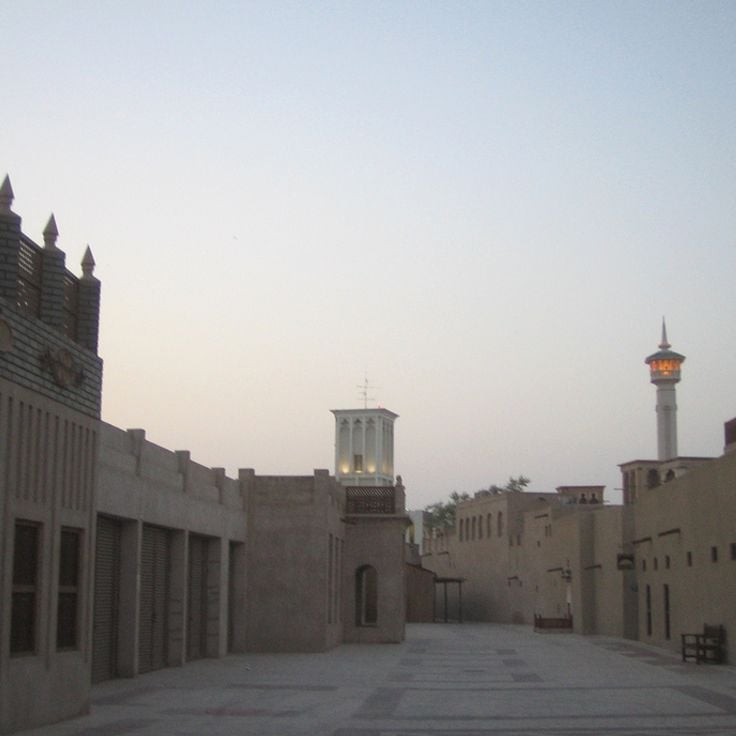
Dubaï, United Arab Emirates
This historic quarter displays traditional Arab architecture with houses built from clay bricks, courtyards and wind towers for natural cooling. The narrow lanes now hold museums, art galleries and cultural centers that show life in Dubaï before oil production. The structures date from the late 19th century and have been restored to preserve their original form. Visitors walk through shaded passages and learn about the techniques earlier generations used to manage desert heat.
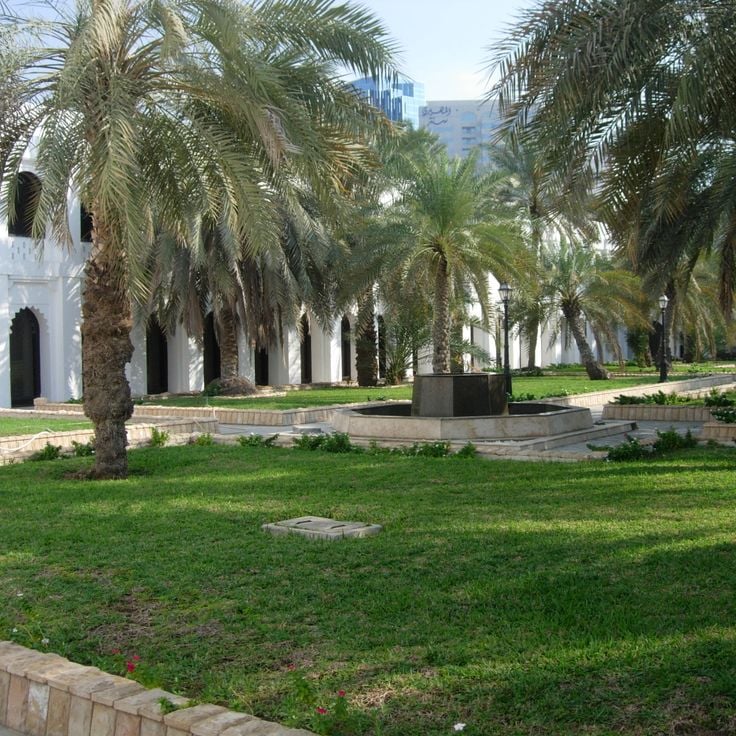
Abu Dhabi, United Arab Emirates
Qasr Al Hosn was built in 1761 as a fort and served as the residence of the Al Nahyan ruling family and the seat of regional government for over two centuries. This white stone structure is the oldest preserved building in Abu Dhabi and documents the era before oil extraction, when the area relied on fishing and pearl diving. Following restoration work, the fort now houses exhibitions on the history of the Emirates and the development of the city.
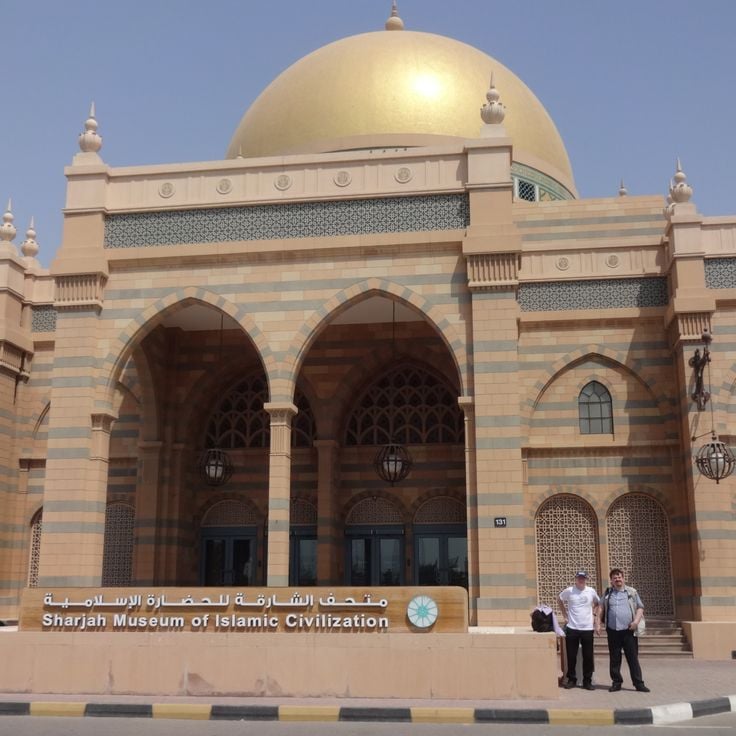
Sharjah, United Arab Emirates
This museum in Sharjah displays 1,400 years of Islamic art and culture across seven galleries, supplemented by scientific instruments and calligraphic works. The collection includes coins from various periods, astronomical devices and handwritten documents that record trade routes and scientific developments. The building itself follows traditional design principles with a central courtyard and geometric patterns. Exhibits come from different regions of the Islamic world and provide an overview of trade networks, religious practices and technological advances. Explanatory panels place the objects in historical context and show their use in daily life and scientific settings.
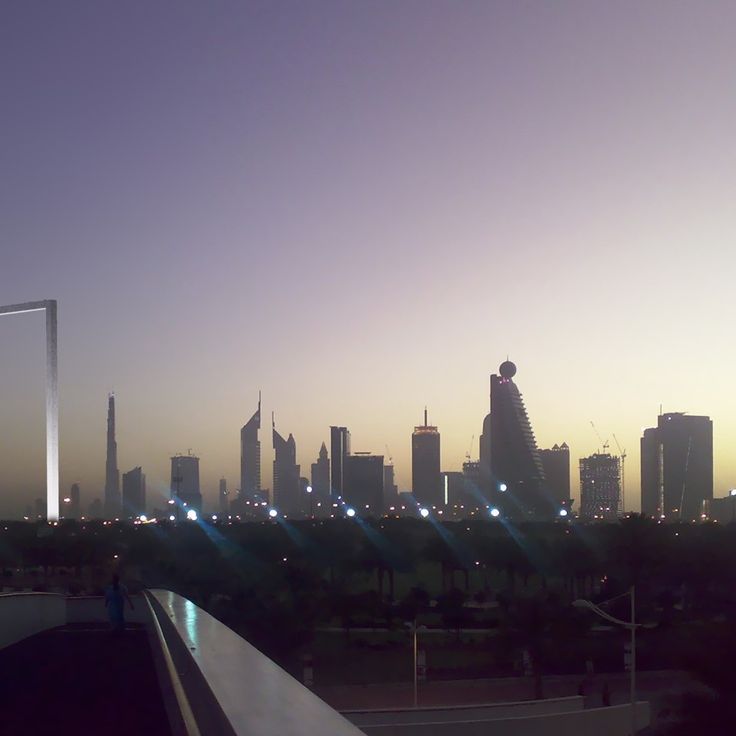
Dubai, United Arab Emirates
The Dubai Observation Tower features a public viewing platform and a glass bridge at 490 feet (150 meters). The platform provides views across the historic and modern city center. The structure combines contemporary engineering with functional infrastructure for visitors seeking an overview of Dubai's urban development. The tower adds to the range of observation points in the emirates and offers access to a panorama that covers both older neighborhoods and newer high-rise developments.
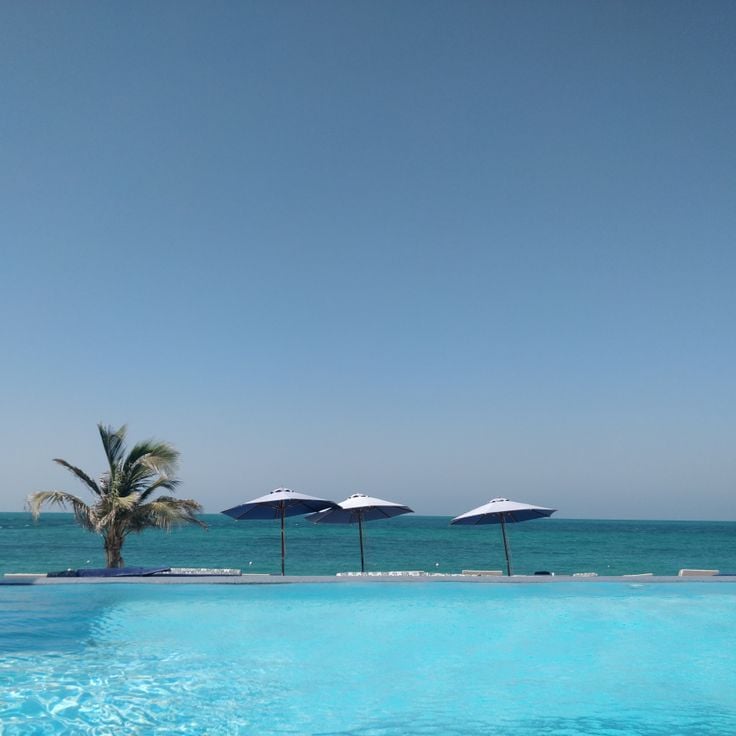
Abu Dhabi, United Arab Emirates
Nurai Island sits 15 minutes by speedboat from Abu Dhabi mainland, offering privately managed villas with direct beach access along a 1.2-mile (2-km) shoreline. The property includes several restaurants serving international cuisine, plus a pool, fitness center and spa. Villa architecture combines timber elements with floor-to-ceiling glass and terrace areas overlooking the water. Guests reach the compound through a private dock that arranges daily transfers from the mainland.
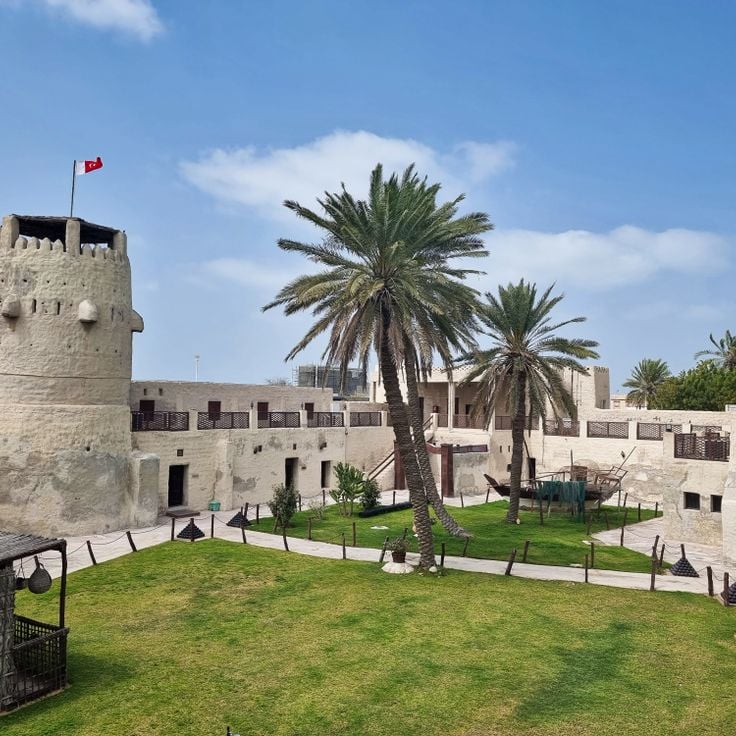
Umm Al Quwain, United Arab Emirates
The Musée du Fort occupies an 18th-century fortress that now presents archaeological finds, traditional weapons and regional crafts. The building originally served as the residence of the ruling family before its conversion into a museum documenting the history of Umm Al Quwain. The collection displays objects from different periods, including pottery, jewelry and tools recovered from excavations in the area. Traditional weapons such as daggers and rifles are exhibited alongside examples of local craftsmanship. The fort stands in the older section of town and provides insight into the emirate's development before the oil era.
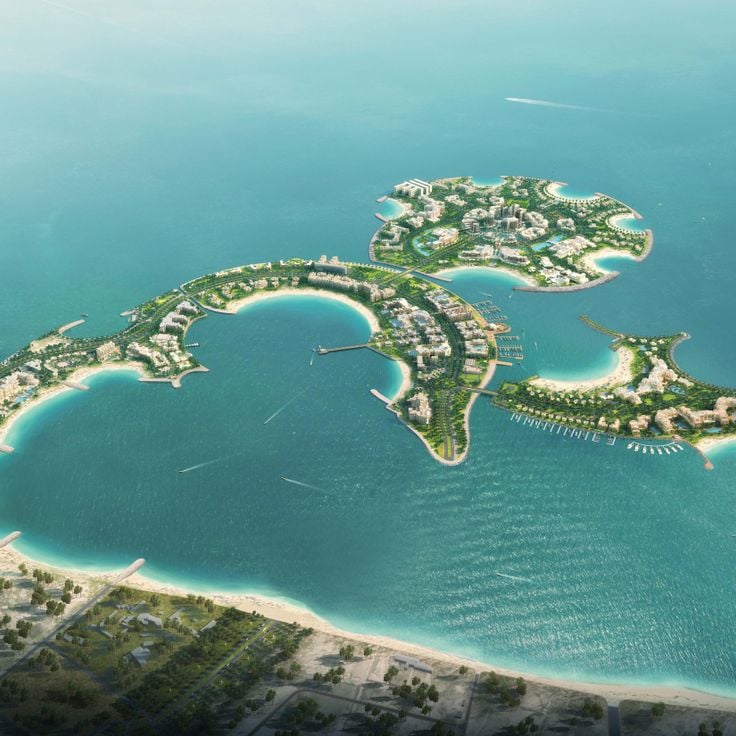
Ras Al Khaimah, United Arab Emirates
Marjan Island is an artificially created archipelago consisting of four separate islands in the Arabian Gulf, covering a total area of approximately 1 square mile (2.7 square kilometers). The project in Ras Al Khaimah features beach resorts, leisure facilities and hotels along the manufactured coastline. The development extends into the sea and expands the emirate's tourism infrastructure by adding waterfront areas and visitor amenities.
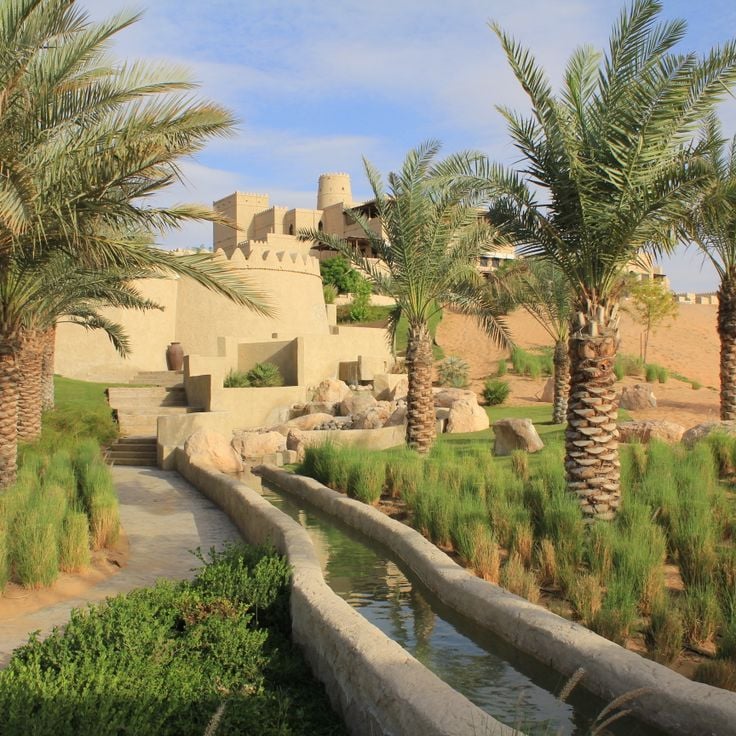
Abu Dhabi, United Arab Emirates
This historic oasis region sits at the edge of the Rub al-Khali and spans several traditional settlements that have depended on date palm cultivation for centuries. The Liwa Oasis forms a green zone amid the sand desert and contains roughly 50 villages whose residents continue to work date plantations. Mud brick architecture and irrigation systems demonstrate adaptation to extreme climatic conditions. The area served historically as a summer residence for Abu Dhabi's ruling family and preserves elements of traditional Emirati life.
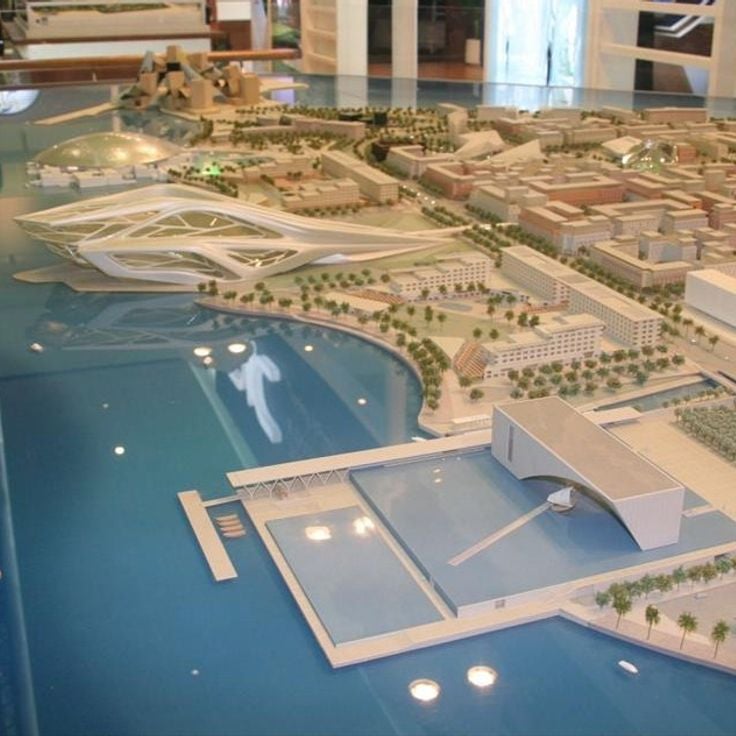
Abu Dhabi, United Arab Emirates
This island sits off the coast of Abu Dhabi and focuses on cultural and recreational facilities. Since the opening of Louvre Abu Dhabi in 2017, the site has served as a location for international art collections and exhibitions. Additional museums and galleries are planned or under construction. The northern beach stretches for several miles and provides habitat for sea turtles that nest here between April and July.
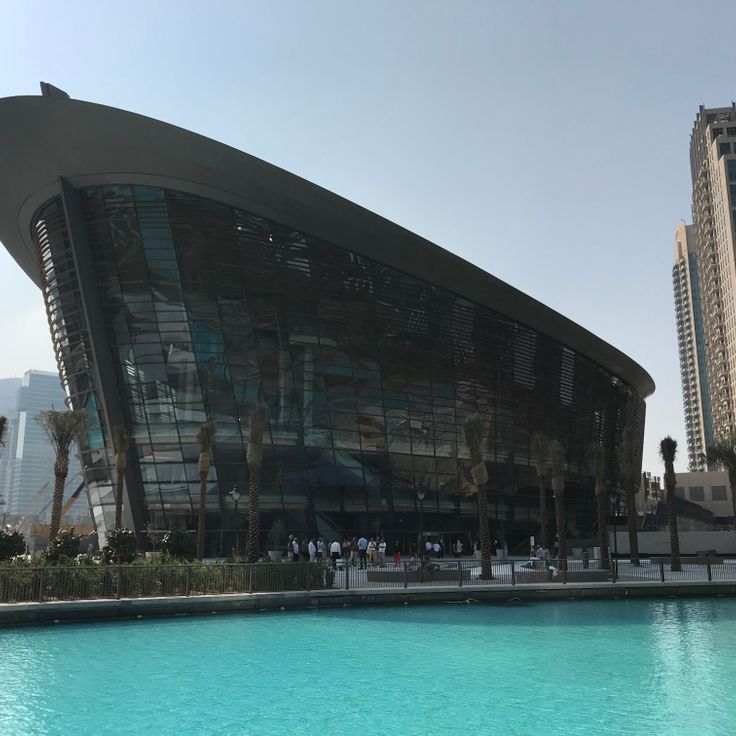
Dubai, United Arab Emirates
The Dubai Opera is a 2,000-seat performance venue designed in the shape of a traditional Arabian sailing vessel, hosting concerts, operas and theatrical productions. The architecture references the maritime history of the region while incorporating a contemporary approach to performing arts. The hall presents performances by international and regional ensembles and serves as a stage for classical music, ballet and modern productions. Acoustics have been engineered to accommodate various performance formats. The building contributes to the cultural offerings of the city and attracts visitors seeking theater and music in a distinctive setting.
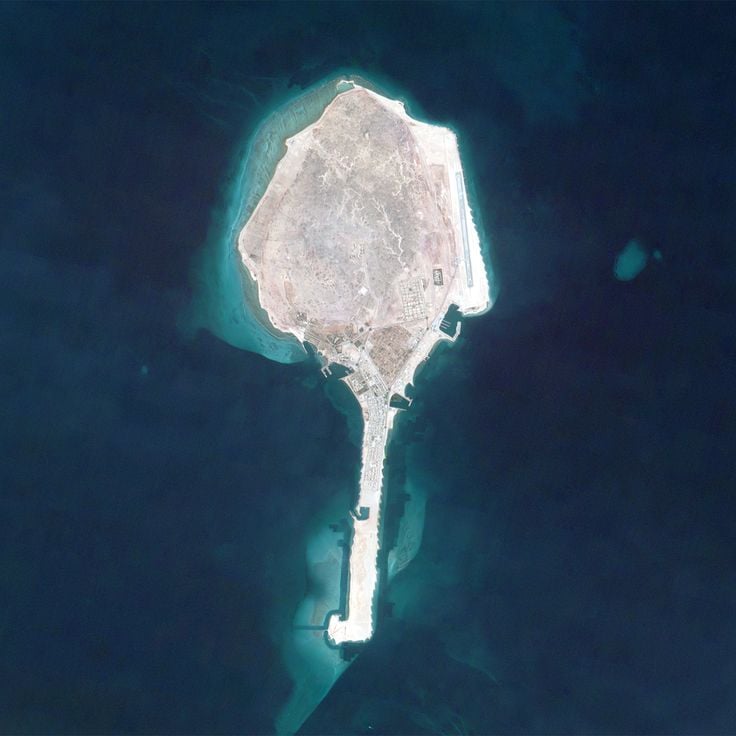
Abu Dhabi, United Arab Emirates
Dalma Island sits about 25 miles (40 kilometers) off the coast of Abu Dhabi in the Persian Gulf and preserves archaeological evidence of a settlement dating back to around 700 BC. The sites document centuries of pearl diving activity, an economic practice that remained central to the region for over two millennia. Visitors find remnants of dwelling structures, tools, and traces of trading connections that illustrate the lives of communities sustained by the sea. This island complements the collection of sites across the United Arab Emirates by offering a counterpoint to the modern constructions of Dubai and Abu Dhabi, providing insight into the region's history before the oil era.
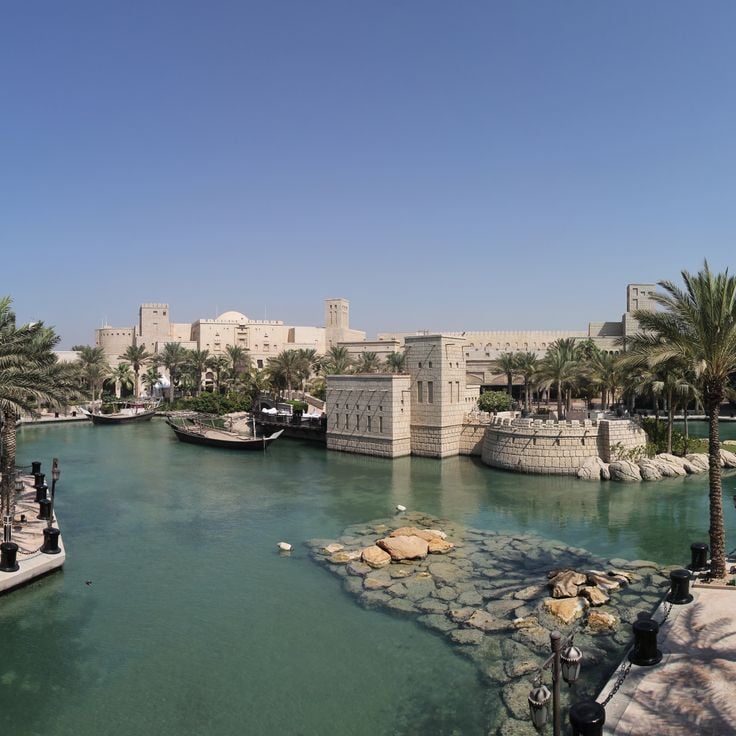
Dubai, United Arab Emirates
Madinat Jumeirah is a hotel complex in Dubai designed to replicate traditional Arabian architecture. The property covers an area traversed by three kilometers of canals, where boats transport guests between buildings. It includes several hotels, approximately forty restaurants, and a souk with shops selling textiles, handicrafts, and souvenirs. The architecture draws from regional historical structures, featuring earth-toned facades, wind towers, and courtyards. The resort sits along Jumeirah Beach and offers views of the Burj Al Arab. The waterways connect different sections of the complex and serve as a transportation route for visitors.
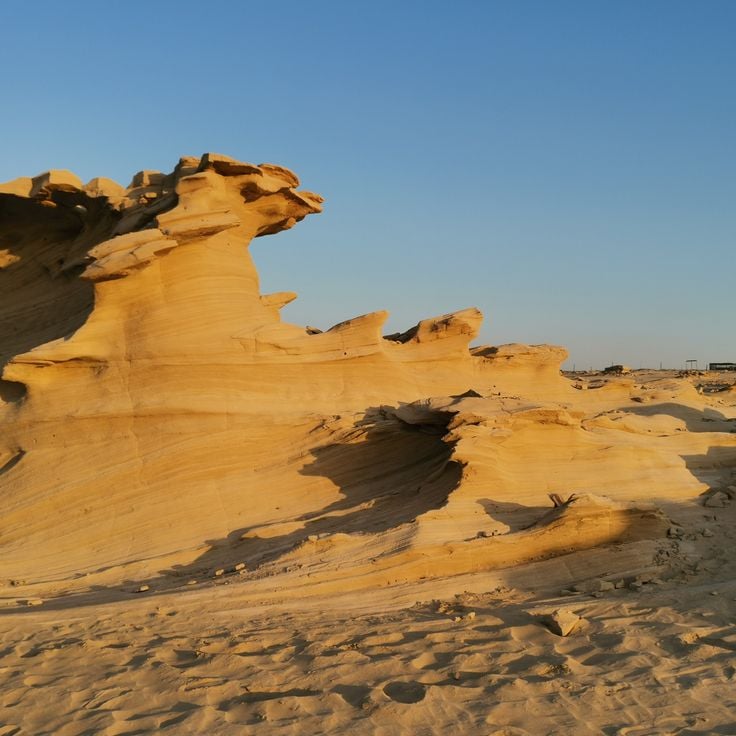
Sharjah, United Arab Emirates
This limestone formation displays fossilized shells, corals and other marine organisms from roughly 65 million years ago. The geological site is located in the emirate of Sharjah and documents the marine past of the region, when the present territory was covered by seawater. The fossil finds provide insights into the geological evolution of the Arabian Peninsula and the formation of today's landscape. Visitors can examine the preserved deposits from the Cretaceous period and identify the various species of fossil life forms conserved in the rock layers.