See the monuments around you in AROpen chests in the app
Around Us is built for your phone — point your camera at the streets and discover the monuments and places around you in augmented reality.Around Us is built for your phone — chests unlock when you walk, explore and capture nearby places.
France offers diverse winter destinations spanning both urban and natural landscapes. The Alpine regions contain several ski areas, including Chamonix-Mont-Blanc at the base of Western Europe's highest peak, Les Trois Vallées with its extensive network of runs, and L'Alpe d'Huez at elevations above 5,900 feet (1,800 meters). The Aiguille du Midi provides access to high alpine views through a cable car system, while Lake Annecy presents a winter landscape within the Savoie Alps.
Cities across the country display their historical architecture during the colder months. Strasbourg Christmas Market transforms the city center into a seasonal gathering place, Nancy presents the 18th-century Place Stanislas, and Paris maintains structures including Sainte-Chapelle and the Jardin du Luxembourg. Beyond the capital, Versailles Palace stands with its formal gardens, Château de Chambord occupies the Loire Valley, and the Palais des Papes remains in Avignon. The Notre-Dame de Reims cathedral shows 13th-century Gothic architecture, while Mont Saint-Michel stays accessible on its tidal island. Additional sites include the Roman-era Nîmes Arena, Pont du Gard, and the medieval fortress of Carcassonne. The Grotte de Lascaux displays prehistoric art, while Les Eyzies de Tayac holds archaeological sites. Southern regions such as the Calanques near Marseille, Gorges du Verdon, Grande Plage in Biarritz, and Cap d'Ail Beach provide access to Mediterranean and Atlantic coastlines, even during winter months.
France offers diverse winter destinations spanning both urban and natural landscapes. The Alpine regions contain several ski areas, including Chamonix-Mont-Blanc at the base of Western Europe's highest peak, Les Trois Vallées with its extensive network of runs, and L'Alpe d'Huez at elevations above 5,900 feet (1,800 meters). The Aiguille du Midi provides access to high alpine views through a cable car system, while Lake Annecy presents a winter landscape within the Savoie Alps.
Cities across the country display their historical architecture during the colder months. Strasbourg Christmas Market transforms the city center into a seasonal gathering place, Nancy presents the 18th-century Place Stanislas, and Paris maintains structures including Sainte-Chapelle and the Jardin du Luxembourg. Beyond the capital, Versailles Palace stands with its formal gardens, Château de Chambord occupies the Loire Valley, and the Palais des Papes remains in Avignon. The Notre-Dame de Reims cathedral shows 13th-century Gothic architecture, while Mont Saint-Michel stays accessible on its tidal island. Additional sites include the Roman-era Nîmes Arena, Pont du Gard, and the medieval fortress of Carcassonne. The Grotte de Lascaux displays prehistoric art, while Les Eyzies de Tayac holds archaeological sites. Southern regions such as the Calanques near Marseille, Gorges du Verdon, Grande Plage in Biarritz, and Cap d'Ail Beach provide access to Mediterranean and Atlantic coastlines, even during winter months.
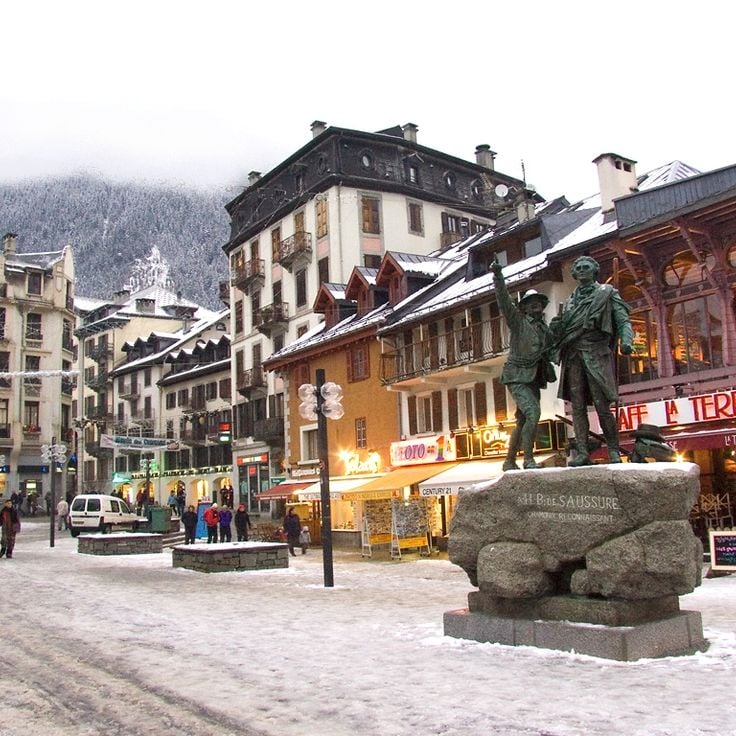
This winter resort sits at the base of the Mont Blanc massif, providing roughly 70 miles of ski runs across varying difficulty levels. Chamonix-Mont-Blanc connects several ski areas accessible by cable cars and lifts. The Aiguille du Midi cable car reaches 12,605 feet (3,842 meters) and offers views of Alpine peaks. Beyond skiing, there are marked winter trails and ice climbing routes. The town itself displays alpine architecture and serves as a starting point for various winter activities in the French Alps.
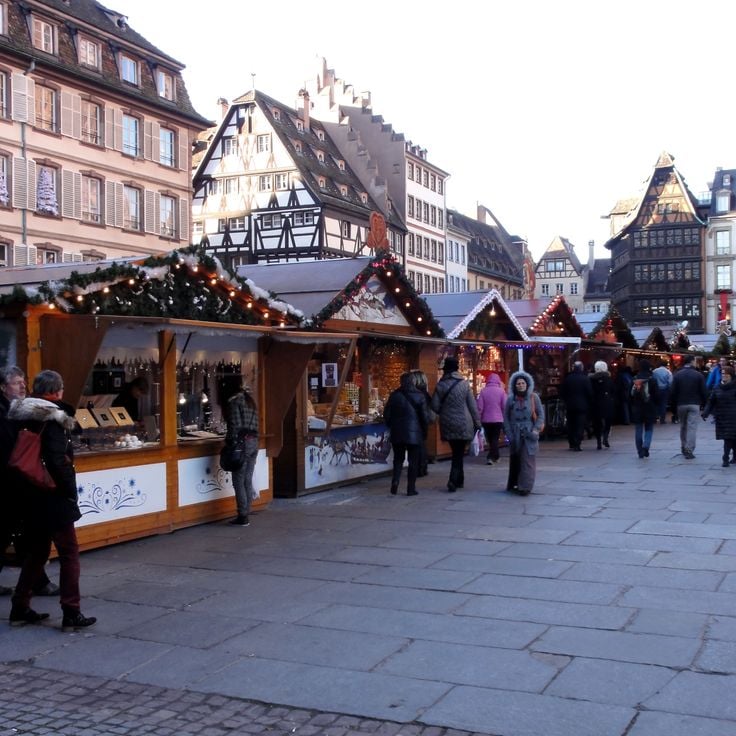
This traditional Christmas market has operated since 1570, spreading across several squares in the old town. The stalls sell Alsatian crafts, mulled wine and regional specialties including bredele cookies and tarte flambée. Decorations feature strings of lights and a large Christmas tree on Place Kléber. The market opens in late November and closes on December 24, with visitors walking between timber-framed Gothic houses and Strasbourg Cathedral.
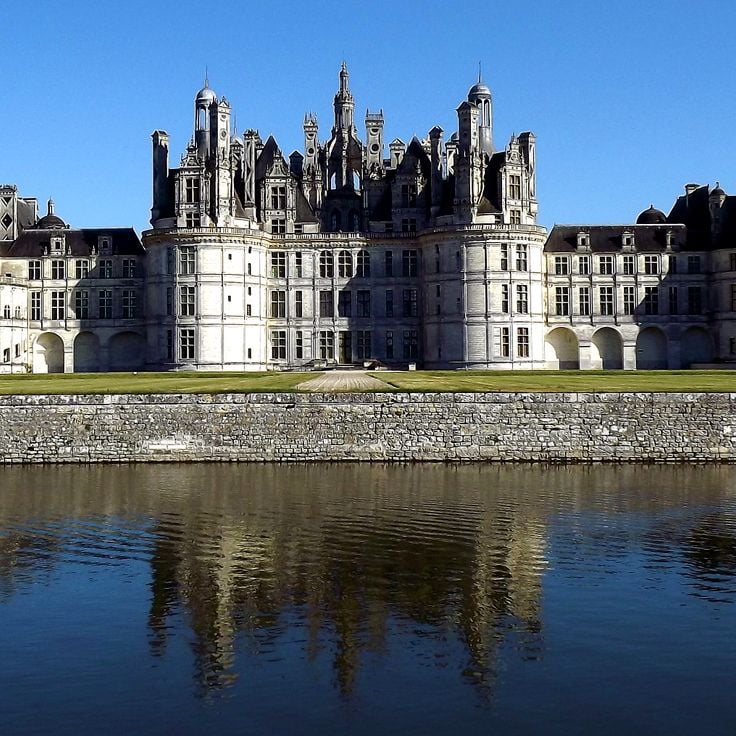
This 16th century Renaissance castle stands as one of the Loire Valley's most important architectural examples. The Château de Chambord was built under Francis I and contains 426 rooms, 77 staircases and a notable double helix spiral staircase. The sprawling estate with its distinctive towers and chimneys represents royal French Renaissance design. During winter months, the property offers a quieter setting for visitors exploring the architectural details and historical chambers, while the surrounding forests and grounds provide a different perspective on the French cultural heritage of this region.
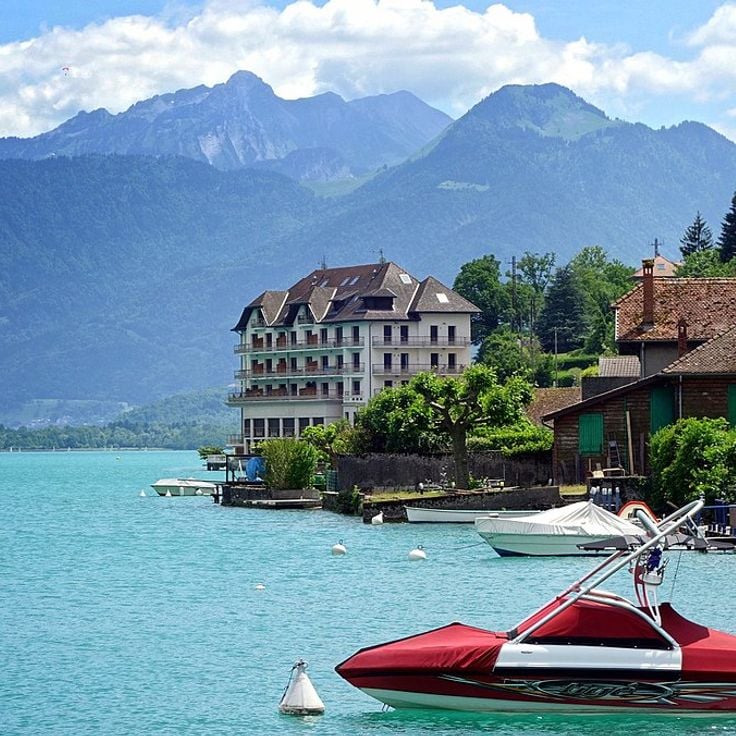
This lake in the French Alps sits between mountain ranges and provides access to frozen sections and water sports when temperatures permit. Lake Annecy extends for 9 miles (14 kilometers) and is framed by alpine peaks that become visible on clear days. The lakeside promenade connects several villages and allows for walks along the water. Conditions vary throughout winter, with some sections becoming accessible for ice skating while other areas remain open for traditional water activities.
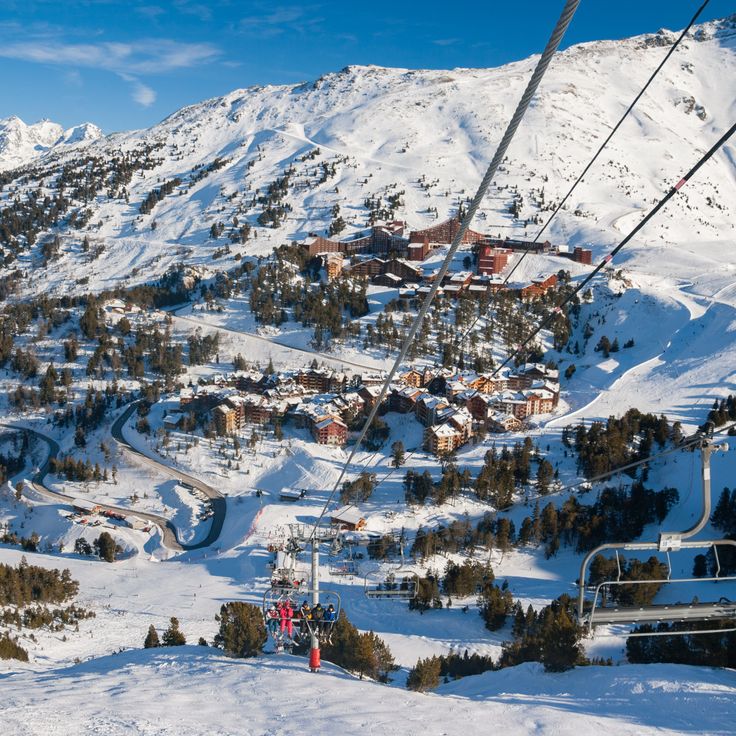
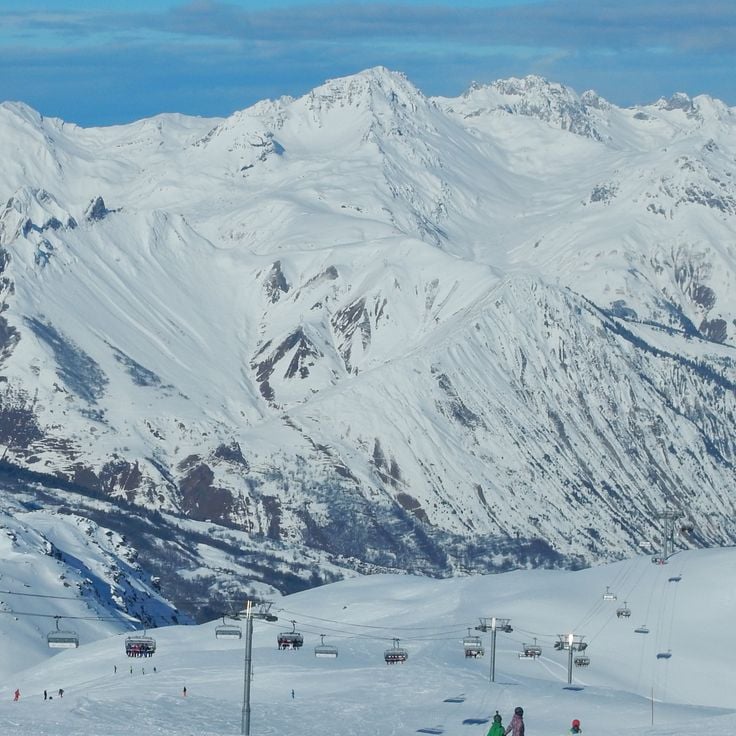
Les Arcs is one of the major ski resorts in the French Alps, offering access to extensive slopes between 3,940 and 10,580 feet (1,200 and 3,226 meters) during winter months. The resort includes several villages at different altitudes and connects via funicular railway to Bourg-Saint-Maurice in the valley below. The ski areas extend from wooded lower slopes to open glacial terrain near Aiguille Rouge. Multiple restaurants and accommodations are located across the different villages, which are linked by lifts and pistes.
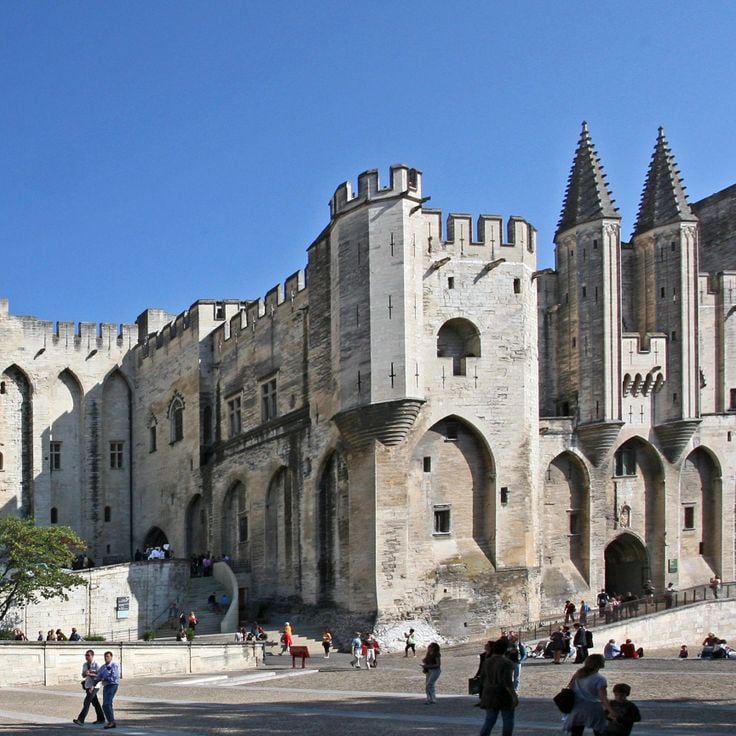
This medieval papal palace served as the papal court from 1309 to 1377 and stands as one of the largest Gothic structures in Europe. The complex comprises two palaces covering over 160000 square feet (15000 square meters), including the Grand Audience Hall, papal apartments and chapel with medieval frescoes. Massive towers and defensive walls show the military importance of this residence. In winter, frost highlights the contours of the Gothic architecture. The exhibition documents the history of the Avignon papacy and daily life at the medieval court.
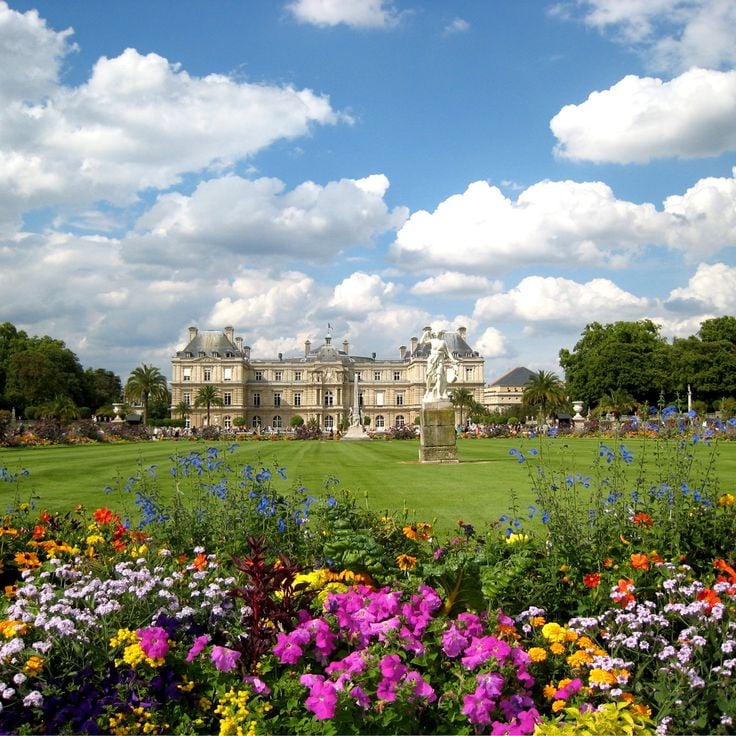
The Jardin du Luxembourg provides a quiet retreat in the heart of Paris during the winter months. This historic park covers 57 acres (23 hectares) and displays classic French garden design with formal flowerbeds, fountains and sculptures. The bare trees and empty chairs give the garden a contemplative character, while the 17th-century Orangerie and Palais du Luxembourg add architectural interest.
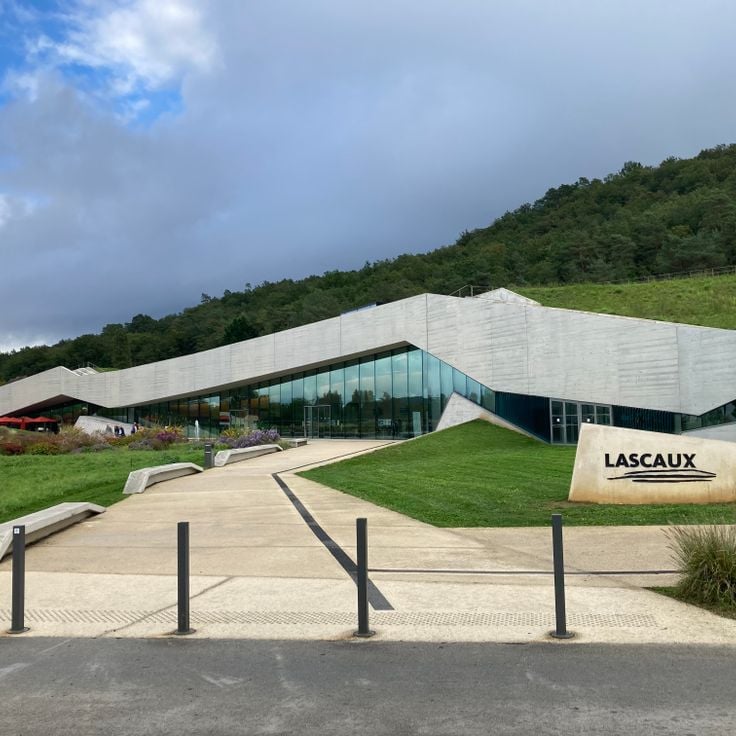
This prehistoric cave in the Dordogne displays over 600 wall paintings from the Upper Paleolithic period, created approximately 17,000 years ago. The well-preserved images of horses, aurochs and deer represent some of Europe's oldest known artwork. Visitors view the full-scale replica known as Lascaux IV, as the original cave closed in 1963 for preservation. This site combines French cultural heritage with winter accessibility in a region that remains open during cold months.
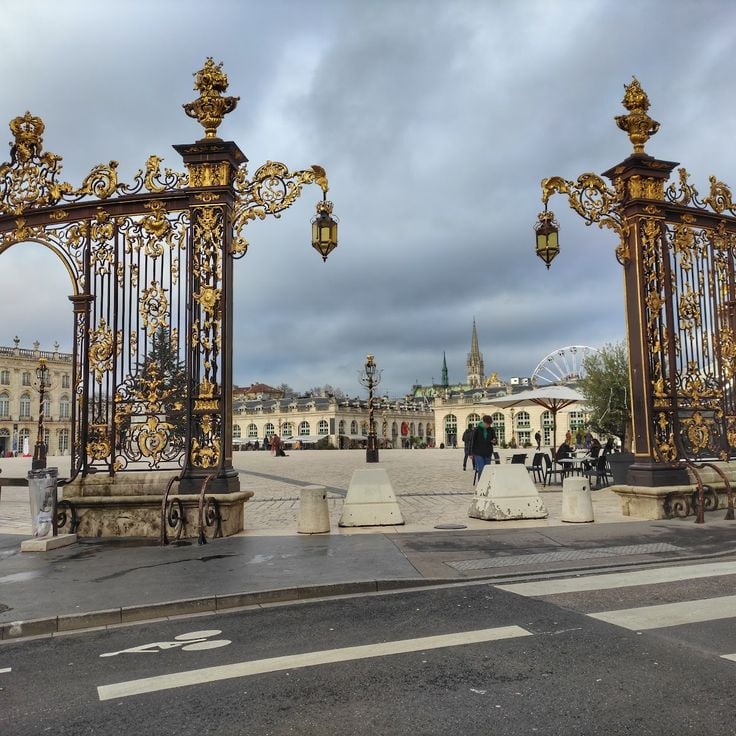
Place Stanislas was designed in the 18th century as Nancy's central square, connecting three public spaces through arcaded passages and wrought iron gates. This square demonstrates Baroque Classicism with gilded ironwork by Jean Lamour, pale sandstone facades and a geometric layout. The surrounding buildings house the city hall, an opera house and the Museum of Fine Arts. In winter, illumination and occasional snowfall emphasize the architectural details. The square is a UNESCO World Heritage Site and represents 18th-century urban planning concepts in Lorraine.
This ski resort in the Isère department accesses 200 kilometers (124 miles) of slopes between 4265 and 11,810 feet (1300 and 3600 meters) in altitude, including glacier skiing on the Mont-de-Lans glacier that permits winter sports from November through May. Les Deux Alpes connects several villages on the northern slopes of the Oisans mountain range with direct access to alpine descents of varying difficulty. The glacier plateau provides skiing opportunities in both summer and winter, while the lower stations offer access to forested slopes and the historic village center.
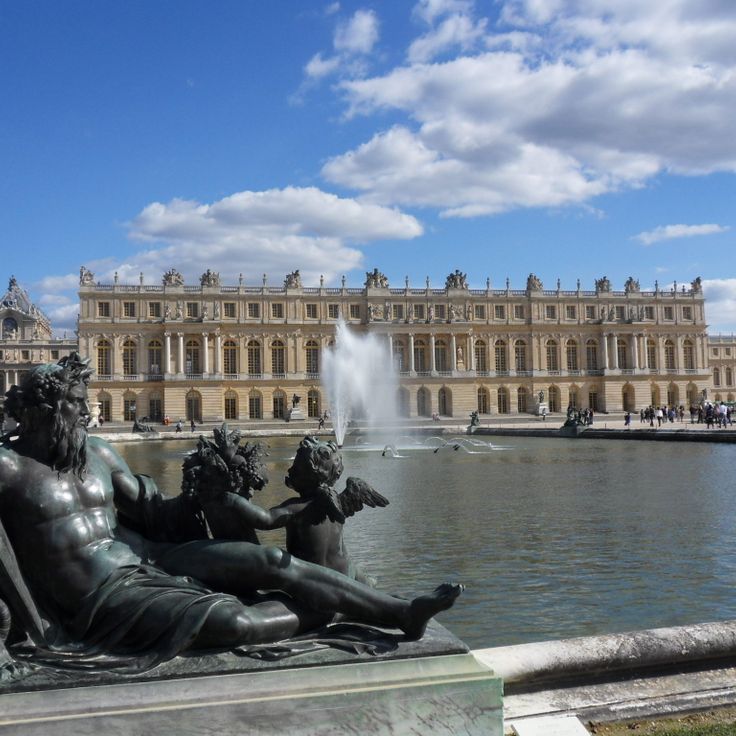
The Palace of Versailles displays 17th-century royal architecture with 700 rooms, 67 staircases and 2,153 windows across 721,000 square feet (67,000 square meters). The estate spans 2,000 acres (800 hectares) and includes formal gardens with fountains, sculptures and the Grand Canal. The Hall of Mirrors measures 240 feet (73 meters) long with 357 mirrors. Royal apartments preserve original furniture and decorations from the reign of Louis XIV. In winter, the emptier gardens and less crowded interiors offer calm viewing of the baroque chambers and historical collections.
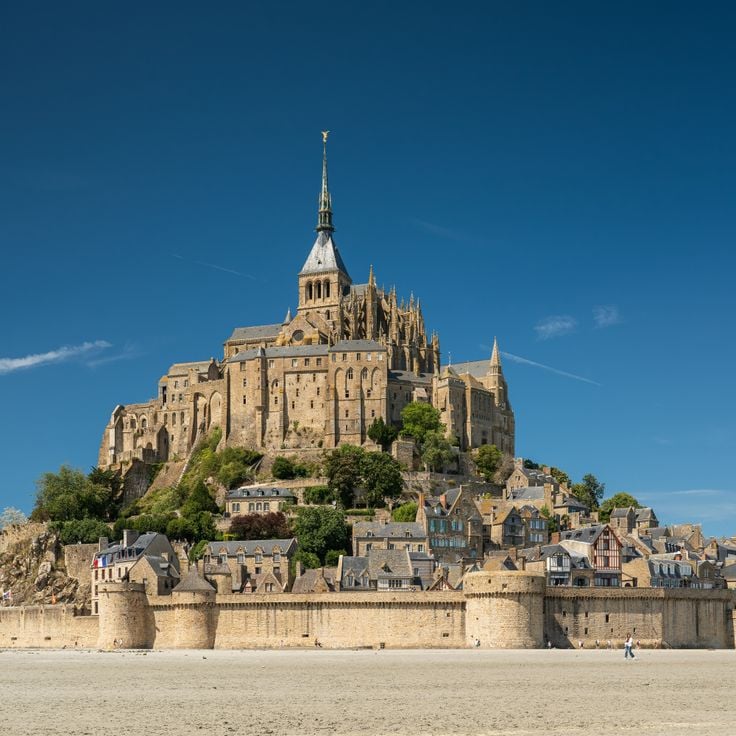
This medieval abbey on a tidal island rises 260 feet (80 meters) above sea level and ranks among France's most notable historical structures. Mont Saint-Michel remains open for visits in winter with fewer crowds, while the Norman coastline and tidal flats reveal their characteristic landscape patterns at low tide. The 11th-century monastery complex was built on a granite outcrop that becomes separated from the mainland during high tide.
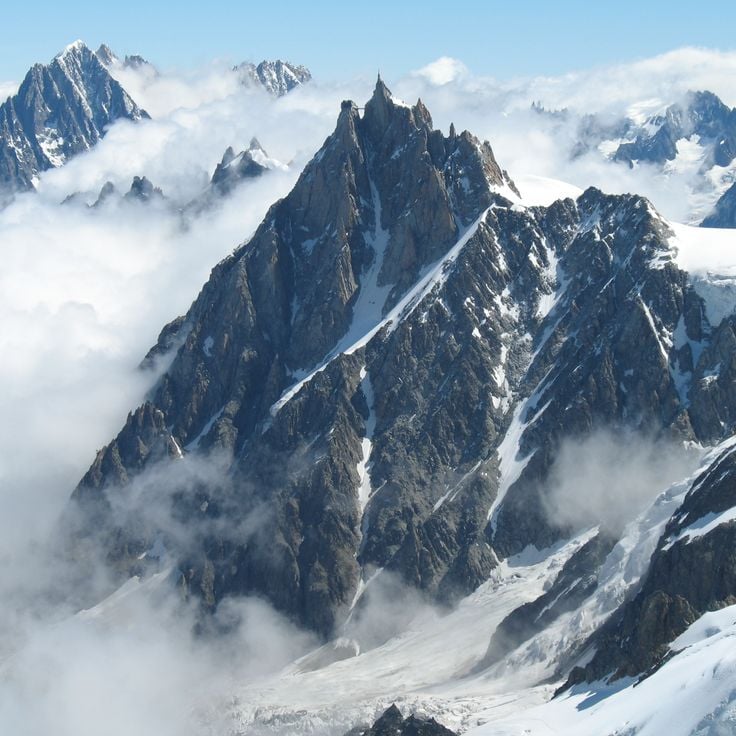
The Aiguille du Midi rises 12,605 feet (3,842 meters) above the Chamonix valley and provides direct access to the glaciated peaks of the Mont Blanc massif. A cable car from the valley delivers visitors to viewing platforms and panoramic terraces that overlook the French, Swiss and Italian Alps. The station serves as a departure point for high mountain routes and ski descents such as the Vallée Blanche. During winter, this summit connects the Chamonix-Mont-Blanc ski areas with the alpine routes of the high peaks and demonstrates the landscape of the French Alpine region.
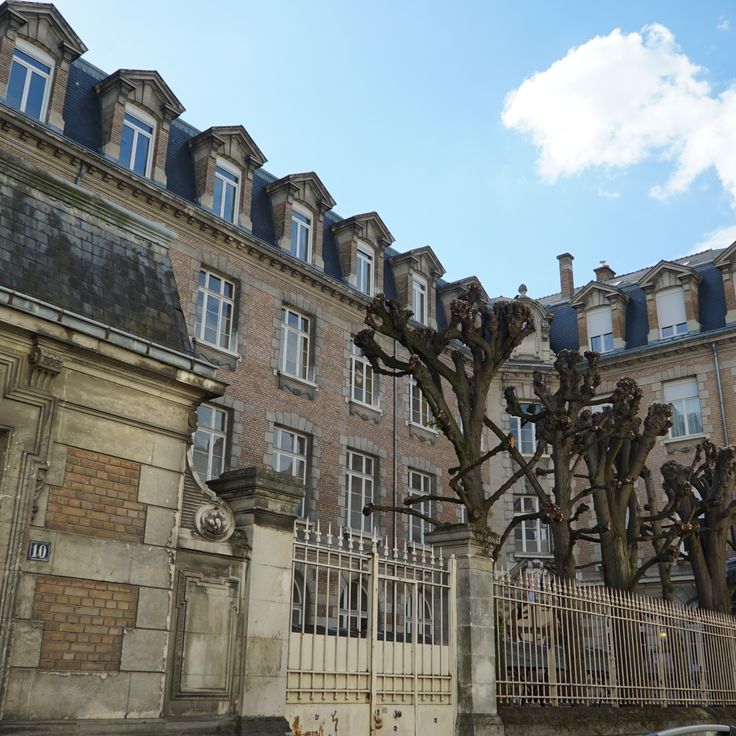
The Congrégation Notre-Dame de Reims is a school complex in Reims, in northeastern France. The city is known for its Gothic cathedral, but this place shows a quieter side of daily life: religious education rooted in the city for centuries. The buildings carry the mark of a long Catholic school tradition and sit in a city that, in winter, feels slower and closer to its everyday self.
Les Trois Vallées connects Courchevel, Méribel, Val Thorens and Les Menuires through 600 kilometers (373 miles) of ski runs and forms one of the large ski areas in the Alps. This ski network sits in Savoie and offers access to slopes at different elevations between 4,265 and 10,597 feet (1,300 to 3,230 meters) during the French winter months. The four resorts function as base points for skiers using the interconnected piste system, with lifts and gondolas linking the individual valleys.
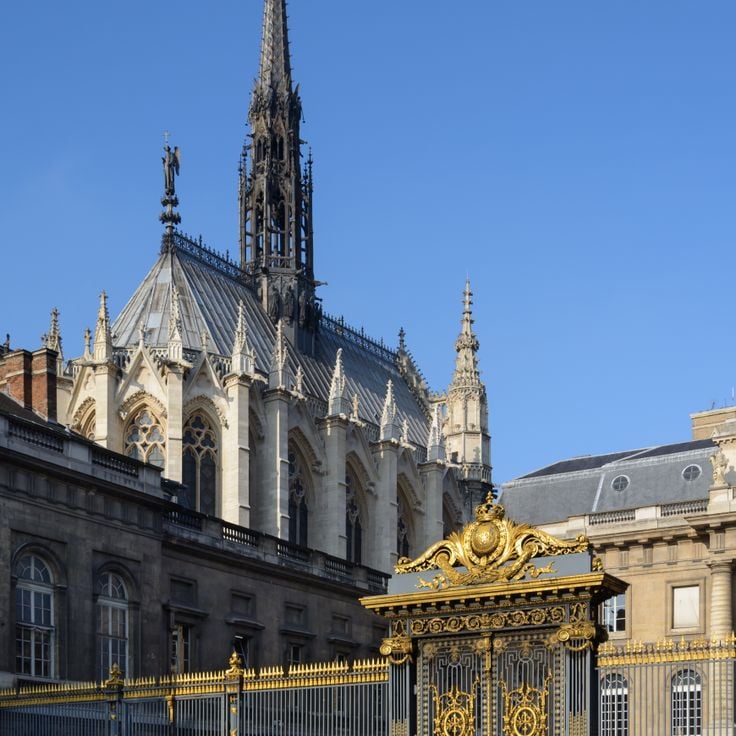
This Gothic chapel was built in the 13th century as a royal reliquary and is known for its 15 large stained glass windows depicting 1,113 biblical scenes. The 50-foot (15-meter) windows cover more than 6,500 square feet (600 square meters) and create a continuous wall of glass that floods the interior with colored light. The chapel stands on the Île de la Cité in the historic center of Paris and demonstrates the technical capabilities of Gothic architects through its slender stone pillars and extensive glazing. During winter months the windows appear particularly effective with low angle sunlight.
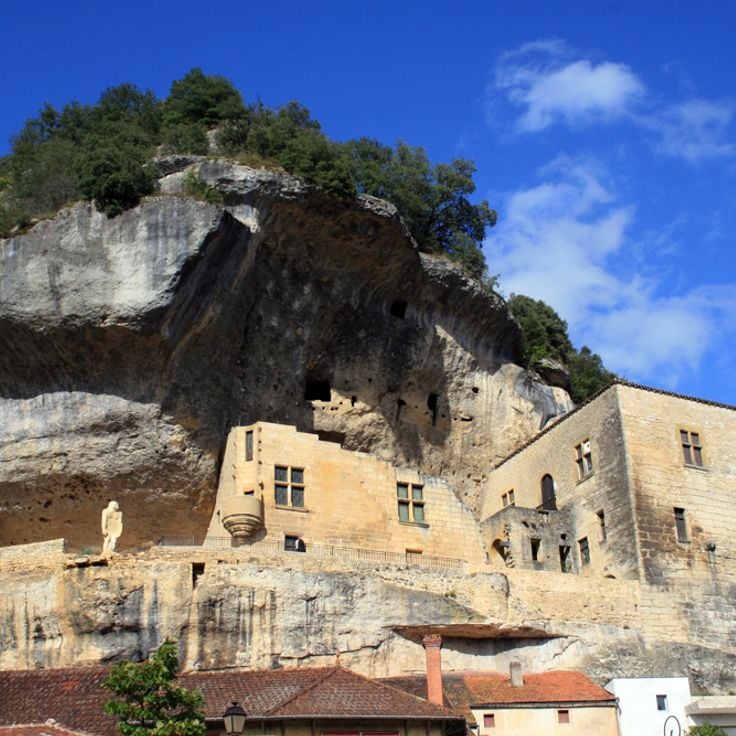
This small town in the Périgord Noir region serves as a major center for prehistoric research and contains several archaeological sites documenting early human settlement. The surrounding limestone cliffs hold caves with rock paintings and evidence of occupation dating back roughly 19,000 years. The National Museum of Prehistory presents artifacts including tools, skeletal remains and artwork that trace the development of early cultures. Les Eyzies de Tayac connects multiple UNESCO-protected sites within the Vézère Valley and provides access to locations such as Abri Pataud and the Font-de-Gaume cave, which remain open during winter months.
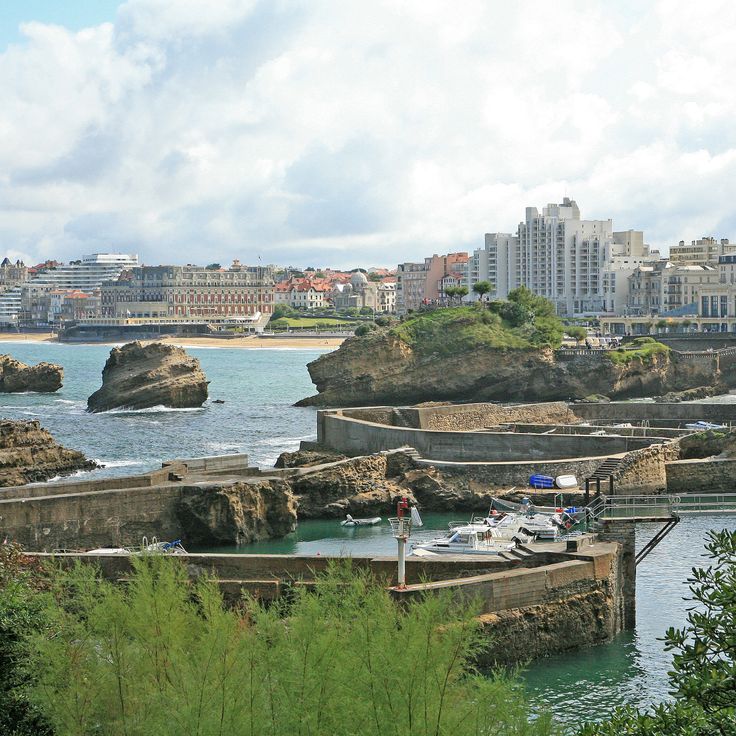
This central beachfront stretches one mile (1.6 kilometers) along the Atlantic coast of Biarritz, connecting the historic Casino Bellevue with the Hôtel du Palais. The Grande Plage provides access to the Basque coastline even in winter, when lower temperatures allow for seaside walks and the distinctive Belle Époque architecture stands against winter skies. The beach remains accessible during cold months, displaying the Atlantic waves that roll onto this coast throughout the year.
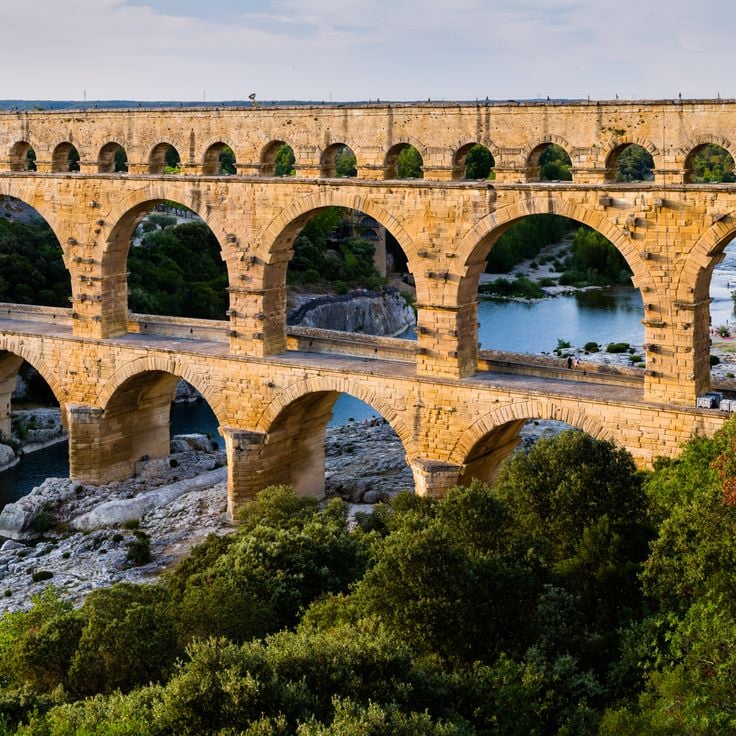
This Roman aqueduct bridge extends 275 meters (900 feet) across the Gardon River, reaching a height of 48 meters (160 feet) with its three tiers of arches. The Pont du Gard was constructed in the first century AD to transport water from a spring near Uzès to Nîmes over a distance of 50 kilometers (30 miles). The structure demonstrates Roman engineering with precisely cut limestone blocks assembled without mortar. Visitors can walk along the upper water channel and view the river from the lower level. A visitor center on the north bank provides historical context and access to walking trails along the river.
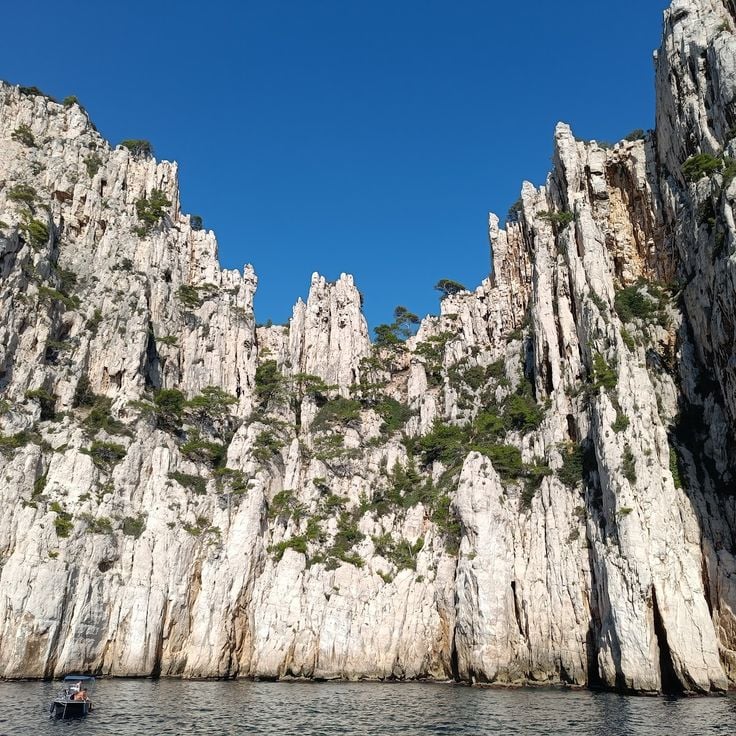
This national park stretches along the Mediterranean coast between Marseille and Cassis, protecting a series of deep inlets carved into white limestone cliffs. The Calanques offer hiking trails along the cliffs even in winter, when cooler temperatures make physical exertion more comfortable. The area covers roughly 200 square miles (520 km²) of land and sea. Visitors find Mediterranean vegetation, geological formations dating from the Mesozoic era and viewpoints overlooking the water. Winters in this region are mild, with temperatures ranging from the mid-40s to upper 50s Fahrenheit (8 to 14 °C).
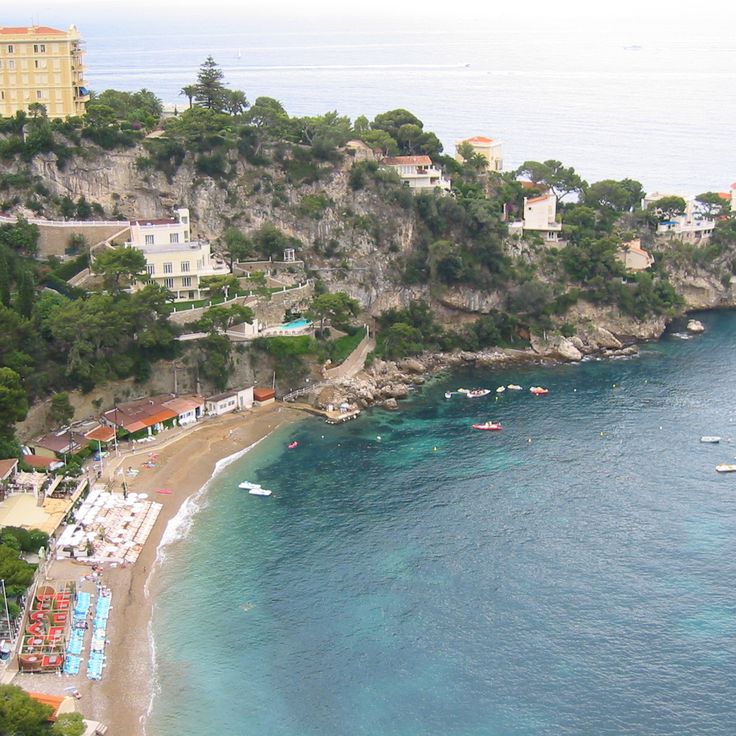
This gray pebble beach runs along the Côte d'Azur between Monaco and Nice, offering direct access to the Mediterranean Sea. The surroundings feature typical Mediterranean vegetation with pines and low shrubs along the rocky coastline. Cap d'Ail Beach remains accessible during the winter months when the French Mediterranean coast becomes quieter and the clear water conditions persist. The location allows for coastal walks along the Sentier du Littoral, which connects the coves and headlands of this region. The beach demonstrates the characteristic features of the French Riviera outside the high season.
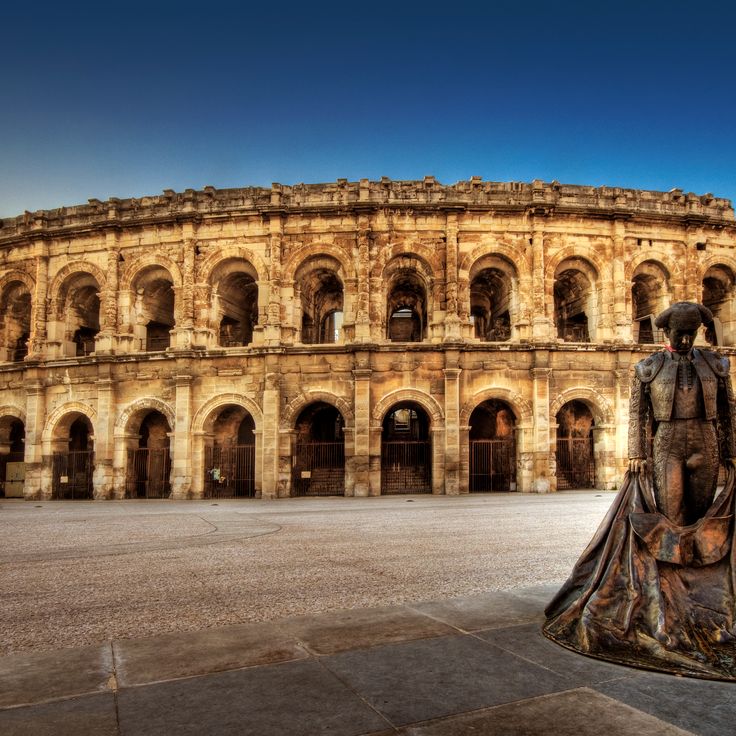
This first-century Roman amphitheater stands in the city center and displays classical architecture with two levels of arcades. The arena ranks among the best-preserved Roman structures in France and offers insight into the ancient past of Nîmes, which can be visited during winter months without summer crowds. The structure was built in the first century AD and originally held approximately 24,000 spectators.
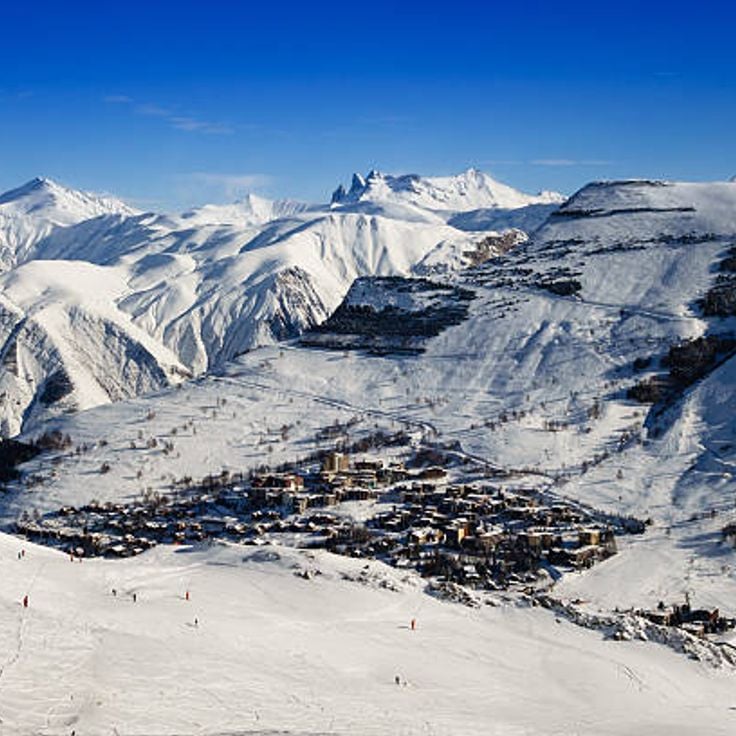
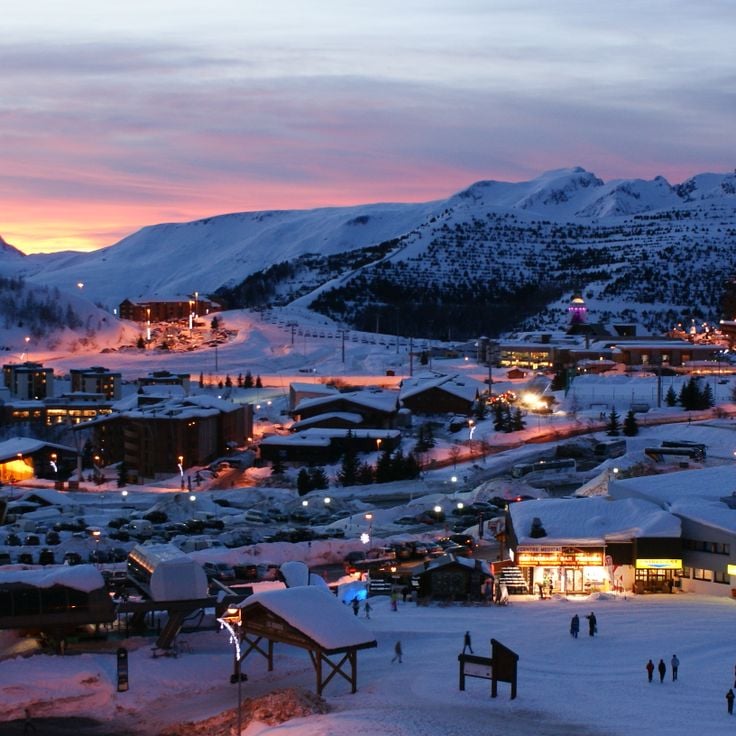
This ski resort offers 155 miles (250 kilometers) of slopes at 8900 feet (2700 meters) elevation, including the 10-mile (16-kilometer) Sarenne descent. French winter destinations combine alpine terrain with historic towns and Mediterranean coastlines, and L'Alpe d'Huez represents one of the major high-altitude resorts in the French Alps. The facility serves several mountain faces with lifts and provides varied difficulty levels for skiers and snowboarders. From the upper stations, views extend across surrounding peaks and valleys.
These historic passages connect streets through interior courtyards and once served the silk merchants for transporting their goods. The traboules of Lyon developed between the 15th and 19th centuries in the Croix-Rousse district and the old town, and they still allow passage through building blocks today. Many of these corridors remain publicly accessible and display Renaissance architectural details and elaborate spiral staircases. They offer insight into the urban construction methods and commercial heritage of the city.
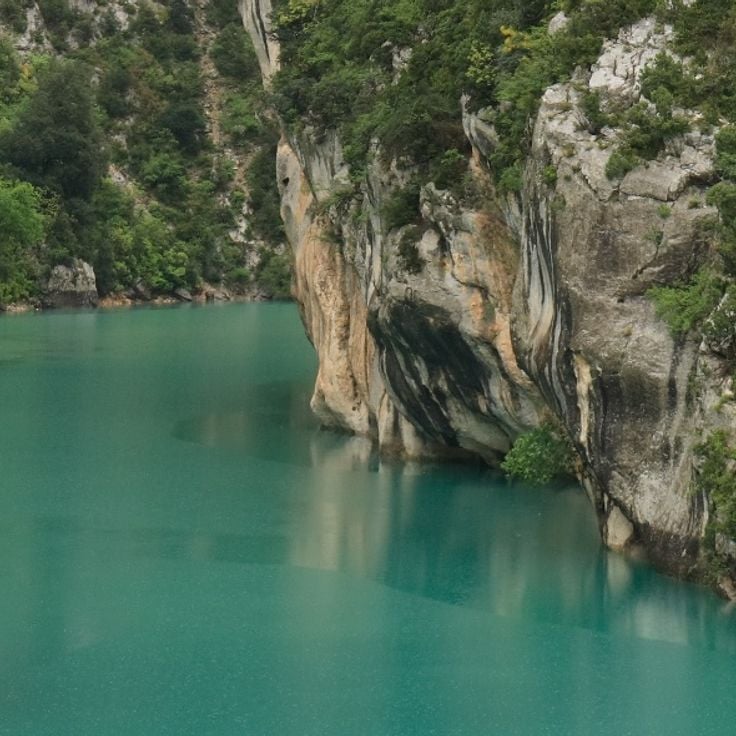
The Gorges du Verdon formed where the Verdon River cut a canyon up to 2,300 feet (700 meters) deep through limestone over thousands of years. This river gorge ranks among the deepest canyons in Europe and draws visitors for its steep rock walls and turquoise water. During winter, this alpine landscape changes considerably. Temperatures drop, hiking trails may be snow covered or icy, and many tourist facilities close for the season. Access roads typically remain open, though fog and reduced visibility occur more frequently. Those visiting this French natural site during cold months will find fewer crowds at viewpoints and experience a quieter setting than during summer.
This reservoir in northern France near the Belgian border spans 180 hectares of water surface, surrounded by forested hills. Val Joly functions as a recreation area in winter, with cross-country skiing trails and marked paths through the woods. The site sits within the Avesnois regional natural park and draws visitors from nearby Lille and Belgian cities. The grounds include marked winter hiking routes along the lake shore and through adjacent forest areas. The surrounding landscape shows typical northern French upland vegetation with mixed forest and open meadows.
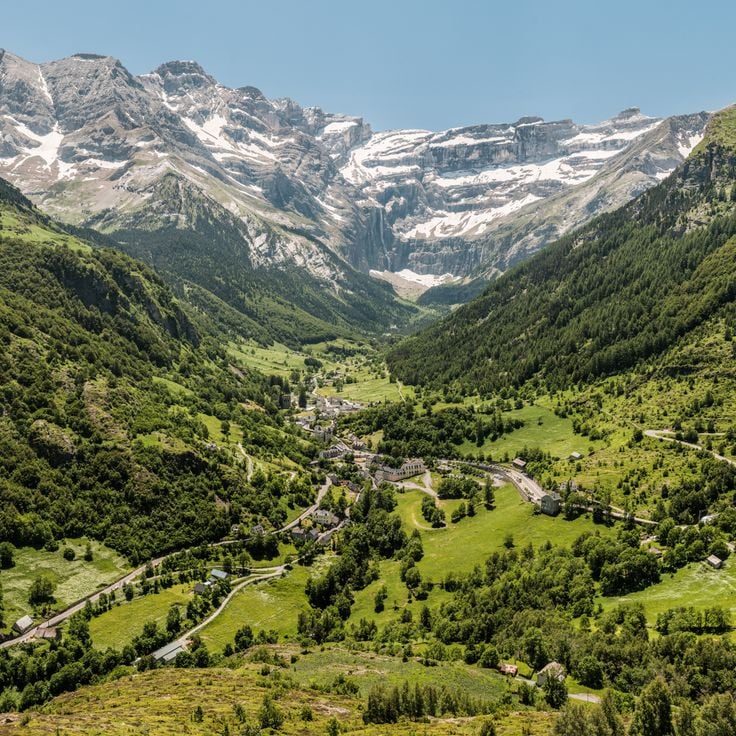
This natural amphitheater formed by glaciers stands in the Hautes-Pyrénées, with limestone walls reaching up to 1,500 meters (4,900 feet) high. The Cirque de Gavarnie ranks among Europe's tallest rock faces and features several waterfalls, including the Grande Cascade, one of Europe's highest. The site forms part of a UNESCO World Heritage area and offers snow-covered landscapes in winter with hiking trails and access to alpine terrain. The rock formation developed through glacial erosion during ice ages and displays distinct geological layering. Several peaks above 3,000 meters (9,800 feet) surround the cirque, making it one of the most recognized natural sites in the French Pyrénées.
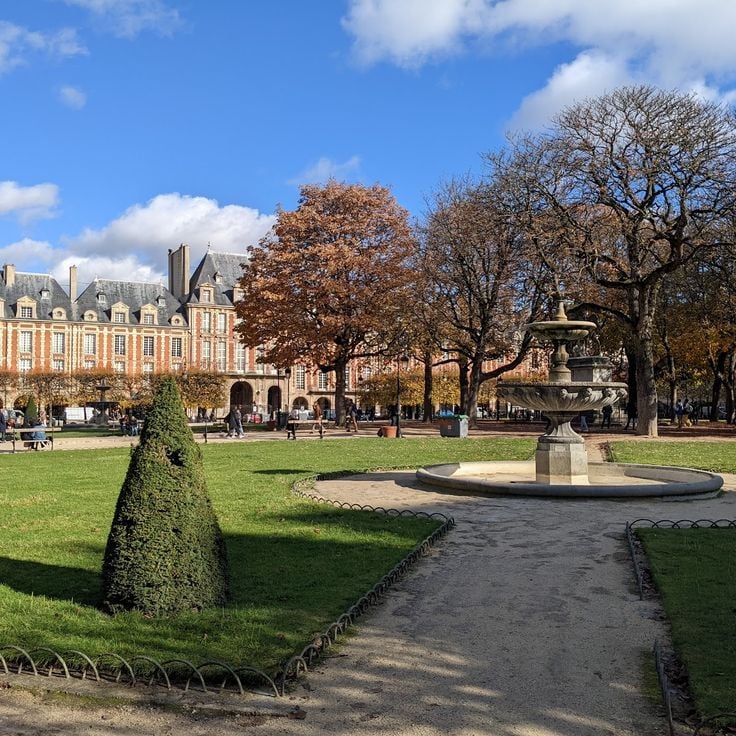
This square in the Marais district dates from the early 17th century and displays symmetrical arcades with red brick facades and steep slate roofs. Place des Vosges was completed in 1612 under Henri IV and represents French architecture of the period arranged in geometric order. In winter, snow covers the historic roofs while the covered arcades provide shelter from the cold. The central lawn remains accessible and surrounding galleries and cafes under the arcades offer warmth. The uniform construction of 36 houses forms an enclosed ensemble that served as a model for later French city squares.
This medieval fortress stands on a hill above the town, displaying France's largest preserved fortification system. The 53 towers date from the 12th century and form a double defensive wall extending nearly 2 miles (3 kilometers). Winter brings occasional snow that transforms the stone towers and ramparts into scenes from history. The fortifications encircle the medieval citadel of La Cité, containing cobblestone streets and historic buildings. Visitors can walk the ramparts, explore the towers, and visit the 11th-century cathedral. The winter months bring fewer visitors, allowing closer examination of the fortress architecture and details.
This winter resort sits at the base of the Mont Blanc massif, providing roughly 70 miles of ski runs across varying difficulty levels. Chamonix-Mont-Blanc connects several ski areas accessible by cable cars and lifts. The Aiguille du Midi cable car reaches 12,605 feet (3,842 meters) and offers views of Alpine peaks. Beyond skiing, there are marked winter trails and ice climbing routes. The town itself displays alpine architecture and serves as a starting point for various winter activities in the French Alps.
This traditional Christmas market has operated since 1570, spreading across several squares in the old town. The stalls sell Alsatian crafts, mulled wine and regional specialties including bredele cookies and tarte flambée. Decorations feature strings of lights and a large Christmas tree on Place Kléber. The market opens in late November and closes on December 24, with visitors walking between timber-framed Gothic houses and Strasbourg Cathedral.
This 16th century Renaissance castle stands as one of the Loire Valley's most important architectural examples. The Château de Chambord was built under Francis I and contains 426 rooms, 77 staircases and a notable double helix spiral staircase. The sprawling estate with its distinctive towers and chimneys represents royal French Renaissance design. During winter months, the property offers a quieter setting for visitors exploring the architectural details and historical chambers, while the surrounding forests and grounds provide a different perspective on the French cultural heritage of this region.
This lake in the French Alps sits between mountain ranges and provides access to frozen sections and water sports when temperatures permit. Lake Annecy extends for 9 miles (14 kilometers) and is framed by alpine peaks that become visible on clear days. The lakeside promenade connects several villages and allows for walks along the water. Conditions vary throughout winter, with some sections becoming accessible for ice skating while other areas remain open for traditional water activities.
Les Arcs is one of the major ski resorts in the French Alps, offering access to extensive slopes between 3,940 and 10,580 feet (1,200 and 3,226 meters) during winter months. The resort includes several villages at different altitudes and connects via funicular railway to Bourg-Saint-Maurice in the valley below. The ski areas extend from wooded lower slopes to open glacial terrain near Aiguille Rouge. Multiple restaurants and accommodations are located across the different villages, which are linked by lifts and pistes.
This medieval papal palace served as the papal court from 1309 to 1377 and stands as one of the largest Gothic structures in Europe. The complex comprises two palaces covering over 160000 square feet (15000 square meters), including the Grand Audience Hall, papal apartments and chapel with medieval frescoes. Massive towers and defensive walls show the military importance of this residence. In winter, frost highlights the contours of the Gothic architecture. The exhibition documents the history of the Avignon papacy and daily life at the medieval court.
The Jardin du Luxembourg provides a quiet retreat in the heart of Paris during the winter months. This historic park covers 57 acres (23 hectares) and displays classic French garden design with formal flowerbeds, fountains and sculptures. The bare trees and empty chairs give the garden a contemplative character, while the 17th-century Orangerie and Palais du Luxembourg add architectural interest.
This prehistoric cave in the Dordogne displays over 600 wall paintings from the Upper Paleolithic period, created approximately 17,000 years ago. The well-preserved images of horses, aurochs and deer represent some of Europe's oldest known artwork. Visitors view the full-scale replica known as Lascaux IV, as the original cave closed in 1963 for preservation. This site combines French cultural heritage with winter accessibility in a region that remains open during cold months.
Place Stanislas was designed in the 18th century as Nancy's central square, connecting three public spaces through arcaded passages and wrought iron gates. This square demonstrates Baroque Classicism with gilded ironwork by Jean Lamour, pale sandstone facades and a geometric layout. The surrounding buildings house the city hall, an opera house and the Museum of Fine Arts. In winter, illumination and occasional snowfall emphasize the architectural details. The square is a UNESCO World Heritage Site and represents 18th-century urban planning concepts in Lorraine.
This ski resort in the Isère department accesses 200 kilometers (124 miles) of slopes between 4265 and 11,810 feet (1300 and 3600 meters) in altitude, including glacier skiing on the Mont-de-Lans glacier that permits winter sports from November through May. Les Deux Alpes connects several villages on the northern slopes of the Oisans mountain range with direct access to alpine descents of varying difficulty. The glacier plateau provides skiing opportunities in both summer and winter, while the lower stations offer access to forested slopes and the historic village center.
The Palace of Versailles displays 17th-century royal architecture with 700 rooms, 67 staircases and 2,153 windows across 721,000 square feet (67,000 square meters). The estate spans 2,000 acres (800 hectares) and includes formal gardens with fountains, sculptures and the Grand Canal. The Hall of Mirrors measures 240 feet (73 meters) long with 357 mirrors. Royal apartments preserve original furniture and decorations from the reign of Louis XIV. In winter, the emptier gardens and less crowded interiors offer calm viewing of the baroque chambers and historical collections.
This medieval abbey on a tidal island rises 260 feet (80 meters) above sea level and ranks among France's most notable historical structures. Mont Saint-Michel remains open for visits in winter with fewer crowds, while the Norman coastline and tidal flats reveal their characteristic landscape patterns at low tide. The 11th-century monastery complex was built on a granite outcrop that becomes separated from the mainland during high tide.
The Aiguille du Midi rises 12,605 feet (3,842 meters) above the Chamonix valley and provides direct access to the glaciated peaks of the Mont Blanc massif. A cable car from the valley delivers visitors to viewing platforms and panoramic terraces that overlook the French, Swiss and Italian Alps. The station serves as a departure point for high mountain routes and ski descents such as the Vallée Blanche. During winter, this summit connects the Chamonix-Mont-Blanc ski areas with the alpine routes of the high peaks and demonstrates the landscape of the French Alpine region.
The Congrégation Notre-Dame de Reims is a school complex in Reims, in northeastern France. The city is known for its Gothic cathedral, but this place shows a quieter side of daily life: religious education rooted in the city for centuries. The buildings carry the mark of a long Catholic school tradition and sit in a city that, in winter, feels slower and closer to its everyday self.
Les Trois Vallées connects Courchevel, Méribel, Val Thorens and Les Menuires through 600 kilometers (373 miles) of ski runs and forms one of the large ski areas in the Alps. This ski network sits in Savoie and offers access to slopes at different elevations between 4,265 and 10,597 feet (1,300 to 3,230 meters) during the French winter months. The four resorts function as base points for skiers using the interconnected piste system, with lifts and gondolas linking the individual valleys.
This Gothic chapel was built in the 13th century as a royal reliquary and is known for its 15 large stained glass windows depicting 1,113 biblical scenes. The 50-foot (15-meter) windows cover more than 6,500 square feet (600 square meters) and create a continuous wall of glass that floods the interior with colored light. The chapel stands on the Île de la Cité in the historic center of Paris and demonstrates the technical capabilities of Gothic architects through its slender stone pillars and extensive glazing. During winter months the windows appear particularly effective with low angle sunlight.
This small town in the Périgord Noir region serves as a major center for prehistoric research and contains several archaeological sites documenting early human settlement. The surrounding limestone cliffs hold caves with rock paintings and evidence of occupation dating back roughly 19,000 years. The National Museum of Prehistory presents artifacts including tools, skeletal remains and artwork that trace the development of early cultures. Les Eyzies de Tayac connects multiple UNESCO-protected sites within the Vézère Valley and provides access to locations such as Abri Pataud and the Font-de-Gaume cave, which remain open during winter months.
This central beachfront stretches one mile (1.6 kilometers) along the Atlantic coast of Biarritz, connecting the historic Casino Bellevue with the Hôtel du Palais. The Grande Plage provides access to the Basque coastline even in winter, when lower temperatures allow for seaside walks and the distinctive Belle Époque architecture stands against winter skies. The beach remains accessible during cold months, displaying the Atlantic waves that roll onto this coast throughout the year.
This Roman aqueduct bridge extends 275 meters (900 feet) across the Gardon River, reaching a height of 48 meters (160 feet) with its three tiers of arches. The Pont du Gard was constructed in the first century AD to transport water from a spring near Uzès to Nîmes over a distance of 50 kilometers (30 miles). The structure demonstrates Roman engineering with precisely cut limestone blocks assembled without mortar. Visitors can walk along the upper water channel and view the river from the lower level. A visitor center on the north bank provides historical context and access to walking trails along the river.
This national park stretches along the Mediterranean coast between Marseille and Cassis, protecting a series of deep inlets carved into white limestone cliffs. The Calanques offer hiking trails along the cliffs even in winter, when cooler temperatures make physical exertion more comfortable. The area covers roughly 200 square miles (520 km²) of land and sea. Visitors find Mediterranean vegetation, geological formations dating from the Mesozoic era and viewpoints overlooking the water. Winters in this region are mild, with temperatures ranging from the mid-40s to upper 50s Fahrenheit (8 to 14 °C).
This gray pebble beach runs along the Côte d'Azur between Monaco and Nice, offering direct access to the Mediterranean Sea. The surroundings feature typical Mediterranean vegetation with pines and low shrubs along the rocky coastline. Cap d'Ail Beach remains accessible during the winter months when the French Mediterranean coast becomes quieter and the clear water conditions persist. The location allows for coastal walks along the Sentier du Littoral, which connects the coves and headlands of this region. The beach demonstrates the characteristic features of the French Riviera outside the high season.
This first-century Roman amphitheater stands in the city center and displays classical architecture with two levels of arcades. The arena ranks among the best-preserved Roman structures in France and offers insight into the ancient past of Nîmes, which can be visited during winter months without summer crowds. The structure was built in the first century AD and originally held approximately 24,000 spectators.
This ski resort offers 155 miles (250 kilometers) of slopes at 8900 feet (2700 meters) elevation, including the 10-mile (16-kilometer) Sarenne descent. French winter destinations combine alpine terrain with historic towns and Mediterranean coastlines, and L'Alpe d'Huez represents one of the major high-altitude resorts in the French Alps. The facility serves several mountain faces with lifts and provides varied difficulty levels for skiers and snowboarders. From the upper stations, views extend across surrounding peaks and valleys.
These historic passages connect streets through interior courtyards and once served the silk merchants for transporting their goods. The traboules of Lyon developed between the 15th and 19th centuries in the Croix-Rousse district and the old town, and they still allow passage through building blocks today. Many of these corridors remain publicly accessible and display Renaissance architectural details and elaborate spiral staircases. They offer insight into the urban construction methods and commercial heritage of the city.
The Gorges du Verdon formed where the Verdon River cut a canyon up to 2,300 feet (700 meters) deep through limestone over thousands of years. This river gorge ranks among the deepest canyons in Europe and draws visitors for its steep rock walls and turquoise water. During winter, this alpine landscape changes considerably. Temperatures drop, hiking trails may be snow covered or icy, and many tourist facilities close for the season. Access roads typically remain open, though fog and reduced visibility occur more frequently. Those visiting this French natural site during cold months will find fewer crowds at viewpoints and experience a quieter setting than during summer.
This reservoir in northern France near the Belgian border spans 180 hectares of water surface, surrounded by forested hills. Val Joly functions as a recreation area in winter, with cross-country skiing trails and marked paths through the woods. The site sits within the Avesnois regional natural park and draws visitors from nearby Lille and Belgian cities. The grounds include marked winter hiking routes along the lake shore and through adjacent forest areas. The surrounding landscape shows typical northern French upland vegetation with mixed forest and open meadows.
This natural amphitheater formed by glaciers stands in the Hautes-Pyrénées, with limestone walls reaching up to 1,500 meters (4,900 feet) high. The Cirque de Gavarnie ranks among Europe's tallest rock faces and features several waterfalls, including the Grande Cascade, one of Europe's highest. The site forms part of a UNESCO World Heritage area and offers snow-covered landscapes in winter with hiking trails and access to alpine terrain. The rock formation developed through glacial erosion during ice ages and displays distinct geological layering. Several peaks above 3,000 meters (9,800 feet) surround the cirque, making it one of the most recognized natural sites in the French Pyrénées.
This square in the Marais district dates from the early 17th century and displays symmetrical arcades with red brick facades and steep slate roofs. Place des Vosges was completed in 1612 under Henri IV and represents French architecture of the period arranged in geometric order. In winter, snow covers the historic roofs while the covered arcades provide shelter from the cold. The central lawn remains accessible and surrounding galleries and cafes under the arcades offer warmth. The uniform construction of 36 houses forms an enclosed ensemble that served as a model for later French city squares.
This medieval fortress stands on a hill above the town, displaying France's largest preserved fortification system. The 53 towers date from the 12th century and form a double defensive wall extending nearly 2 miles (3 kilometers). Winter brings occasional snow that transforms the stone towers and ramparts into scenes from history. The fortifications encircle the medieval citadel of La Cité, containing cobblestone streets and historic buildings. Visitors can walk the ramparts, explore the towers, and visit the 11th-century cathedral. The winter months bring fewer visitors, allowing closer examination of the fortress architecture and details.
This winter resort sits at the base of the Mont Blanc massif, providing roughly 70 miles of ski runs across varying difficulty levels. Chamonix-Mont-Blanc connects several ski areas accessible by cable cars and lifts. The Aiguille du Midi cable car reaches 12,605 feet (3,842 meters) and offers views of Alpine peaks. Beyond skiing, there are marked winter trails and ice climbing routes. The town itself displays alpine architecture and serves as a starting point for various winter activities in the French Alps.
This traditional Christmas market has operated since 1570, spreading across several squares in the old town. The stalls sell Alsatian crafts, mulled wine and regional specialties including bredele cookies and tarte flambée. Decorations feature strings of lights and a large Christmas tree on Place Kléber. The market opens in late November and closes on December 24, with visitors walking between timber-framed Gothic houses and Strasbourg Cathedral.
This 16th century Renaissance castle stands as one of the Loire Valley's most important architectural examples. The Château de Chambord was built under Francis I and contains 426 rooms, 77 staircases and a notable double helix spiral staircase. The sprawling estate with its distinctive towers and chimneys represents royal French Renaissance design. During winter months, the property offers a quieter setting for visitors exploring the architectural details and historical chambers, while the surrounding forests and grounds provide a different perspective on the French cultural heritage of this region.
This lake in the French Alps sits between mountain ranges and provides access to frozen sections and water sports when temperatures permit. Lake Annecy extends for 9 miles (14 kilometers) and is framed by alpine peaks that become visible on clear days. The lakeside promenade connects several villages and allows for walks along the water. Conditions vary throughout winter, with some sections becoming accessible for ice skating while other areas remain open for traditional water activities.
Les Arcs is one of the major ski resorts in the French Alps, offering access to extensive slopes between 3,940 and 10,580 feet (1,200 and 3,226 meters) during winter months. The resort includes several villages at different altitudes and connects via funicular railway to Bourg-Saint-Maurice in the valley below. The ski areas extend from wooded lower slopes to open glacial terrain near Aiguille Rouge. Multiple restaurants and accommodations are located across the different villages, which are linked by lifts and pistes.
This medieval papal palace served as the papal court from 1309 to 1377 and stands as one of the largest Gothic structures in Europe. The complex comprises two palaces covering over 160000 square feet (15000 square meters), including the Grand Audience Hall, papal apartments and chapel with medieval frescoes. Massive towers and defensive walls show the military importance of this residence. In winter, frost highlights the contours of the Gothic architecture. The exhibition documents the history of the Avignon papacy and daily life at the medieval court.
The Jardin du Luxembourg provides a quiet retreat in the heart of Paris during the winter months. This historic park covers 57 acres (23 hectares) and displays classic French garden design with formal flowerbeds, fountains and sculptures. The bare trees and empty chairs give the garden a contemplative character, while the 17th-century Orangerie and Palais du Luxembourg add architectural interest.
This prehistoric cave in the Dordogne displays over 600 wall paintings from the Upper Paleolithic period, created approximately 17,000 years ago. The well-preserved images of horses, aurochs and deer represent some of Europe's oldest known artwork. Visitors view the full-scale replica known as Lascaux IV, as the original cave closed in 1963 for preservation. This site combines French cultural heritage with winter accessibility in a region that remains open during cold months.
Place Stanislas was designed in the 18th century as Nancy's central square, connecting three public spaces through arcaded passages and wrought iron gates. This square demonstrates Baroque Classicism with gilded ironwork by Jean Lamour, pale sandstone facades and a geometric layout. The surrounding buildings house the city hall, an opera house and the Museum of Fine Arts. In winter, illumination and occasional snowfall emphasize the architectural details. The square is a UNESCO World Heritage Site and represents 18th-century urban planning concepts in Lorraine.
This ski resort in the Isère department accesses 200 kilometers (124 miles) of slopes between 4265 and 11,810 feet (1300 and 3600 meters) in altitude, including glacier skiing on the Mont-de-Lans glacier that permits winter sports from November through May. Les Deux Alpes connects several villages on the northern slopes of the Oisans mountain range with direct access to alpine descents of varying difficulty. The glacier plateau provides skiing opportunities in both summer and winter, while the lower stations offer access to forested slopes and the historic village center.
The Palace of Versailles displays 17th-century royal architecture with 700 rooms, 67 staircases and 2,153 windows across 721,000 square feet (67,000 square meters). The estate spans 2,000 acres (800 hectares) and includes formal gardens with fountains, sculptures and the Grand Canal. The Hall of Mirrors measures 240 feet (73 meters) long with 357 mirrors. Royal apartments preserve original furniture and decorations from the reign of Louis XIV. In winter, the emptier gardens and less crowded interiors offer calm viewing of the baroque chambers and historical collections.
This medieval abbey on a tidal island rises 260 feet (80 meters) above sea level and ranks among France's most notable historical structures. Mont Saint-Michel remains open for visits in winter with fewer crowds, while the Norman coastline and tidal flats reveal their characteristic landscape patterns at low tide. The 11th-century monastery complex was built on a granite outcrop that becomes separated from the mainland during high tide.
The Aiguille du Midi rises 12,605 feet (3,842 meters) above the Chamonix valley and provides direct access to the glaciated peaks of the Mont Blanc massif. A cable car from the valley delivers visitors to viewing platforms and panoramic terraces that overlook the French, Swiss and Italian Alps. The station serves as a departure point for high mountain routes and ski descents such as the Vallée Blanche. During winter, this summit connects the Chamonix-Mont-Blanc ski areas with the alpine routes of the high peaks and demonstrates the landscape of the French Alpine region.
The Congrégation Notre-Dame de Reims is a school complex in Reims, in northeastern France. The city is known for its Gothic cathedral, but this place shows a quieter side of daily life: religious education rooted in the city for centuries. The buildings carry the mark of a long Catholic school tradition and sit in a city that, in winter, feels slower and closer to its everyday self.
Les Trois Vallées connects Courchevel, Méribel, Val Thorens and Les Menuires through 600 kilometers (373 miles) of ski runs and forms one of the large ski areas in the Alps. This ski network sits in Savoie and offers access to slopes at different elevations between 4,265 and 10,597 feet (1,300 to 3,230 meters) during the French winter months. The four resorts function as base points for skiers using the interconnected piste system, with lifts and gondolas linking the individual valleys.
This Gothic chapel was built in the 13th century as a royal reliquary and is known for its 15 large stained glass windows depicting 1,113 biblical scenes. The 50-foot (15-meter) windows cover more than 6,500 square feet (600 square meters) and create a continuous wall of glass that floods the interior with colored light. The chapel stands on the Île de la Cité in the historic center of Paris and demonstrates the technical capabilities of Gothic architects through its slender stone pillars and extensive glazing. During winter months the windows appear particularly effective with low angle sunlight.
This small town in the Périgord Noir region serves as a major center for prehistoric research and contains several archaeological sites documenting early human settlement. The surrounding limestone cliffs hold caves with rock paintings and evidence of occupation dating back roughly 19,000 years. The National Museum of Prehistory presents artifacts including tools, skeletal remains and artwork that trace the development of early cultures. Les Eyzies de Tayac connects multiple UNESCO-protected sites within the Vézère Valley and provides access to locations such as Abri Pataud and the Font-de-Gaume cave, which remain open during winter months.
This central beachfront stretches one mile (1.6 kilometers) along the Atlantic coast of Biarritz, connecting the historic Casino Bellevue with the Hôtel du Palais. The Grande Plage provides access to the Basque coastline even in winter, when lower temperatures allow for seaside walks and the distinctive Belle Époque architecture stands against winter skies. The beach remains accessible during cold months, displaying the Atlantic waves that roll onto this coast throughout the year.
This Roman aqueduct bridge extends 275 meters (900 feet) across the Gardon River, reaching a height of 48 meters (160 feet) with its three tiers of arches. The Pont du Gard was constructed in the first century AD to transport water from a spring near Uzès to Nîmes over a distance of 50 kilometers (30 miles). The structure demonstrates Roman engineering with precisely cut limestone blocks assembled without mortar. Visitors can walk along the upper water channel and view the river from the lower level. A visitor center on the north bank provides historical context and access to walking trails along the river.
This national park stretches along the Mediterranean coast between Marseille and Cassis, protecting a series of deep inlets carved into white limestone cliffs. The Calanques offer hiking trails along the cliffs even in winter, when cooler temperatures make physical exertion more comfortable. The area covers roughly 200 square miles (520 km²) of land and sea. Visitors find Mediterranean vegetation, geological formations dating from the Mesozoic era and viewpoints overlooking the water. Winters in this region are mild, with temperatures ranging from the mid-40s to upper 50s Fahrenheit (8 to 14 °C).
This gray pebble beach runs along the Côte d'Azur between Monaco and Nice, offering direct access to the Mediterranean Sea. The surroundings feature typical Mediterranean vegetation with pines and low shrubs along the rocky coastline. Cap d'Ail Beach remains accessible during the winter months when the French Mediterranean coast becomes quieter and the clear water conditions persist. The location allows for coastal walks along the Sentier du Littoral, which connects the coves and headlands of this region. The beach demonstrates the characteristic features of the French Riviera outside the high season.
This first-century Roman amphitheater stands in the city center and displays classical architecture with two levels of arcades. The arena ranks among the best-preserved Roman structures in France and offers insight into the ancient past of Nîmes, which can be visited during winter months without summer crowds. The structure was built in the first century AD and originally held approximately 24,000 spectators.
This ski resort offers 155 miles (250 kilometers) of slopes at 8900 feet (2700 meters) elevation, including the 10-mile (16-kilometer) Sarenne descent. French winter destinations combine alpine terrain with historic towns and Mediterranean coastlines, and L'Alpe d'Huez represents one of the major high-altitude resorts in the French Alps. The facility serves several mountain faces with lifts and provides varied difficulty levels for skiers and snowboarders. From the upper stations, views extend across surrounding peaks and valleys.
These historic passages connect streets through interior courtyards and once served the silk merchants for transporting their goods. The traboules of Lyon developed between the 15th and 19th centuries in the Croix-Rousse district and the old town, and they still allow passage through building blocks today. Many of these corridors remain publicly accessible and display Renaissance architectural details and elaborate spiral staircases. They offer insight into the urban construction methods and commercial heritage of the city.
The Gorges du Verdon formed where the Verdon River cut a canyon up to 2,300 feet (700 meters) deep through limestone over thousands of years. This river gorge ranks among the deepest canyons in Europe and draws visitors for its steep rock walls and turquoise water. During winter, this alpine landscape changes considerably. Temperatures drop, hiking trails may be snow covered or icy, and many tourist facilities close for the season. Access roads typically remain open, though fog and reduced visibility occur more frequently. Those visiting this French natural site during cold months will find fewer crowds at viewpoints and experience a quieter setting than during summer.
This reservoir in northern France near the Belgian border spans 180 hectares of water surface, surrounded by forested hills. Val Joly functions as a recreation area in winter, with cross-country skiing trails and marked paths through the woods. The site sits within the Avesnois regional natural park and draws visitors from nearby Lille and Belgian cities. The grounds include marked winter hiking routes along the lake shore and through adjacent forest areas. The surrounding landscape shows typical northern French upland vegetation with mixed forest and open meadows.
This natural amphitheater formed by glaciers stands in the Hautes-Pyrénées, with limestone walls reaching up to 1,500 meters (4,900 feet) high. The Cirque de Gavarnie ranks among Europe's tallest rock faces and features several waterfalls, including the Grande Cascade, one of Europe's highest. The site forms part of a UNESCO World Heritage area and offers snow-covered landscapes in winter with hiking trails and access to alpine terrain. The rock formation developed through glacial erosion during ice ages and displays distinct geological layering. Several peaks above 3,000 meters (9,800 feet) surround the cirque, making it one of the most recognized natural sites in the French Pyrénées.
This square in the Marais district dates from the early 17th century and displays symmetrical arcades with red brick facades and steep slate roofs. Place des Vosges was completed in 1612 under Henri IV and represents French architecture of the period arranged in geometric order. In winter, snow covers the historic roofs while the covered arcades provide shelter from the cold. The central lawn remains accessible and surrounding galleries and cafes under the arcades offer warmth. The uniform construction of 36 houses forms an enclosed ensemble that served as a model for later French city squares.
This medieval fortress stands on a hill above the town, displaying France's largest preserved fortification system. The 53 towers date from the 12th century and form a double defensive wall extending nearly 2 miles (3 kilometers). Winter brings occasional snow that transforms the stone towers and ramparts into scenes from history. The fortifications encircle the medieval citadel of La Cité, containing cobblestone streets and historic buildings. Visitors can walk the ramparts, explore the towers, and visit the 11th-century cathedral. The winter months bring fewer visitors, allowing closer examination of the fortress architecture and details.