See the monuments around you in AROpen chests in the app
Around Us is built for your phone — point your camera at the streets and discover the monuments and places around you in augmented reality.Around Us is built for your phone — chests unlock when you walk, explore and capture nearby places.
Krakow is a city where history lives in every corner. The old town center with its Main Market Square, St. Mary's Basilica, and Wawel Castle shows the medieval grandeur, while places like Oskar Schindler's Factory and the Ghetto Heroes Square speak to difficult periods in the city's past. This collection takes you through both well-known landmarks and lesser-visited places to help you discover the city in a more genuine way.
Krakow's visible layers stretch from ancient mounds to modern museums. The Barbican and St. Florian's Gate still guard the historic entry to the old town, while the green belt of Planty Park surrounds the medieval area. Churches and synagogues tell stories of religious diversity across centuries, and homes like the Józef Mehoffer House reveal how people lived in earlier times.
Beyond the main sites, there are places most visitors miss: the Underground Museum beneath Market Square, the Cricoteka with its experimental art collections, the Vodka Museum, and the Nowa Huta district as an example of socialist urban planning. Together, these locations offer a complete picture of Krakow's past and present.
Krakow is a city where history lives in every corner. The old town center with its Main Market Square, St. Mary's Basilica, and Wawel Castle shows the medieval grandeur, while places like Oskar Schindler's Factory and the Ghetto Heroes Square speak to difficult periods in the city's past. This collection takes you through both well-known landmarks and lesser-visited places to help you discover the city in a more genuine way.
Krakow's visible layers stretch from ancient mounds to modern museums. The Barbican and St. Florian's Gate still guard the historic entry to the old town, while the green belt of Planty Park surrounds the medieval area. Churches and synagogues tell stories of religious diversity across centuries, and homes like the Józef Mehoffer House reveal how people lived in earlier times.
Beyond the main sites, there are places most visitors miss: the Underground Museum beneath Market Square, the Cricoteka with its experimental art collections, the Vodka Museum, and the Nowa Huta district as an example of socialist urban planning. Together, these locations offer a complete picture of Krakow's past and present.
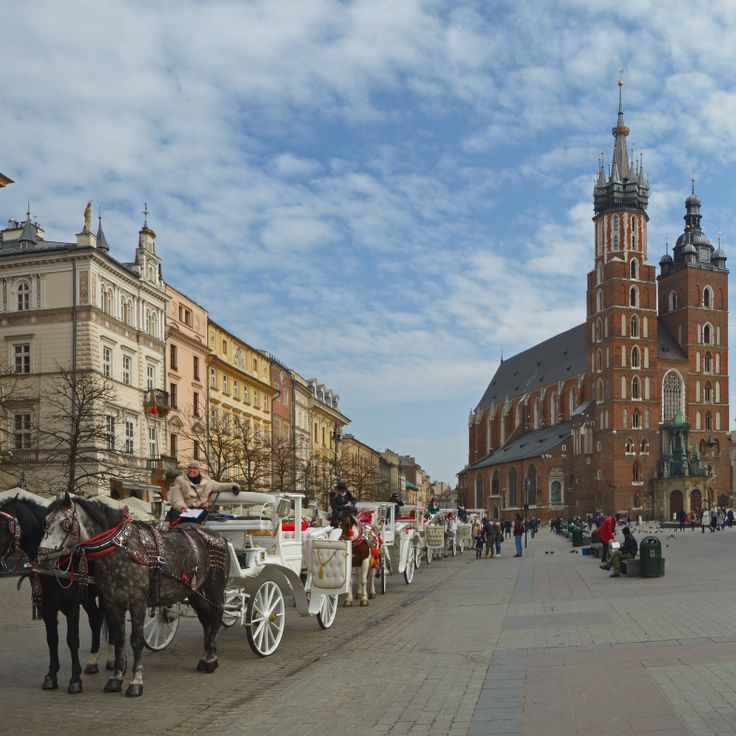
The Main Market Square is the medieval heart of Krakow, a large square that has served as the city's historical and commercial center since the 13th century. The square features the impressive Cloth Hall and the striking St. Mary's Church. This is where locals and visitors gather to experience the rhythm of the city and witness centuries of history come alive.
Wawel Castle is an important 14th-century architectural complex that rises above Krakow and overlooks the Vistula River. This castle brings together a Gothic cathedral, royal apartments, and fortifications that once served the Polish monarchy. Within this collection exploring Krakow's history and hidden sites, Wawel Castle stands as one of the city's major historical monuments, offering visitors a chance to understand Poland's royal past and cultural development.
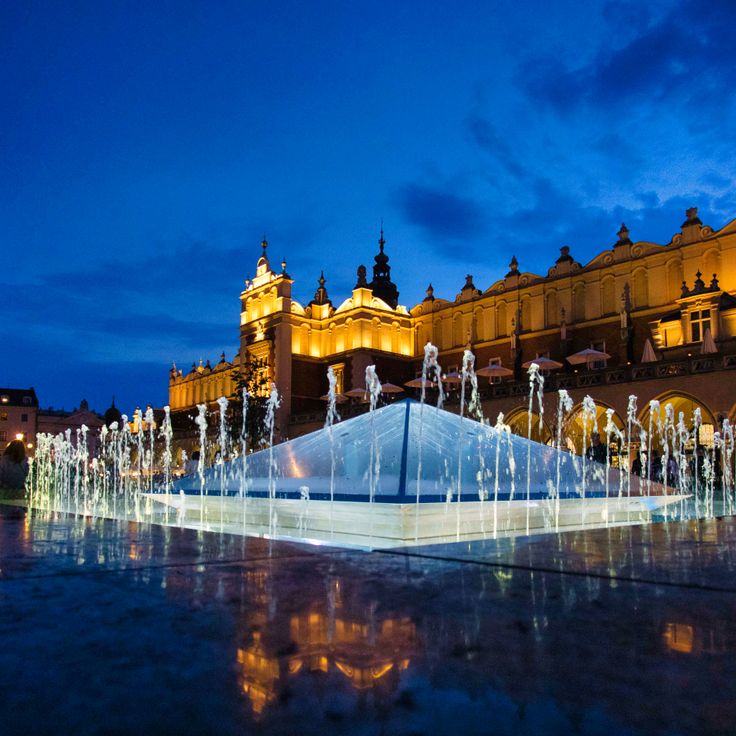
The Cloth Hall is a historic commercial building from the 16th century located in the heart of Krakow's old town. Originally the center of the cloth trade, this building with its arcades and galleries once reflected the city's merchant power. Today visitors find souvenirs, handicrafts, and local products sold by vendors from across the region. This hall is an important part of this collection because it connects you directly to Krakow's commercial past and shows how the city functioned as a trading hub.
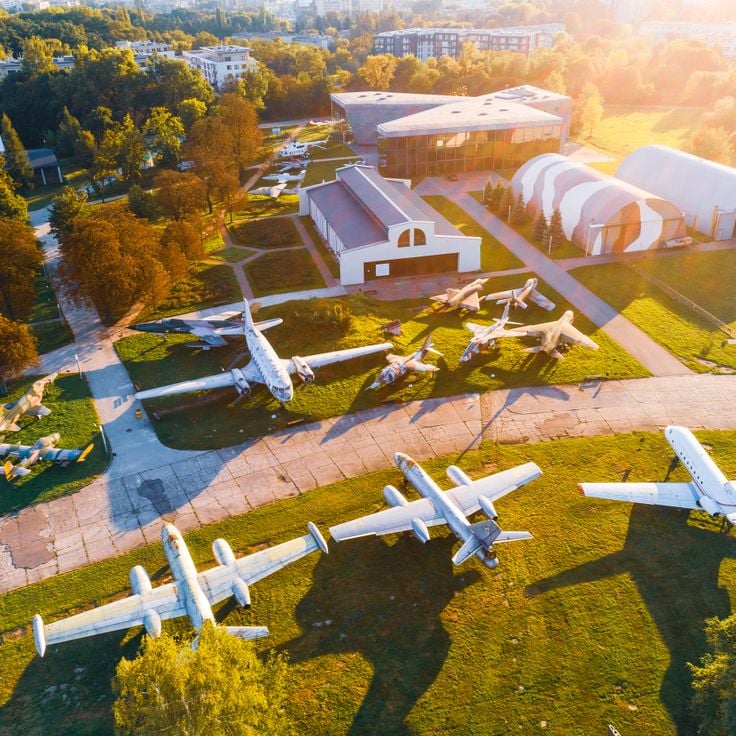
The Polish Aviation Museum is a national collection displaying over 200 civilian and military Polish aircraft. Inside you will find engines, navigation instruments, and historical documents of the aviation industry. This museum fits perfectly into this Krakow collection because it reveals lesser-explored aspects of Polish history and allows for an intense discovery away from typical tourist paths.
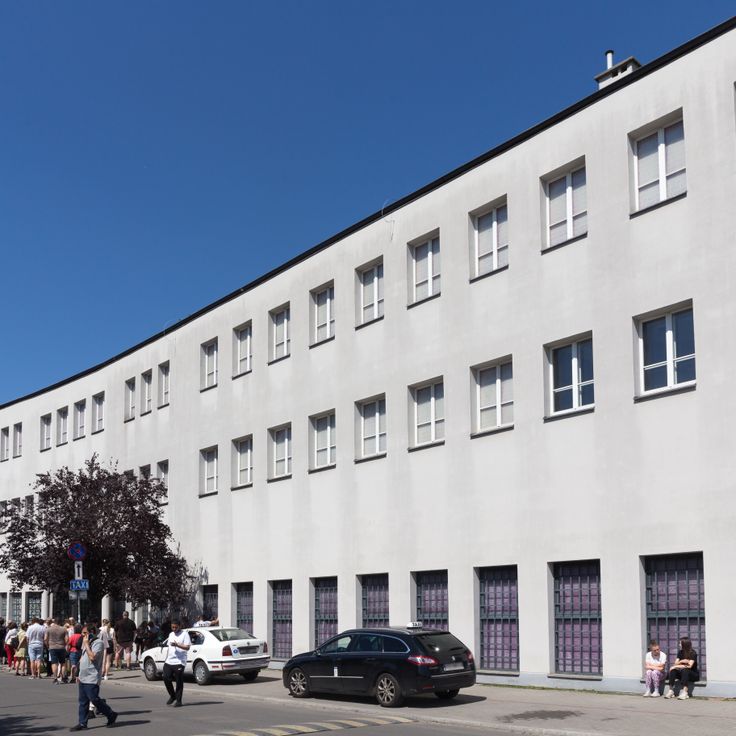
This enamelware factory from 1937 shows the story of Poles and Jews in Krakow during 1939 to 1945. As part of this tour of Krakow's hidden places, it offers insight into an important chapter of the city that often goes unnoticed.
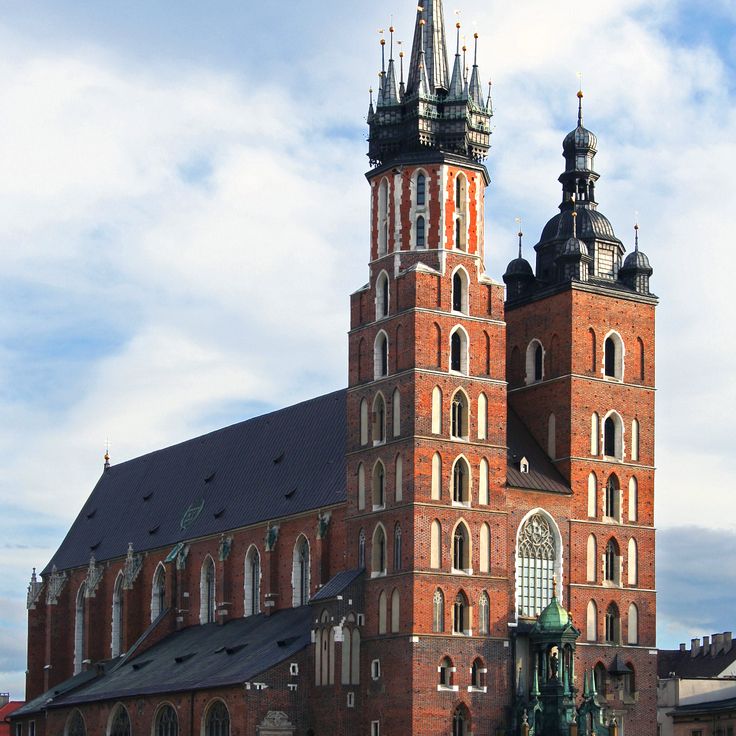
St. Mary's Basilica is a Gothic church built in 1397, featuring two asymmetric towers. Inside stands a monumental altarpiece from the 15th century, carved by Veit Stoss. This church is included in this collection as one of the most important historical monuments in Krakow and a major religious building that defines the city.
Wawel Cathedral is a Gothic structure from the 14th century and holds a central place in this collection of Krakow's most important historical monuments. The building contains royal chapels, the Sigismund Tower, and crypts housing Polish monarchs and national heroes. The site weaves together history and spirituality in a profound way.
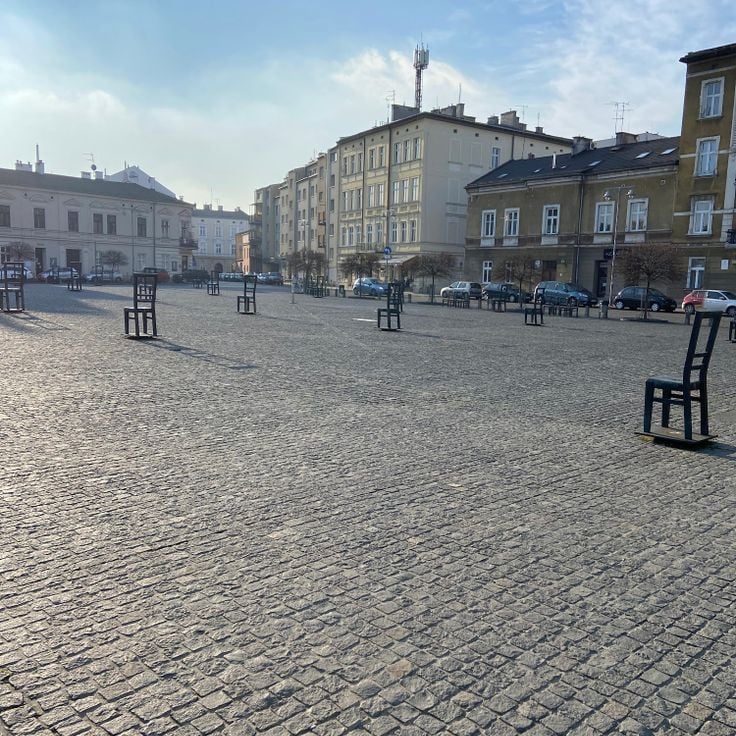
This square was inaugurated in 1949 as a memorial to the victims of the Krakow ghetto. Bronze chairs are placed throughout the space, representing the deportees who waited here. The square is included in this collection because it stands as an important historical testimony to the city's past and offers visitors a direct encounter with one of Krakow's most significant moments of suffering and remembrance.
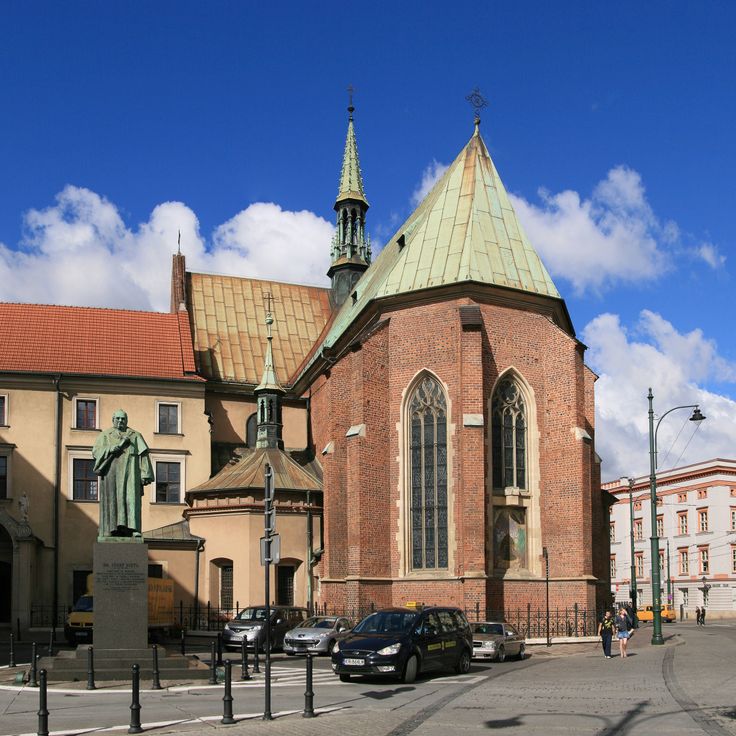
This 13th-century basilica is built of red brick and contains interiors decorated with care and skill. The stained glass windows were created by Stanisław Wyspiański and display Art Nouveau design. Colorful frescoes cover the walls inside. The basilica serves as an important religious site in Krakow and offers insight into the city's artistic and spiritual heritage during your exploration of its historical monuments.
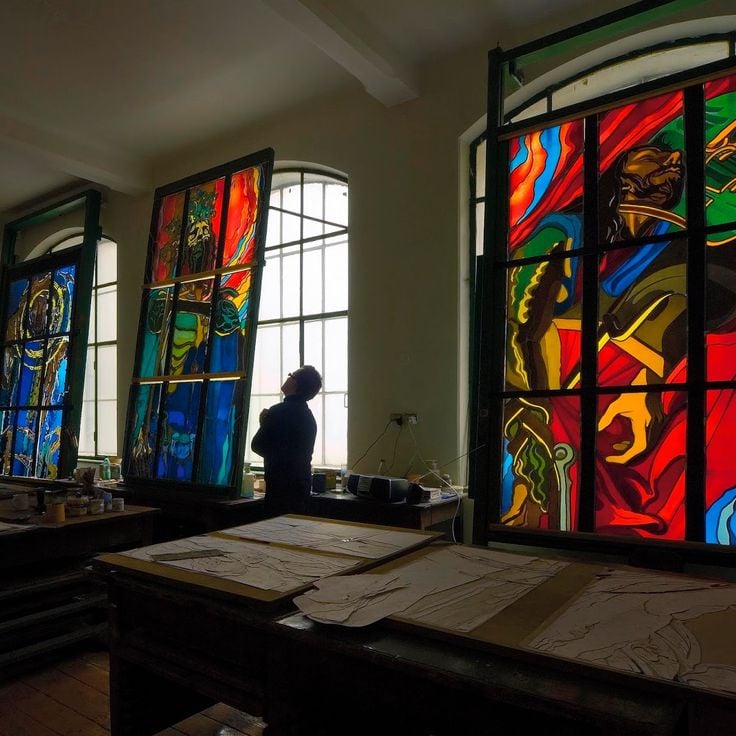
The Stained Glass Museum displays historical and contemporary stained glass, presenting the techniques and evolution of this decorative art in Poland since the Middle Ages. As part of this collection, it offers insight into lesser-known cultural treasures of Krakow and allows for a deeper exploration of the city beyond the usual tourist routes.
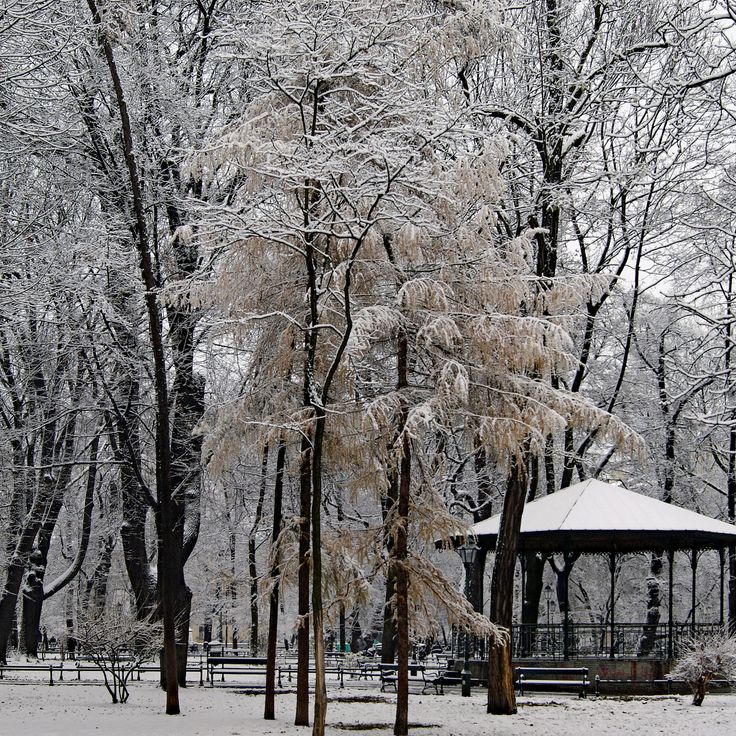
Planty Park is a four-kilometer ring of gardens that circles the medieval old town of Krakow. Built in the 19th century after the city walls were torn down, this park serves as a green space where locals and visitors walk, sit, and watch the rhythm of city life. The pathways wind through mature trees that provide shade and frame views of the historic buildings that border the park. It feels like stepping away from the busier streets of the old town while still being close to its heart.
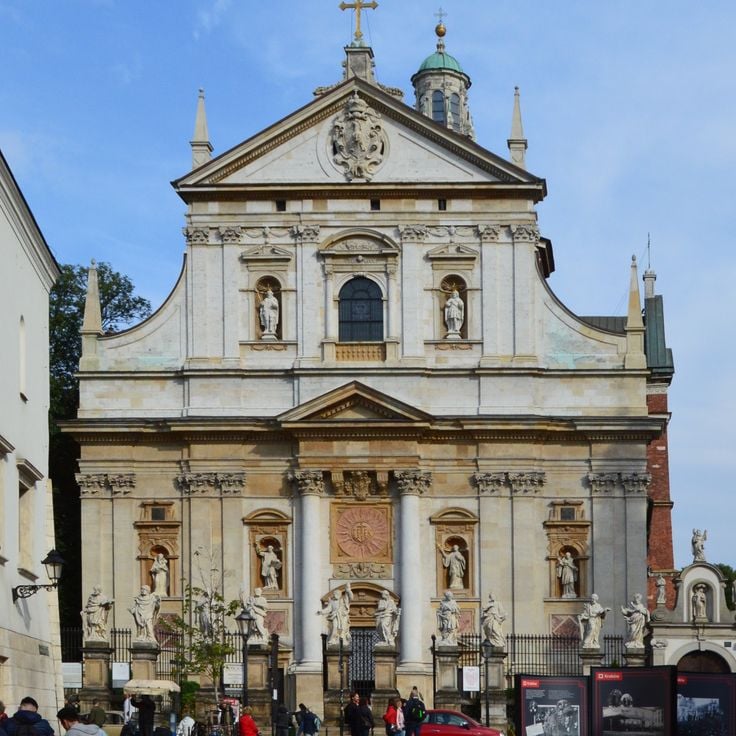
This church was built in the 17th century in Baroque style and is an important religious monument in Krakow's collection of historical sites. The façade displays limestone statues of the twelve apostles, which draw immediate attention. Inside, the central nave features decorated vaults that showcase the craftsmanship of the period. Visiting this church helps you understand the religious heritage that shaped the city.
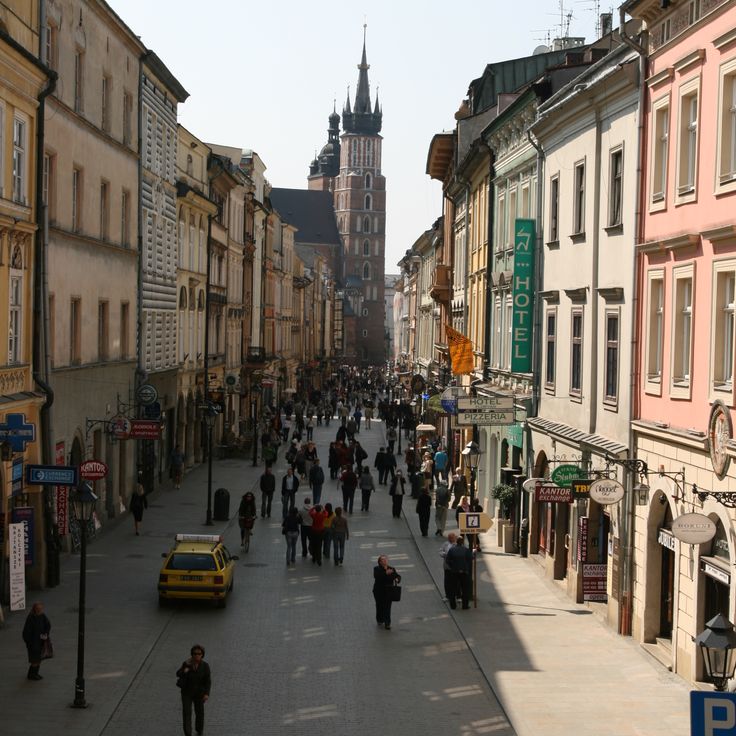
This street connects the Market Square to the Barbican and forms one of the main arteries of the old town. It is lined with shops, cafes, and restaurants that shape daily life in the old town. The street reveals Krakow's history through its architecture and serves as a central meeting point for locals and visitors alike. For this collection, Florianska Street is important to understand the historical monuments and the authentic character of the old town.
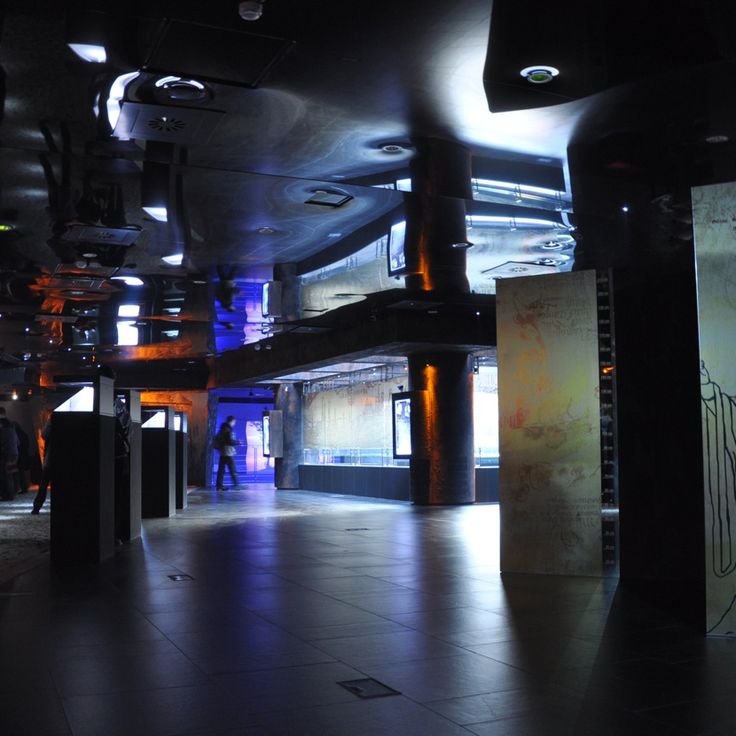
The Underground Museum of Market Square is a modern museum space located 4 meters (13 feet) below ground level that shows archaeological objects and recreations of daily life from the 13th century. Within the unusual tour of Krakow's historical sites, this museum offers visitors a less common way to explore the city's past through its underground galleries and artifacts.
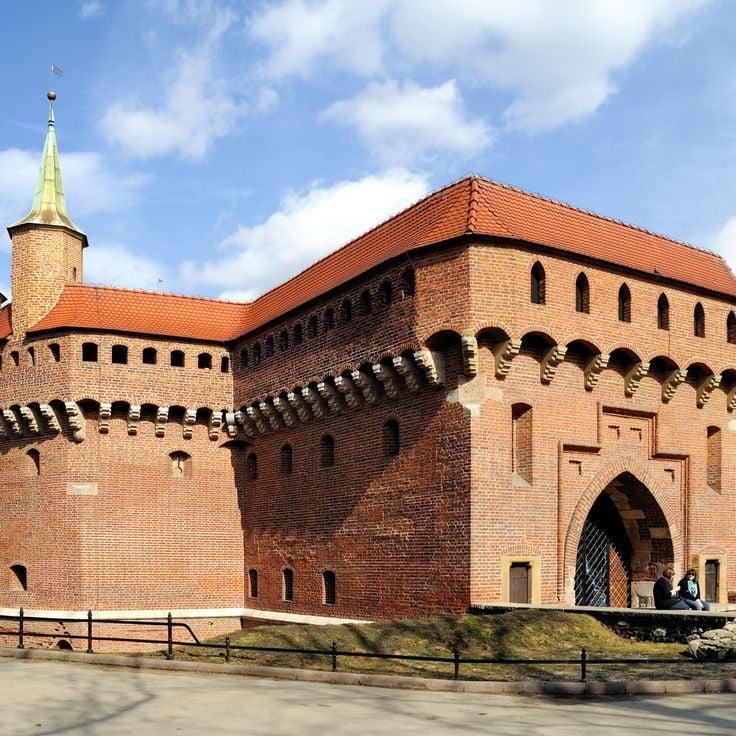
This barbican is a military fortification built in 1498 to defend the northern entrance to the city. The round brick structure features seven turrets and thick walls. As part of this tour of Krakow's hidden places, you can experience this impressive defensive structure and understand how the city protected itself centuries ago.
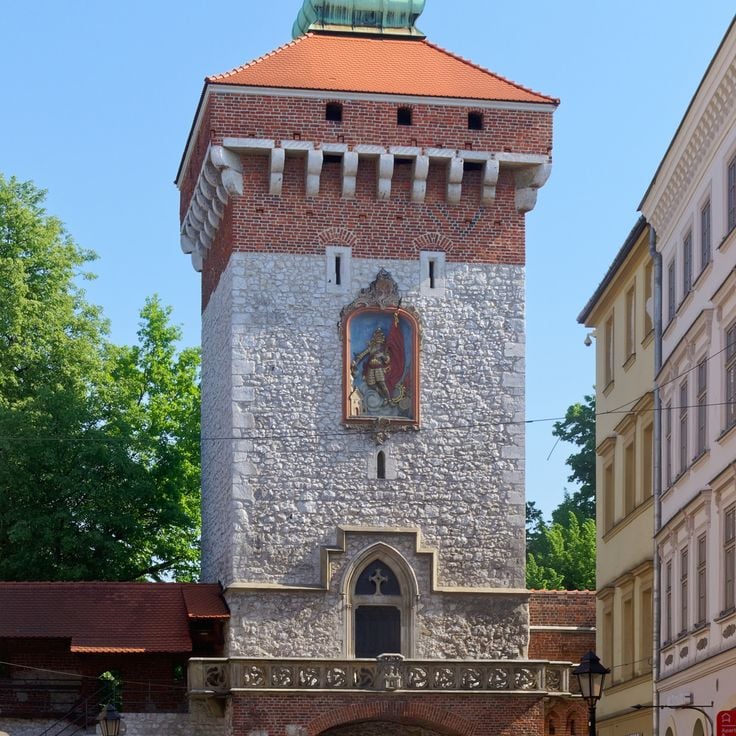
St. Florian's Gate is a fortified structure built in 1307 with eight towers and a barbican. This 34-meter high Gothic gate marks the beginning of the royal route and serves as an important landmark for discovering Krakow's historical heritage. As part of this collection, the gate provides insight into the medieval architecture and city defense systems that shaped Krakow's past.
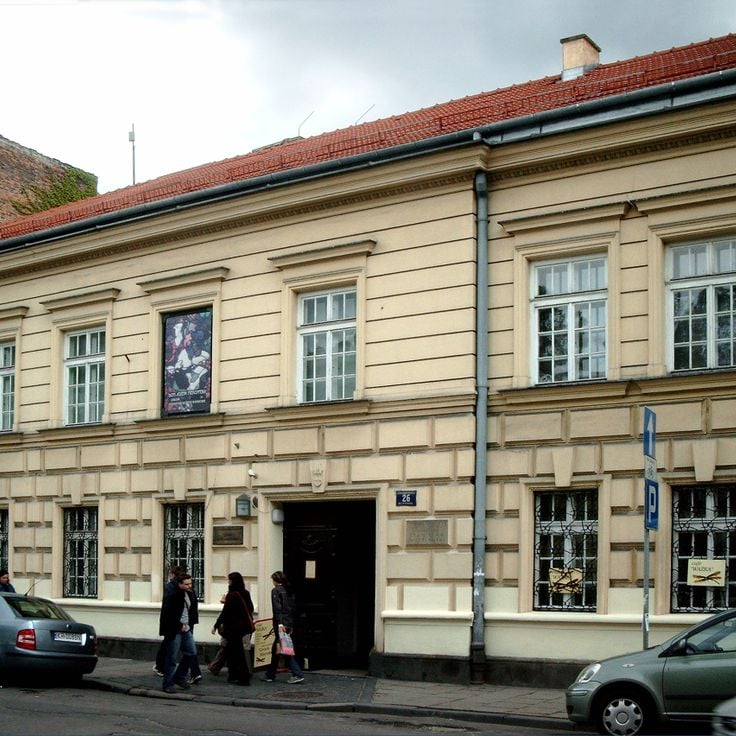
The Józef Mehoffer House is a historic residence that has been converted into a museum. Here you can see paintings, stained glass, furniture, and art objects that belonged to painter and decorator Józef Mehoffer. The house displays the personal collection of this important artist and provides insight into his creative life and artistic practice.
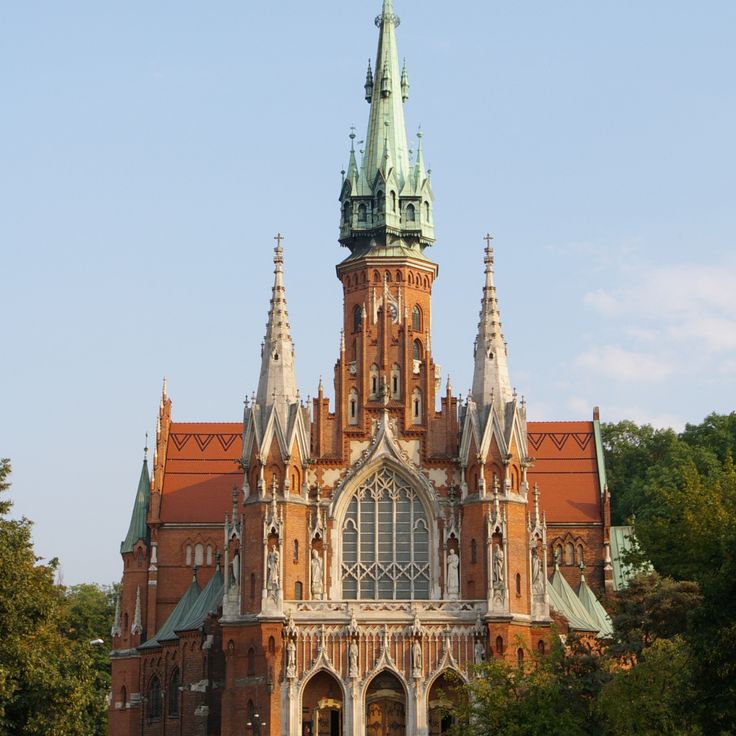
This church stands in the historic Kazimierz district and was built in the 19th century from red brick in the neo-Gothic style. The building is among the religious structures included in this collection of Krakow's history and offers a window into the architecture of that era.
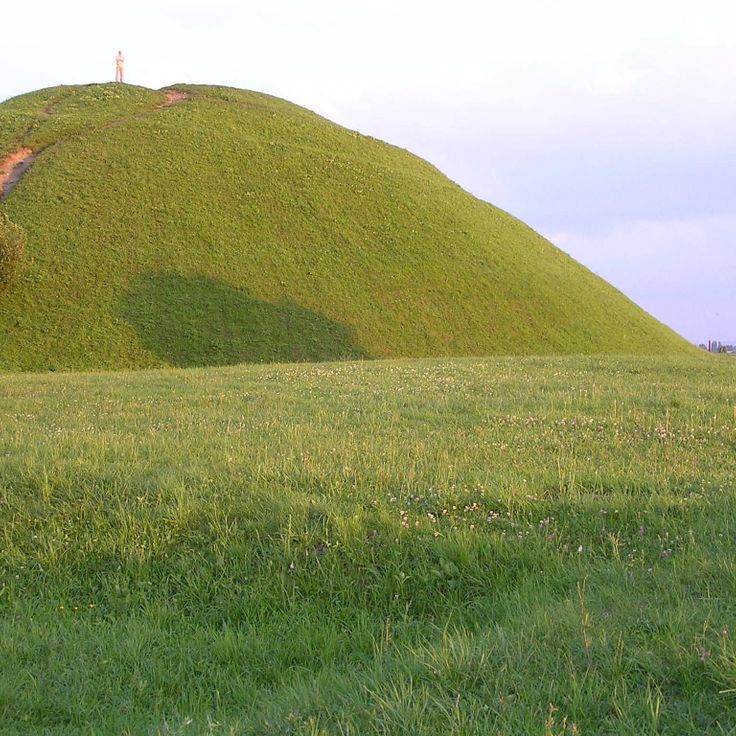
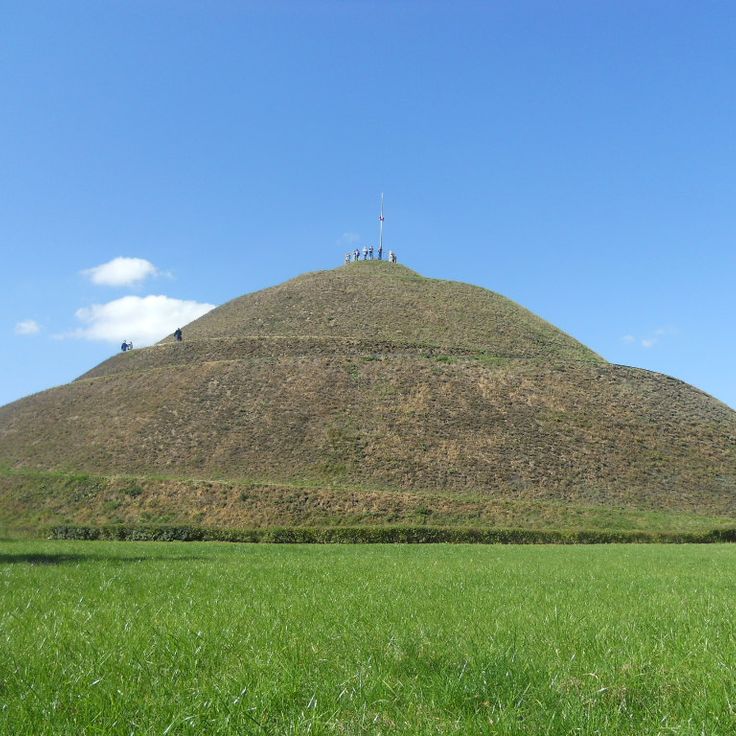
The Krakus Mound is a prehistoric earthwork standing 16 meters high that overlooks the Podgórze district. Local tradition credits its construction to the legendary King Krakus. This mound represents one of Krakow's lesser-explored sites, offering visitors a chance to discover deeper layers of the city's past away from the main tourist routes.
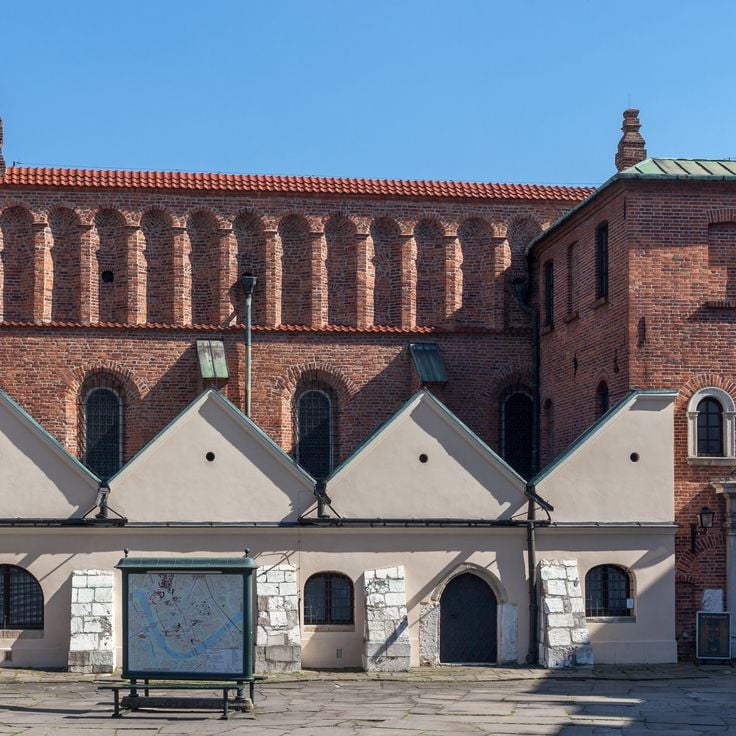
The Old Synagogue is a medieval house of worship built in the 15th century that now serves as a museum dedicated to Judaism. This historical building displays religious objects and tells the story of Jewish culture and history. It is part of a journey through Krakow that connects both well-known and hidden places in the city.
The Chopin Concert Hall is a music venue on the first floor of a historic house in Krakow where pianists regularly perform the works of Frédéric Chopin. This space belongs to a collection of important historical monuments and museums in Krakow and offers visitors a chance to experience classical music in a less celebrated location that preserves the city's cultural legacy.
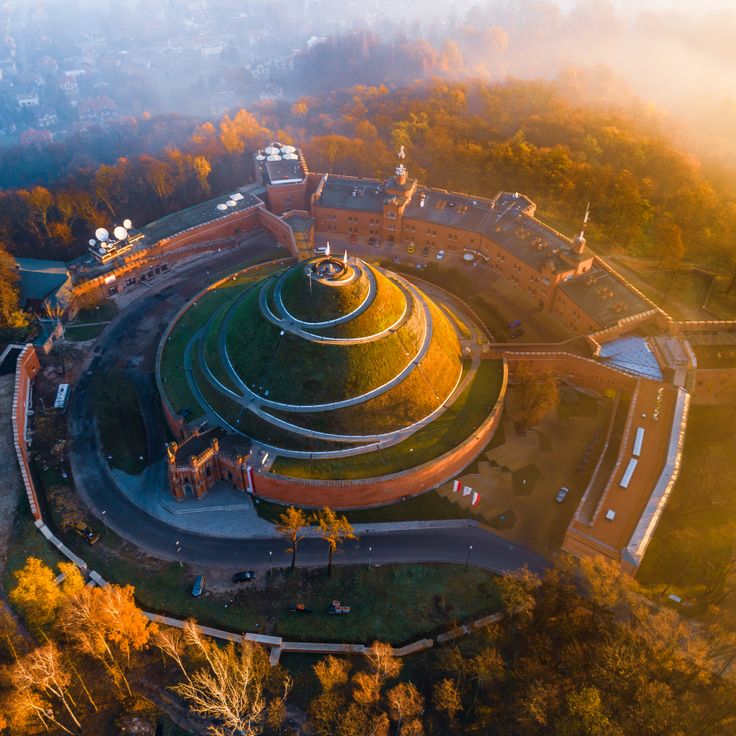
The Kosciuszko Mound is a monument of national importance erected in 1820 to honor the Polish general Tadeusz Kosciuszko. This site consists of an artificial hill standing about 34 meters tall, topped with a granite block quarried from the Tatra Mountains. Located on the outskirts of Krakow, the mound serves as a place of reflection and offers visitors views across the city and surrounding countryside. This memorial holds deep significance in Polish history and national memory.
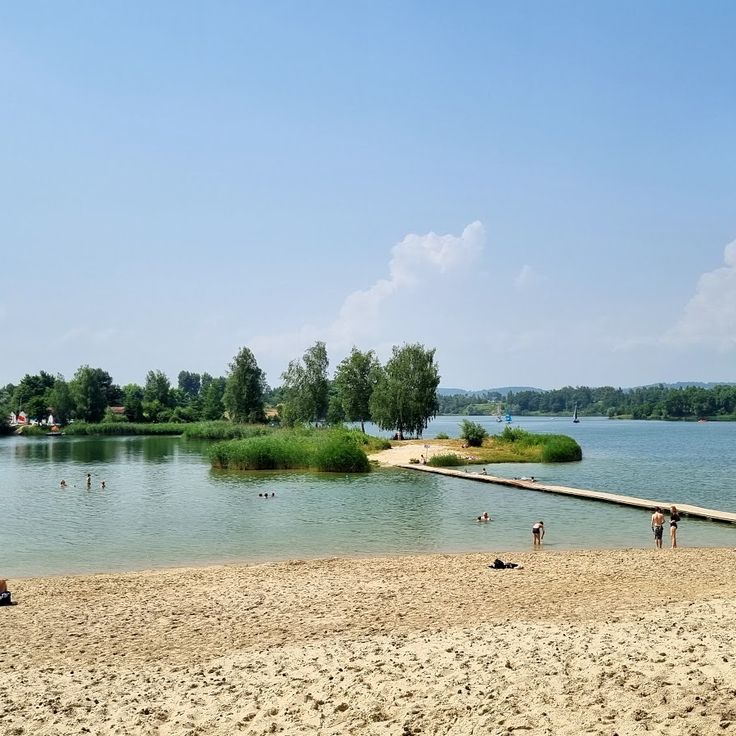
Kryspinow Lake is an artificial body of water about 12 kilometers from downtown Krakow. With its sandy beaches, picnic areas, and water sports facilities, it offers a welcome escape from the bustle of the city. The water draws swimmers and athletes, while the shores invite relaxation and quiet time. The lake is a place where locals spend their leisure and enjoy nature away from the city center.
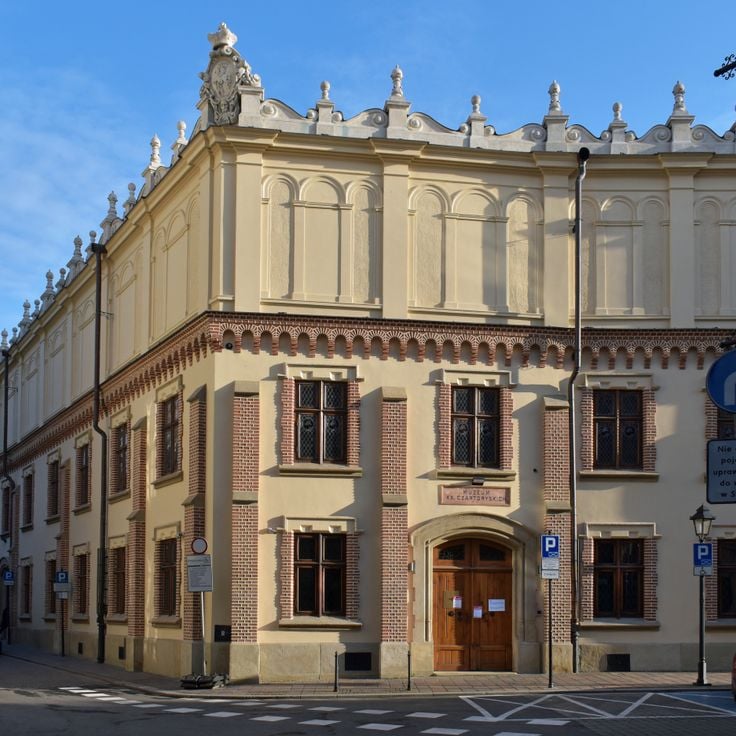
The Czartoryski Museum displays a national collection of European artworks housed in a 19th-century palace. Inside you will find a painting by Leonardo da Vinci and ancient weapons. This museum ranks among Krakow's most important cultural institutions and offers insight into history and art.
Piłsudski Mound is a 35-meter-high earthen mound built by the local population between 1934 and 1937 to honor Marshal Józef Piłsudski. Located in the Wolski forest, this monument represents an important part of Krakow's historical legacy and offers visitors a chance to discover a less-visited side of the city's past.
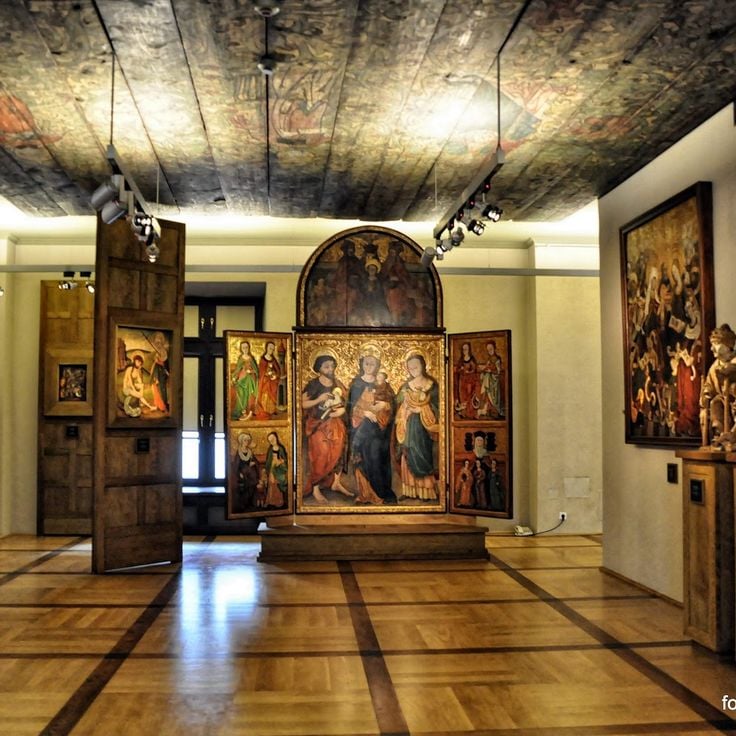
Erazm Ciolek Palace is a national museum housed in a 15th-century Gothic residence. The palace displays religious art, sculptures, and Polish medieval paintings. As part of this collection exploring Krakow's hidden cultural sites, this palace offers an authentic look at medieval Polish artistic traditions without the crowds of more famous institutions.
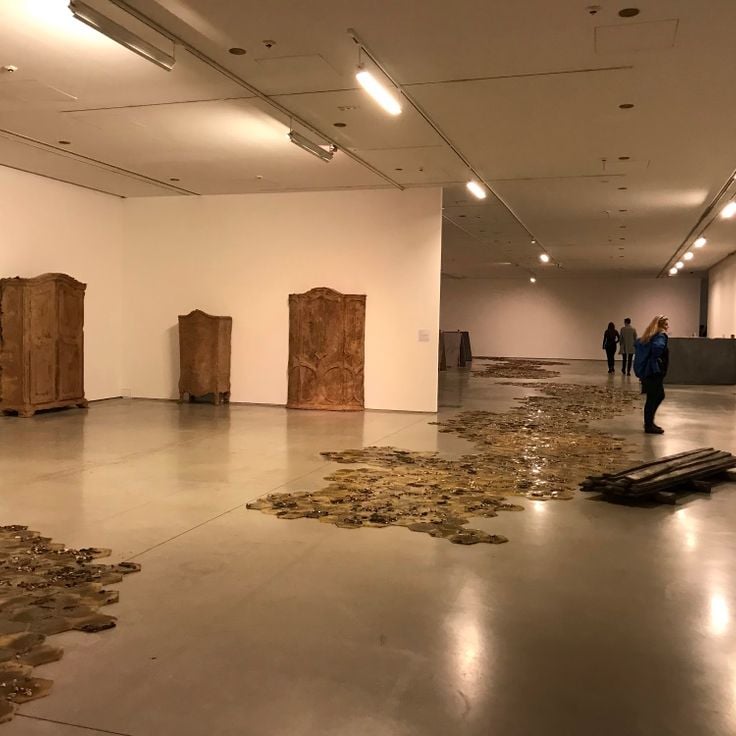
The MOCAK is a museum of contemporary art in Krakow set within the industrial buildings of the former Schindler Factory. It displays works by Polish and international artists from 1945 onwards. This museum is included in this collection to help visitors discover hidden cultural places and historical sites that reveal the true character of the city.
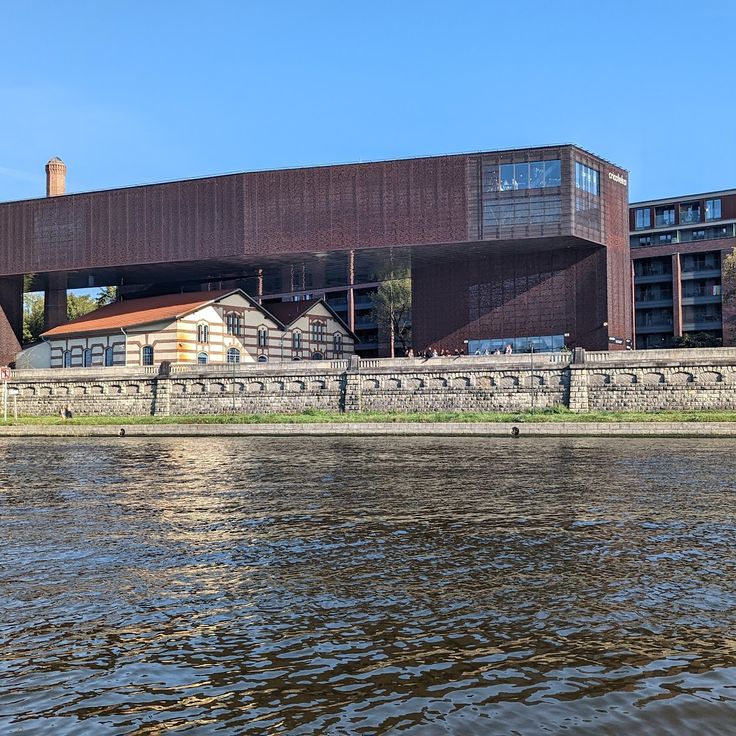
Cricoteka is a museum of contemporary art housed in a former power plant in Krakow. It displays theatrical creations and visual works by Tadeusz Kantor. This museum is part of this collection of important historical monuments and cultural sites in Krakow, where visitors can discover both well-known landmarks and less explored places that reveal the city's artistic heritage.
The Vodka Museum presents traditional Polish vodka production through exhibitions of old bottles and distillation equipment. Within this collection of lesser-known places in Krakow, this museum offers insight into an important aspect of Polish craftsmanship and local heritage.
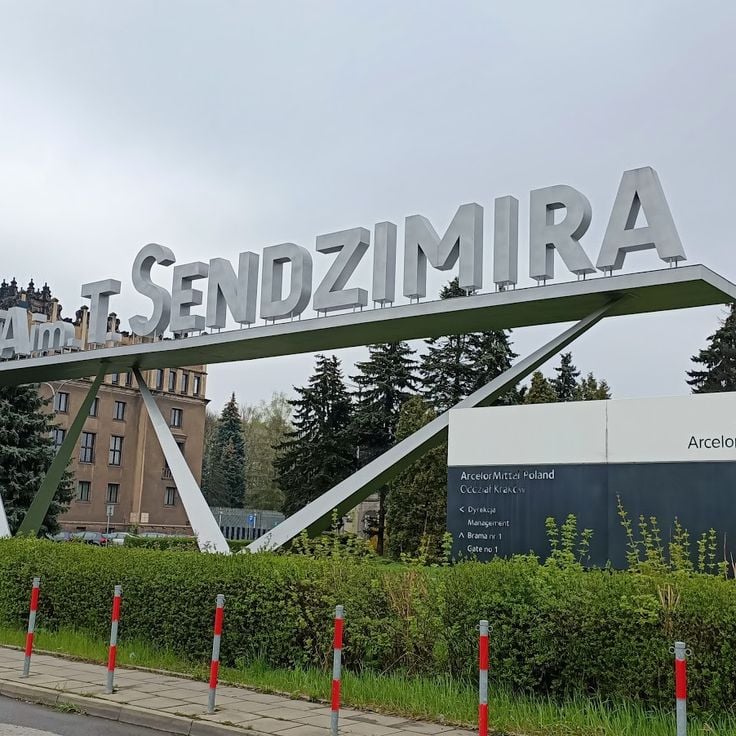
The Nowa Huta District shows the building principles of socialist architecture from the 1950s. It was a large experiment in communist urban planning that shapes Krakow until today. The streets feel spacious, the buildings follow clear geometric forms. It is a place to understand how an entire city was planned and built according to ideological ideas.
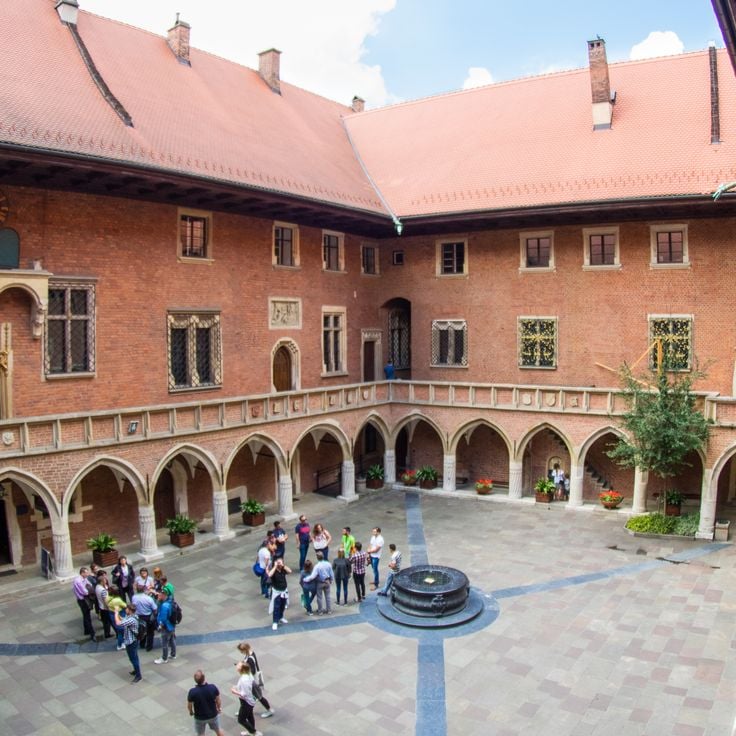
This university was established in 1364 by Casimir the Great and stands as one of Europe's oldest institutions of higher learning. The Collegium Maius represents the heart of the institution, displaying Gothic architecture with graceful arcades and a historic astronomical clock. The buildings carry the weight of centuries of academic tradition and form part of Krakow's deeper story, revealing itself to those who venture beyond common tourist paths. Visitors can walk through rooms that have witnessed generations of scholars.
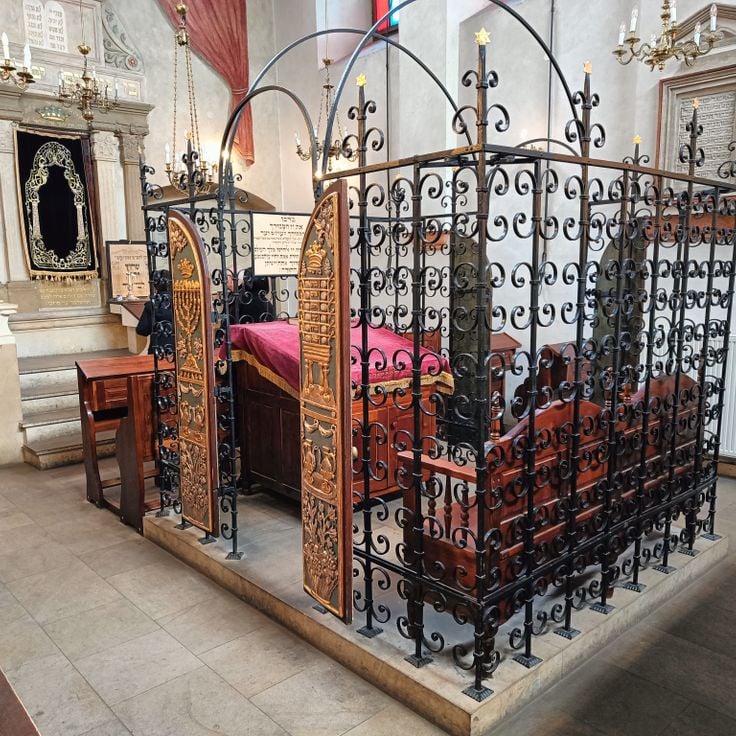
The Remuh Synagogue is a 16th-century structure located in the Kazimierz district that offers insight into Krakow's Jewish history. A Renaissance cemetery with historical tombstones stands directly beside the building, documenting generations of the community. This place allows visitors to discover and understand the city's past in a personal way.
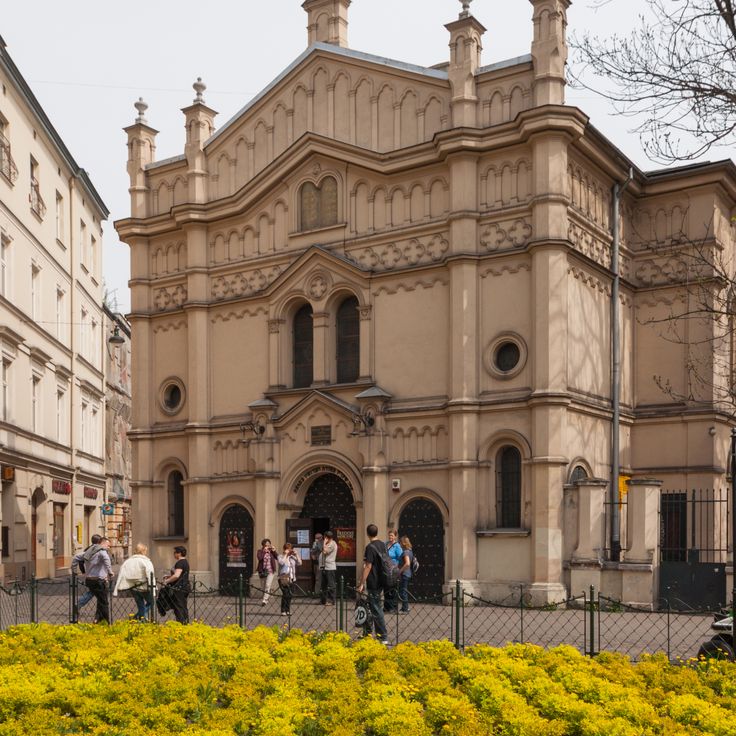
The Tempel Synagogue is a religious building constructed in 1862 in the Kazimierz district, featuring Neo-Romanesque architecture with Moorish decorative elements and a large central rose window. As one of Krakow's important historical monuments, this temple offers visitors a chance to explore the deeper layers of the city's Jewish heritage and discover less familiar aspects of its past.
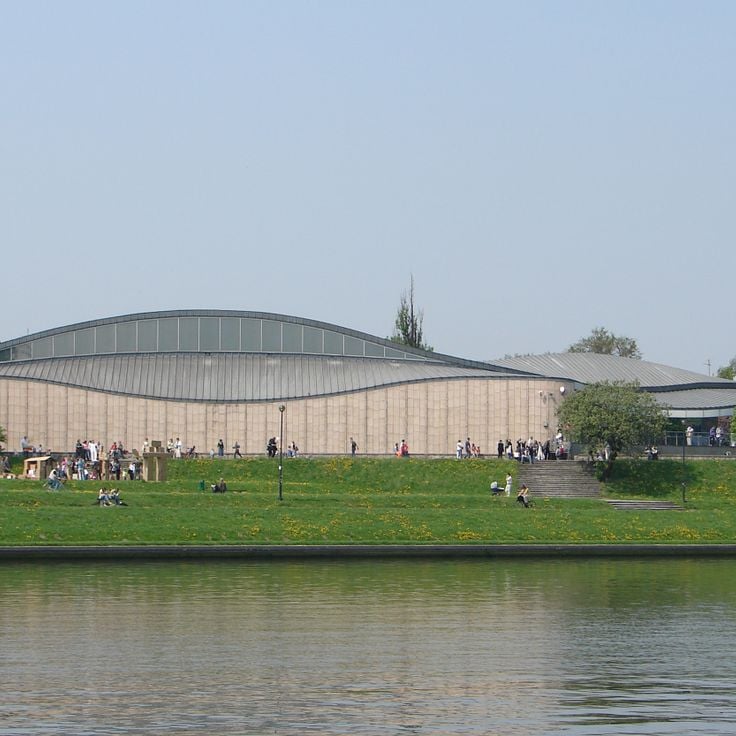
The Manggha presents Japanese art and technology near the Vistula River. This museum holds a permanent collection of prints, kimonos, and traditional objects. Within this collection of important cultural sites, it offers genuine access to Japanese culture and history away from typical tourist paths.
The Main Market Square is the medieval heart of Krakow, a large square that has served as the city's historical and commercial center since the 13th century. The square features the impressive Cloth Hall and the striking St. Mary's Church. This is where locals and visitors gather to experience the rhythm of the city and witness centuries of history come alive.
Wawel Castle is an important 14th-century architectural complex that rises above Krakow and overlooks the Vistula River. This castle brings together a Gothic cathedral, royal apartments, and fortifications that once served the Polish monarchy. Within this collection exploring Krakow's history and hidden sites, Wawel Castle stands as one of the city's major historical monuments, offering visitors a chance to understand Poland's royal past and cultural development.
The Cloth Hall is a historic commercial building from the 16th century located in the heart of Krakow's old town. Originally the center of the cloth trade, this building with its arcades and galleries once reflected the city's merchant power. Today visitors find souvenirs, handicrafts, and local products sold by vendors from across the region. This hall is an important part of this collection because it connects you directly to Krakow's commercial past and shows how the city functioned as a trading hub.
The Polish Aviation Museum is a national collection displaying over 200 civilian and military Polish aircraft. Inside you will find engines, navigation instruments, and historical documents of the aviation industry. This museum fits perfectly into this Krakow collection because it reveals lesser-explored aspects of Polish history and allows for an intense discovery away from typical tourist paths.
This enamelware factory from 1937 shows the story of Poles and Jews in Krakow during 1939 to 1945. As part of this tour of Krakow's hidden places, it offers insight into an important chapter of the city that often goes unnoticed.
St. Mary's Basilica is a Gothic church built in 1397, featuring two asymmetric towers. Inside stands a monumental altarpiece from the 15th century, carved by Veit Stoss. This church is included in this collection as one of the most important historical monuments in Krakow and a major religious building that defines the city.
Wawel Cathedral is a Gothic structure from the 14th century and holds a central place in this collection of Krakow's most important historical monuments. The building contains royal chapels, the Sigismund Tower, and crypts housing Polish monarchs and national heroes. The site weaves together history and spirituality in a profound way.
This square was inaugurated in 1949 as a memorial to the victims of the Krakow ghetto. Bronze chairs are placed throughout the space, representing the deportees who waited here. The square is included in this collection because it stands as an important historical testimony to the city's past and offers visitors a direct encounter with one of Krakow's most significant moments of suffering and remembrance.
This 13th-century basilica is built of red brick and contains interiors decorated with care and skill. The stained glass windows were created by Stanisław Wyspiański and display Art Nouveau design. Colorful frescoes cover the walls inside. The basilica serves as an important religious site in Krakow and offers insight into the city's artistic and spiritual heritage during your exploration of its historical monuments.
The Stained Glass Museum displays historical and contemporary stained glass, presenting the techniques and evolution of this decorative art in Poland since the Middle Ages. As part of this collection, it offers insight into lesser-known cultural treasures of Krakow and allows for a deeper exploration of the city beyond the usual tourist routes.
Planty Park is a four-kilometer ring of gardens that circles the medieval old town of Krakow. Built in the 19th century after the city walls were torn down, this park serves as a green space where locals and visitors walk, sit, and watch the rhythm of city life. The pathways wind through mature trees that provide shade and frame views of the historic buildings that border the park. It feels like stepping away from the busier streets of the old town while still being close to its heart.
This church was built in the 17th century in Baroque style and is an important religious monument in Krakow's collection of historical sites. The façade displays limestone statues of the twelve apostles, which draw immediate attention. Inside, the central nave features decorated vaults that showcase the craftsmanship of the period. Visiting this church helps you understand the religious heritage that shaped the city.
This street connects the Market Square to the Barbican and forms one of the main arteries of the old town. It is lined with shops, cafes, and restaurants that shape daily life in the old town. The street reveals Krakow's history through its architecture and serves as a central meeting point for locals and visitors alike. For this collection, Florianska Street is important to understand the historical monuments and the authentic character of the old town.
The Underground Museum of Market Square is a modern museum space located 4 meters (13 feet) below ground level that shows archaeological objects and recreations of daily life from the 13th century. Within the unusual tour of Krakow's historical sites, this museum offers visitors a less common way to explore the city's past through its underground galleries and artifacts.
This barbican is a military fortification built in 1498 to defend the northern entrance to the city. The round brick structure features seven turrets and thick walls. As part of this tour of Krakow's hidden places, you can experience this impressive defensive structure and understand how the city protected itself centuries ago.
St. Florian's Gate is a fortified structure built in 1307 with eight towers and a barbican. This 34-meter high Gothic gate marks the beginning of the royal route and serves as an important landmark for discovering Krakow's historical heritage. As part of this collection, the gate provides insight into the medieval architecture and city defense systems that shaped Krakow's past.
The Józef Mehoffer House is a historic residence that has been converted into a museum. Here you can see paintings, stained glass, furniture, and art objects that belonged to painter and decorator Józef Mehoffer. The house displays the personal collection of this important artist and provides insight into his creative life and artistic practice.
This church stands in the historic Kazimierz district and was built in the 19th century from red brick in the neo-Gothic style. The building is among the religious structures included in this collection of Krakow's history and offers a window into the architecture of that era.
The Krakus Mound is a prehistoric earthwork standing 16 meters high that overlooks the Podgórze district. Local tradition credits its construction to the legendary King Krakus. This mound represents one of Krakow's lesser-explored sites, offering visitors a chance to discover deeper layers of the city's past away from the main tourist routes.
The Old Synagogue is a medieval house of worship built in the 15th century that now serves as a museum dedicated to Judaism. This historical building displays religious objects and tells the story of Jewish culture and history. It is part of a journey through Krakow that connects both well-known and hidden places in the city.
The Chopin Concert Hall is a music venue on the first floor of a historic house in Krakow where pianists regularly perform the works of Frédéric Chopin. This space belongs to a collection of important historical monuments and museums in Krakow and offers visitors a chance to experience classical music in a less celebrated location that preserves the city's cultural legacy.
The Kosciuszko Mound is a monument of national importance erected in 1820 to honor the Polish general Tadeusz Kosciuszko. This site consists of an artificial hill standing about 34 meters tall, topped with a granite block quarried from the Tatra Mountains. Located on the outskirts of Krakow, the mound serves as a place of reflection and offers visitors views across the city and surrounding countryside. This memorial holds deep significance in Polish history and national memory.
Kryspinow Lake is an artificial body of water about 12 kilometers from downtown Krakow. With its sandy beaches, picnic areas, and water sports facilities, it offers a welcome escape from the bustle of the city. The water draws swimmers and athletes, while the shores invite relaxation and quiet time. The lake is a place where locals spend their leisure and enjoy nature away from the city center.
The Czartoryski Museum displays a national collection of European artworks housed in a 19th-century palace. Inside you will find a painting by Leonardo da Vinci and ancient weapons. This museum ranks among Krakow's most important cultural institutions and offers insight into history and art.
Piłsudski Mound is a 35-meter-high earthen mound built by the local population between 1934 and 1937 to honor Marshal Józef Piłsudski. Located in the Wolski forest, this monument represents an important part of Krakow's historical legacy and offers visitors a chance to discover a less-visited side of the city's past.
Erazm Ciolek Palace is a national museum housed in a 15th-century Gothic residence. The palace displays religious art, sculptures, and Polish medieval paintings. As part of this collection exploring Krakow's hidden cultural sites, this palace offers an authentic look at medieval Polish artistic traditions without the crowds of more famous institutions.
The MOCAK is a museum of contemporary art in Krakow set within the industrial buildings of the former Schindler Factory. It displays works by Polish and international artists from 1945 onwards. This museum is included in this collection to help visitors discover hidden cultural places and historical sites that reveal the true character of the city.
Cricoteka is a museum of contemporary art housed in a former power plant in Krakow. It displays theatrical creations and visual works by Tadeusz Kantor. This museum is part of this collection of important historical monuments and cultural sites in Krakow, where visitors can discover both well-known landmarks and less explored places that reveal the city's artistic heritage.
The Vodka Museum presents traditional Polish vodka production through exhibitions of old bottles and distillation equipment. Within this collection of lesser-known places in Krakow, this museum offers insight into an important aspect of Polish craftsmanship and local heritage.
The Nowa Huta District shows the building principles of socialist architecture from the 1950s. It was a large experiment in communist urban planning that shapes Krakow until today. The streets feel spacious, the buildings follow clear geometric forms. It is a place to understand how an entire city was planned and built according to ideological ideas.
This university was established in 1364 by Casimir the Great and stands as one of Europe's oldest institutions of higher learning. The Collegium Maius represents the heart of the institution, displaying Gothic architecture with graceful arcades and a historic astronomical clock. The buildings carry the weight of centuries of academic tradition and form part of Krakow's deeper story, revealing itself to those who venture beyond common tourist paths. Visitors can walk through rooms that have witnessed generations of scholars.
The Remuh Synagogue is a 16th-century structure located in the Kazimierz district that offers insight into Krakow's Jewish history. A Renaissance cemetery with historical tombstones stands directly beside the building, documenting generations of the community. This place allows visitors to discover and understand the city's past in a personal way.
The Tempel Synagogue is a religious building constructed in 1862 in the Kazimierz district, featuring Neo-Romanesque architecture with Moorish decorative elements and a large central rose window. As one of Krakow's important historical monuments, this temple offers visitors a chance to explore the deeper layers of the city's Jewish heritage and discover less familiar aspects of its past.
The Manggha presents Japanese art and technology near the Vistula River. This museum holds a permanent collection of prints, kimonos, and traditional objects. Within this collection of important cultural sites, it offers genuine access to Japanese culture and history away from typical tourist paths.
The Main Market Square is the medieval heart of Krakow, a large square that has served as the city's historical and commercial center since the 13th century. The square features the impressive Cloth Hall and the striking St. Mary's Church. This is where locals and visitors gather to experience the rhythm of the city and witness centuries of history come alive.
Wawel Castle is an important 14th-century architectural complex that rises above Krakow and overlooks the Vistula River. This castle brings together a Gothic cathedral, royal apartments, and fortifications that once served the Polish monarchy. Within this collection exploring Krakow's history and hidden sites, Wawel Castle stands as one of the city's major historical monuments, offering visitors a chance to understand Poland's royal past and cultural development.
The Cloth Hall is a historic commercial building from the 16th century located in the heart of Krakow's old town. Originally the center of the cloth trade, this building with its arcades and galleries once reflected the city's merchant power. Today visitors find souvenirs, handicrafts, and local products sold by vendors from across the region. This hall is an important part of this collection because it connects you directly to Krakow's commercial past and shows how the city functioned as a trading hub.
The Polish Aviation Museum is a national collection displaying over 200 civilian and military Polish aircraft. Inside you will find engines, navigation instruments, and historical documents of the aviation industry. This museum fits perfectly into this Krakow collection because it reveals lesser-explored aspects of Polish history and allows for an intense discovery away from typical tourist paths.
This enamelware factory from 1937 shows the story of Poles and Jews in Krakow during 1939 to 1945. As part of this tour of Krakow's hidden places, it offers insight into an important chapter of the city that often goes unnoticed.
St. Mary's Basilica is a Gothic church built in 1397, featuring two asymmetric towers. Inside stands a monumental altarpiece from the 15th century, carved by Veit Stoss. This church is included in this collection as one of the most important historical monuments in Krakow and a major religious building that defines the city.
Wawel Cathedral is a Gothic structure from the 14th century and holds a central place in this collection of Krakow's most important historical monuments. The building contains royal chapels, the Sigismund Tower, and crypts housing Polish monarchs and national heroes. The site weaves together history and spirituality in a profound way.
This square was inaugurated in 1949 as a memorial to the victims of the Krakow ghetto. Bronze chairs are placed throughout the space, representing the deportees who waited here. The square is included in this collection because it stands as an important historical testimony to the city's past and offers visitors a direct encounter with one of Krakow's most significant moments of suffering and remembrance.
This 13th-century basilica is built of red brick and contains interiors decorated with care and skill. The stained glass windows were created by Stanisław Wyspiański and display Art Nouveau design. Colorful frescoes cover the walls inside. The basilica serves as an important religious site in Krakow and offers insight into the city's artistic and spiritual heritage during your exploration of its historical monuments.
The Stained Glass Museum displays historical and contemporary stained glass, presenting the techniques and evolution of this decorative art in Poland since the Middle Ages. As part of this collection, it offers insight into lesser-known cultural treasures of Krakow and allows for a deeper exploration of the city beyond the usual tourist routes.
Planty Park is a four-kilometer ring of gardens that circles the medieval old town of Krakow. Built in the 19th century after the city walls were torn down, this park serves as a green space where locals and visitors walk, sit, and watch the rhythm of city life. The pathways wind through mature trees that provide shade and frame views of the historic buildings that border the park. It feels like stepping away from the busier streets of the old town while still being close to its heart.
This church was built in the 17th century in Baroque style and is an important religious monument in Krakow's collection of historical sites. The façade displays limestone statues of the twelve apostles, which draw immediate attention. Inside, the central nave features decorated vaults that showcase the craftsmanship of the period. Visiting this church helps you understand the religious heritage that shaped the city.
This street connects the Market Square to the Barbican and forms one of the main arteries of the old town. It is lined with shops, cafes, and restaurants that shape daily life in the old town. The street reveals Krakow's history through its architecture and serves as a central meeting point for locals and visitors alike. For this collection, Florianska Street is important to understand the historical monuments and the authentic character of the old town.
The Underground Museum of Market Square is a modern museum space located 4 meters (13 feet) below ground level that shows archaeological objects and recreations of daily life from the 13th century. Within the unusual tour of Krakow's historical sites, this museum offers visitors a less common way to explore the city's past through its underground galleries and artifacts.
This barbican is a military fortification built in 1498 to defend the northern entrance to the city. The round brick structure features seven turrets and thick walls. As part of this tour of Krakow's hidden places, you can experience this impressive defensive structure and understand how the city protected itself centuries ago.
St. Florian's Gate is a fortified structure built in 1307 with eight towers and a barbican. This 34-meter high Gothic gate marks the beginning of the royal route and serves as an important landmark for discovering Krakow's historical heritage. As part of this collection, the gate provides insight into the medieval architecture and city defense systems that shaped Krakow's past.
The Józef Mehoffer House is a historic residence that has been converted into a museum. Here you can see paintings, stained glass, furniture, and art objects that belonged to painter and decorator Józef Mehoffer. The house displays the personal collection of this important artist and provides insight into his creative life and artistic practice.
This church stands in the historic Kazimierz district and was built in the 19th century from red brick in the neo-Gothic style. The building is among the religious structures included in this collection of Krakow's history and offers a window into the architecture of that era.
The Krakus Mound is a prehistoric earthwork standing 16 meters high that overlooks the Podgórze district. Local tradition credits its construction to the legendary King Krakus. This mound represents one of Krakow's lesser-explored sites, offering visitors a chance to discover deeper layers of the city's past away from the main tourist routes.
The Old Synagogue is a medieval house of worship built in the 15th century that now serves as a museum dedicated to Judaism. This historical building displays religious objects and tells the story of Jewish culture and history. It is part of a journey through Krakow that connects both well-known and hidden places in the city.
The Chopin Concert Hall is a music venue on the first floor of a historic house in Krakow where pianists regularly perform the works of Frédéric Chopin. This space belongs to a collection of important historical monuments and museums in Krakow and offers visitors a chance to experience classical music in a less celebrated location that preserves the city's cultural legacy.
The Kosciuszko Mound is a monument of national importance erected in 1820 to honor the Polish general Tadeusz Kosciuszko. This site consists of an artificial hill standing about 34 meters tall, topped with a granite block quarried from the Tatra Mountains. Located on the outskirts of Krakow, the mound serves as a place of reflection and offers visitors views across the city and surrounding countryside. This memorial holds deep significance in Polish history and national memory.
Kryspinow Lake is an artificial body of water about 12 kilometers from downtown Krakow. With its sandy beaches, picnic areas, and water sports facilities, it offers a welcome escape from the bustle of the city. The water draws swimmers and athletes, while the shores invite relaxation and quiet time. The lake is a place where locals spend their leisure and enjoy nature away from the city center.
The Czartoryski Museum displays a national collection of European artworks housed in a 19th-century palace. Inside you will find a painting by Leonardo da Vinci and ancient weapons. This museum ranks among Krakow's most important cultural institutions and offers insight into history and art.
Piłsudski Mound is a 35-meter-high earthen mound built by the local population between 1934 and 1937 to honor Marshal Józef Piłsudski. Located in the Wolski forest, this monument represents an important part of Krakow's historical legacy and offers visitors a chance to discover a less-visited side of the city's past.
Erazm Ciolek Palace is a national museum housed in a 15th-century Gothic residence. The palace displays religious art, sculptures, and Polish medieval paintings. As part of this collection exploring Krakow's hidden cultural sites, this palace offers an authentic look at medieval Polish artistic traditions without the crowds of more famous institutions.
The MOCAK is a museum of contemporary art in Krakow set within the industrial buildings of the former Schindler Factory. It displays works by Polish and international artists from 1945 onwards. This museum is included in this collection to help visitors discover hidden cultural places and historical sites that reveal the true character of the city.
Cricoteka is a museum of contemporary art housed in a former power plant in Krakow. It displays theatrical creations and visual works by Tadeusz Kantor. This museum is part of this collection of important historical monuments and cultural sites in Krakow, where visitors can discover both well-known landmarks and less explored places that reveal the city's artistic heritage.
The Vodka Museum presents traditional Polish vodka production through exhibitions of old bottles and distillation equipment. Within this collection of lesser-known places in Krakow, this museum offers insight into an important aspect of Polish craftsmanship and local heritage.
The Nowa Huta District shows the building principles of socialist architecture from the 1950s. It was a large experiment in communist urban planning that shapes Krakow until today. The streets feel spacious, the buildings follow clear geometric forms. It is a place to understand how an entire city was planned and built according to ideological ideas.
This university was established in 1364 by Casimir the Great and stands as one of Europe's oldest institutions of higher learning. The Collegium Maius represents the heart of the institution, displaying Gothic architecture with graceful arcades and a historic astronomical clock. The buildings carry the weight of centuries of academic tradition and form part of Krakow's deeper story, revealing itself to those who venture beyond common tourist paths. Visitors can walk through rooms that have witnessed generations of scholars.
The Remuh Synagogue is a 16th-century structure located in the Kazimierz district that offers insight into Krakow's Jewish history. A Renaissance cemetery with historical tombstones stands directly beside the building, documenting generations of the community. This place allows visitors to discover and understand the city's past in a personal way.
The Tempel Synagogue is a religious building constructed in 1862 in the Kazimierz district, featuring Neo-Romanesque architecture with Moorish decorative elements and a large central rose window. As one of Krakow's important historical monuments, this temple offers visitors a chance to explore the deeper layers of the city's Jewish heritage and discover less familiar aspects of its past.
The Manggha presents Japanese art and technology near the Vistula River. This museum holds a permanent collection of prints, kimonos, and traditional objects. Within this collection of important cultural sites, it offers genuine access to Japanese culture and history away from typical tourist paths.