The Ivory Coast has places that show its religious diversity, its untouched nature, and its history. In Yamoussoukro, the Basilica of Our Lady of Peace stands as an important religious building, while in Abidjan, Saint Paul Cathedral is very dear to the city. The rainforests in Banco and Taï national parks invite you to walk under trees hundreds of years old, where wild animals still live. In Grand-Bassam, colonial buildings tell stories of how people used to live, giving a view back in time. In the region around Man, nature lovers find paths that lead up to Mount Tonkoui, offering changing views with each step. The waterfalls of Man show the water rushing down from heights. All across the Ivory Coast, national parks protect forests and plains where African animals roam freely. In Abidjan, museums keep objects and skills from different communities, while the neighborhood Le Plateau shows the modern side of life with its streets and new buildings. All these places help you see the Ivory Coast from many sides: its religious beliefs, its history, and the beauty of its natural landscapes.
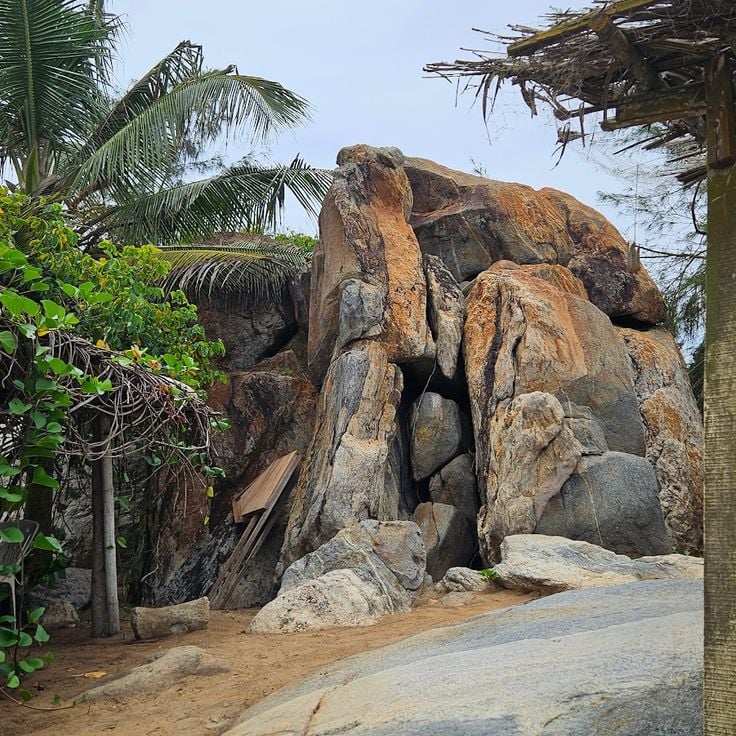
San Pedro, Ivory Coast
Rocher des Amoureux in San Pedro is a rock formation along the coast that extends into the Atlantic Ocean. This natural site offers views of ocean waves and the coastline from an elevated vantage point. The site fits within Ivory Coast's diverse range of natural places, which work alongside spiritual sites and historical locations to tell the full story of the country. From the rocks, visitors can watch the power of the Atlantic and experience the raw character of the coastal landscape.
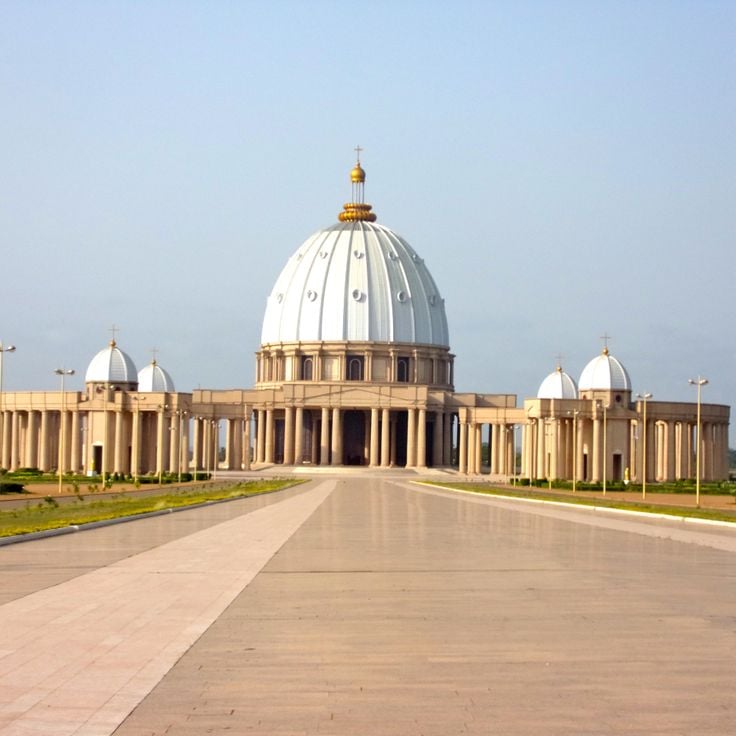
Yamoussoukro, Ivory Coast
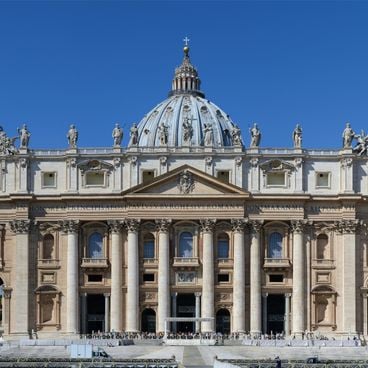
The Basilica of Our Lady of Peace in Yamoussoukro is a religious building with a 158-meter dome and marble columns. The interior features colored stained glass windows and a central nave. This structure is part of Ivory Coast's spiritual sites and represents the country's religious traditions.
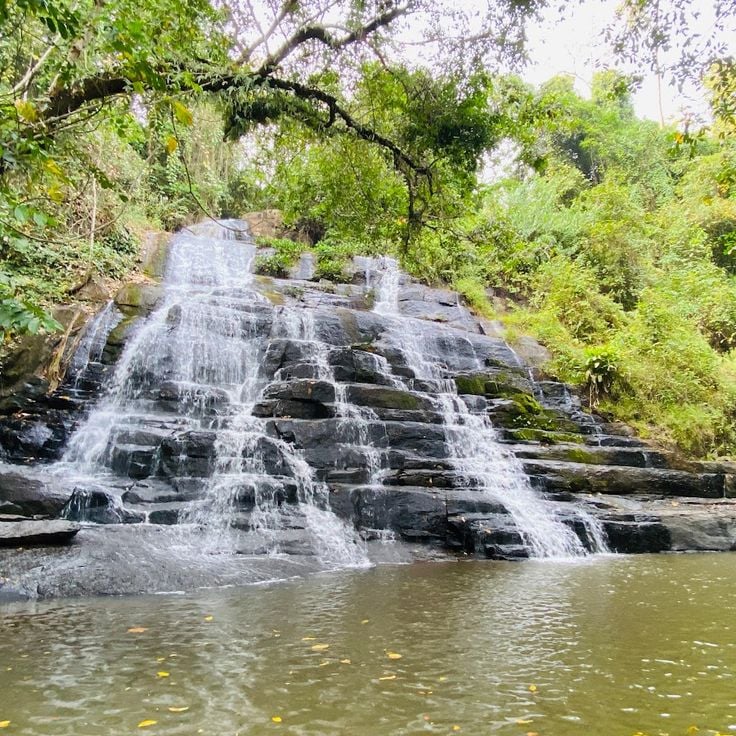
Man, Ivory Coast
The Man Waterfalls are multiple water streams flowing down rock formations in the western mountains. The falls create several pools along their descent. They are part of Ivory Coast's natural sites and offer visitors a chance to witness flowing water in a mountainous landscape and explore the region's terrain.
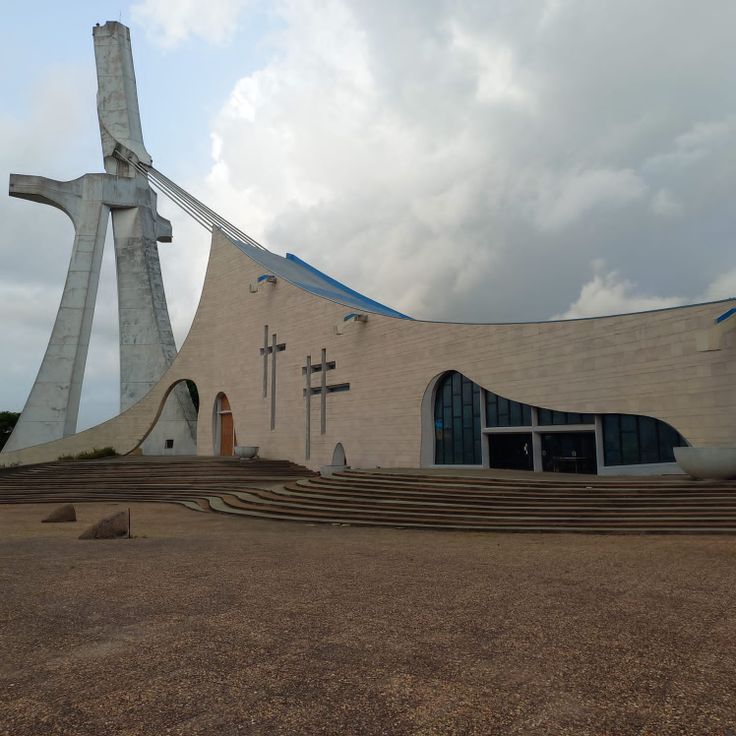
Abidjan, Ivory Coast
Saint Paul's Cathedral stands in the heart of Abidjan as a focal point of the Plateau district. This Catholic cathedral is an important religious site in Ivory Coast's largest city, representing the spiritual traditions that help tell the story of the country's past and present. The building, surrounded by gardens, overlooks Ebrié Lagoon and the business district. For travelers exploring the country's cultural and religious landmarks, the cathedral offers a chance to understand how faith shapes urban life in Abidjan.
Abidjan, Ivory Coast
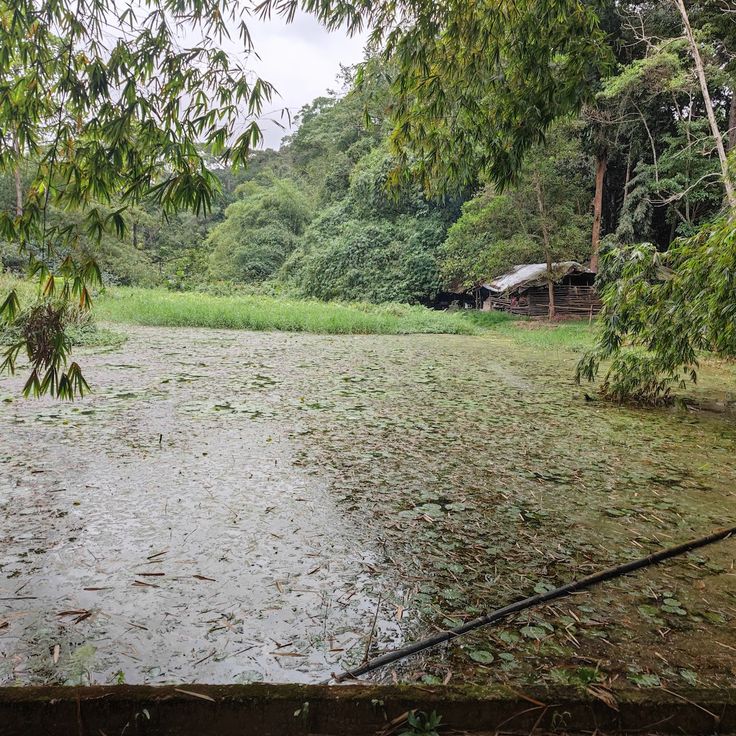
Banco National Park is a protected rainforest located in Abidjan and part of Ivory Coast's rich collection of natural sites. The park features trails, waterfalls and over 800 plant species, offering visitors the chance to observe monkeys, birds and small mammals in their natural setting. It demonstrates the country's natural diversity within an urban environment.
Abidjan, Ivory Coast
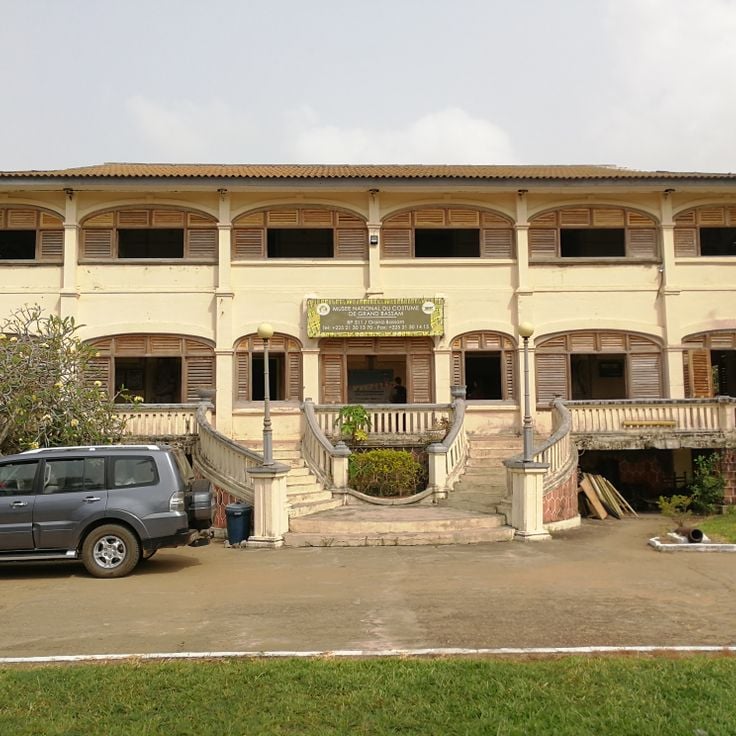
The National Costume Museum in Abidjan displays garments and accessories from different ethnic groups across Ivory Coast. In this museum, you can discover ceremonial masks, jewelry, and historical clothing from local communities. It forms part of the city's cultural offerings and helps visitors understand the craftsmanship traditions and diversity of Ivorian cultures.
Bingerville, Ivory Coast
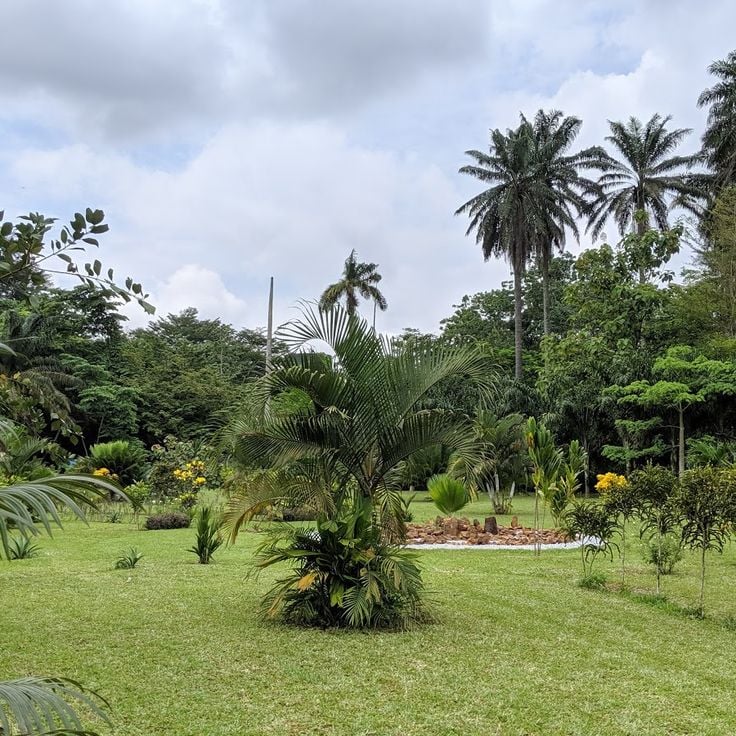
Established in 1904, the Bingerville Botanical Garden is one of the key cultural and natural sites in Ivory Coast. This garden holds native and exotic plants with labeled specimens of medicinal plants, fruit trees, and ornamental species used in research and education.
Abidjan, Ivory Coast
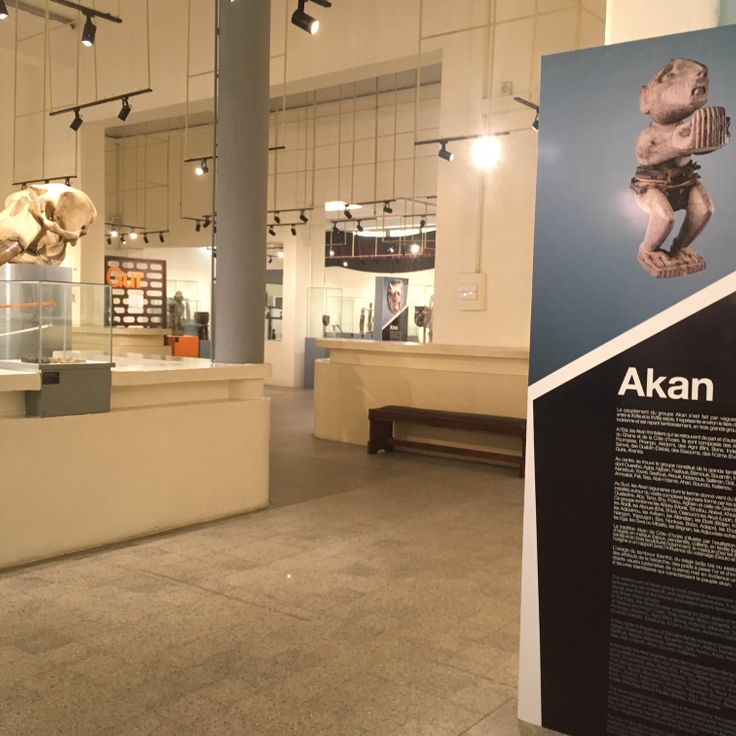
The Museum of Ivorian Civilizations displays archaeological finds, traditional instruments, agricultural tools, and ceremonial objects from different periods in Ivorian history and from various ethnic groups. This museum contributes to understanding the complete picture of Ivory Coast by revealing the historical layers of the country alongside its spiritual traditions and natural beauty.
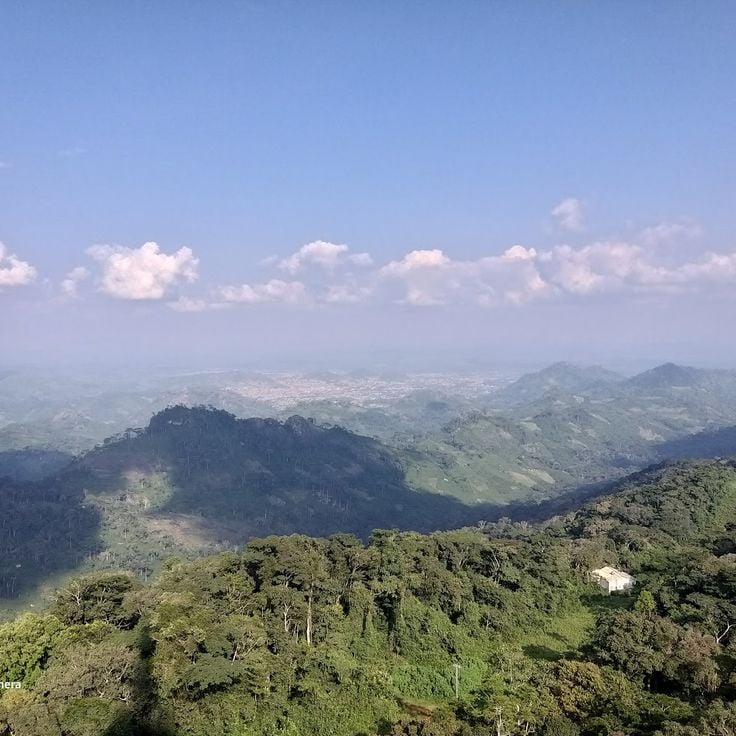
Man, Ivory Coast
Mount Tonkoui in Man is part of Ivory Coast's main cultural and natural sites. This mountain rises to 1,223 meters and features marked trails through tropical forest. Visitors can explore the varied landscapes of the region with help from local guides who know the established routes. The mountain appeals to those who want to experience the natural diversity of Ivory Coast away from the cities.
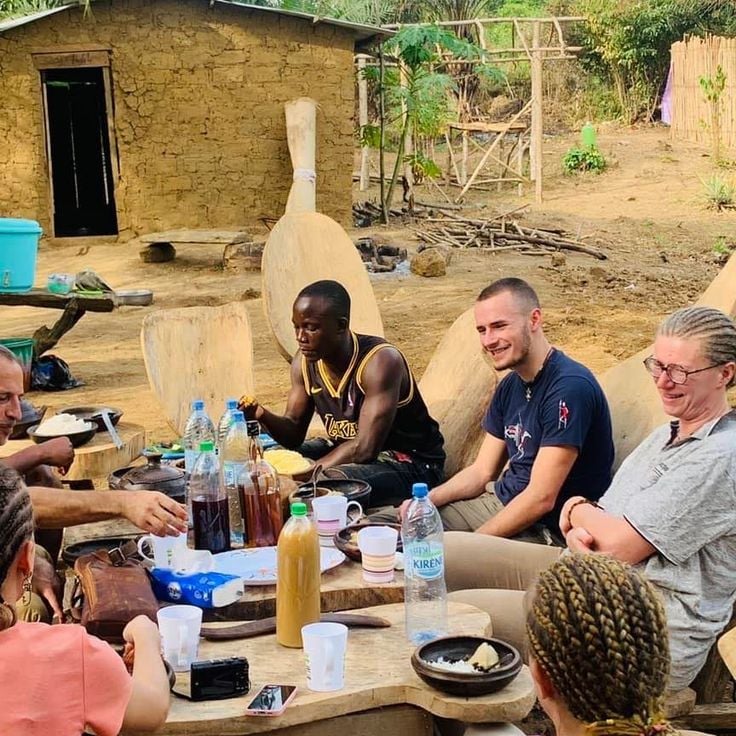
Man, Ivory Coast
Man's Tooth is a rock formation near Man that rises approximately 881 meters above the landscape. You can reach the summit by walking along several trails, where observation points offer views of the surrounding mountains and valleys. This site is part of the natural wonders of Ivory Coast and shows the geological diversity of the region.
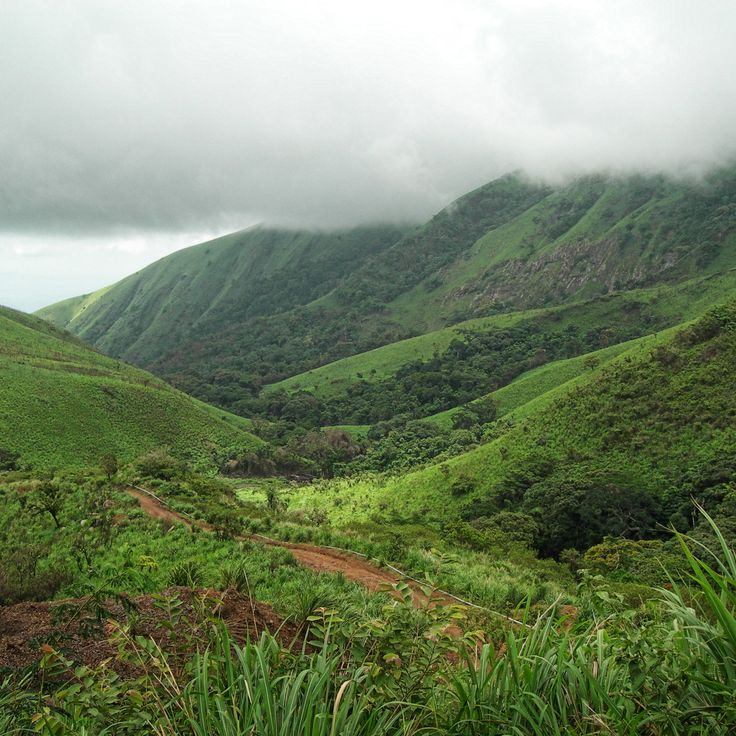
Ivory Coast
The Mount Nimba Nature Reserve is a UNESCO World Heritage site where mountains, forests, and grasslands meet across a vast area. This protected place houses a variety of plants and animals, including rare mammals found nowhere else. It represents part of Ivory Coast's natural richness, where visitors can walk through different landscapes and encounter African wildlife in its home environment.
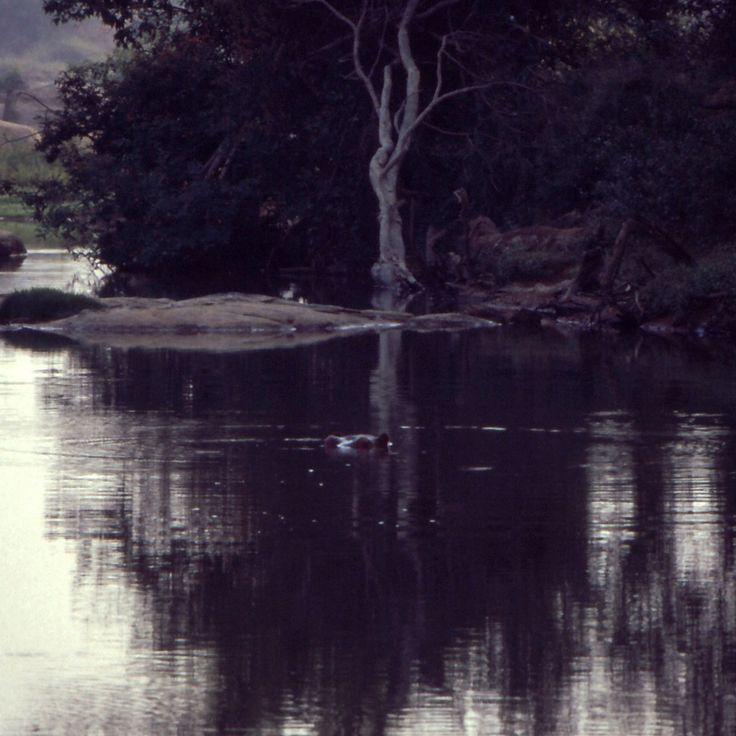
Ivory Coast
Comoé National Park is a UNESCO World Heritage site in Ivory Coast and represents the country's natural treasures. The park spans varied landscapes with savannas, forests, and rivers where antelopes, elephants, and numerous bird species inhabit their natural environment. Visitors can explore different ecosystems and observe African wildlife in their native habitat.
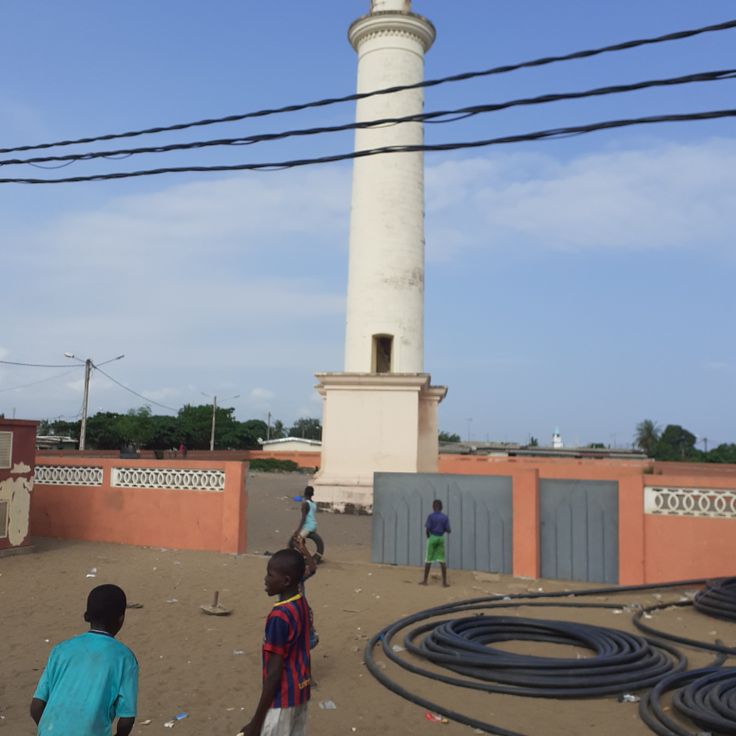
Grand-Bassam, Ivory Coast
The Colonial Quarter of Grand-Bassam is an administrative area from the 19th century that forms part of the collection of main cultural and natural sites in Ivory Coast. The buildings feature verandas, wrought iron balconies, and decorated facades that speak to the French colonial period. These structures allow visitors to see how life looked in that era and understand the architectural styles that shaped the town.
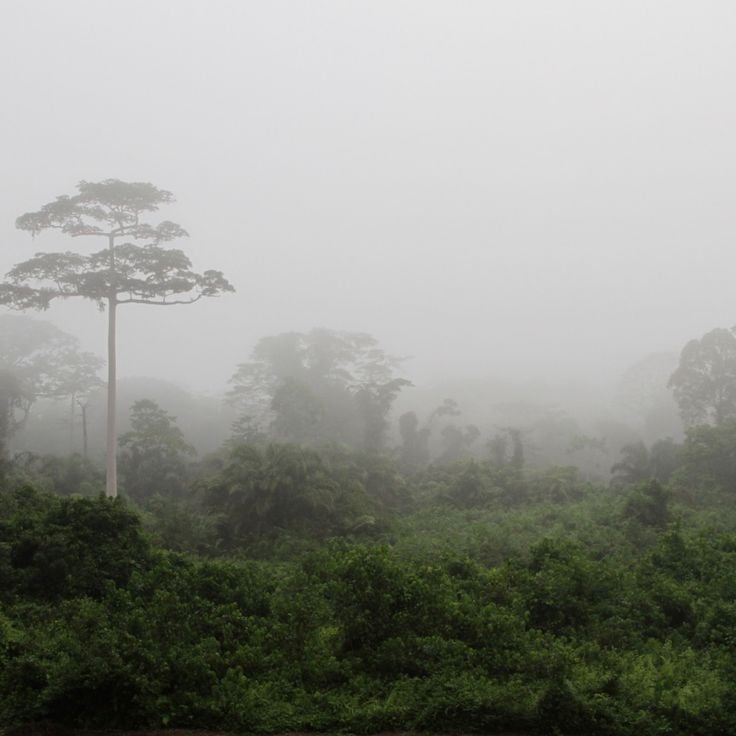
Côte d'Ivoire
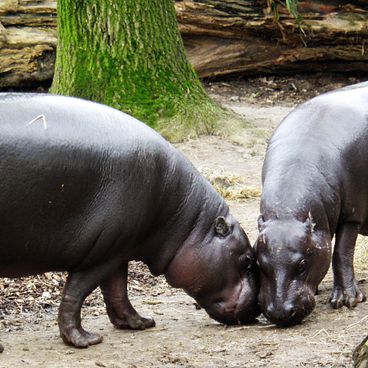
The Parc national de Taï is one of Ivory Coast's protected forest areas where visitors walk into primary rainforest. The park is home to chimpanzees, forest elephants, and pygmy hippos. Its many plant species give a sense of how the forest in this region has grown and developed over time. Hikers can follow trails through dense vegetation and observe African animals in their natural setting.
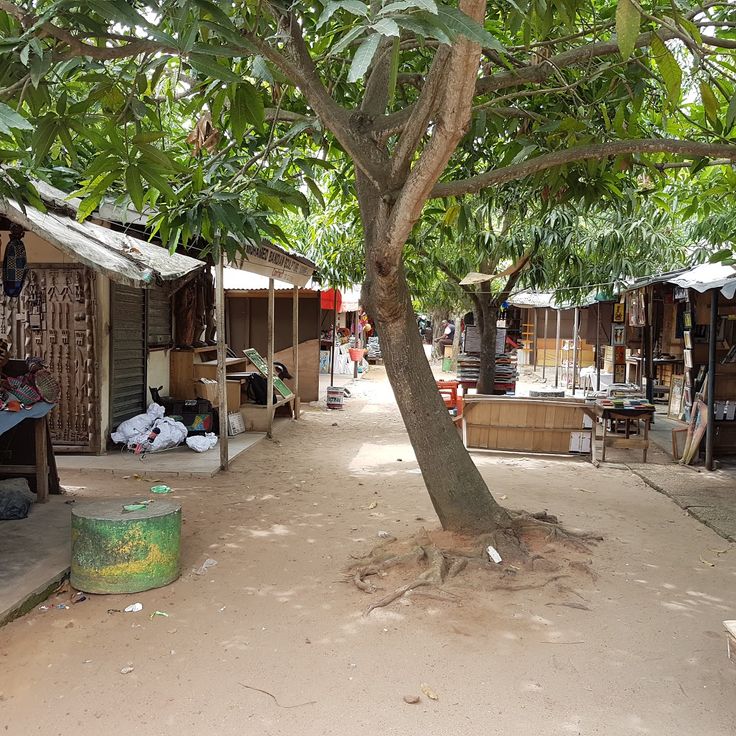
Abidjan, Ivory Coast
The Centre artisanal d'Abidjan is a covered market that forms part of Ivory Coast's cultural offerings. Local artisans here sell traditional African goods including colorful textiles, wooden sculptures, jewelry, and masks. The market displays the craftwork skills of the region and gives visitors a chance to see and buy authentic local products.
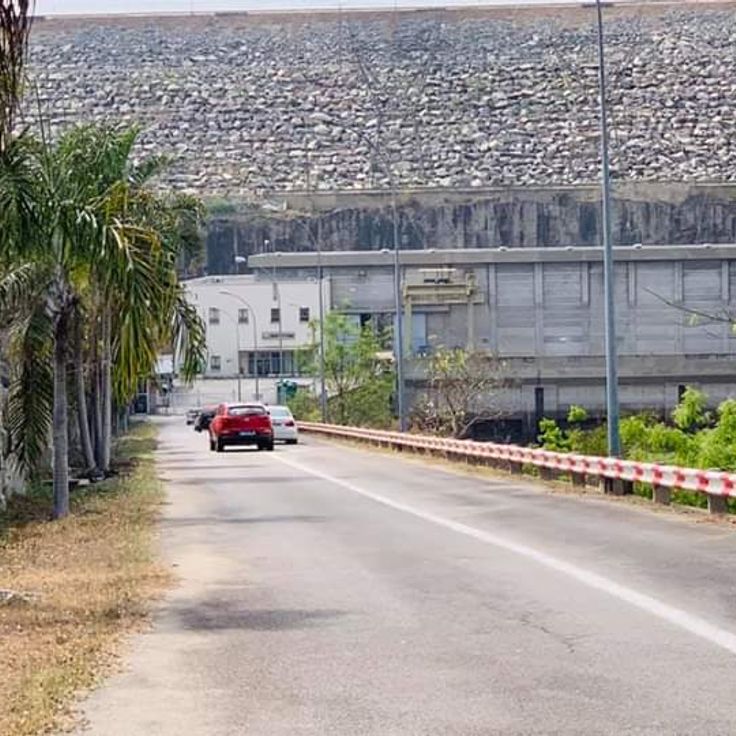
Taabo, Ivory Coast
The Barrage de Taabo is a hydroelectric facility on the Bandama River, built in 1979 to supply power to the region. As part of this collection of sites that tell Ivory Coast's story, this dam shows how the country uses its natural resources to develop. The structure itself stands as a modern landmark in the landscape, representing how infrastructure shapes daily life and connects to the nation's progress.
Abidjan, Ivory Coast
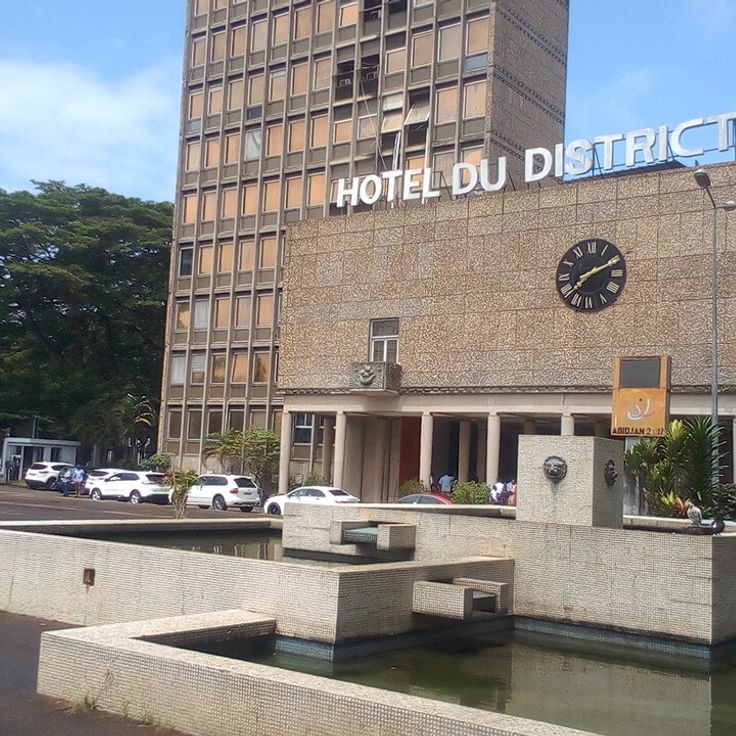
Le Plateau is the business heart of Abidjan and represents the modern side of the city. This downtown district houses governmental offices, banks, and modernist buildings from the 1960s and 1970s, showing how the country developed during this period. Tall structures line the busy streets, reflecting the energy and growth of Ivory Coast's largest city.
Abidjan, Ivory Coast
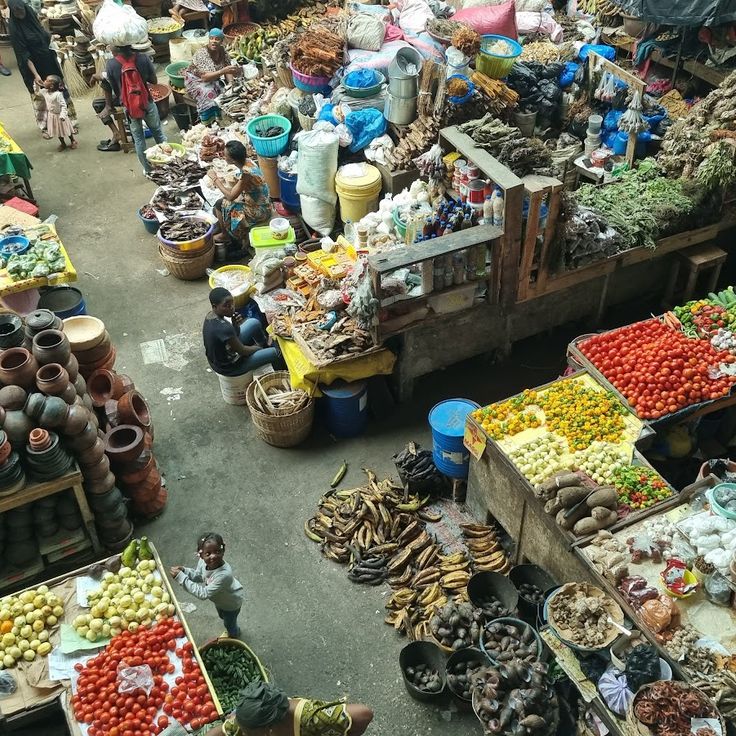
This covered marketplace in Treichville shows the everyday life of Abidjan. Vendors here sell fresh produce, spices, textiles, and handmade goods alongside sections dedicated to fresh fish and meat. The market reveals local trading traditions and gives you a real sense of how people shop and gather in the city.
Abidjan, Ivory Coast
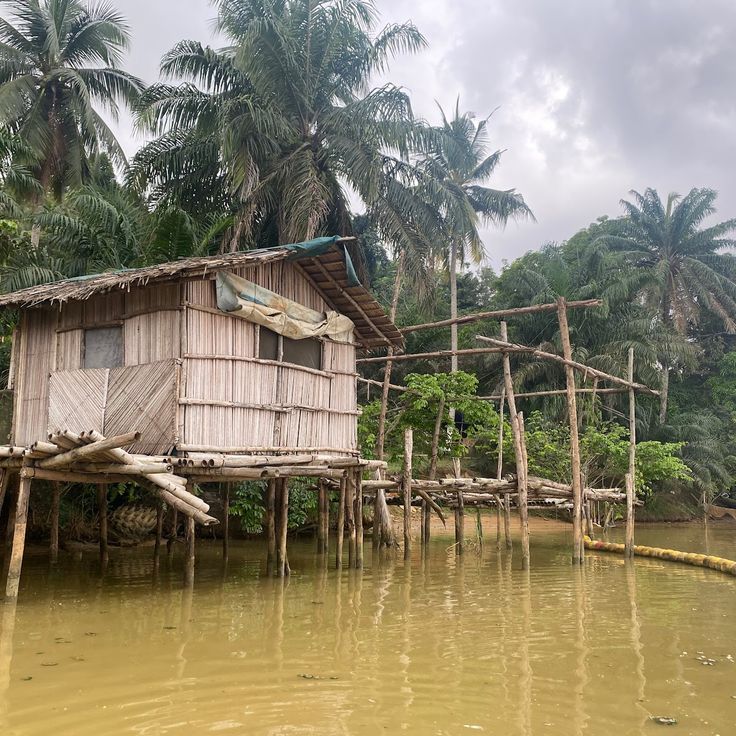
Bini Domain is a natural area near Aghien Lagoon that forms part of Ivory Coast's rich natural wonders. This site offers hiking trails and water activities where visitors can observe local plants and animals in their natural environment. It contributes to the complete picture of Ivory Coast, combining spiritual traditions, historical layers, and natural beauty.
Abidjan, Ivory Coast
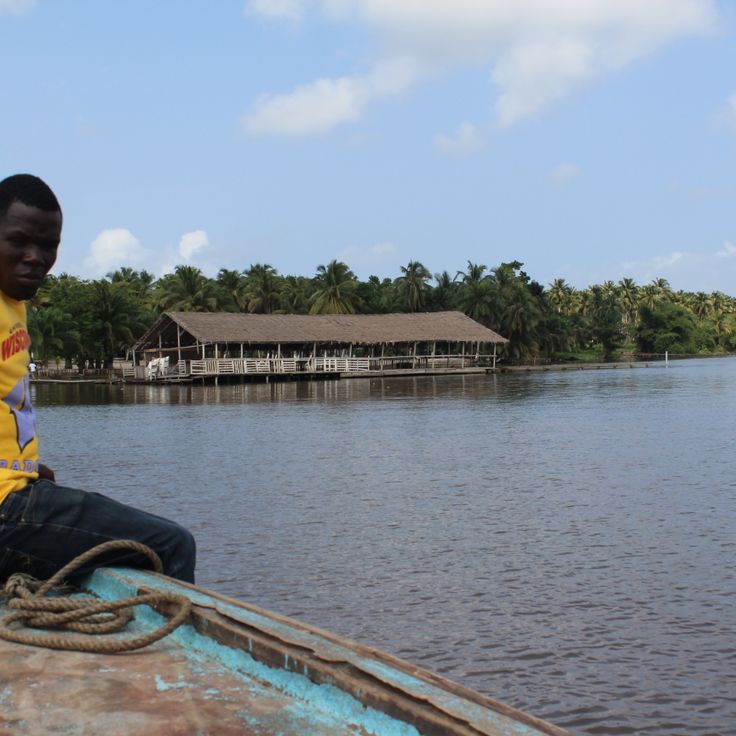
Boulay Island is a small island off the coast of Abidjan that you reach by boat. It fits within this collection of cultural and natural sites in Ivory Coast as it shows the wilder, more natural character of the country. The island has sandy beaches and palm trees where visitors can swim, fish, and enjoy various beach activities. It offers a quieter escape from the busy city.
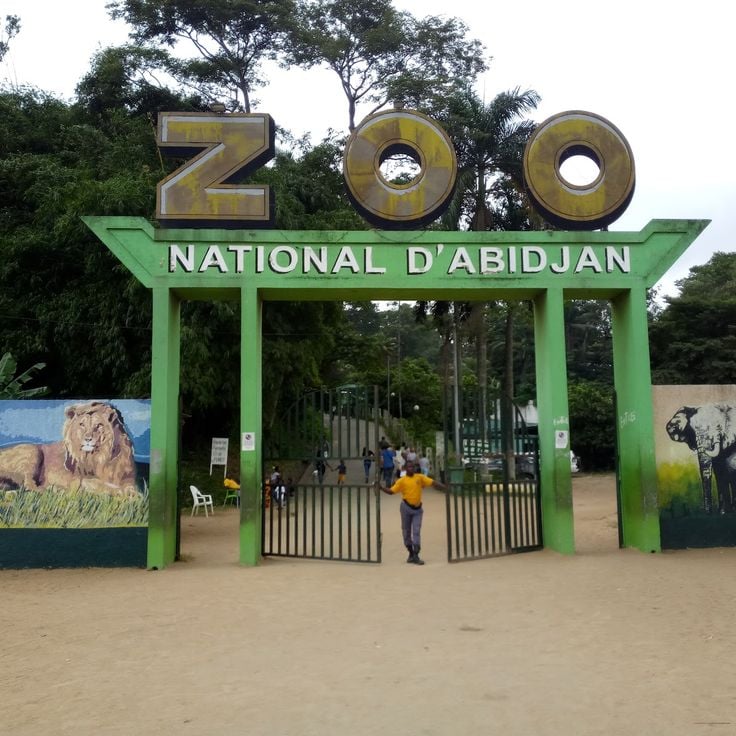
Abidjan, Ivory Coast
This zoo in Abidjan is part of Ivory Coast's cultural and natural heritage. The zoological park displays African animals such as lions, elephants, hippopotamuses, and several monkey species in enclosures with vegetation areas. The zoo allows visitors to see the country's wildlife up close and complements the nature experiences available in the nation's national parks.
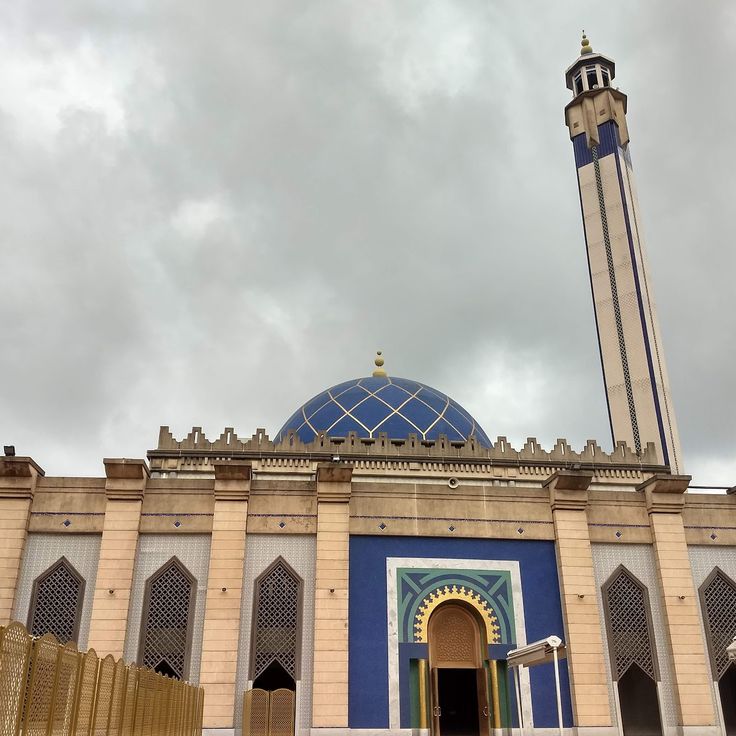
Northern Ivory Coast, Ivory Coast
The Sudanese Style Mosques in Northern Ivory Coast represent important spiritual sites within the country's rich religious landscape. These religious buildings were constructed with earth and mud bricks, featuring wooden beams and geometric patterns on their facades that follow Sudanese architectural traditions. They contribute to the collection of places that reveal how Ivory Coast's spiritual heritage shaped communities across different regions and time periods.
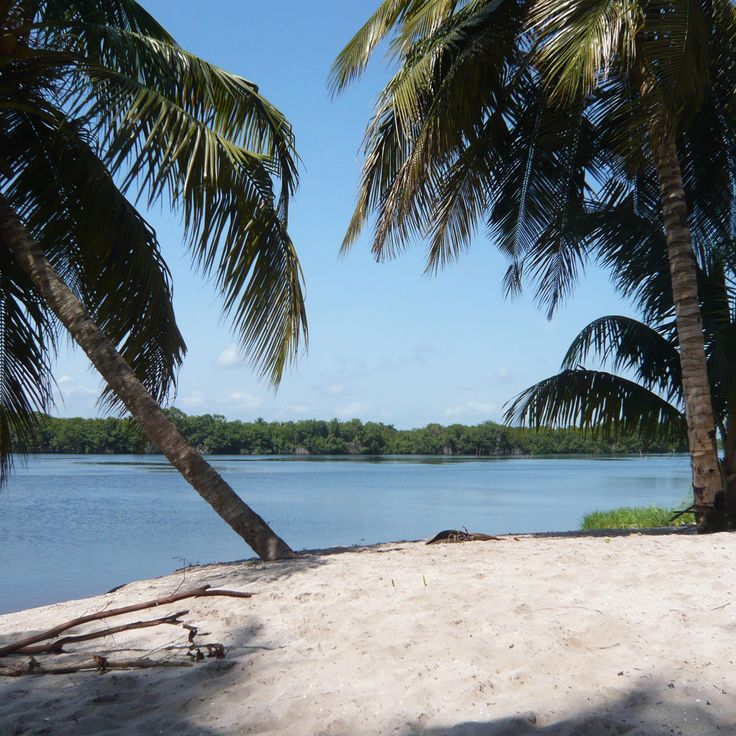
Ivory Coast
Parc National des Iles Ehotile is an archipelago of six islands covered with tropical forest and mangroves. This site tells the story of Ivory Coast's past through archaeological remains left by the Ehotile people who lived here generations ago. Visitors can explore both the natural landscape and the historical layers that give insight into the country's heritage.
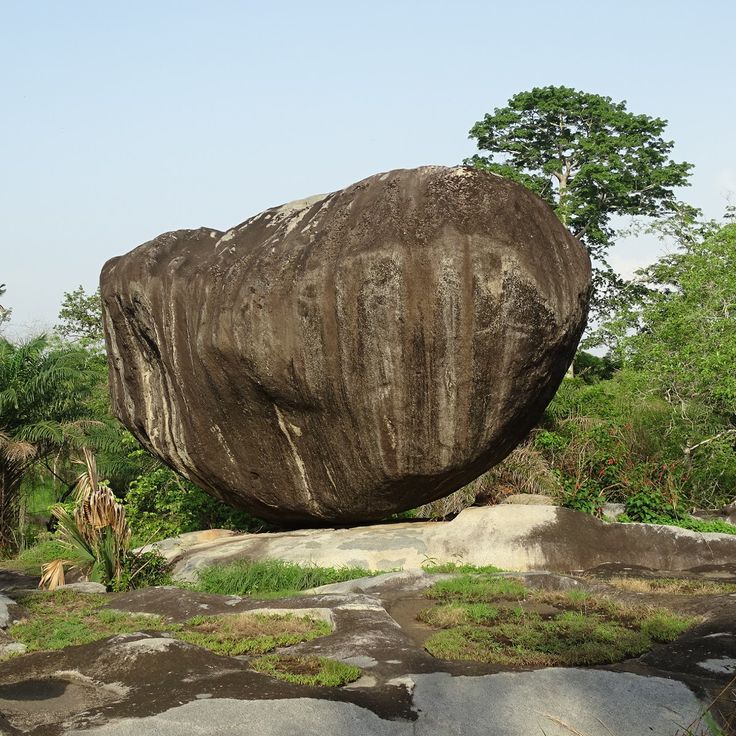
Ivory Coast
The Archaeological Park of Ahouakro shows early human settlements in West Africa. The park consists of rock formations and caves where archaeologists have found stone tools and pottery fragments. These objects tell the story of people who lived in this area long ago. The park sits in a region of natural beauty and gives visitors a window into the deep history of Ivory Coast before the cities and modern structures we see today.
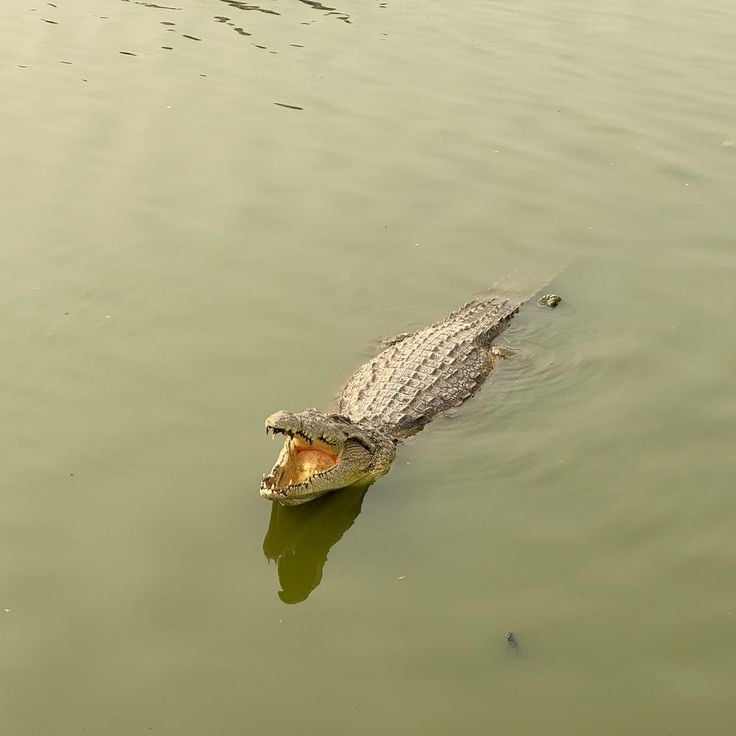
Yamoussoukro, Ivory Coast
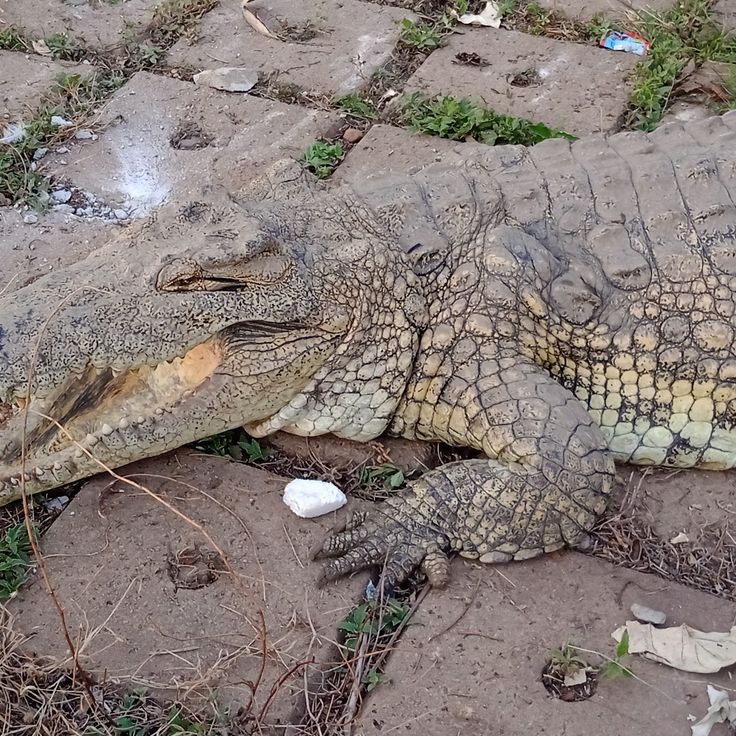
Crocodile Lake is a public lake in Yamoussoukro where you can see over a hundred West African crocodiles living near the Presidential Palace. The lake is enclosed by an iron fence with viewing areas that allow visitors to observe these large reptiles safely. As one of Ivory Coast's natural sites, this lake offers a chance to see crocodiles in their habitat while staying protected behind the barrier.
Bouaflé, Ivory Coast
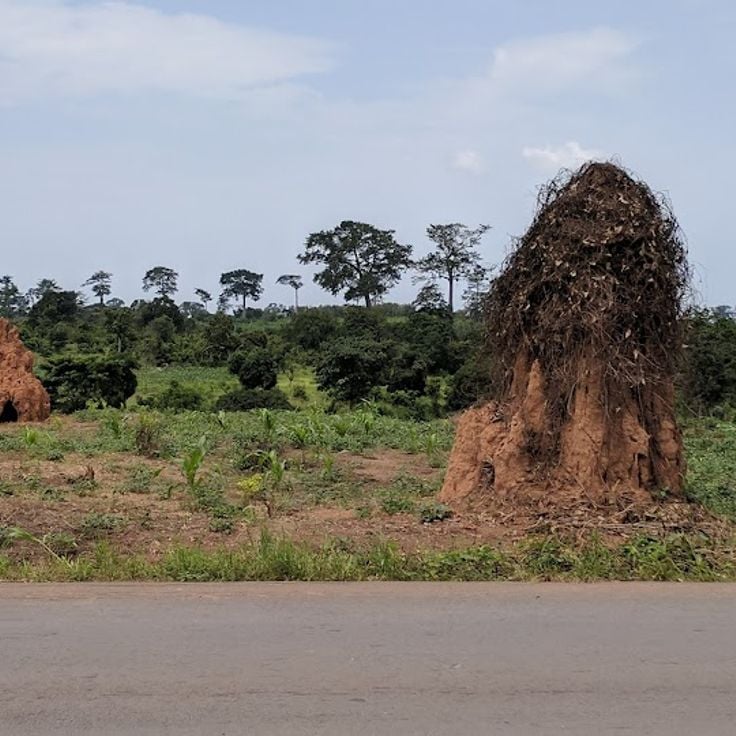
Marahoué National Park is a protected area near Bouaflé that combines wooded savanna and forest zones along the Marahoué River. Part of Ivory Coast's natural heritage, this park provides habitat for antelopes and monkeys. Visitors can walk through varied landscapes and observe African animals in their natural home.
Bouaké, Ivory Coast
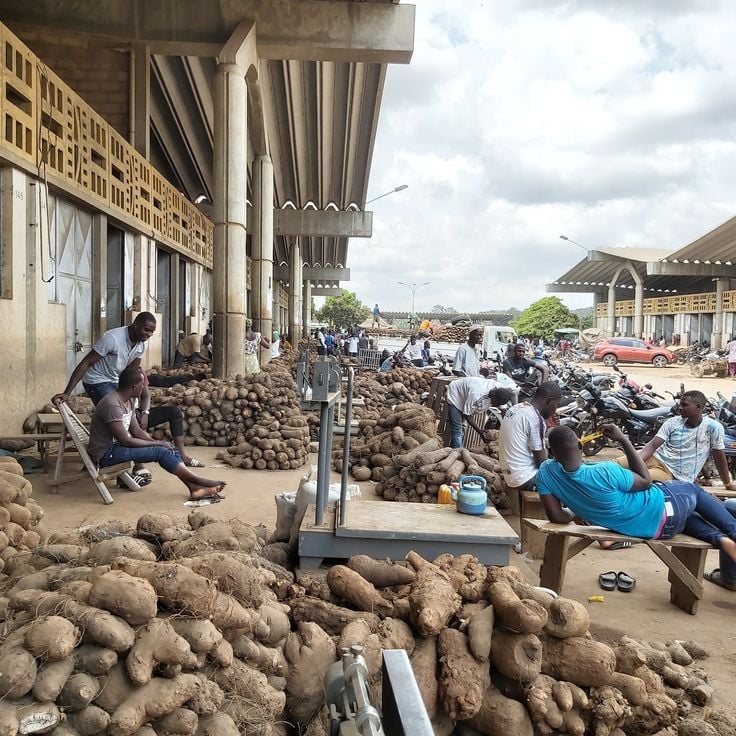
Bouaké Market is a central trading place in Ivory Coast that reflects the economic life of the region. Here, vendors sell fresh produce, textiles, crafts, and everyday items. The market draws regular activity from local merchants and regional buyers. It shows how people in Ivory Coast go about their daily lives and conduct trade with one another.
Grand-Lahou, Ivory Coast
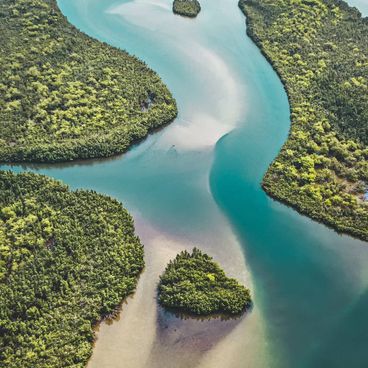
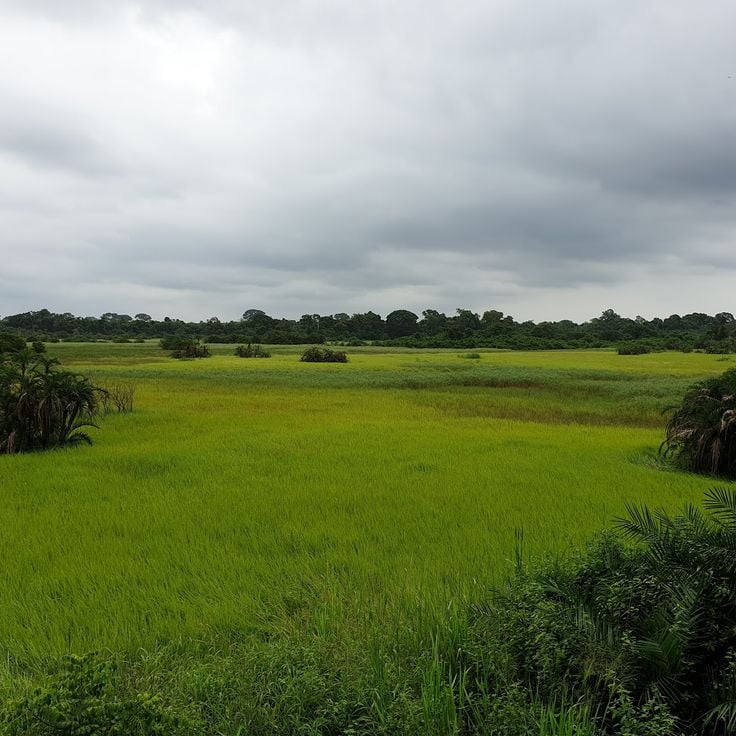
Azagny National Park is a coastal protected area where elephants, buffalos, chimpanzees and many bird species inhabit the mangroves and tropical forest. The park represents the natural wonders of Ivory Coast and shows the diversity of the country's wildlife in their natural home.
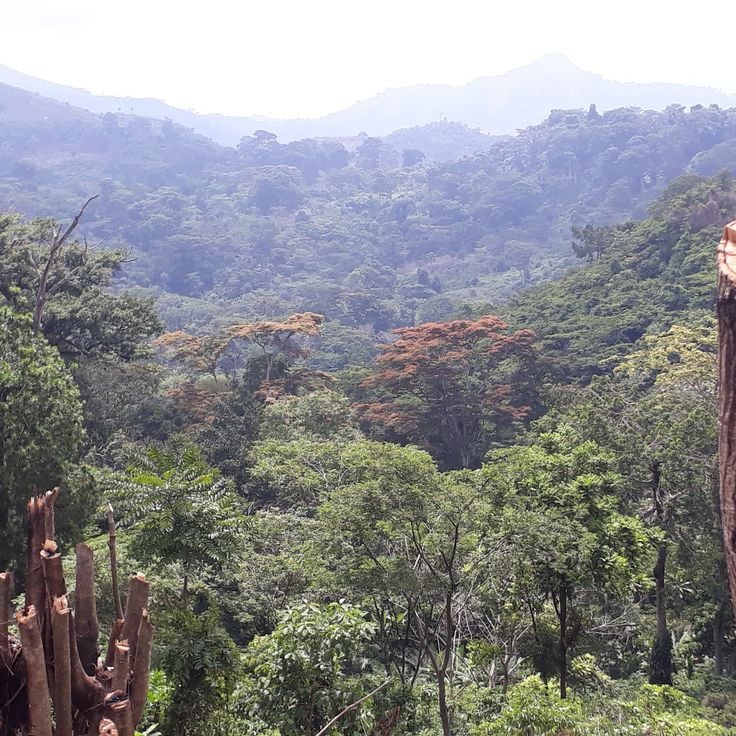
Man, Ivory Coast
The Sacred Forest of Gbêpleu is a place of deep religious importance within Ivory Coast's collection of main cultural and natural sites. In this forest, local communities preserve monkey populations that live freely in their natural setting. Visitors can observe various primate species as they walk through the trees, gaining insight into how spiritual beliefs and nature protection are connected in this region. Located near the city of Man, this forest shows how people and wildlife share the same space while traditions are passed down through generations.
Yamoussoukro, Ivory Coast
Aboukouamékro Wildlife Park in Yamoussoukro protects a variety of African mammals including rhinoceros, giraffes, and several antelope species. The park features observation points and guided safari tours so visitors can watch animals in their natural surroundings. It is part of Ivory Coast's natural heritage and offers a chance to experience the country's wildlife directly.
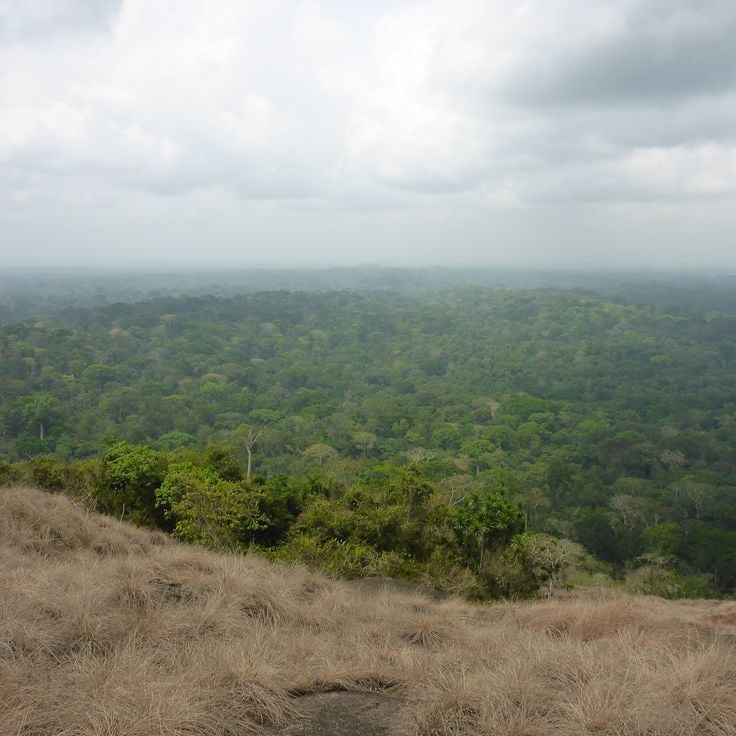
Taï, Ivory Coast
Mount Niénokoué holds an important place in this collection of Ivory Coast's cultural and natural sites. This mountain carries religious significance for the Krou people and provides views across the rainforest canopy from its summit. The mountain serves as a geographical landmark in the region and connects the country's spiritual traditions with its natural environment.
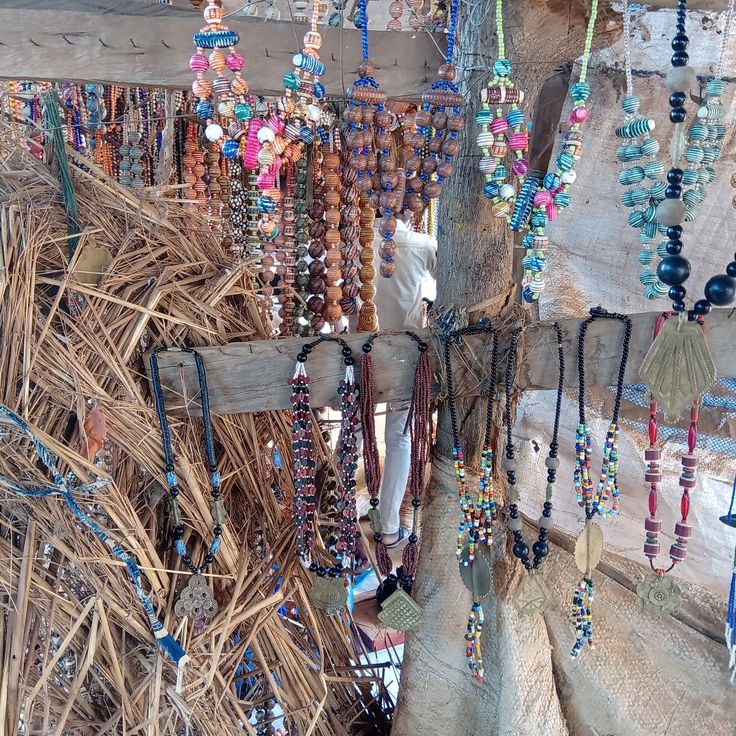
Korhogo, Ivory Coast
Waraniéné Craft Village is a traditional artisan settlement in Korhogo that represents the cultural depth of Ivory Coast. This working village preserves weaving techniques that families have passed down over many generations. Artisans here work with hand looms and natural dyes to transform local cotton into textiles. Visitors can observe the entire production process, from preparing the fibers to the final woven cloth.