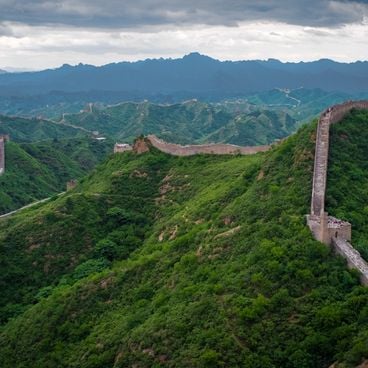
Venezuela contains places away from standard tourist routes. The Andes hold waterfalls and colonial towns with long histories. The coast features remote beaches and islands with clear waters. Inland areas have caves, rock carvings, and nature reserves. The country experiences rare natural events, including regular lightning storms above Lake Maracaibo. Visitors can explore remarkable locations: Angel Falls plunges down sheer cliffs, Mount Roraima rises with its distinctive flat top above the landscape, and Guácharo Cave holds underground ecosystems. Los Roques Islands offer pristine waters and sandy shores. The Vigirima Petroglyphs show the work of ancient peoples who lived in the region. The Gran Sabana plateau features waterfalls like Yuruaní and Quebrada de Jaspe. Coastal reserves such as Morrocoy and Henri Pittier blend nature and outdoor activity. Colonial towns like Santa Cruz de Mora and San Esteban display architecture from past centuries. Each region reveals different layers of Venezuelan nature and human history.
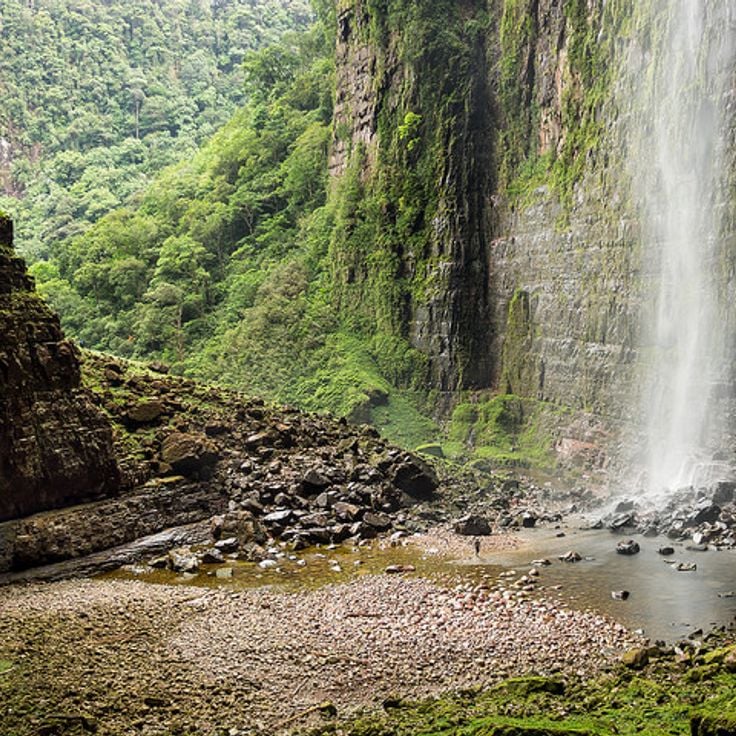
Gran Sabana, Venezuela
The Cave of the Ghost sits deep in the Venezuelan mountains of Gran Sabana and displays a natural cave formation with an opening measuring 150 meters (492 feet) high. This hidden attraction requires helicopter access or extended hiking to reach, and belongs among Venezuela's remote locations that lie away from standard routes.
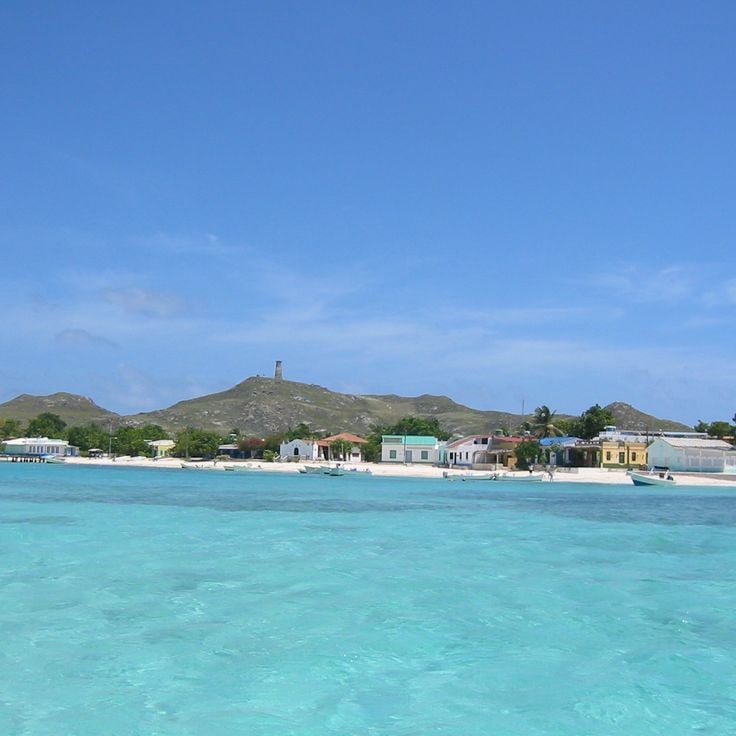
Federal Dependencies, Venezuela
Los Roques Archipelago is a marine national park with roughly 350 coral islands, cays, and islets spread across the Caribbean Sea north of Venezuela. This collection item represents one of the country's hidden spots, offering remote beaches, clear waters, and untouched landscapes away from standard tourist routes. Visitors can dive, snorkel, and observe rare marine life in their natural environment.
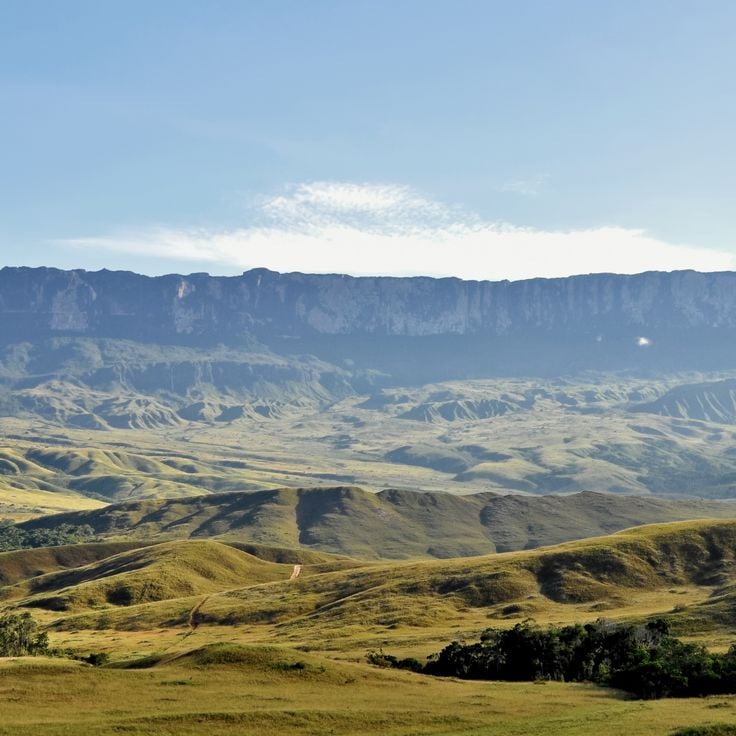
Venezuela
Mount Roraima is a tabletop mountain located where Venezuela, Brazil, and Guyana meet. This formation rises dramatically with sheer cliffs and a flat summit, making it one of the remote locations that draws visitors away from common paths. The rock layers here tell the story of ancient geological processes. As part of Venezuela's hidden attractions, this mountain offers a connection to the raw natural world and regions that few travelers explore.
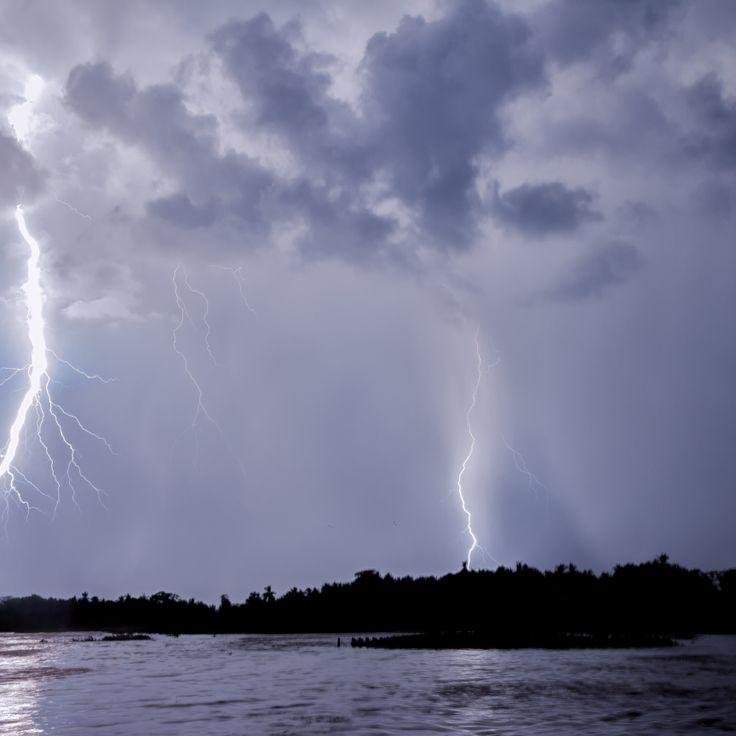
Lake Maracaibo, Venezuela
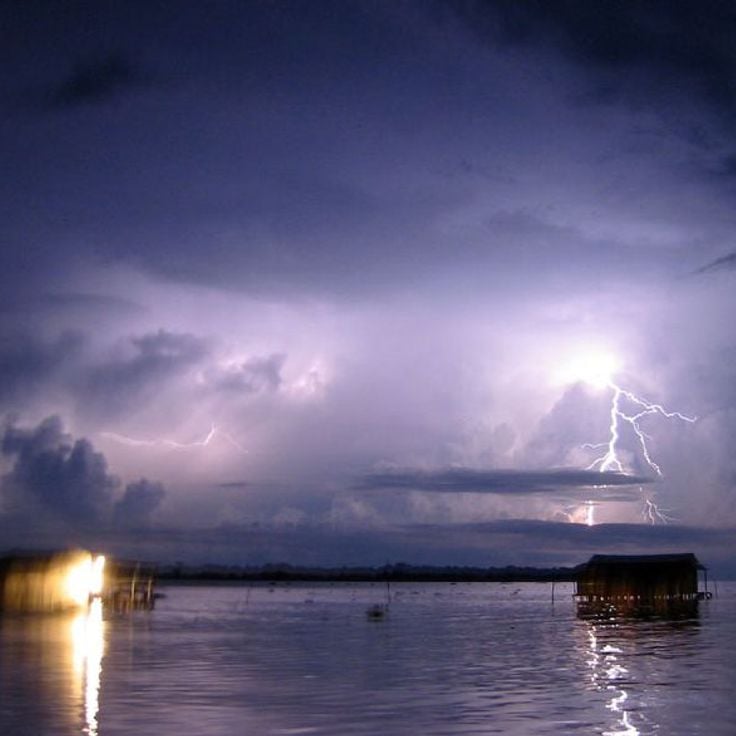
Catatumbo Lightning is a natural electrical phenomenon over Lake Maracaibo that forms part of Venezuela's hidden attractions. These electrical discharges occur on about 300 days each year during nighttime thunderstorms, creating a remarkable light show in the sky. The phenomenon draws visitors seeking to experience the rare natural events found throughout the country.
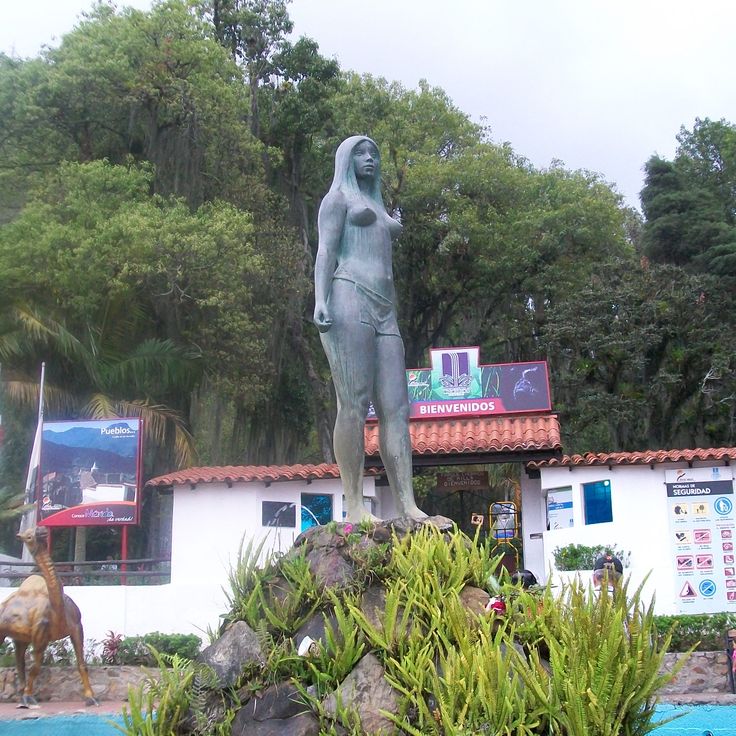
Mérida, Venezuela
Chorros de Milla Zoo sits high in the Andean mountains at 1,600 meters elevation in Mérida. The zoo displays animals that live naturally in this mountain region of Venezuela. As part of Venezuela's hidden attractions away from main routes, this zoo offers visitors a chance to see Andean wildlife up close.
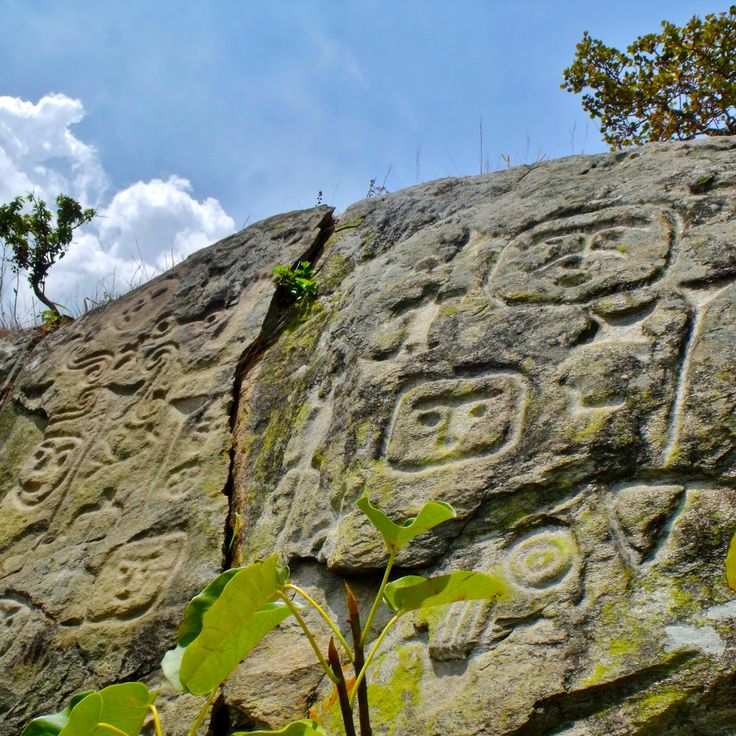
Guacara, Venezuela
The Petroglyphs of Vigirima are rock carvings that document indigenous life through carved images. Geometric shapes, humans, and animals fill these ancient surfaces. This site forms part of Venezuela's hidden attractions away from standard routes. Along with waterfalls, colonial towns, remote beaches, and nature parks, the region offers distinctive archaeological insights.
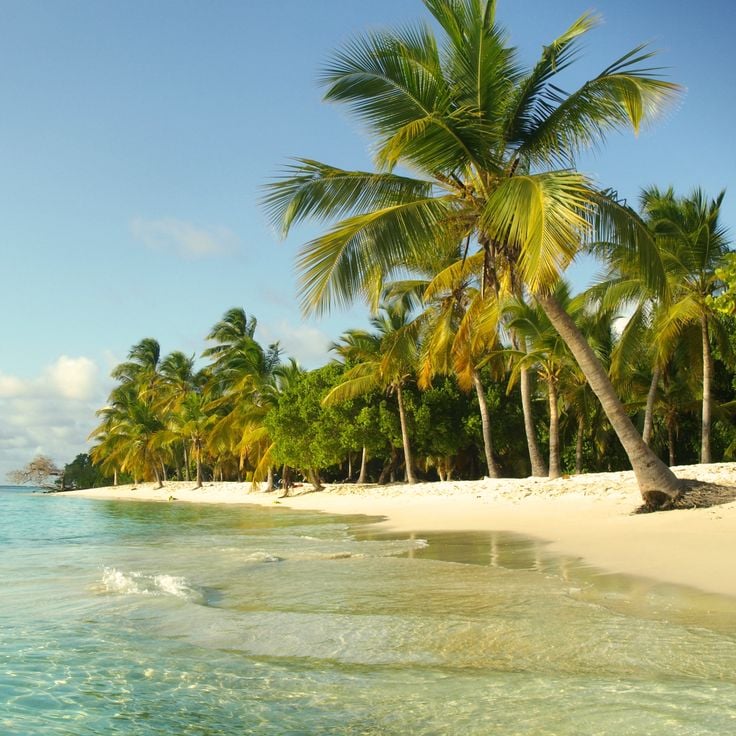
Falcón, Venezuela
Morrocoy National Park is a protected area featuring mangrove wetlands, sandy beaches, and coral reefs that represents one of Venezuela's attractions away from standard routes. The park provides habitat for diverse marine life and showcases the natural variety of the coastal region. Visitors can explore the combination of mangrove and coral ecosystems that define this landscape.
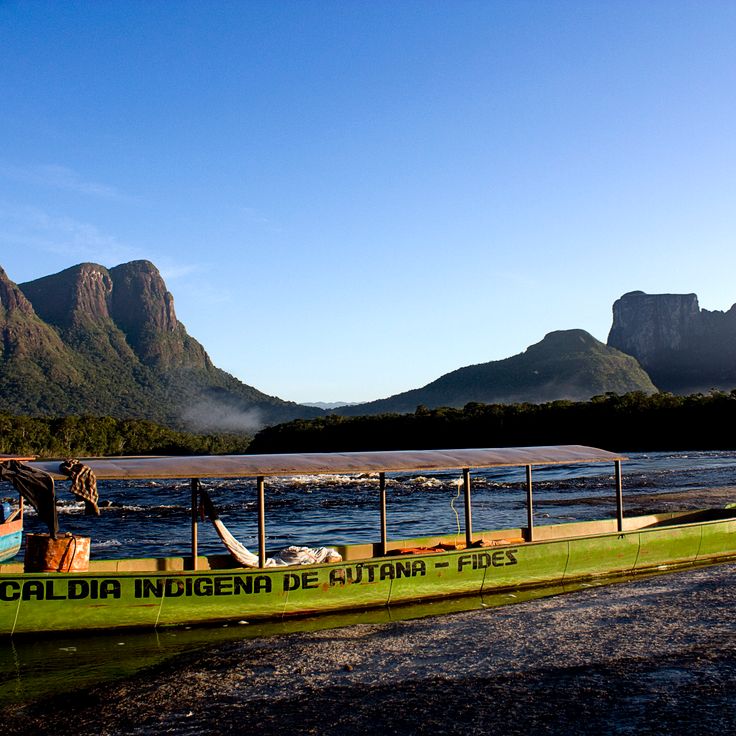
Amazonas, Venezuela
Cerro Autana is a table mountain in Amazonas and represents one of Venezuela's hidden attractions away from standard routes. Standing at 1220 meters high, this distinctive peak rises above the landscape. What makes it remarkable is the natural cave that runs through the mountain itself. For the Piaroa people, this location holds deep religious meaning and remains central to their spiritual traditions.
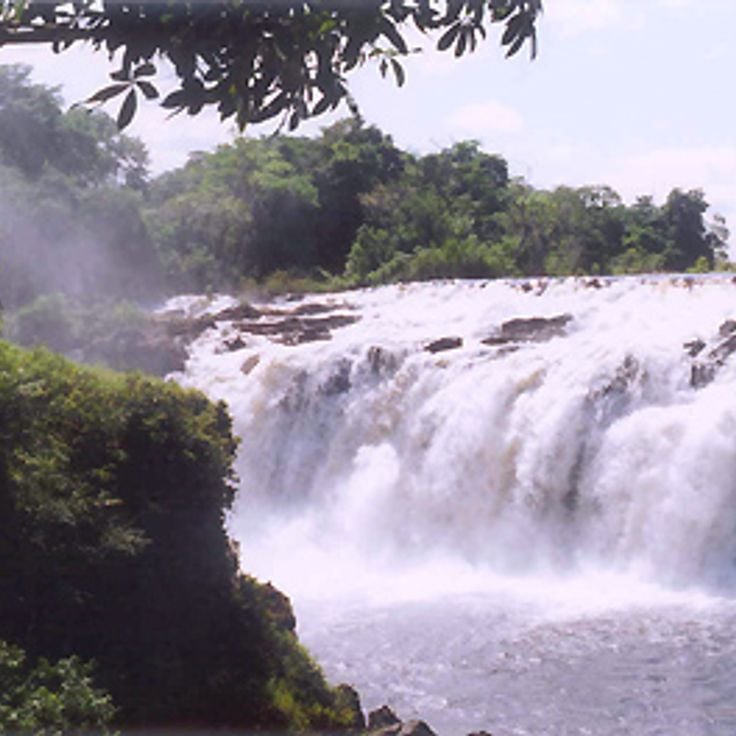
Bolívar, Venezuela
La Llovizna is part of Venezuela's hidden attractions, a natural park where constant drizzle falls among waterfalls and dense vegetation, creating distinct environmental conditions. The park showcases the range of remote locations across the country, from Andes waterfalls to inland caves and nature parks.
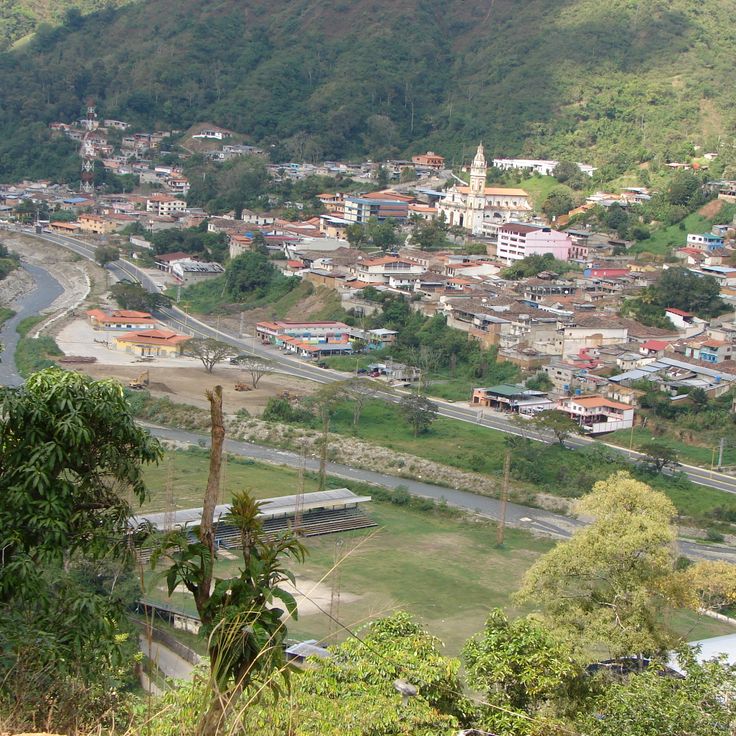
Mérida, Venezuela
Santa Cruz de Mora is an Andean city that sits within Venezuela's coffee region, fitting perfectly among the country's attractions away from standard routes. The city has several central squares where markets bring the community together and daily life unfolds. The surrounding plantations produce coffee that defines the area. Walking through Santa Cruz de Mora gives visitors a sense of how people live in these highland towns.
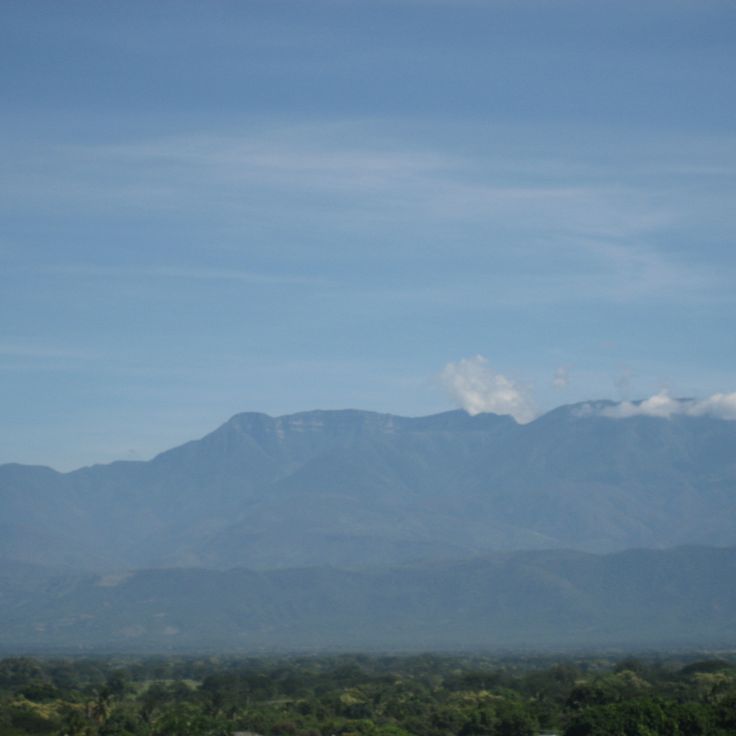
Zulia, Venezuela
The Perijá Mountains are a mountain range along the Colombian border, featuring untouched landscapes that appeal to travelers seeking locations away from standard routes. This range is home to numerous animal and plant species and represents one of Venezuela's natural attractions. Visitors can explore rare ecosystems and encounter wildlife in their natural habitat.
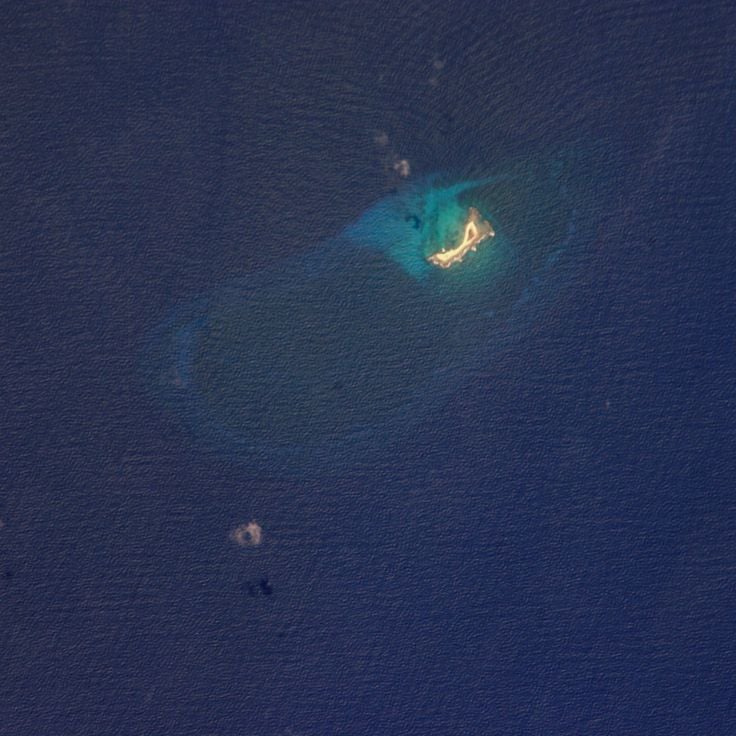
Federal Dependencies, Venezuela
The Isla de Aves is a small island in Venezuela's Federal Dependencies and forms part of the country's hidden attractions away from standard routes. This island serves as a nesting area for seabirds and offers visitors an off-the-beaten-path destination. Access to the island requires special permission.
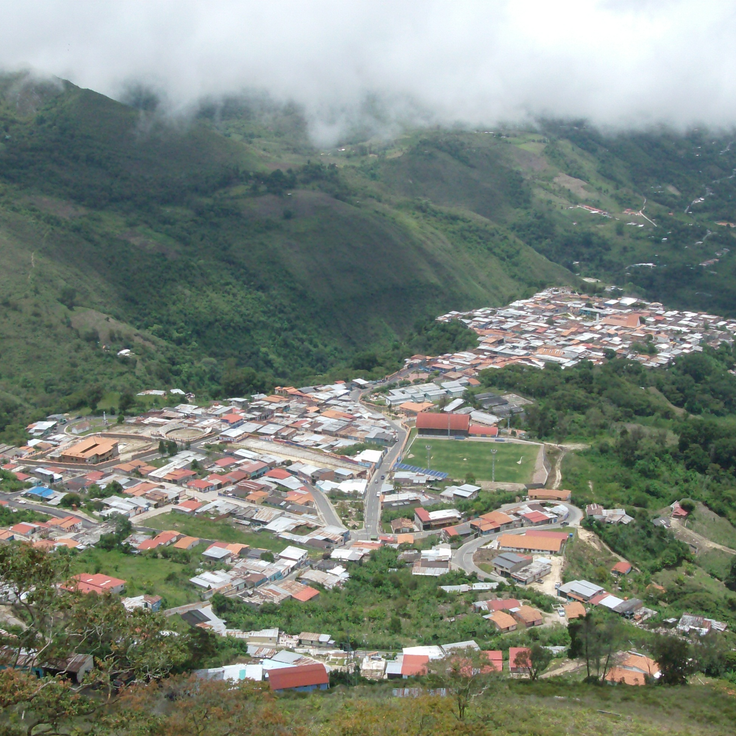
Táchira, Venezuela
Queniquea is a mountain village in the Andes that represents one of Venezuela's hidden locations away from standard routes. The village features stone buildings from colonial times, active local markets offering regional food, and agricultural fields spread across the 1,500 meter altitude. Visitors can experience the daily life of mountain communities and observe the craft and farming traditions that define this region.
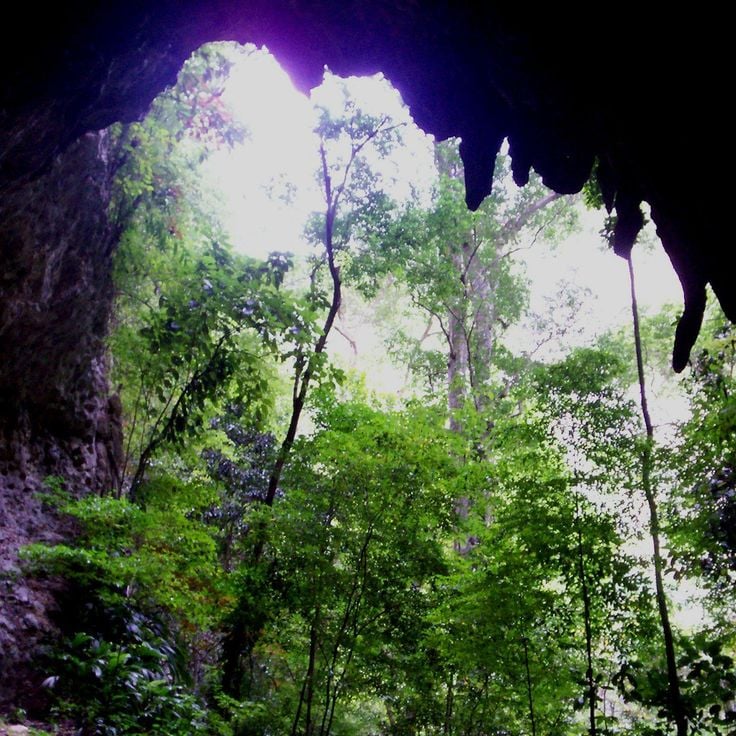
Falcón, Venezuela
Cueva de la Quebrada del Toro is part of Venezuela's off-the-beaten-path locations found away from standard tourist routes. This limestone cave network contains mineral formations, underground water streams, and passages that extend several kilometers below the surface. It represents the natural wonders you can discover in Venezuela's inland regions.
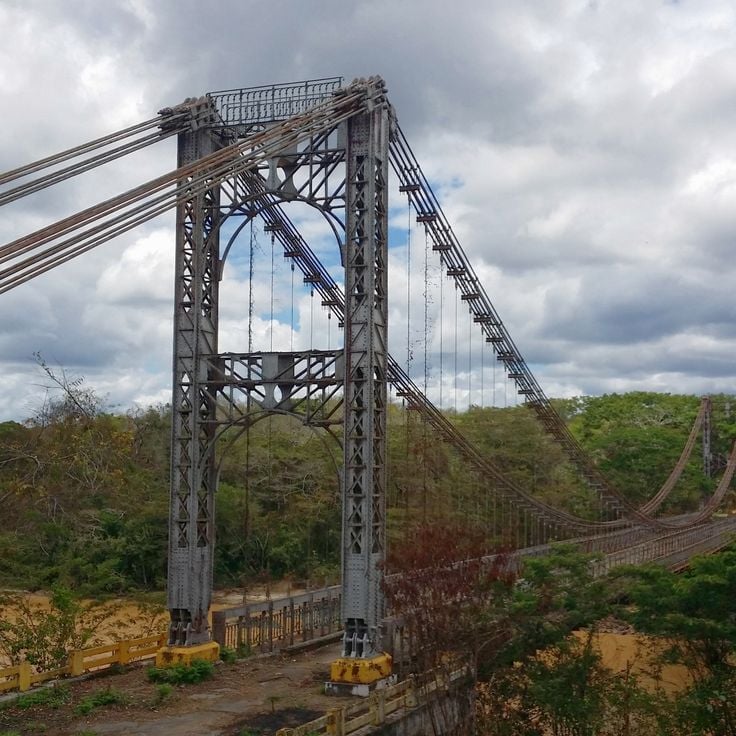
Bolívar, Venezuela
El Dorado is a mining town in the Venezuelan rainforest connected to the region's gold trade history. It sits among mineral deposits and near indigenous communities. This town fits into Venezuela's hidden attractions by representing the kind of off-the-beaten-path locations where natural wealth and local cultures tell stories beyond standard tourist routes.
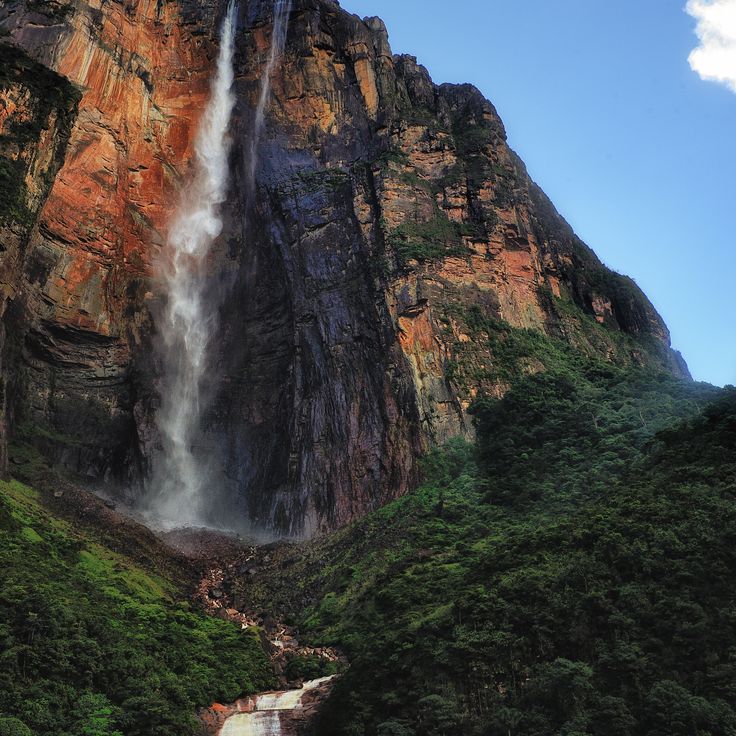
Canaima National Park, Venezuela
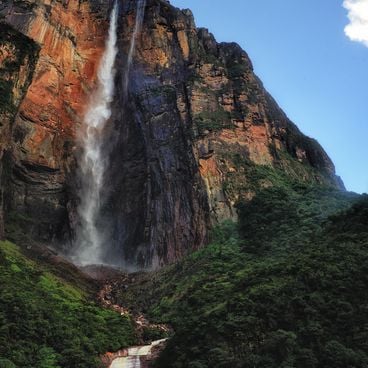
This waterfall is one of Venezuela's hidden natural attractions located in Canaima National Park. Water drops 979 meters from a high plateau and flows year-round. The fall originates from Auyantepui mountain and sits in a region away from standard tourist routes. With its waterfalls, caves, and rock art, this area shows why the national park matters for travelers seeking remote locations.
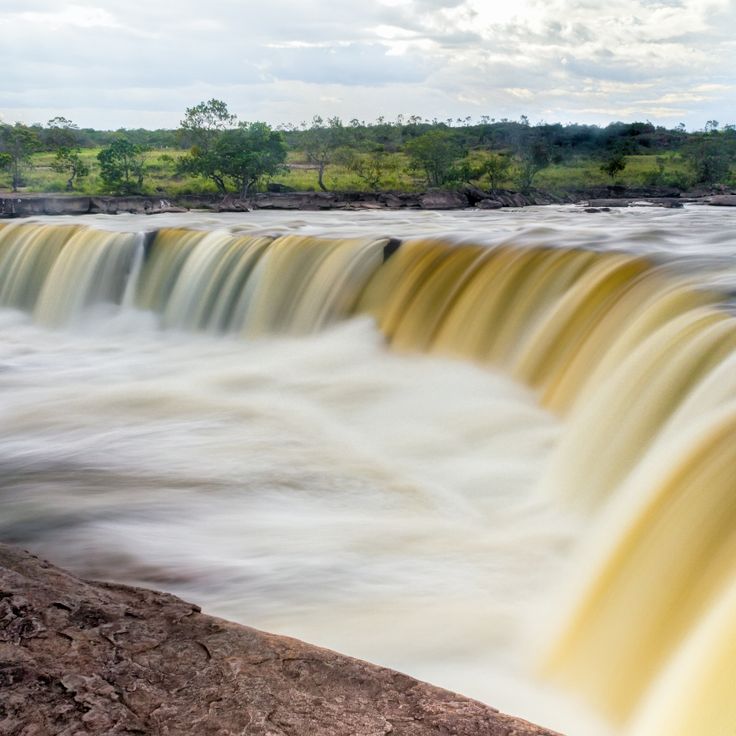
Gran Sabana, Venezuela
This waterfall is part of Venezuela's hidden attractions and sits in Gran Sabana. Water drops approximately 30 meters over red rocks along the hiking path to Mount Roraima in the Venezuelan highlands. The location shows the raw power of this remote region.
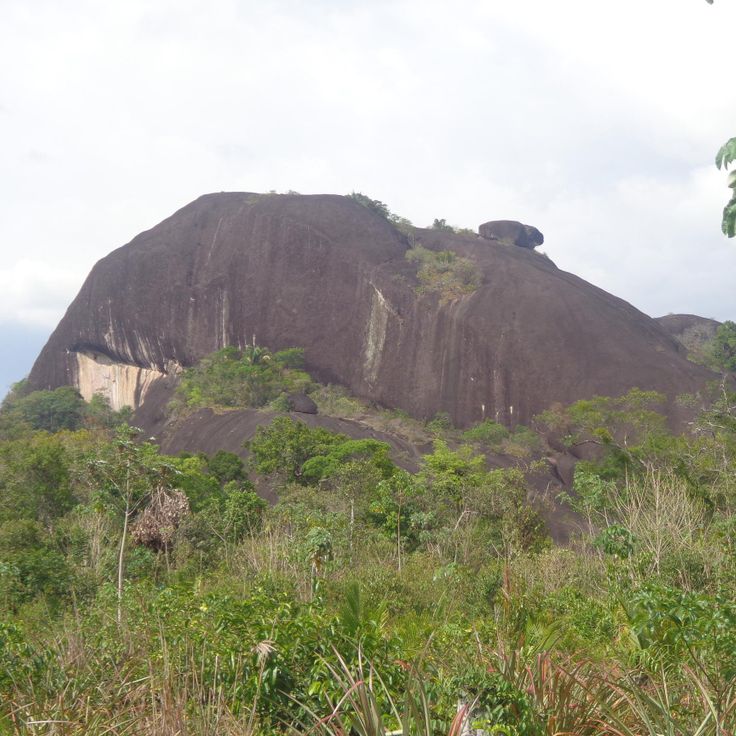
Amazonas, Venezuela
The Piedra del Cocuy is a 400-meter granite monolith that rises from the Amazon region of Venezuela. The Pemon community uses this site for traditional ceremonies and spiritual practices. As part of Venezuela's hidden attractions, this monolith offers insight into the natural power and cultural traditions of the region.
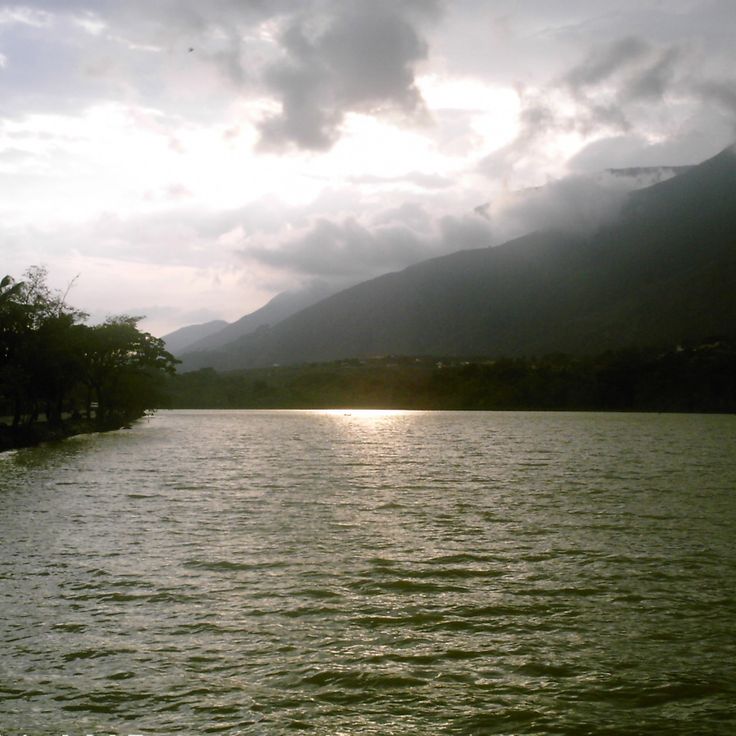
Mérida, Venezuela
Laguna de Urao is one of Venezuela's hidden places located away from standard travel routes. This lake contains rare sodium minerals and serves as a crucial resting spot for migrating birds. Flamingos and other water birds pause here during their long journeys, relying on the water's unique properties to restore their energy. The lake shows how nature in Venezuela fascinates beyond famous attractions.
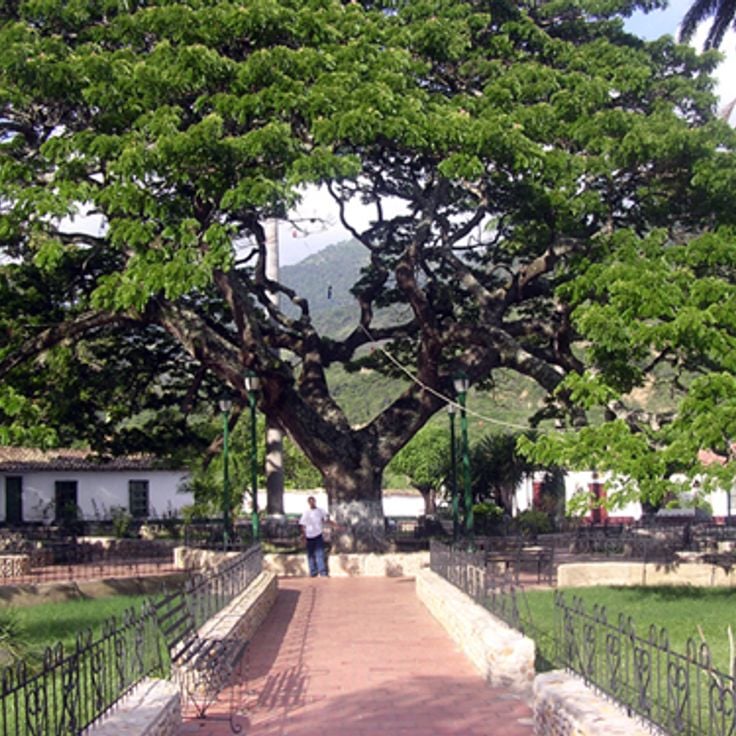
Táchira, Venezuela
San Pedro del Río is an 18th-century village set among the green mountains of Táchira. It belongs to Venezuela's hidden locations that sit away from standard travel routes. The village preserves Spanish architecture with stone walls and red tile roofs. The surrounding Andes contain waterfalls and colonial towns, while the broader region offers caves, rock art, and nature parks.
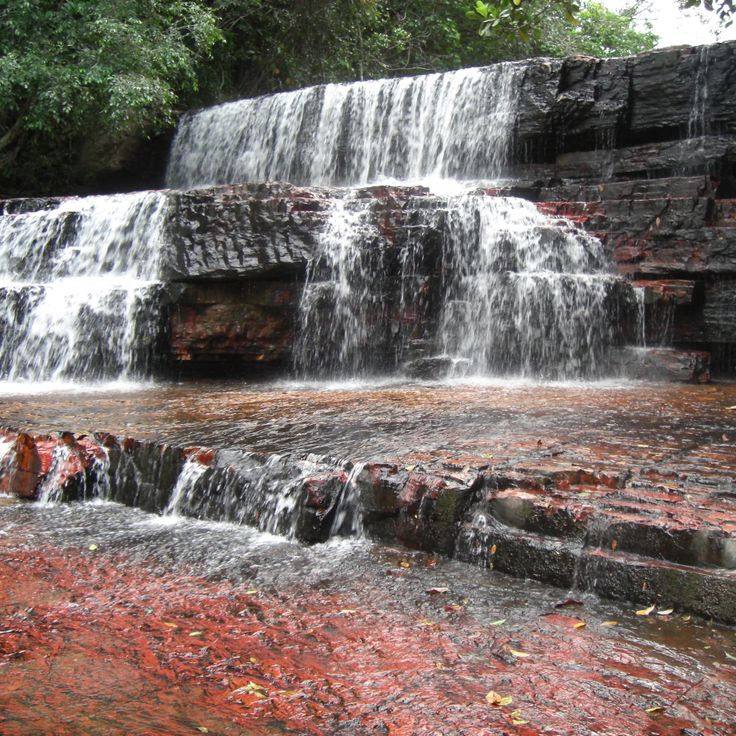
Gran Sabana, Venezuela
The Quebrada de Jaspe is a river that flows over red jasper rock, revealing one of Venezuela's hidden natural wonders. Located in Gran Sabana, this stream shapes an unusual landscape with its mineral-rich red stone surface that extends for several hundred meters along its course. The site embodies the distinctive character of Venezuela's off-the-beaten-path locations, where the Andes region offers waterfalls, remote areas, and surprising geological formations.
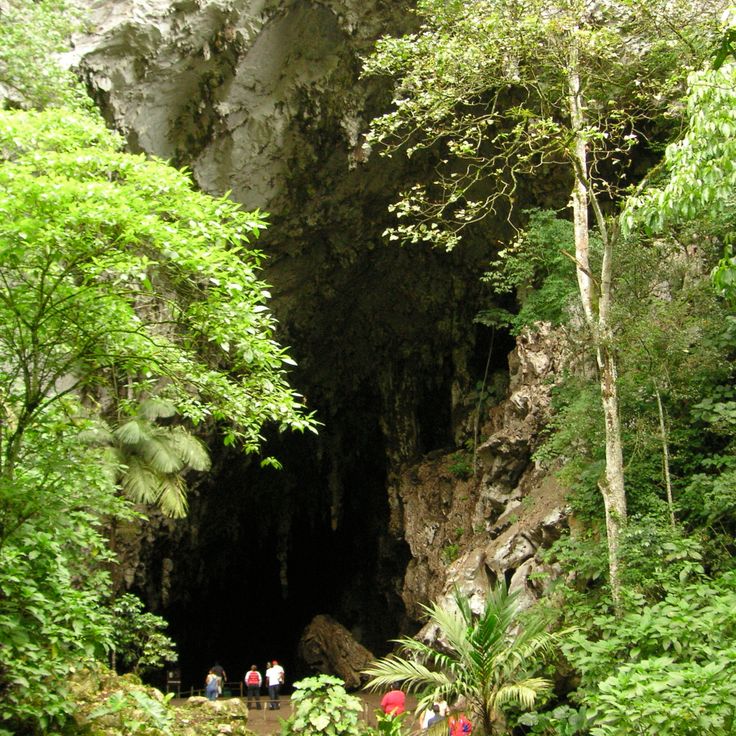
Anzoátegui, Venezuela
The Monumento Natural Alejandro de Humboldt is a nature reserve that represents one of Venezuela's hidden attractions. The site features sandstone formations and plants found nowhere else in the world. Geological structures rise to 1300 meters above sea level, showing the diverse natural features away from standard travel routes.
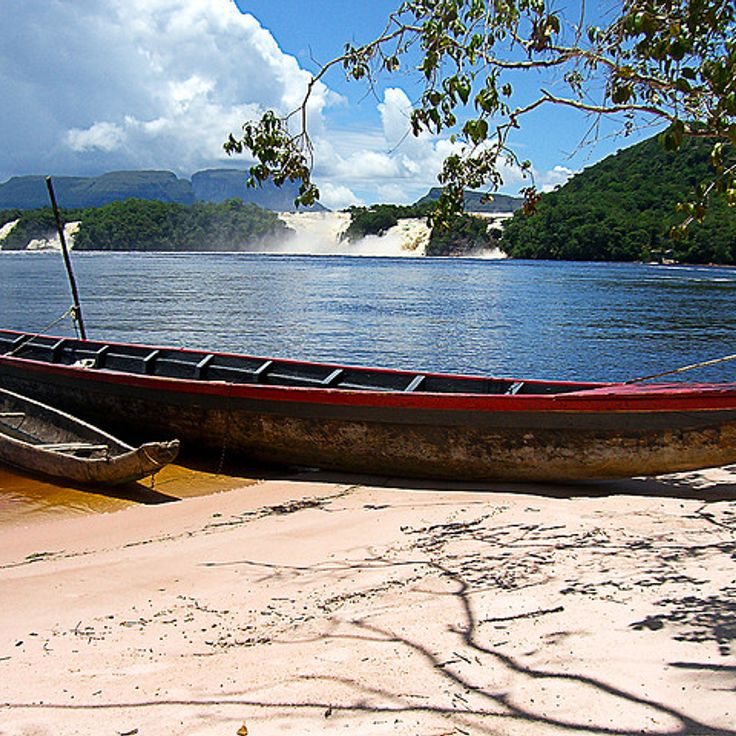
Bolívar, Venezuela
Laguna de Canaima forms a water basin at the foot of tepuis. This lagoon is fed by several waterfalls that bring reddish water into the natural basin. It sits among Venezuela's hidden attractions, located away from standard travel routes. The region is known for its waterfalls, caves, and unusual natural phenomena.
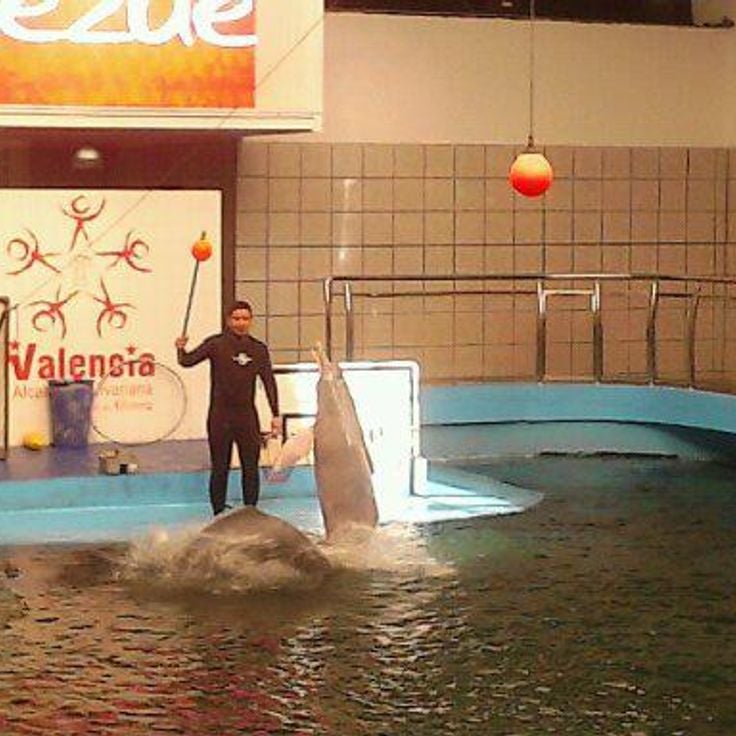
Carabobo, Venezuela
The Valencia Aquarium displays the range of Venezuelan marine life with tanks for native fish, sea turtles, and dolphins. The facility cares for injured sea animals and offers a window into the underwater world found along the remote beaches and islands throughout the region.
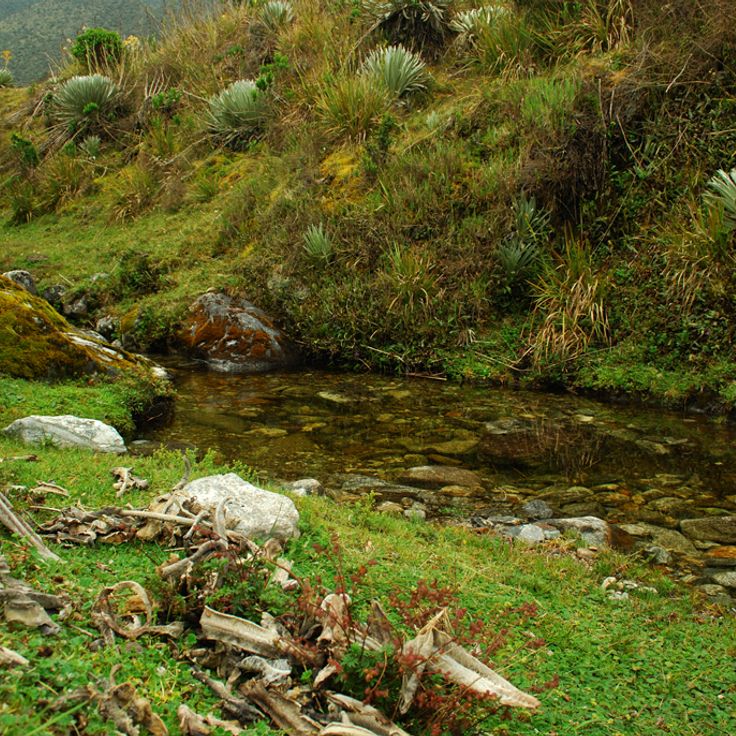
Mérida, Venezuela
Paramo La Culata is an alpine ecosystem in Venezuela's Andes that appeals to travelers seeking locations off standard routes. This high-altitude region sits above 3000 meters and features native frailejón plants, grasslands, and cool temperatures year-round. It represents one of the country's hidden attractions for those interested in mountain landscapes and natural environments.
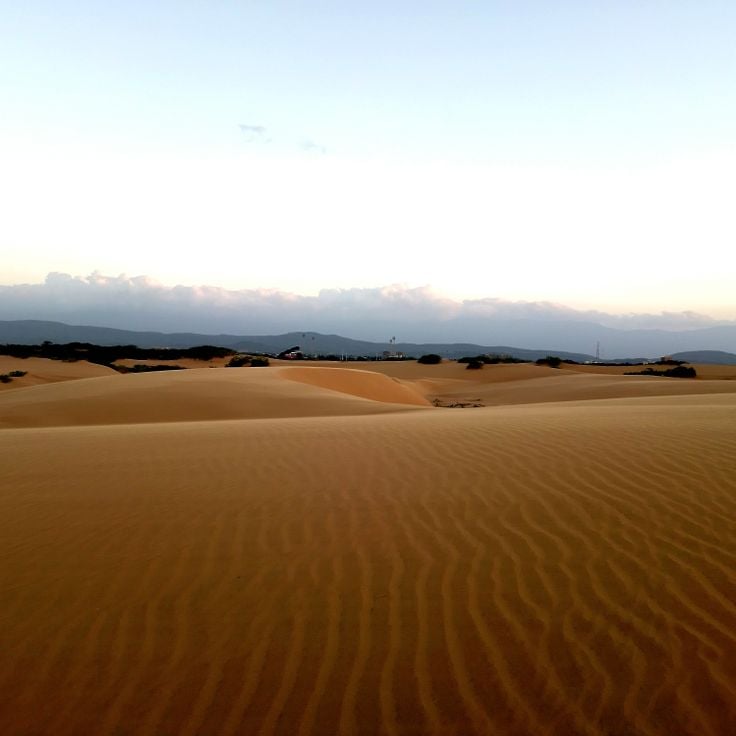
Falcón, Venezuela
The Médanos de Coro are sand dunes that stretch across a large area in Falcón and are part of Venezuela's hidden attractions away from typical tourist routes. This dune landscape offers a rare desert setting with tall sand hills that rise above the surrounding plains. The location shows a different face of Venezuela, beyond the country's better-known beaches and mountain regions.

Aragua, Venezuela
This national park was established in 1937 and sits across coastal areas and mountain forests in Aragua. As one of Venezuela's hidden attractions away from standard routes, it shelters around 500 bird species and 200 butterfly species. Visitors explore dense forests, coastal stretches, and diverse habitats that make this park a destination for observing wildlife and natural settings.
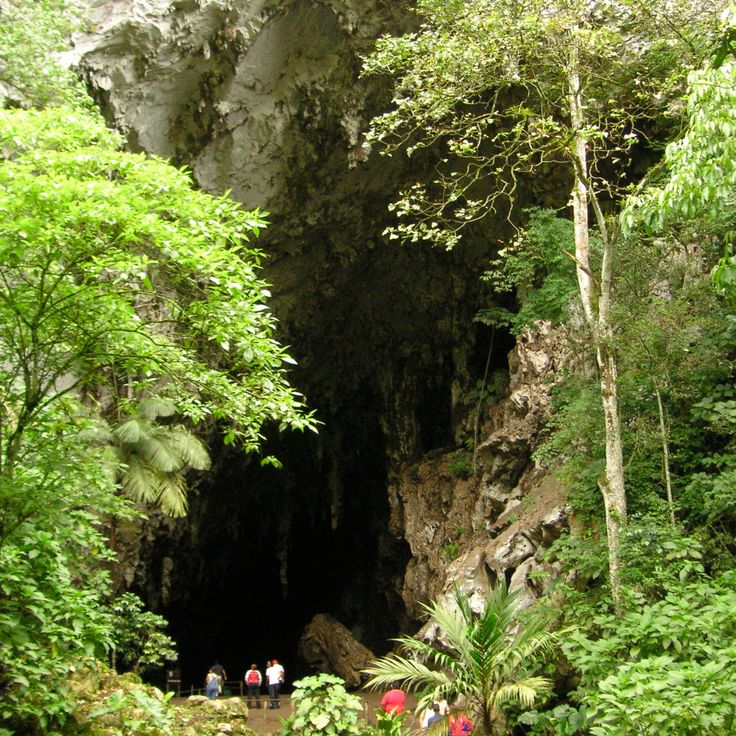
Monagas, Venezuela
The Cueva del Guácharo is a cave system that extends for several kilometers and represents one of Venezuela's hidden attractions away from main routes. It is home to nocturnal oilbirds and features underground rivers, stalactites, and stalagmites. This cave showcases the country's diverse natural landscape, which includes rock formations, caves, and protected nature areas.
Sucre, Venezuela
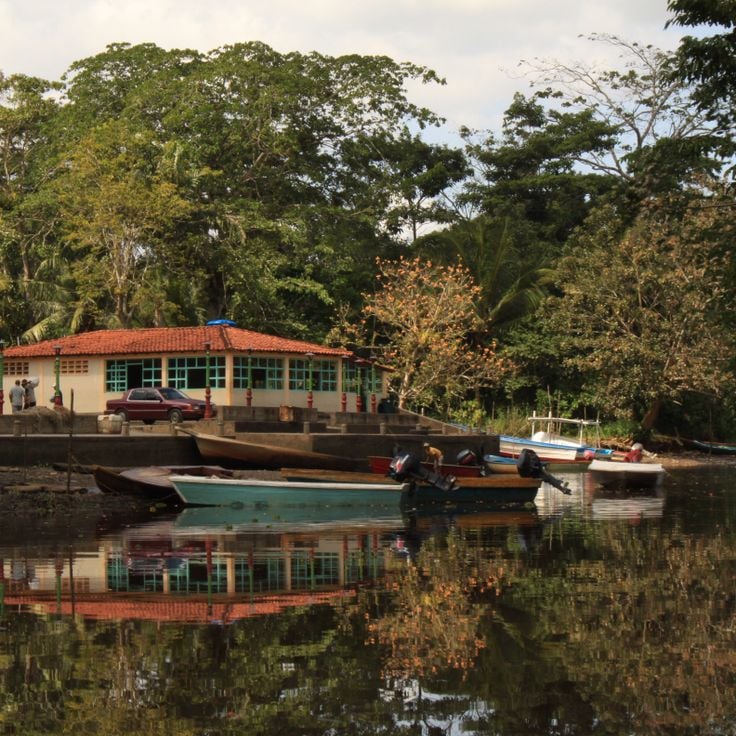
Turuépano National Park is a conservation area with extensive mangrove forests and swamps, part of Venezuela's hidden attractions away from standard routes. The park provides habitat for numerous bird species and allows visitors to explore its natural landscape by boat. Travelers can navigate through the mangroves and observe the diverse wildlife that characterizes this coastal region.
Caracas, Venezuela
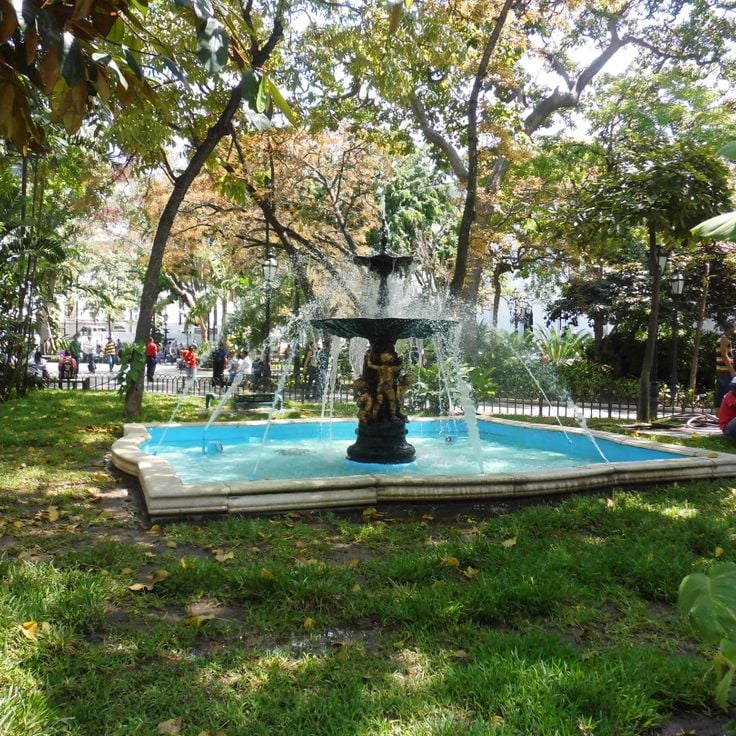
The Plaza Bolívar of Caracas is a central square that shows the city's history. Here you can see a bronze equestrian statue and buildings from the colonial period. This place is part of Venezuela's attractions that lie away from standard routes. The square connects the past with the city's present life and offers visitors a sense of Caracas' cultural heritage and architectural variety.
Carabobo, Venezuela
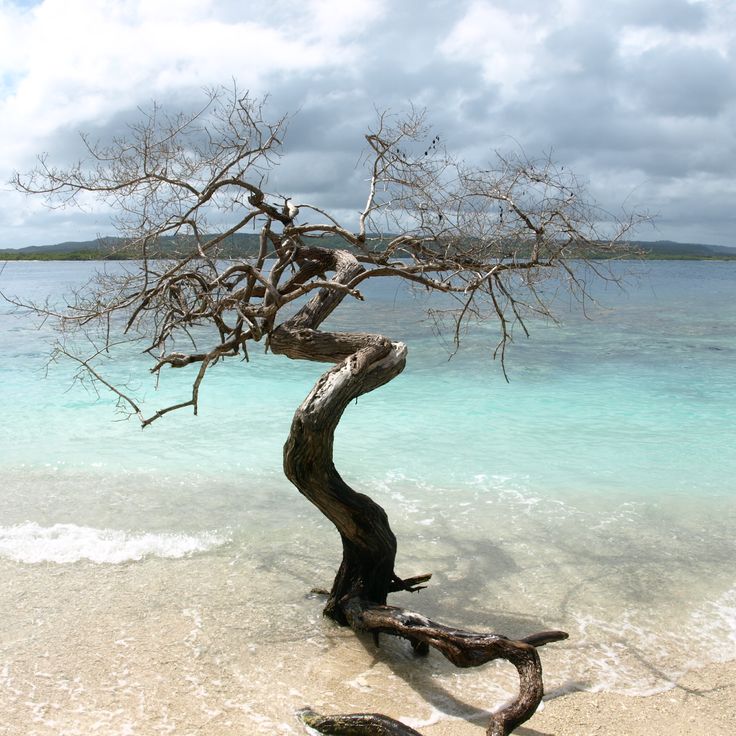
San Esteban National Park is part of Venezuela's hidden attractions away from standard routes. This park features forest hiking trails and is home to diverse native animal species. Visitors can explore the natural landscape and observe rare wildlife in their natural environment.
Zulia, Venezuela
The Cienaga del Catatumbo is a marsh area in Zulia that forms part of Venezuela's hidden attractions away from standard routes. This water-rich landscape houses numerous local plant and animal species, offering visitors a chance to experience the country's natural diversity in a remote setting.
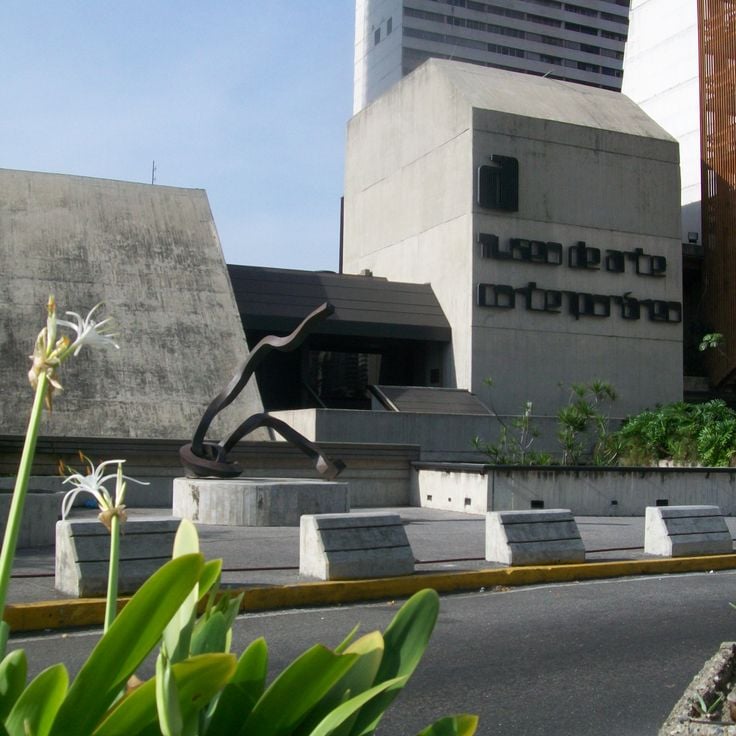
Caracas, Venezuela
This museum displays contemporary art from the 1950s to the present day, featuring works by Venezuelan and international artists. It offers a window into how local art movements have developed and connected with the broader art world. Located in Caracas, the museum shows the artistic currents that have shaped the country's creative expression.
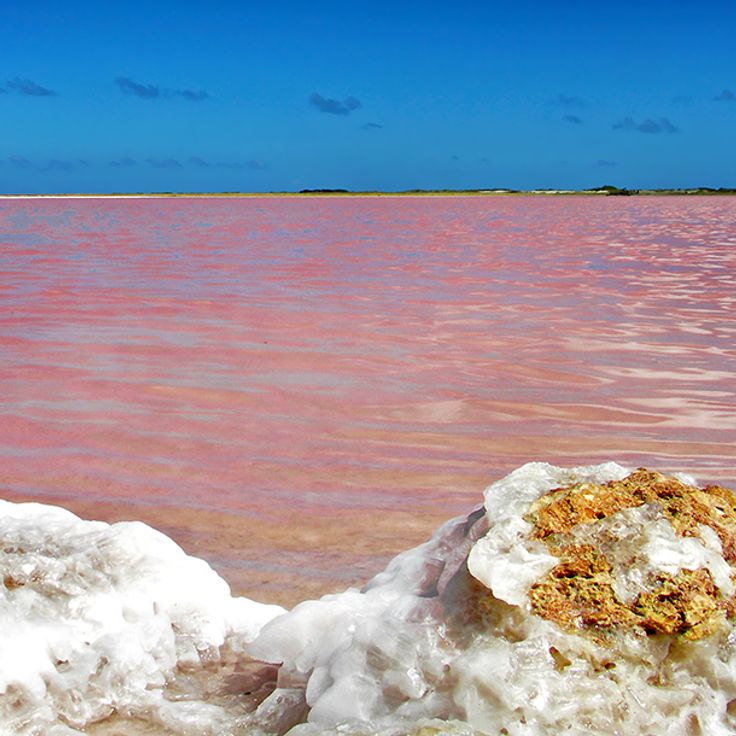
Falcón, Venezuela
Las Salinas de Cumaraguas are part of Venezuela's hidden attractions, located along the coast of Falcón. This salt production facility spans 400 hectares and features pink-hued water pools created by minerals and algae. Waterbirds inhabit the pools, making the site a place where nature and human industry coexist. The location offers a glimpse into traditional salt harvesting methods and the natural character of Venezuela's coastal region, away from typical travel routes.