See the monuments around you in AROpen chests in the app
Around Us is built for your phone — point your camera at the streets and discover the monuments and places around you in augmented reality.Around Us is built for your phone — chests unlock when you walk, explore and capture nearby places.
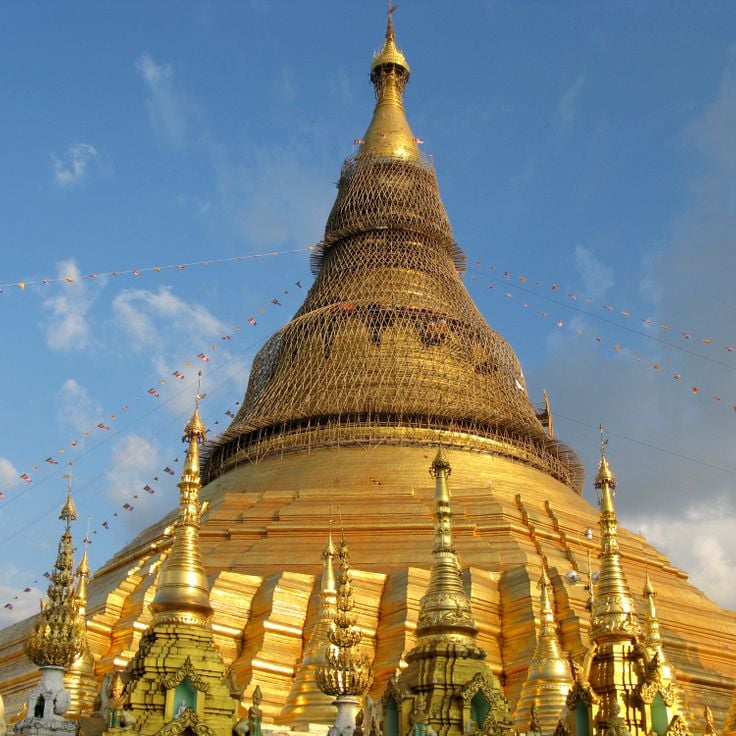
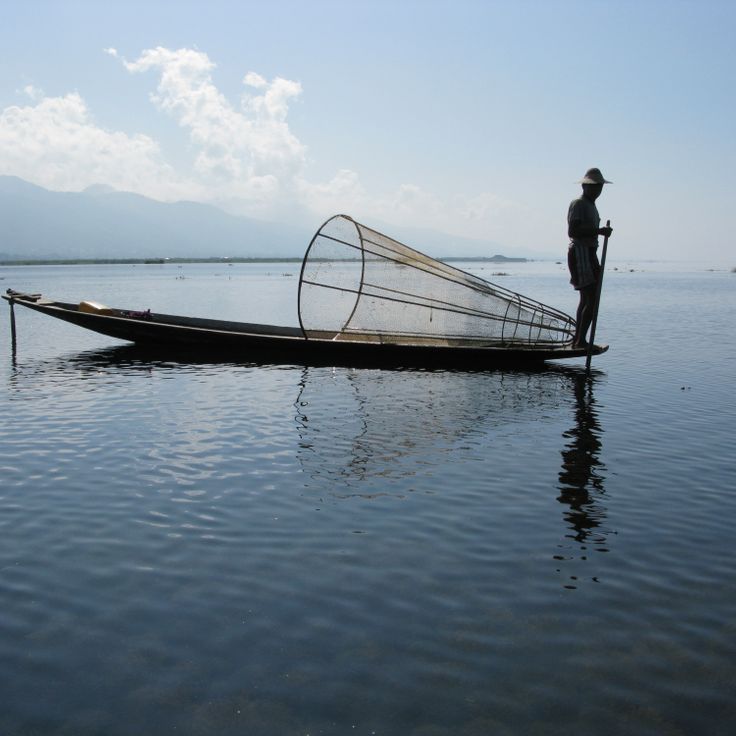
Myanmar offers photographers an exceptional range of subjects, from ancient temple complexes to natural landscapes. The archaeological zone of Bagan, with more than 2,000 pagodas and temples spread across 40 square miles (104 square kilometers), ranks among Southeast Asia's most significant historical sites. The golden Shwedagon Pagoda in Yangon, its central stupa rising 325 feet (99 meters), dominates the skyline of the former capital. At Inle Lake, photographers document the daily life of locals who propel their boats with a distinctive leg-rowing technique, along with floating gardens and villages built on stilts.
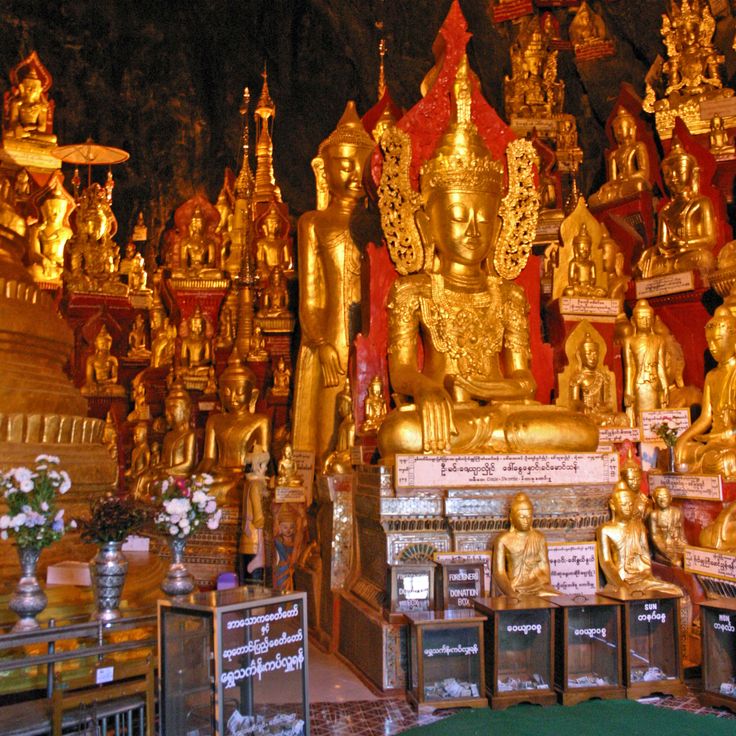
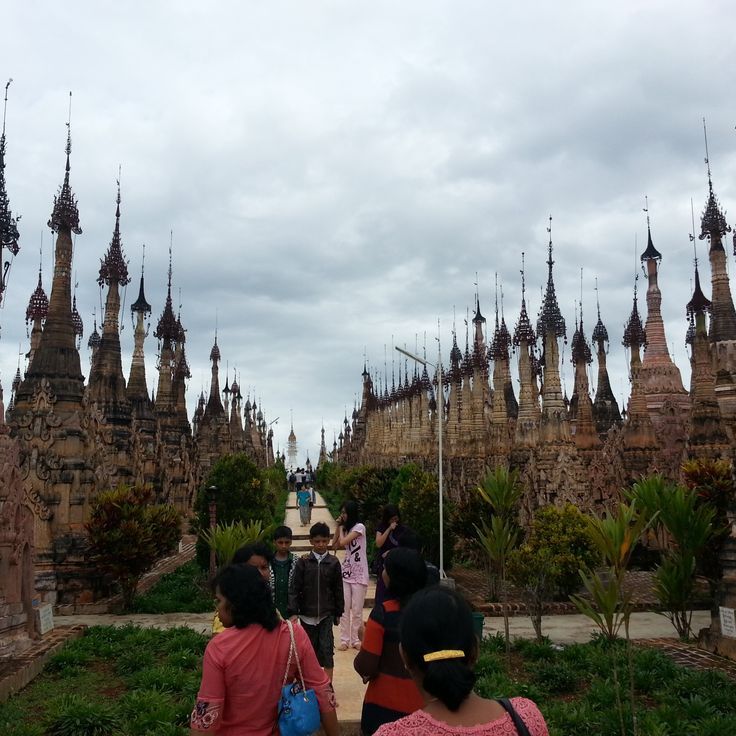
The country's temple architecture appears in various forms: the white Ananda Temple in Bagan from the 11th century, the Kuthodaw Pagoda in Mandalay with its 729 marble slabs inscribed with Buddhist texts, or the 2,478 stupas at Kakku in Shan State. U Bein Bridge near Amarapura, a 0.75-mile (1.2-kilometer) teak bridge built in 1850, draws photographers especially at sunrise and sunset. Natural formations such as the limestone caves at Pindaya containing thousands of Buddha statues, or the Golden Rock at Kyaiktiyo appearing to balance on a cliff edge, expand the photographic possibilities.
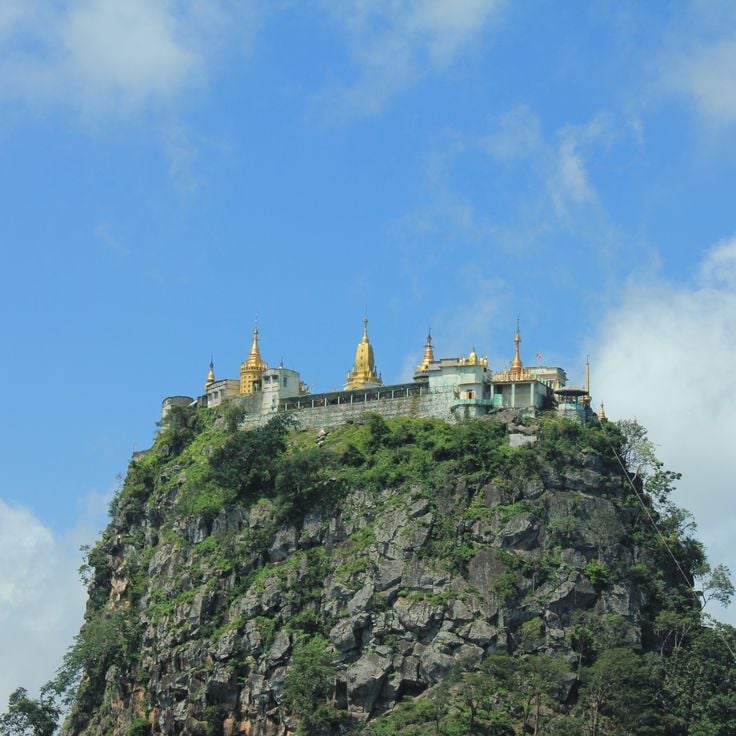
Beyond the well-known sites, other compelling subjects emerge: the colonial character of Mawlamyaing, the limestone mountains around Hpa-an, the 2,417-foot (737-meter) Mount Popa with its monastery atop a volcanic plug, or Gokteik Viaduct, a 2,260-foot (689-meter) railway bridge from the British colonial period. The 590-foot (180-meter) reclining Buddha statue Win Sein Taw Ya near Mawlamyaing and the monumental Buddha statues at Monywa demonstrate the scale of religious art in the country. The beaches at Ngapali on the west coast provide contrast to the cultural and historical sites in the interior.
Myanmar offers photographers an exceptional range of subjects, from ancient temple complexes to natural landscapes. The archaeological zone of Bagan, with more than 2,000 pagodas and temples spread across 40 square miles (104 square kilometers), ranks among Southeast Asia's most significant historical sites. The golden Shwedagon Pagoda in Yangon, its central stupa rising 325 feet (99 meters), dominates the skyline of the former capital. At Inle Lake, photographers document the daily life of locals who propel their boats with a distinctive leg-rowing technique, along with floating gardens and villages built on stilts.
The country's temple architecture appears in various forms: the white Ananda Temple in Bagan from the 11th century, the Kuthodaw Pagoda in Mandalay with its 729 marble slabs inscribed with Buddhist texts, or the 2,478 stupas at Kakku in Shan State. U Bein Bridge near Amarapura, a 0.75-mile (1.2-kilometer) teak bridge built in 1850, draws photographers especially at sunrise and sunset. Natural formations such as the limestone caves at Pindaya containing thousands of Buddha statues, or the Golden Rock at Kyaiktiyo appearing to balance on a cliff edge, expand the photographic possibilities.
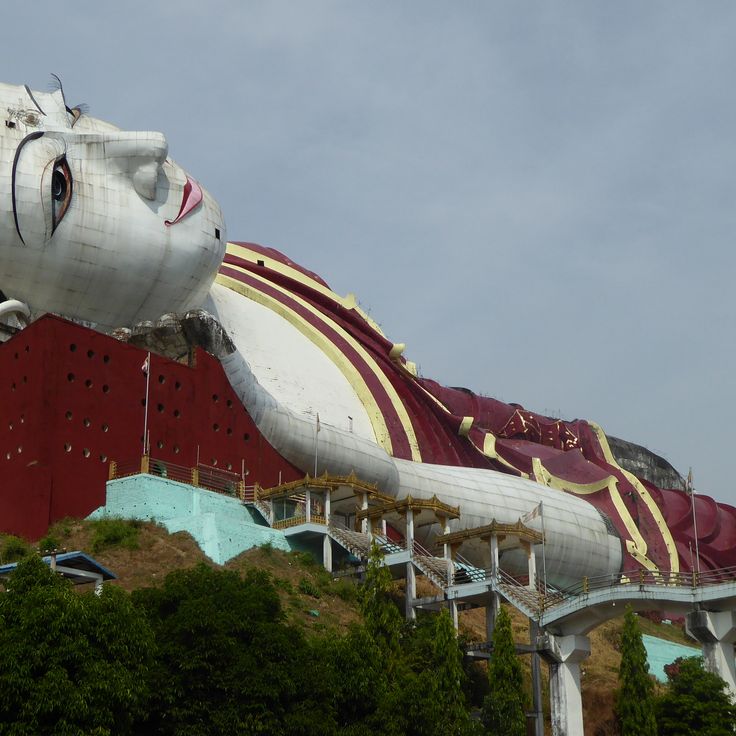
Beyond the well-known sites, other compelling subjects emerge: the colonial character of Mawlamyaing, the limestone mountains around Hpa-an, the 2,417-foot (737-meter) Mount Popa with its monastery atop a volcanic plug, or Gokteik Viaduct, a 2,260-foot (689-meter) railway bridge from the British colonial period. The 590-foot (180-meter) reclining Buddha statue Win Sein Taw Ya near Mawlamyaing and the monumental Buddha statues at Monywa demonstrate the scale of religious art in the country. The beaches at Ngapali on the west coast provide contrast to the cultural and historical sites in the interior.
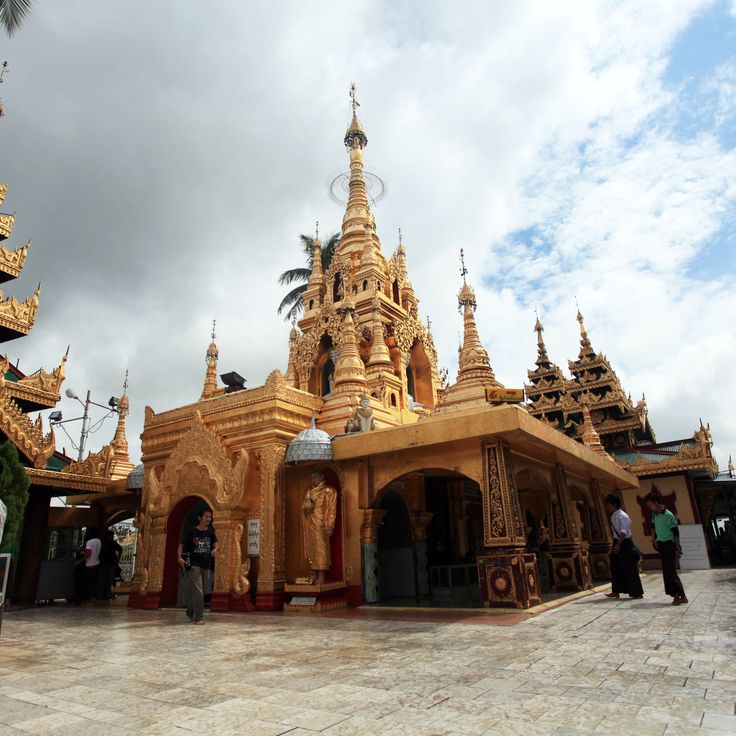
The Shwedagon Pagoda rises 325 feet (99 meters) above Yangon, its gilded dome forming the most recognizable point in the city skyline. This 6th-century Buddhist temple complex contains shrines, statues and bells distributed across its extensive grounds. Photographers work from dawn through evening, when lighting brings out the golden surfaces and silhouettes the architecture against the sky. The surrounding terraces provide varied perspectives on the central stupa and the urban landscape beyond.
This archaeological zone in Mandalay comprises over two thousand Buddhist temples and stupas from the 11th to 13th centuries, spread across a wide plain along the Irrawaddy River. Photographers will find a rich variety of subjects: terracotta-colored brick temples set against palm groves, gilded stupas emerging from morning mist, and expansive views from elevated vantage points. Different lighting conditions throughout the day highlight the varied architectural styles and proportions of the structures, while the surrounding landscape provides a natural frame for architectural compositions.
Inle Lake in Myanmar draws photographers through its floating villages and gardens that rest on the water. Local fishermen use a traditional one-leg rowing technique that is frequently photographed. The lake stretches 14 miles (22 kilometers) long and offers numerous subjects including stilt houses, markets and pagodas along the shore. Early morning hours provide soft light over the water. This lake allows documentation of daily life on the water and shows a functioning community that has existed on this freshwater lake for generations.
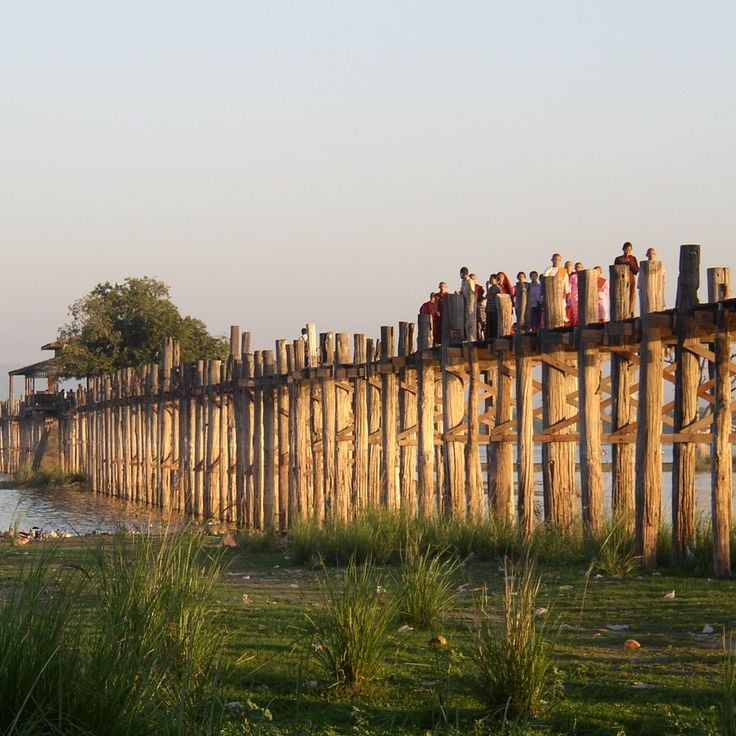
This teak footbridge spans Taungthaman Lake and provides photographers with changing light conditions throughout the day. U Bein Bridge extends 1,200 feet (1.2 kilometers) and connects both shores of the lake. Fishermen work in the shallow water while monks and locals cross the wooden structure. Various positions along the shore allow different perspectives of the bridge and its reflection in the water, particularly during early morning and late afternoon hours.
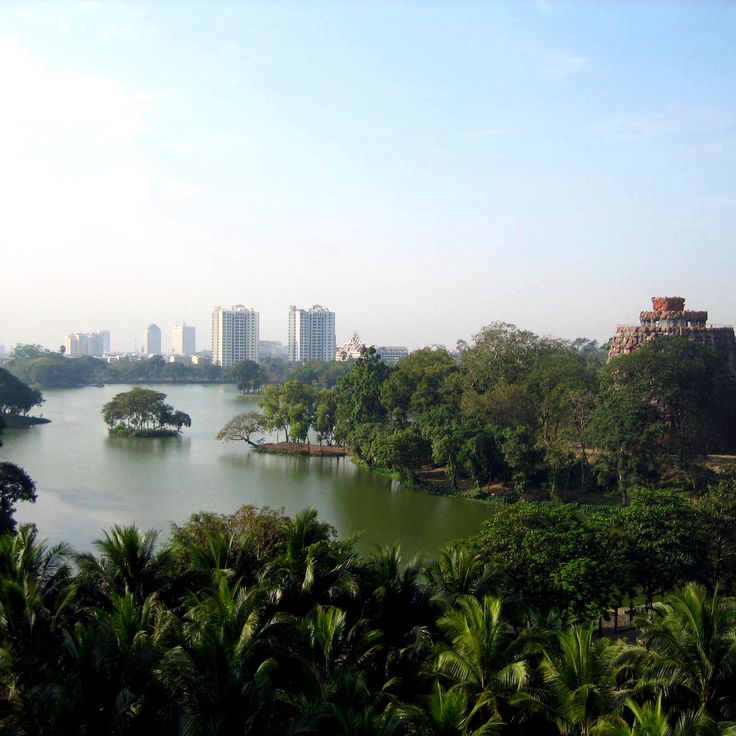
Kandawgyi Lake in Yangon provides clear reflections of the Shwedagon Pagoda on its water surface, creating opportunities for landscape and architectural photography. The man-made lake sits in the heart of the city and is surrounded by a waterfront promenade that offers various angles on the gilded pagoda. Early morning and late afternoon light conditions enhance the reflections and add depth to photographs.
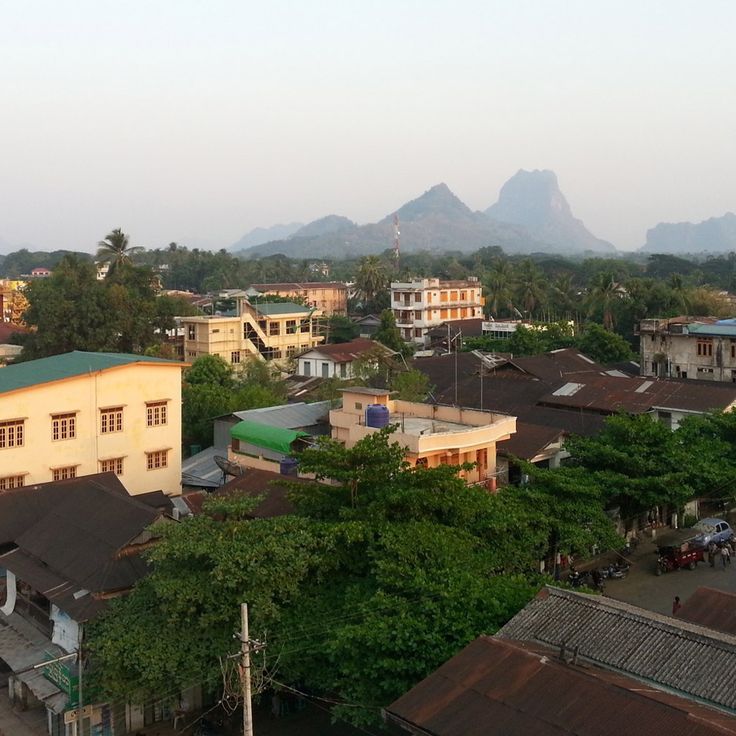
This town in Kayin State sits surrounded by karst mountains and provides access to several caves, including Kawgun and Sadan. Photographers will find opportunities to document the landscape along the Thanlwin River, which winds through the region. Nearby rice paddies and small villages show rural life in Myanmar. The area offers changing light conditions during morning and evening hours, when the sun illuminates the limestone formations.
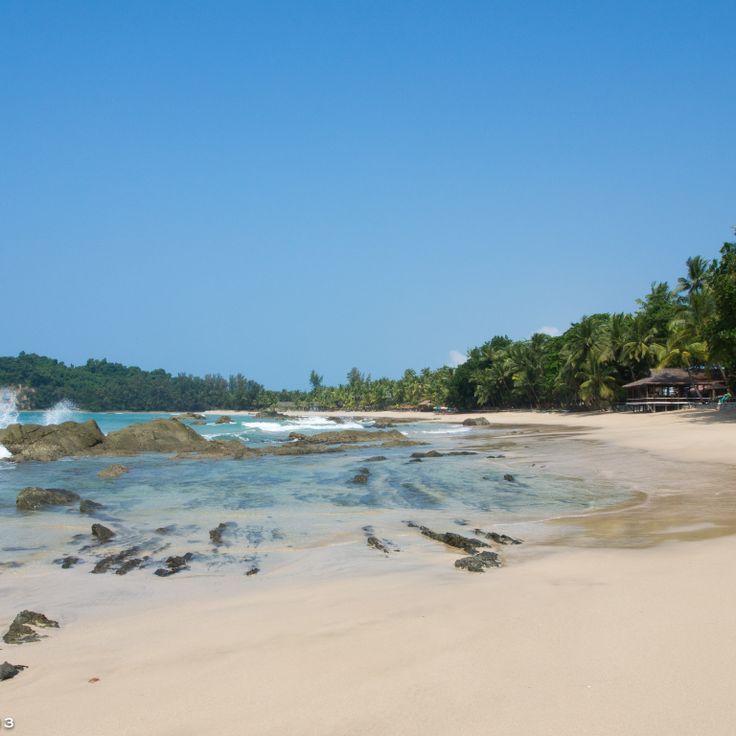
This expansive coastal stretch offers pale sand, calm waters and traditional fishing boats returning at dawn and dusk. The beach extends for several miles, providing opportunities to photograph palm groves, local fishermen at work and daily life in the coastal villages. Morning hours deliver clear light for landscape work, while late afternoons cast warm tones across the Andaman Sea.
Mount Popa rises as an extinct volcano to 5,000 feet (1,518 meters) above sea level, dominating the arid plains of Bagan. Taung Kalat, a volcanic plug standing 2,417 feet (737 meters) tall, sits directly adjacent and supports a monastery reached by 777 steps. Photographers find compositions of pilgrims ascending the steep stairway, along with panoramic views of the surrounding landscape at sunrise. The combination of religious architecture and geological formation offers both documentary and visual opportunities for portraying belief and nature in Myanmar.
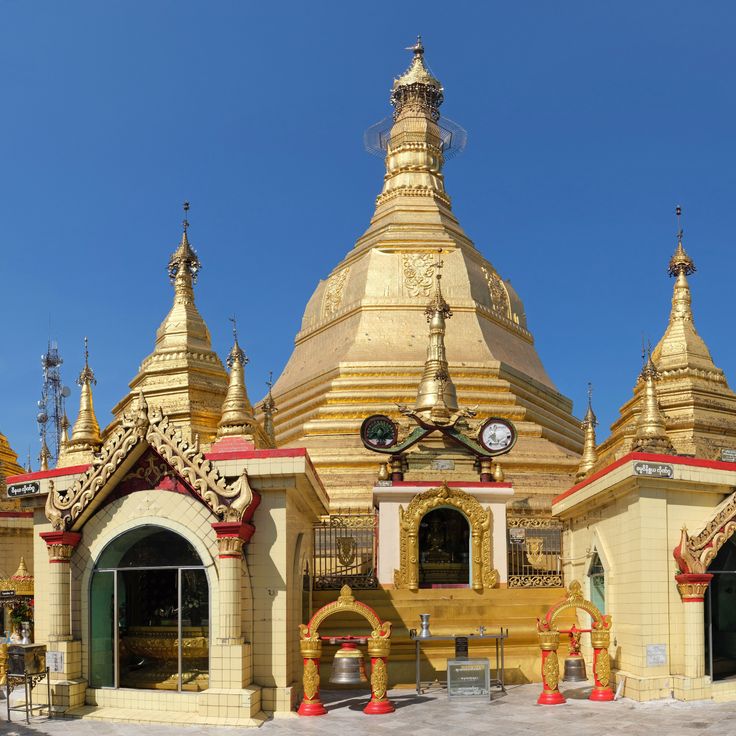
The Sule Pagoda rises from central Yangon as an active religious landmark whose gilded stupa has shaped the city's skyline for over two millennia. The octagonal structure houses Buddhist relics and serves as a gathering place for worshippers and an architectural reference point. Photographers document the golden dome against modern urban architecture, the interplay of natural and artificial light on gilded surfaces, and the ceremonies and daily life that unfold around this religious center. Its central location allows various photographic perspectives from surrounding streets and buildings.
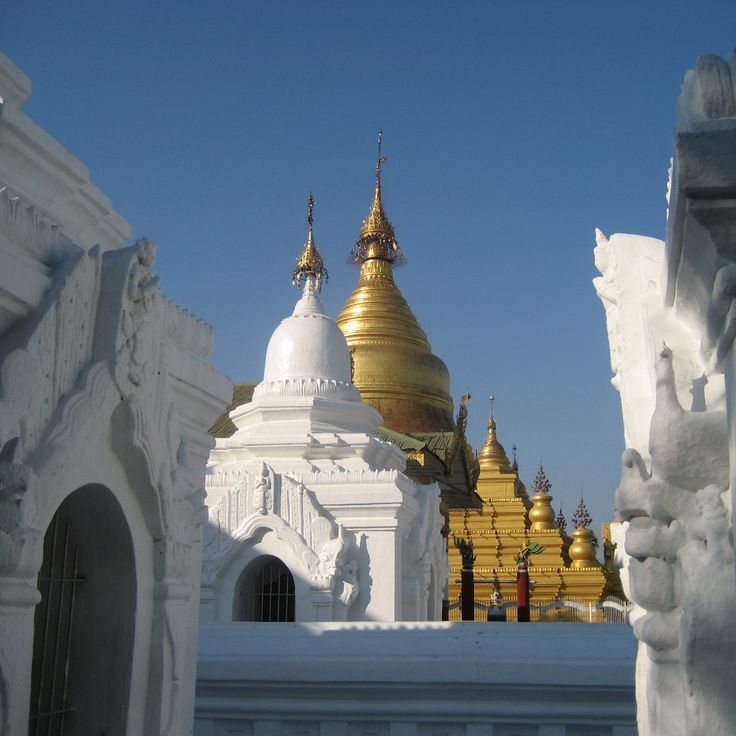
Kuthodaw Pagoda presents Buddhist teachings on 729 white marble slabs, each housed in individual stupas. The complex was built in the mid-19th century under King Mindon and is considered the world's largest book. Photographers find geometric compositions through the symmetrical arrangement of the small shrines, while early morning light illuminates the marble surfaces and casts long shadows between the rows.
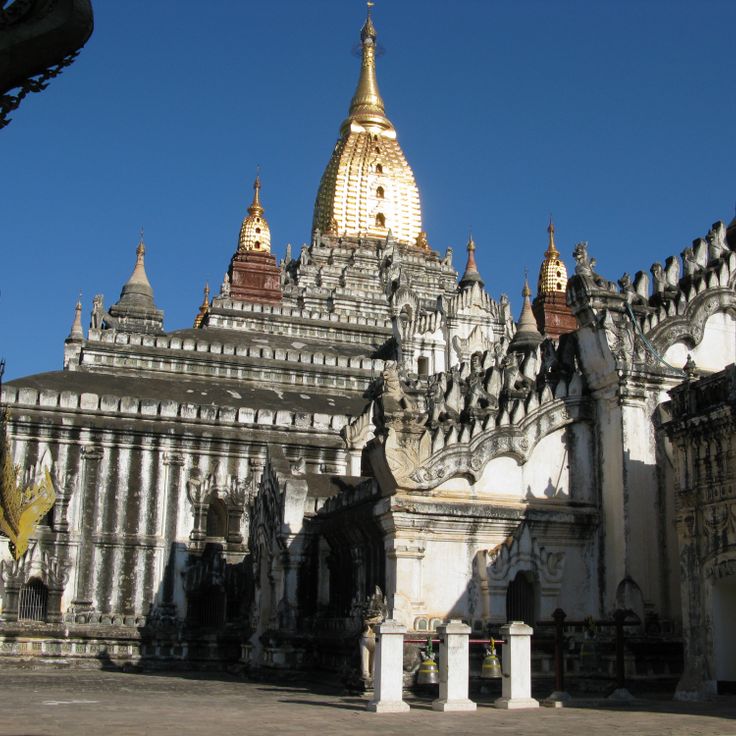
Ananda Temple in Bagan dates from the 12th century and ranks among the most important religious structures in the region. Its four gilded spires rise above a cruciform floor plan with four monumental Buddha statues positioned along the cardinal axes. The architecture combines Mon and Indian influences, displaying detailed stonework on facades and porticos. Photographers find subjects from sunrise through sunset as light transforms the gilded surfaces into shifting tones. The temple remains an active place of worship with regular ceremonies and pilgrims, offering additional documentary perspectives.
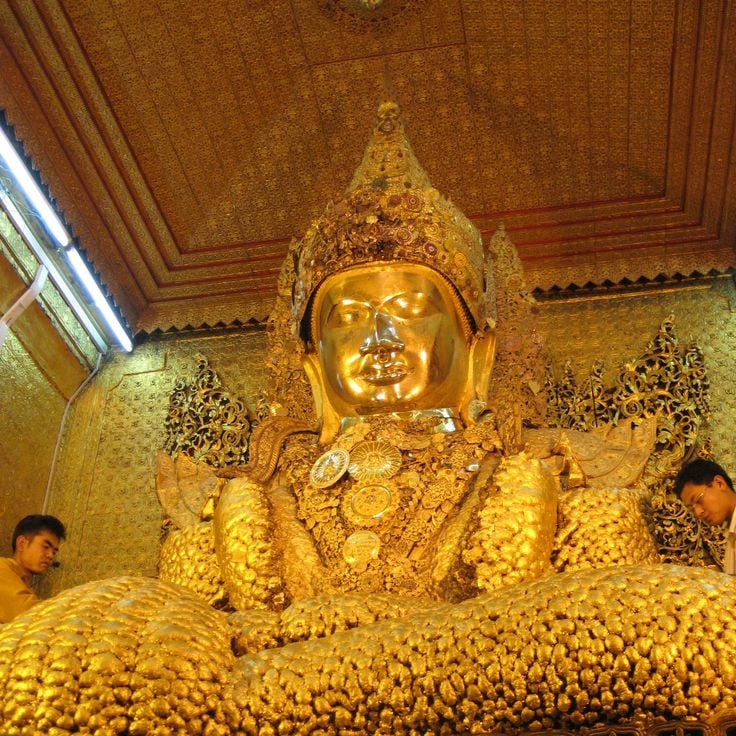
This temple houses a revered Buddha image that has been entirely covered with gold leaf by devotees. The centuries-old practice of applying gold has concealed the original contours beneath a thick layer. Photographers document the morning rituals when male pilgrims add more gold leaf, as well as the ceremonies in the main shrine. The surrounding temple complex includes several buildings and bronze statues brought from the Arakan Kingdom.
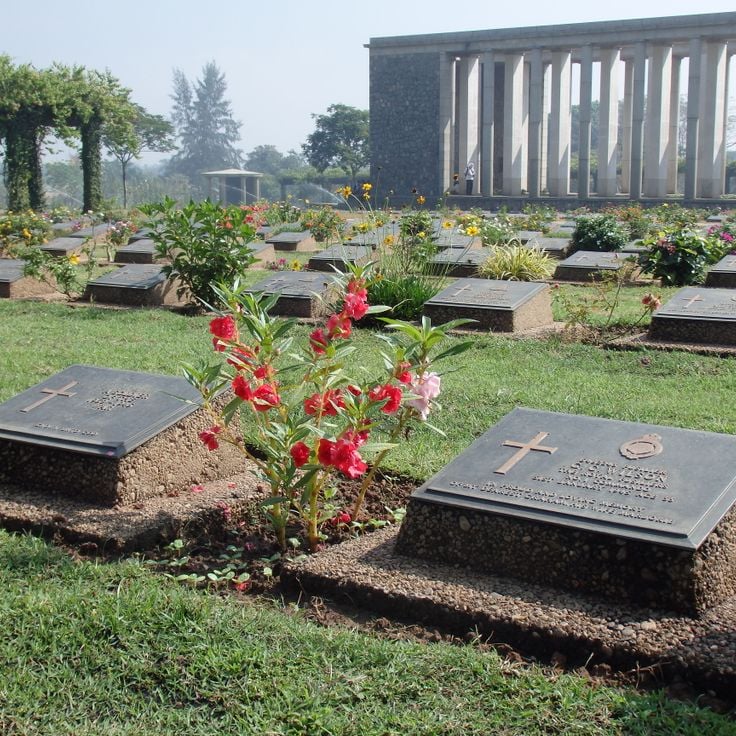
This war cemetery commemorates soldiers who died during World War II in Myanmar and features rows of white headstones set across maintained lawns. The site documents the region's military history and provides clear sightlines for photographic compositions. Morning light emphasizes the symmetrical arrangement of graves and memorial stones.
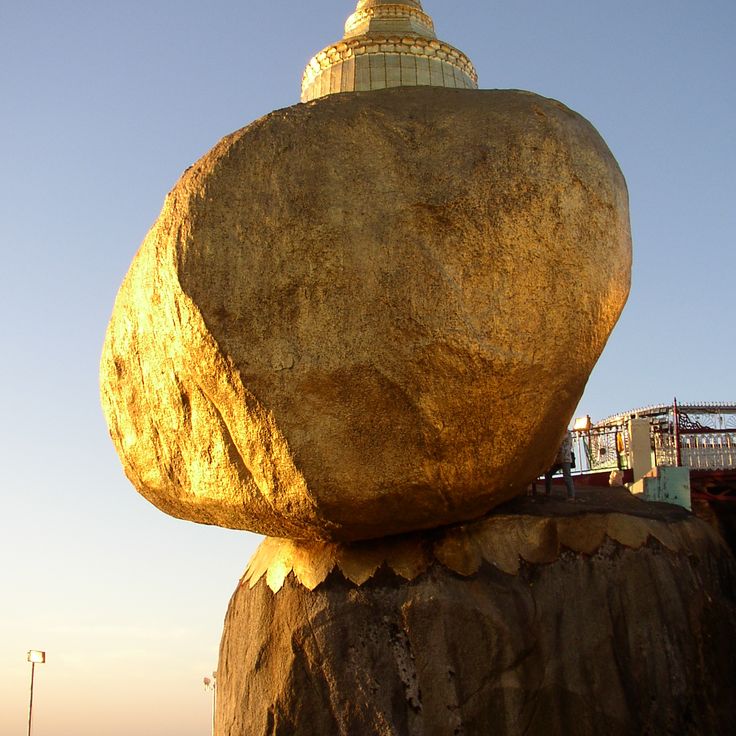
This sacred site features a large gilded boulder that appears to balance on the edge of a cliff, resting on a smaller rock. Pilgrims apply gold leaf, which has covered the surface of the boulder over centuries. The location offers photographers shots at different light conditions, especially at sunrise and sunset when the gilded rock glows against the sky.
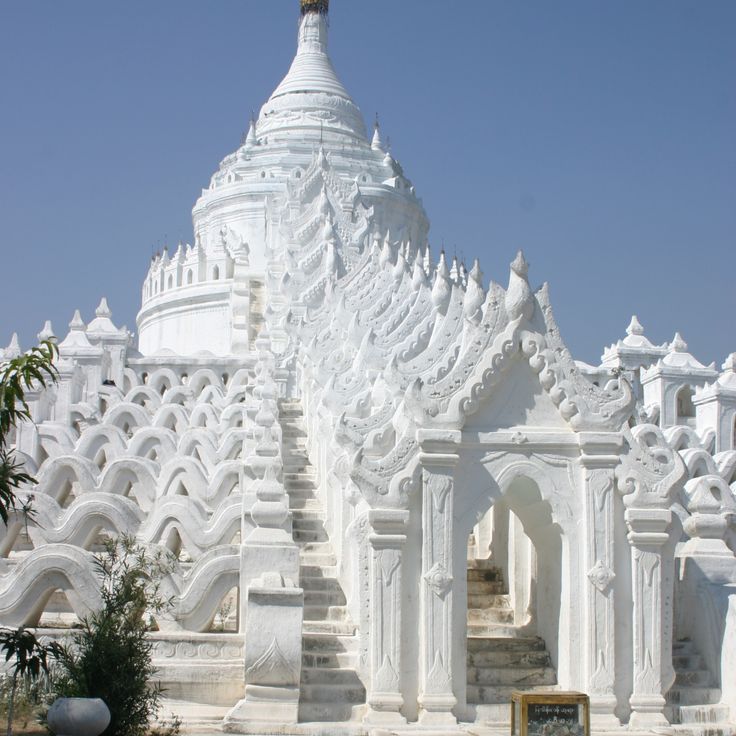
The Hsinbyume Pagoda in Mandalay presents a white, multi-tiered structure modeled after the mythical Mount Meru. The symmetrical terraces and undulating balconies offer photographers opportunities to document architectural details and religious symbolism. Light reflects off the white surfaces, creating changing contrasts throughout the day.
The Pindaya Caves hold more than eight thousand Buddha statues left by pilgrims over the centuries inside limestone chambers, with many figures gilded and displaying local craftsmanship, while the main cavern is reached via a covered walkway and offers photographers both the devotional setting and the sheer quantity of statues as subjects to document.
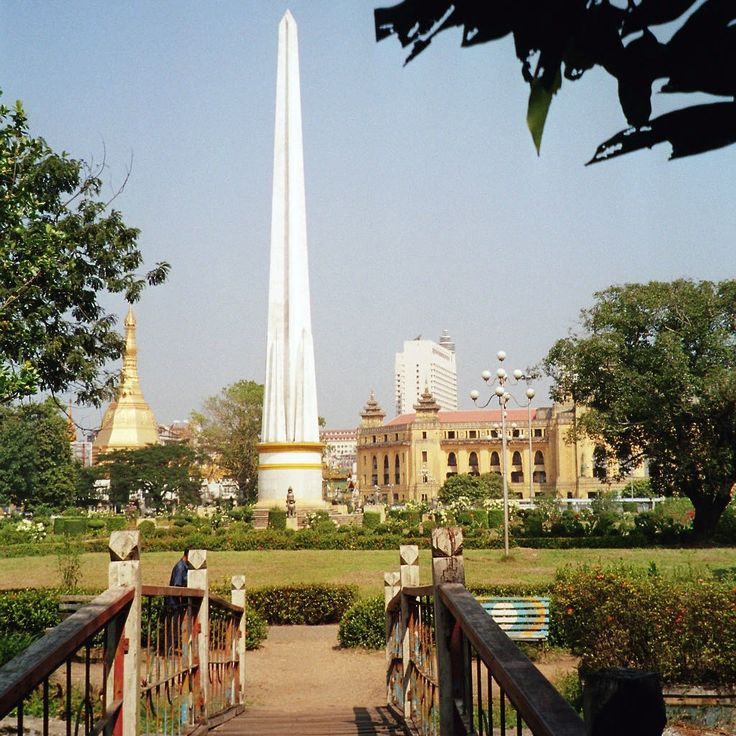
Maha Bandula Park offers photographers opportunities to document the Independence Monument and surrounding colonial buildings in central Yangon. The green space serves as a gathering point for locals and shows everyday urban life, while the historical structures reflect the city's colonial past.
This site contains nearly 2,500 individual stupas in Shan State and offers photographers an exceptional subject with its densely packed towers of varying heights and states of preservation. The Kakku Pagodas display different architectural styles spanning several centuries and are maintained by the local Pa-O community. The best lighting for photography occurs during early morning or late afternoon hours, when the light emphasizes the ornate details and dense arrangement of the structures.
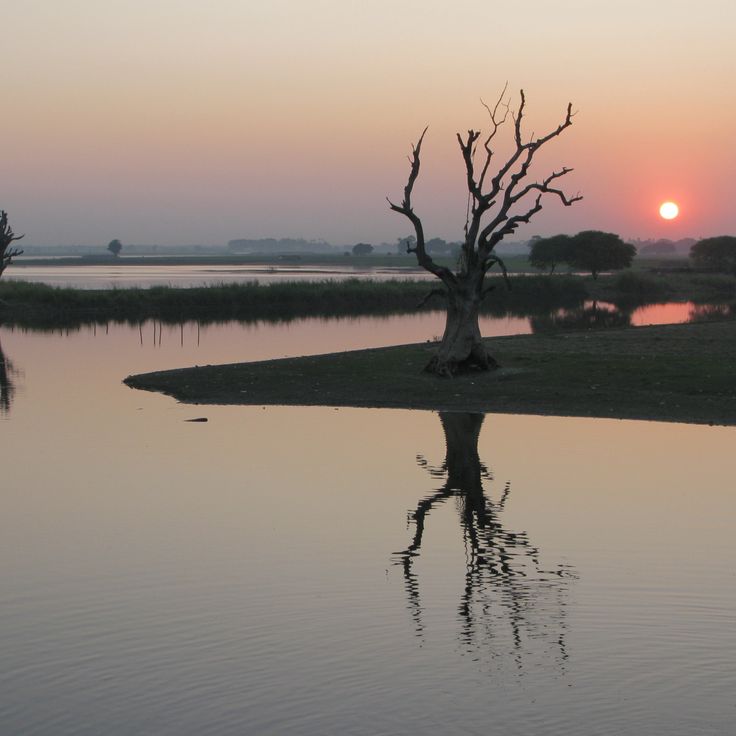
This lake reflects the U Bein Bridge and the surrounding nature at sunset. The calm water amplifies the silhouettes of the wooden structure and trees as the light shifts. Photographers position themselves along the shores to capture the reflections and the movements of people crossing the bridge. The best time to photograph is late afternoon when sunlight bathes the scene in warm tones and emphasizes the contrasts between water, sky and bridge.
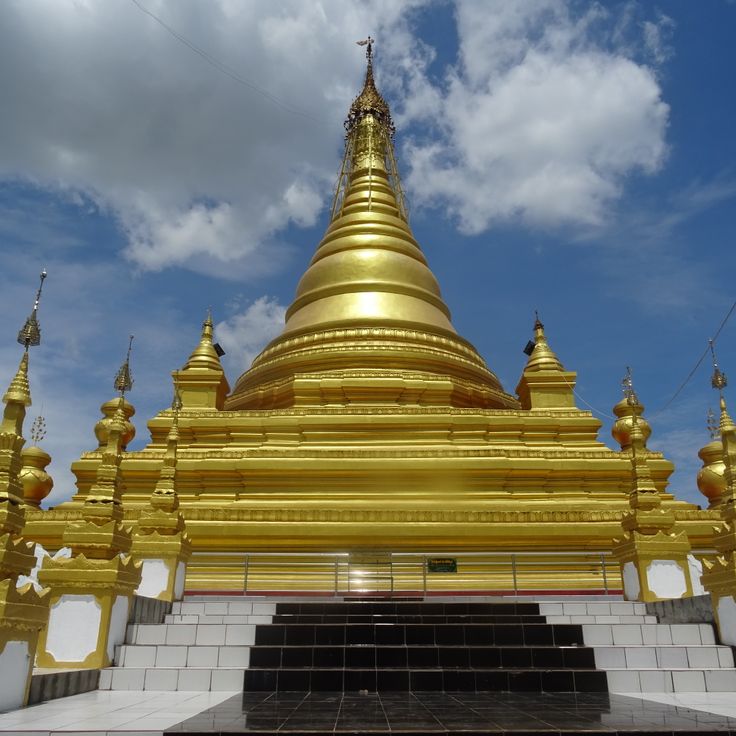
Sandamuni Pagoda combines a central gilded stupa with more than seven hundred smaller white shrines arranged in regular rows, creating a geometric pattern. Each shrine houses a marble slab inscribed with Buddhist texts. The architectural ensemble offers photographers opportunities to capture the symmetrical layout and contrasts between the golden and white structures. The site documents Myanmar's religious traditions through its architecture and arrangement.
Mawlamyaing offers photographers the chance to document colonial buildings from the nineteenth century that line broad avenues throughout the city. The town sits along the Thanlwin River and provides opportunities to capture the waterway under different light conditions. Monasteries on surrounding hills open perspectives across the urban center and the river landscape. Markets, street scenes and traditional workshops document daily life in a port town of approximately 300000 residents.
This garden in the capital features a variety of fountains and waterfalls suitable for daytime and evening photography. At night, a light and water show presents choreographed sequences that provide photographers with dynamic subjects for long exposure work. The grounds include several landscaped sections with different fountain designs, offering varied composition opportunities throughout the site.
This mountain range rises to 10,000 feet (3,053 meters) in western Myanmar and forms an ecological transition between South Asian and Southeast Asian landscapes. The dense forests shelter numerous bird and plant species, including endemic rhododendrons and orchids. Photographers document fog formations rising between the forested slopes and the terraced villages of the Chin people. The best views require several hours of hiking along narrow trails through different vegetation zones. Limited infrastructure keeps the region less visited than other mountain areas in the country.
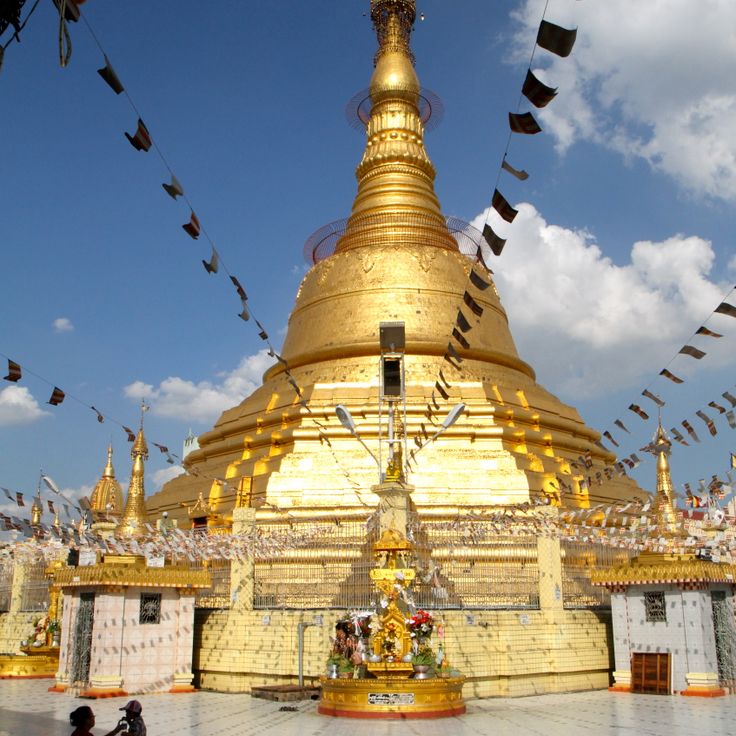
Botataung Pagoda stands on the eastern bank of the Yangon River and houses Buddha relics within its hollow structure. The temple was rebuilt after World War II and allows visitors to walk through gilded corridors lit from within. Its riverside location provides perspectives on river traffic and the urban skyline. Photographers will find subjects in religious ceremonies, architectural details of the golden facades, and the contrast between spiritual space and urban surroundings.
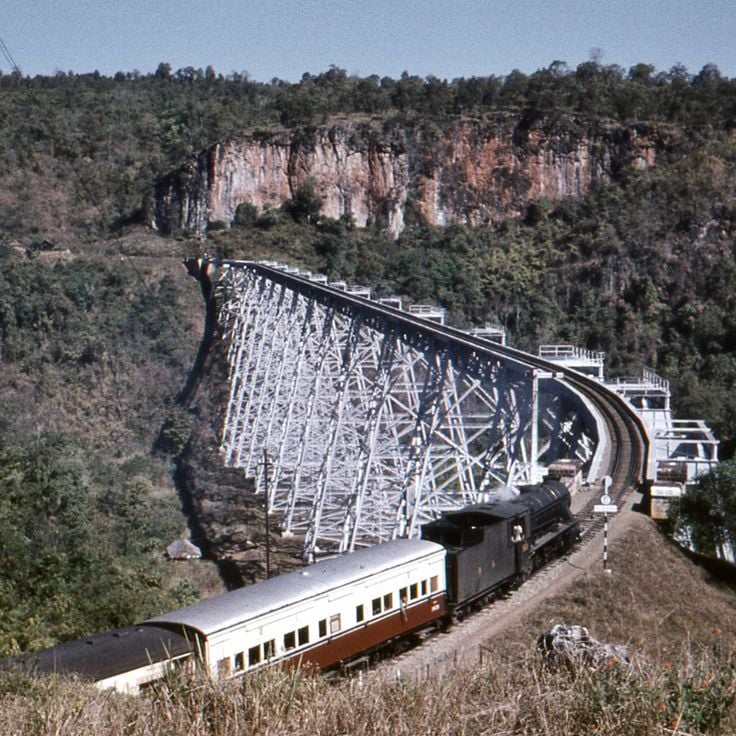
The Gokteik Viaduct spans a deep gorge in Shan State and dates back to British colonial times. Built in the early 20th century, this railway bridge connects key settlements across the region. Photographers document the steel structure against forested mountain slopes and capture trains crossing at considerable height above the ravine. Morning hours provide favorable light for photographing both the bridge construction and surrounding terrain.
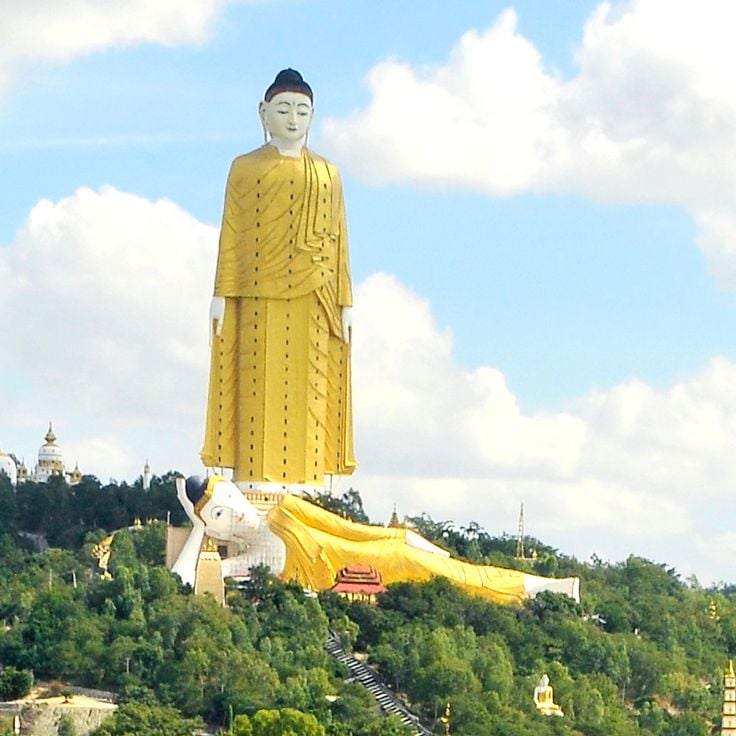
The Monywa area contains one of the world's tallest standing Buddha statues and one of the largest reclining Buddhas. The 423-foot (129-meter) Laykyun Sekkya statue rises above the landscape and provides photographers with a commanding subject. The 295-foot (90-meter) reclining Buddha sits nearby and features detailed decoration. Both monuments draw visitors through their scale and their role in Myanmar's religious life.
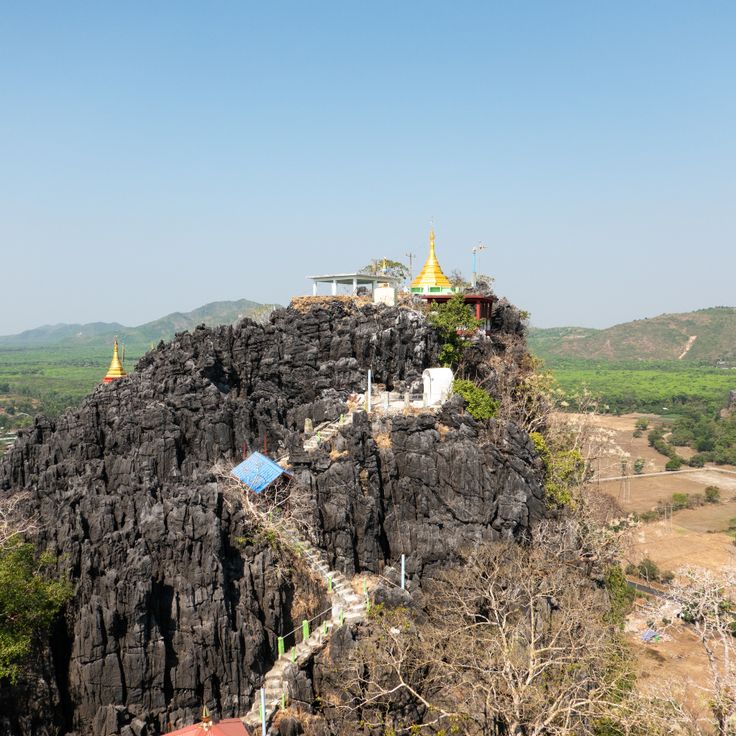
This rock pillar in Mon State supports a pagoda on its summit, reached by a demanding climb. Kyauktalon Taung rises from the surrounding landscape and offers photographers sweeping views across the plains and hills of the region. The natural stone formation and religious structure together create a distinctive subject, particularly during early morning or before sunset when the light is favorable.
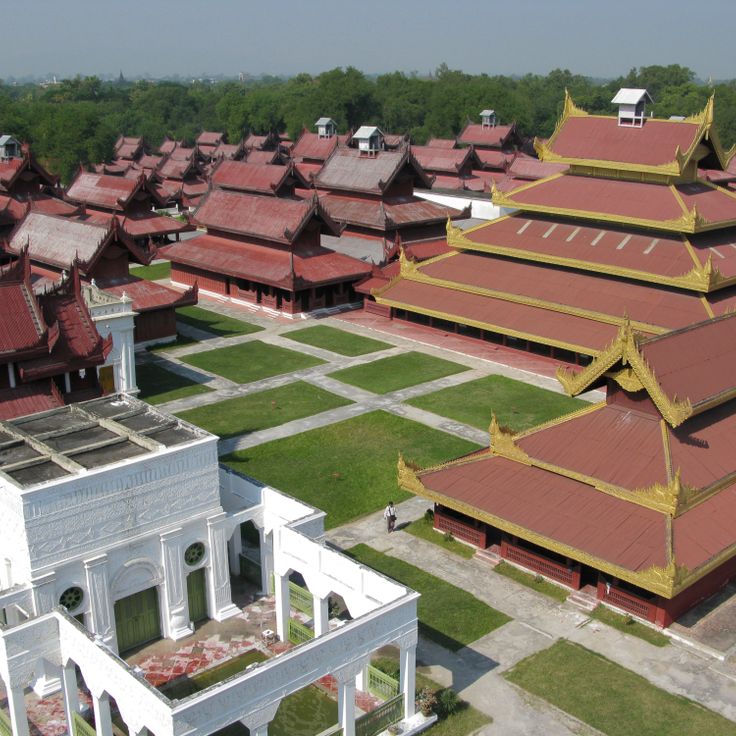
The royal palace in Mandalay was built by the last Burmese monarchy and displays traditional wooden architecture with multiple halls, pavilions and cultural exhibitions. Photographers find geometric structures, carved details and the compound within the fortress walls that document the historical heritage.
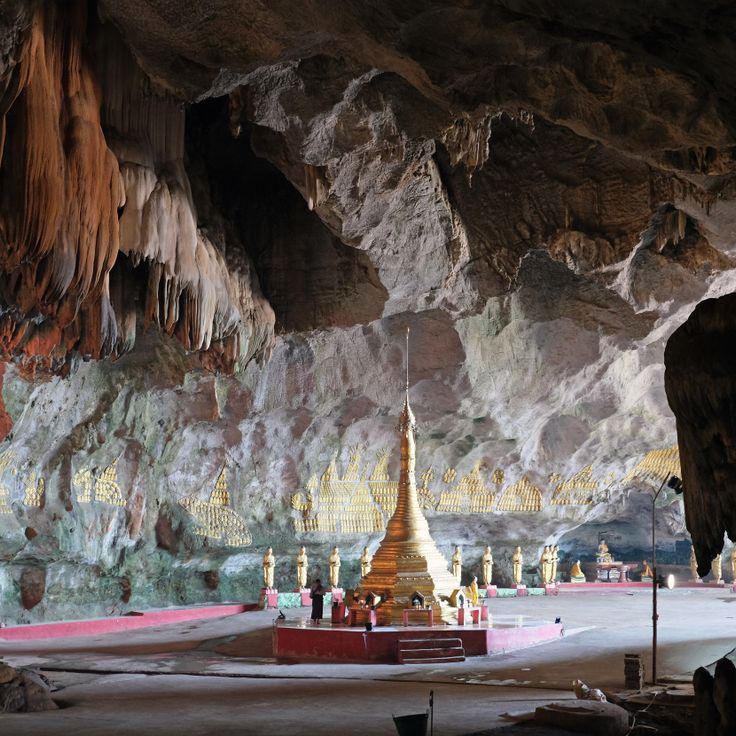
This cave in Kayin State forms an extensive underground system with several lakes and Buddhist statues in the adjacent areas. Photographers find various subjects here, from rock formations to water reflections and religious sculptures that document the spiritual heritage of the region and offer insights into local culture.
Amarapura is a former royal capital located south of Mandalay, known for its historic monastery complexes and traditional silk weaving that has been practiced here for generations. The town sits along the shore of Taungthaman Lake and offers photographers insight into religious life and local craftsmanship. The 200-year-old U Bein Bridge, constructed from teak wood, connects the shore to the village opposite and is crossed daily by monks and local residents. In weaving workshops, craftsmen produce longyis and other textiles on hand-operated looms, while monasteries such as Mahagandayon house and educate hundreds of monks.
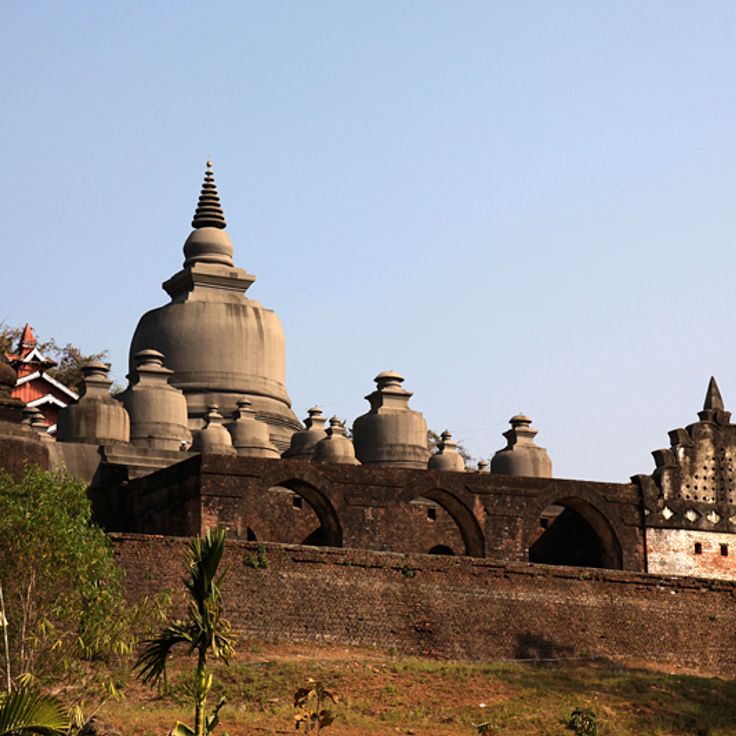
The Shittaung Pagoda in Mrauk U dates to the 16th century and contains a maze of narrow passages and chambers lined with over 80,000 stone reliefs depicting Buddhist themes. Photographers document the intricate carvings in low light, the vaulted corridors and the exterior architecture with its distinctive stupas. Access to the complex is through multiple entrances, with some areas requiring permission to enter.
This pagoda sits on a small island near Syriam and can only be reached by boat. At high tide, the structure appears to float on the water, offering photographers different perspectives and lighting conditions. The architecture displays typical features of Buddhist religious buildings in the region. Visitors find subjects that document the relationship between religious heritage and natural surroundings. The boat approach allows for photographs during the crossing.
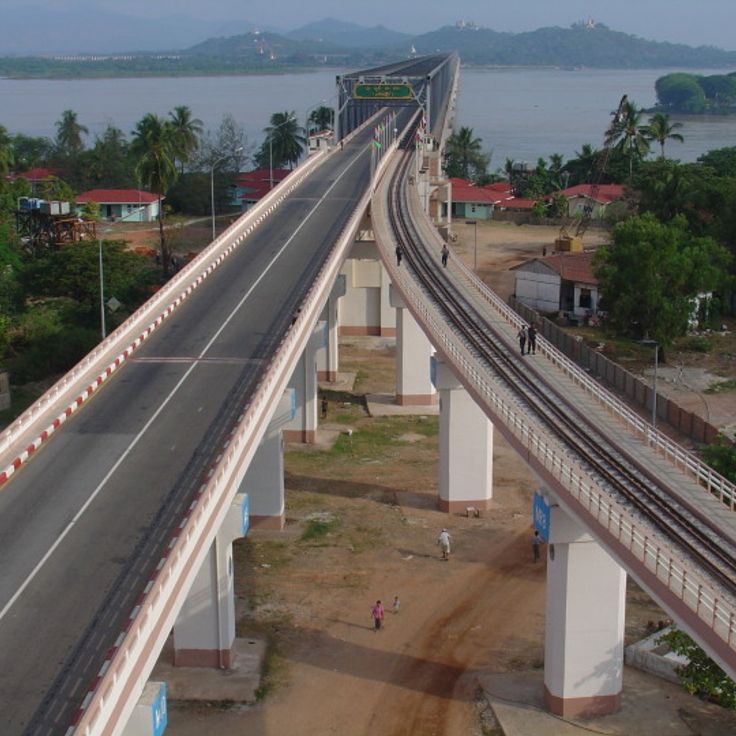
This bridge spanning the Thanlwin River at Mawlamyine connects the two cities on opposite banks and offers photographers views of river traffic, the surrounding mountains and daily life along the waterway, one of the region's main transportation arteries.
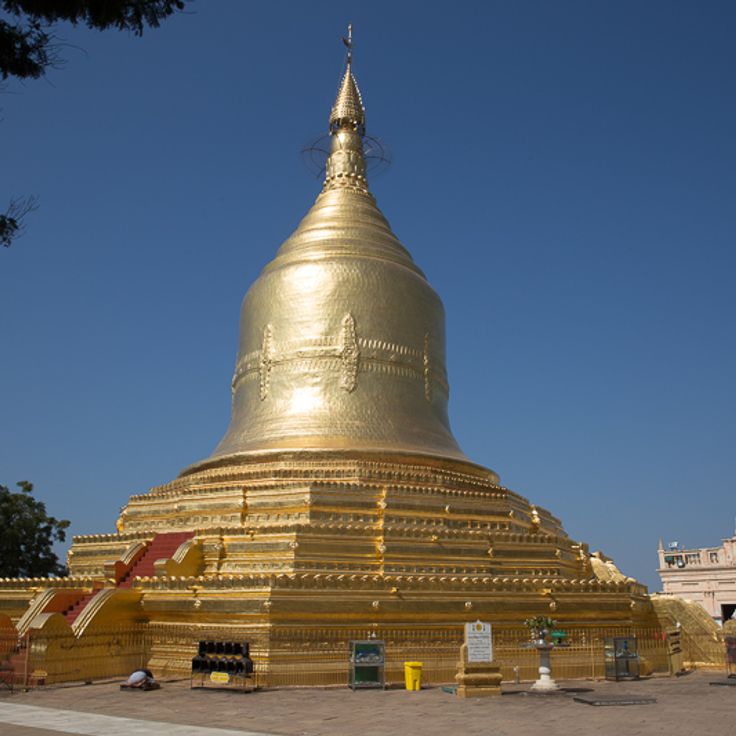
Lawkananda Pagoda stands on the eastern bank of the Irrawaddy River and provides clear sightlines across the water and toward the Bagan plains. King Anawrahta commissioned this stupa in the 11th century, and its riverside position makes it a useful location for photographers capturing river traffic, sunrises, and the silhouettes of distant temples. The raised platform allows unobstructed views, especially during early morning hours when light falls softly across the water.
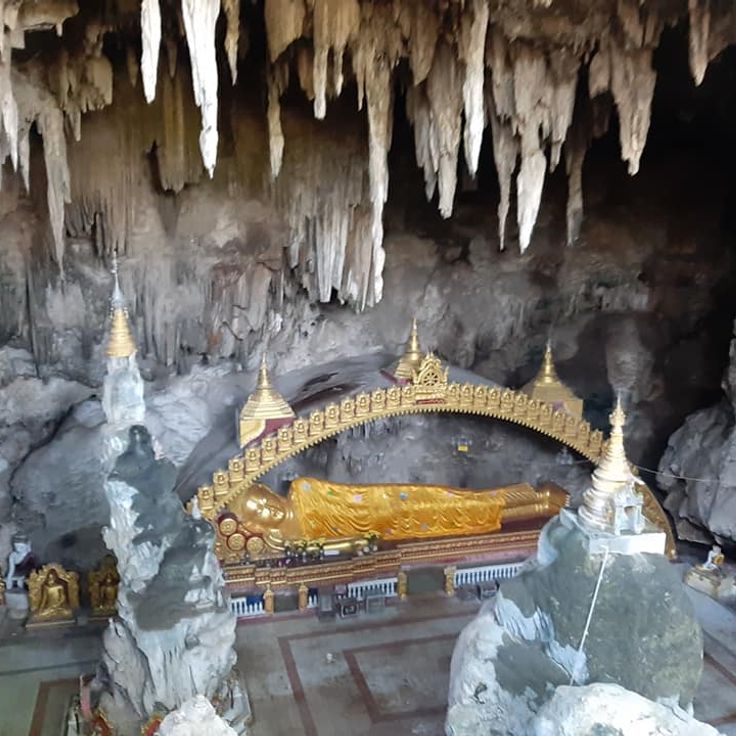
This cave monastery sits within a limestone cliff near Mandalay and houses several Buddha statues and wall paintings. The cave offers photographers shifting light conditions that enter through natural openings in the rock, creating high contrast illumination across interior spaces. Monks use the site regularly for religious practices, providing opportunities for documentary photography of daily routines.
This colossal reclining Buddha stretches 590 feet (180 meters) in length and documents the region's contemporary religious commitment, while its setting offers perspectives across the surrounding hills. Photographers can capture the monument's proportions and explore the relationship between this modern creation and the landscape around Mawlamyine.
The Shwedagon Pagoda rises 325 feet (99 meters) above Yangon, its gilded dome forming the most recognizable point in the city skyline. This 6th-century Buddhist temple complex contains shrines, statues and bells distributed across its extensive grounds. Photographers work from dawn through evening, when lighting brings out the golden surfaces and silhouettes the architecture against the sky. The surrounding terraces provide varied perspectives on the central stupa and the urban landscape beyond.
This archaeological zone in Mandalay comprises over two thousand Buddhist temples and stupas from the 11th to 13th centuries, spread across a wide plain along the Irrawaddy River. Photographers will find a rich variety of subjects: terracotta-colored brick temples set against palm groves, gilded stupas emerging from morning mist, and expansive views from elevated vantage points. Different lighting conditions throughout the day highlight the varied architectural styles and proportions of the structures, while the surrounding landscape provides a natural frame for architectural compositions.
Inle Lake in Myanmar draws photographers through its floating villages and gardens that rest on the water. Local fishermen use a traditional one-leg rowing technique that is frequently photographed. The lake stretches 14 miles (22 kilometers) long and offers numerous subjects including stilt houses, markets and pagodas along the shore. Early morning hours provide soft light over the water. This lake allows documentation of daily life on the water and shows a functioning community that has existed on this freshwater lake for generations.
This teak footbridge spans Taungthaman Lake and provides photographers with changing light conditions throughout the day. U Bein Bridge extends 1,200 feet (1.2 kilometers) and connects both shores of the lake. Fishermen work in the shallow water while monks and locals cross the wooden structure. Various positions along the shore allow different perspectives of the bridge and its reflection in the water, particularly during early morning and late afternoon hours.
Kandawgyi Lake in Yangon provides clear reflections of the Shwedagon Pagoda on its water surface, creating opportunities for landscape and architectural photography. The man-made lake sits in the heart of the city and is surrounded by a waterfront promenade that offers various angles on the gilded pagoda. Early morning and late afternoon light conditions enhance the reflections and add depth to photographs.
This town in Kayin State sits surrounded by karst mountains and provides access to several caves, including Kawgun and Sadan. Photographers will find opportunities to document the landscape along the Thanlwin River, which winds through the region. Nearby rice paddies and small villages show rural life in Myanmar. The area offers changing light conditions during morning and evening hours, when the sun illuminates the limestone formations.
This expansive coastal stretch offers pale sand, calm waters and traditional fishing boats returning at dawn and dusk. The beach extends for several miles, providing opportunities to photograph palm groves, local fishermen at work and daily life in the coastal villages. Morning hours deliver clear light for landscape work, while late afternoons cast warm tones across the Andaman Sea.
Mount Popa rises as an extinct volcano to 5,000 feet (1,518 meters) above sea level, dominating the arid plains of Bagan. Taung Kalat, a volcanic plug standing 2,417 feet (737 meters) tall, sits directly adjacent and supports a monastery reached by 777 steps. Photographers find compositions of pilgrims ascending the steep stairway, along with panoramic views of the surrounding landscape at sunrise. The combination of religious architecture and geological formation offers both documentary and visual opportunities for portraying belief and nature in Myanmar.
The Sule Pagoda rises from central Yangon as an active religious landmark whose gilded stupa has shaped the city's skyline for over two millennia. The octagonal structure houses Buddhist relics and serves as a gathering place for worshippers and an architectural reference point. Photographers document the golden dome against modern urban architecture, the interplay of natural and artificial light on gilded surfaces, and the ceremonies and daily life that unfold around this religious center. Its central location allows various photographic perspectives from surrounding streets and buildings.
Kuthodaw Pagoda presents Buddhist teachings on 729 white marble slabs, each housed in individual stupas. The complex was built in the mid-19th century under King Mindon and is considered the world's largest book. Photographers find geometric compositions through the symmetrical arrangement of the small shrines, while early morning light illuminates the marble surfaces and casts long shadows between the rows.
Ananda Temple in Bagan dates from the 12th century and ranks among the most important religious structures in the region. Its four gilded spires rise above a cruciform floor plan with four monumental Buddha statues positioned along the cardinal axes. The architecture combines Mon and Indian influences, displaying detailed stonework on facades and porticos. Photographers find subjects from sunrise through sunset as light transforms the gilded surfaces into shifting tones. The temple remains an active place of worship with regular ceremonies and pilgrims, offering additional documentary perspectives.
This temple houses a revered Buddha image that has been entirely covered with gold leaf by devotees. The centuries-old practice of applying gold has concealed the original contours beneath a thick layer. Photographers document the morning rituals when male pilgrims add more gold leaf, as well as the ceremonies in the main shrine. The surrounding temple complex includes several buildings and bronze statues brought from the Arakan Kingdom.
This war cemetery commemorates soldiers who died during World War II in Myanmar and features rows of white headstones set across maintained lawns. The site documents the region's military history and provides clear sightlines for photographic compositions. Morning light emphasizes the symmetrical arrangement of graves and memorial stones.
This sacred site features a large gilded boulder that appears to balance on the edge of a cliff, resting on a smaller rock. Pilgrims apply gold leaf, which has covered the surface of the boulder over centuries. The location offers photographers shots at different light conditions, especially at sunrise and sunset when the gilded rock glows against the sky.
The Hsinbyume Pagoda in Mandalay presents a white, multi-tiered structure modeled after the mythical Mount Meru. The symmetrical terraces and undulating balconies offer photographers opportunities to document architectural details and religious symbolism. Light reflects off the white surfaces, creating changing contrasts throughout the day.
The Pindaya Caves hold more than eight thousand Buddha statues left by pilgrims over the centuries inside limestone chambers, with many figures gilded and displaying local craftsmanship, while the main cavern is reached via a covered walkway and offers photographers both the devotional setting and the sheer quantity of statues as subjects to document.
Maha Bandula Park offers photographers opportunities to document the Independence Monument and surrounding colonial buildings in central Yangon. The green space serves as a gathering point for locals and shows everyday urban life, while the historical structures reflect the city's colonial past.
This site contains nearly 2,500 individual stupas in Shan State and offers photographers an exceptional subject with its densely packed towers of varying heights and states of preservation. The Kakku Pagodas display different architectural styles spanning several centuries and are maintained by the local Pa-O community. The best lighting for photography occurs during early morning or late afternoon hours, when the light emphasizes the ornate details and dense arrangement of the structures.
This lake reflects the U Bein Bridge and the surrounding nature at sunset. The calm water amplifies the silhouettes of the wooden structure and trees as the light shifts. Photographers position themselves along the shores to capture the reflections and the movements of people crossing the bridge. The best time to photograph is late afternoon when sunlight bathes the scene in warm tones and emphasizes the contrasts between water, sky and bridge.
Sandamuni Pagoda combines a central gilded stupa with more than seven hundred smaller white shrines arranged in regular rows, creating a geometric pattern. Each shrine houses a marble slab inscribed with Buddhist texts. The architectural ensemble offers photographers opportunities to capture the symmetrical layout and contrasts between the golden and white structures. The site documents Myanmar's religious traditions through its architecture and arrangement.
Mawlamyaing offers photographers the chance to document colonial buildings from the nineteenth century that line broad avenues throughout the city. The town sits along the Thanlwin River and provides opportunities to capture the waterway under different light conditions. Monasteries on surrounding hills open perspectives across the urban center and the river landscape. Markets, street scenes and traditional workshops document daily life in a port town of approximately 300000 residents.
This garden in the capital features a variety of fountains and waterfalls suitable for daytime and evening photography. At night, a light and water show presents choreographed sequences that provide photographers with dynamic subjects for long exposure work. The grounds include several landscaped sections with different fountain designs, offering varied composition opportunities throughout the site.
This mountain range rises to 10,000 feet (3,053 meters) in western Myanmar and forms an ecological transition between South Asian and Southeast Asian landscapes. The dense forests shelter numerous bird and plant species, including endemic rhododendrons and orchids. Photographers document fog formations rising between the forested slopes and the terraced villages of the Chin people. The best views require several hours of hiking along narrow trails through different vegetation zones. Limited infrastructure keeps the region less visited than other mountain areas in the country.
Botataung Pagoda stands on the eastern bank of the Yangon River and houses Buddha relics within its hollow structure. The temple was rebuilt after World War II and allows visitors to walk through gilded corridors lit from within. Its riverside location provides perspectives on river traffic and the urban skyline. Photographers will find subjects in religious ceremonies, architectural details of the golden facades, and the contrast between spiritual space and urban surroundings.
The Gokteik Viaduct spans a deep gorge in Shan State and dates back to British colonial times. Built in the early 20th century, this railway bridge connects key settlements across the region. Photographers document the steel structure against forested mountain slopes and capture trains crossing at considerable height above the ravine. Morning hours provide favorable light for photographing both the bridge construction and surrounding terrain.
The Monywa area contains one of the world's tallest standing Buddha statues and one of the largest reclining Buddhas. The 423-foot (129-meter) Laykyun Sekkya statue rises above the landscape and provides photographers with a commanding subject. The 295-foot (90-meter) reclining Buddha sits nearby and features detailed decoration. Both monuments draw visitors through their scale and their role in Myanmar's religious life.
This rock pillar in Mon State supports a pagoda on its summit, reached by a demanding climb. Kyauktalon Taung rises from the surrounding landscape and offers photographers sweeping views across the plains and hills of the region. The natural stone formation and religious structure together create a distinctive subject, particularly during early morning or before sunset when the light is favorable.
The royal palace in Mandalay was built by the last Burmese monarchy and displays traditional wooden architecture with multiple halls, pavilions and cultural exhibitions. Photographers find geometric structures, carved details and the compound within the fortress walls that document the historical heritage.
This cave in Kayin State forms an extensive underground system with several lakes and Buddhist statues in the adjacent areas. Photographers find various subjects here, from rock formations to water reflections and religious sculptures that document the spiritual heritage of the region and offer insights into local culture.
Amarapura is a former royal capital located south of Mandalay, known for its historic monastery complexes and traditional silk weaving that has been practiced here for generations. The town sits along the shore of Taungthaman Lake and offers photographers insight into religious life and local craftsmanship. The 200-year-old U Bein Bridge, constructed from teak wood, connects the shore to the village opposite and is crossed daily by monks and local residents. In weaving workshops, craftsmen produce longyis and other textiles on hand-operated looms, while monasteries such as Mahagandayon house and educate hundreds of monks.
The Shittaung Pagoda in Mrauk U dates to the 16th century and contains a maze of narrow passages and chambers lined with over 80,000 stone reliefs depicting Buddhist themes. Photographers document the intricate carvings in low light, the vaulted corridors and the exterior architecture with its distinctive stupas. Access to the complex is through multiple entrances, with some areas requiring permission to enter.
This pagoda sits on a small island near Syriam and can only be reached by boat. At high tide, the structure appears to float on the water, offering photographers different perspectives and lighting conditions. The architecture displays typical features of Buddhist religious buildings in the region. Visitors find subjects that document the relationship between religious heritage and natural surroundings. The boat approach allows for photographs during the crossing.
This bridge spanning the Thanlwin River at Mawlamyine connects the two cities on opposite banks and offers photographers views of river traffic, the surrounding mountains and daily life along the waterway, one of the region's main transportation arteries.
Lawkananda Pagoda stands on the eastern bank of the Irrawaddy River and provides clear sightlines across the water and toward the Bagan plains. King Anawrahta commissioned this stupa in the 11th century, and its riverside position makes it a useful location for photographers capturing river traffic, sunrises, and the silhouettes of distant temples. The raised platform allows unobstructed views, especially during early morning hours when light falls softly across the water.
This cave monastery sits within a limestone cliff near Mandalay and houses several Buddha statues and wall paintings. The cave offers photographers shifting light conditions that enter through natural openings in the rock, creating high contrast illumination across interior spaces. Monks use the site regularly for religious practices, providing opportunities for documentary photography of daily routines.
This colossal reclining Buddha stretches 590 feet (180 meters) in length and documents the region's contemporary religious commitment, while its setting offers perspectives across the surrounding hills. Photographers can capture the monument's proportions and explore the relationship between this modern creation and the landscape around Mawlamyine.
The Shwedagon Pagoda rises 325 feet (99 meters) above Yangon, its gilded dome forming the most recognizable point in the city skyline. This 6th-century Buddhist temple complex contains shrines, statues and bells distributed across its extensive grounds. Photographers work from dawn through evening, when lighting brings out the golden surfaces and silhouettes the architecture against the sky. The surrounding terraces provide varied perspectives on the central stupa and the urban landscape beyond.
This archaeological zone in Mandalay comprises over two thousand Buddhist temples and stupas from the 11th to 13th centuries, spread across a wide plain along the Irrawaddy River. Photographers will find a rich variety of subjects: terracotta-colored brick temples set against palm groves, gilded stupas emerging from morning mist, and expansive views from elevated vantage points. Different lighting conditions throughout the day highlight the varied architectural styles and proportions of the structures, while the surrounding landscape provides a natural frame for architectural compositions.
Inle Lake in Myanmar draws photographers through its floating villages and gardens that rest on the water. Local fishermen use a traditional one-leg rowing technique that is frequently photographed. The lake stretches 14 miles (22 kilometers) long and offers numerous subjects including stilt houses, markets and pagodas along the shore. Early morning hours provide soft light over the water. This lake allows documentation of daily life on the water and shows a functioning community that has existed on this freshwater lake for generations.
This teak footbridge spans Taungthaman Lake and provides photographers with changing light conditions throughout the day. U Bein Bridge extends 1,200 feet (1.2 kilometers) and connects both shores of the lake. Fishermen work in the shallow water while monks and locals cross the wooden structure. Various positions along the shore allow different perspectives of the bridge and its reflection in the water, particularly during early morning and late afternoon hours.
Kandawgyi Lake in Yangon provides clear reflections of the Shwedagon Pagoda on its water surface, creating opportunities for landscape and architectural photography. The man-made lake sits in the heart of the city and is surrounded by a waterfront promenade that offers various angles on the gilded pagoda. Early morning and late afternoon light conditions enhance the reflections and add depth to photographs.
This town in Kayin State sits surrounded by karst mountains and provides access to several caves, including Kawgun and Sadan. Photographers will find opportunities to document the landscape along the Thanlwin River, which winds through the region. Nearby rice paddies and small villages show rural life in Myanmar. The area offers changing light conditions during morning and evening hours, when the sun illuminates the limestone formations.
This expansive coastal stretch offers pale sand, calm waters and traditional fishing boats returning at dawn and dusk. The beach extends for several miles, providing opportunities to photograph palm groves, local fishermen at work and daily life in the coastal villages. Morning hours deliver clear light for landscape work, while late afternoons cast warm tones across the Andaman Sea.
Mount Popa rises as an extinct volcano to 5,000 feet (1,518 meters) above sea level, dominating the arid plains of Bagan. Taung Kalat, a volcanic plug standing 2,417 feet (737 meters) tall, sits directly adjacent and supports a monastery reached by 777 steps. Photographers find compositions of pilgrims ascending the steep stairway, along with panoramic views of the surrounding landscape at sunrise. The combination of religious architecture and geological formation offers both documentary and visual opportunities for portraying belief and nature in Myanmar.
The Sule Pagoda rises from central Yangon as an active religious landmark whose gilded stupa has shaped the city's skyline for over two millennia. The octagonal structure houses Buddhist relics and serves as a gathering place for worshippers and an architectural reference point. Photographers document the golden dome against modern urban architecture, the interplay of natural and artificial light on gilded surfaces, and the ceremonies and daily life that unfold around this religious center. Its central location allows various photographic perspectives from surrounding streets and buildings.
Kuthodaw Pagoda presents Buddhist teachings on 729 white marble slabs, each housed in individual stupas. The complex was built in the mid-19th century under King Mindon and is considered the world's largest book. Photographers find geometric compositions through the symmetrical arrangement of the small shrines, while early morning light illuminates the marble surfaces and casts long shadows between the rows.
Ananda Temple in Bagan dates from the 12th century and ranks among the most important religious structures in the region. Its four gilded spires rise above a cruciform floor plan with four monumental Buddha statues positioned along the cardinal axes. The architecture combines Mon and Indian influences, displaying detailed stonework on facades and porticos. Photographers find subjects from sunrise through sunset as light transforms the gilded surfaces into shifting tones. The temple remains an active place of worship with regular ceremonies and pilgrims, offering additional documentary perspectives.
This temple houses a revered Buddha image that has been entirely covered with gold leaf by devotees. The centuries-old practice of applying gold has concealed the original contours beneath a thick layer. Photographers document the morning rituals when male pilgrims add more gold leaf, as well as the ceremonies in the main shrine. The surrounding temple complex includes several buildings and bronze statues brought from the Arakan Kingdom.
This war cemetery commemorates soldiers who died during World War II in Myanmar and features rows of white headstones set across maintained lawns. The site documents the region's military history and provides clear sightlines for photographic compositions. Morning light emphasizes the symmetrical arrangement of graves and memorial stones.
This sacred site features a large gilded boulder that appears to balance on the edge of a cliff, resting on a smaller rock. Pilgrims apply gold leaf, which has covered the surface of the boulder over centuries. The location offers photographers shots at different light conditions, especially at sunrise and sunset when the gilded rock glows against the sky.
The Hsinbyume Pagoda in Mandalay presents a white, multi-tiered structure modeled after the mythical Mount Meru. The symmetrical terraces and undulating balconies offer photographers opportunities to document architectural details and religious symbolism. Light reflects off the white surfaces, creating changing contrasts throughout the day.
The Pindaya Caves hold more than eight thousand Buddha statues left by pilgrims over the centuries inside limestone chambers, with many figures gilded and displaying local craftsmanship, while the main cavern is reached via a covered walkway and offers photographers both the devotional setting and the sheer quantity of statues as subjects to document.
Maha Bandula Park offers photographers opportunities to document the Independence Monument and surrounding colonial buildings in central Yangon. The green space serves as a gathering point for locals and shows everyday urban life, while the historical structures reflect the city's colonial past.
This site contains nearly 2,500 individual stupas in Shan State and offers photographers an exceptional subject with its densely packed towers of varying heights and states of preservation. The Kakku Pagodas display different architectural styles spanning several centuries and are maintained by the local Pa-O community. The best lighting for photography occurs during early morning or late afternoon hours, when the light emphasizes the ornate details and dense arrangement of the structures.
This lake reflects the U Bein Bridge and the surrounding nature at sunset. The calm water amplifies the silhouettes of the wooden structure and trees as the light shifts. Photographers position themselves along the shores to capture the reflections and the movements of people crossing the bridge. The best time to photograph is late afternoon when sunlight bathes the scene in warm tones and emphasizes the contrasts between water, sky and bridge.
Sandamuni Pagoda combines a central gilded stupa with more than seven hundred smaller white shrines arranged in regular rows, creating a geometric pattern. Each shrine houses a marble slab inscribed with Buddhist texts. The architectural ensemble offers photographers opportunities to capture the symmetrical layout and contrasts between the golden and white structures. The site documents Myanmar's religious traditions through its architecture and arrangement.
Mawlamyaing offers photographers the chance to document colonial buildings from the nineteenth century that line broad avenues throughout the city. The town sits along the Thanlwin River and provides opportunities to capture the waterway under different light conditions. Monasteries on surrounding hills open perspectives across the urban center and the river landscape. Markets, street scenes and traditional workshops document daily life in a port town of approximately 300000 residents.
This garden in the capital features a variety of fountains and waterfalls suitable for daytime and evening photography. At night, a light and water show presents choreographed sequences that provide photographers with dynamic subjects for long exposure work. The grounds include several landscaped sections with different fountain designs, offering varied composition opportunities throughout the site.
This mountain range rises to 10,000 feet (3,053 meters) in western Myanmar and forms an ecological transition between South Asian and Southeast Asian landscapes. The dense forests shelter numerous bird and plant species, including endemic rhododendrons and orchids. Photographers document fog formations rising between the forested slopes and the terraced villages of the Chin people. The best views require several hours of hiking along narrow trails through different vegetation zones. Limited infrastructure keeps the region less visited than other mountain areas in the country.
Botataung Pagoda stands on the eastern bank of the Yangon River and houses Buddha relics within its hollow structure. The temple was rebuilt after World War II and allows visitors to walk through gilded corridors lit from within. Its riverside location provides perspectives on river traffic and the urban skyline. Photographers will find subjects in religious ceremonies, architectural details of the golden facades, and the contrast between spiritual space and urban surroundings.
The Gokteik Viaduct spans a deep gorge in Shan State and dates back to British colonial times. Built in the early 20th century, this railway bridge connects key settlements across the region. Photographers document the steel structure against forested mountain slopes and capture trains crossing at considerable height above the ravine. Morning hours provide favorable light for photographing both the bridge construction and surrounding terrain.
The Monywa area contains one of the world's tallest standing Buddha statues and one of the largest reclining Buddhas. The 423-foot (129-meter) Laykyun Sekkya statue rises above the landscape and provides photographers with a commanding subject. The 295-foot (90-meter) reclining Buddha sits nearby and features detailed decoration. Both monuments draw visitors through their scale and their role in Myanmar's religious life.
This rock pillar in Mon State supports a pagoda on its summit, reached by a demanding climb. Kyauktalon Taung rises from the surrounding landscape and offers photographers sweeping views across the plains and hills of the region. The natural stone formation and religious structure together create a distinctive subject, particularly during early morning or before sunset when the light is favorable.
The royal palace in Mandalay was built by the last Burmese monarchy and displays traditional wooden architecture with multiple halls, pavilions and cultural exhibitions. Photographers find geometric structures, carved details and the compound within the fortress walls that document the historical heritage.
This cave in Kayin State forms an extensive underground system with several lakes and Buddhist statues in the adjacent areas. Photographers find various subjects here, from rock formations to water reflections and religious sculptures that document the spiritual heritage of the region and offer insights into local culture.
Amarapura is a former royal capital located south of Mandalay, known for its historic monastery complexes and traditional silk weaving that has been practiced here for generations. The town sits along the shore of Taungthaman Lake and offers photographers insight into religious life and local craftsmanship. The 200-year-old U Bein Bridge, constructed from teak wood, connects the shore to the village opposite and is crossed daily by monks and local residents. In weaving workshops, craftsmen produce longyis and other textiles on hand-operated looms, while monasteries such as Mahagandayon house and educate hundreds of monks.
The Shittaung Pagoda in Mrauk U dates to the 16th century and contains a maze of narrow passages and chambers lined with over 80,000 stone reliefs depicting Buddhist themes. Photographers document the intricate carvings in low light, the vaulted corridors and the exterior architecture with its distinctive stupas. Access to the complex is through multiple entrances, with some areas requiring permission to enter.
This pagoda sits on a small island near Syriam and can only be reached by boat. At high tide, the structure appears to float on the water, offering photographers different perspectives and lighting conditions. The architecture displays typical features of Buddhist religious buildings in the region. Visitors find subjects that document the relationship between religious heritage and natural surroundings. The boat approach allows for photographs during the crossing.
This bridge spanning the Thanlwin River at Mawlamyine connects the two cities on opposite banks and offers photographers views of river traffic, the surrounding mountains and daily life along the waterway, one of the region's main transportation arteries.
Lawkananda Pagoda stands on the eastern bank of the Irrawaddy River and provides clear sightlines across the water and toward the Bagan plains. King Anawrahta commissioned this stupa in the 11th century, and its riverside position makes it a useful location for photographers capturing river traffic, sunrises, and the silhouettes of distant temples. The raised platform allows unobstructed views, especially during early morning hours when light falls softly across the water.
This cave monastery sits within a limestone cliff near Mandalay and houses several Buddha statues and wall paintings. The cave offers photographers shifting light conditions that enter through natural openings in the rock, creating high contrast illumination across interior spaces. Monks use the site regularly for religious practices, providing opportunities for documentary photography of daily routines.
This colossal reclining Buddha stretches 590 feet (180 meters) in length and documents the region's contemporary religious commitment, while its setting offers perspectives across the surrounding hills. Photographers can capture the monument's proportions and explore the relationship between this modern creation and the landscape around Mawlamyine.