See the monuments around you in AROpen chests in the app
Around Us is built for your phone — point your camera at the streets and discover the monuments and places around you in augmented reality.Around Us is built for your phone — chests unlock when you walk, explore and capture nearby places.
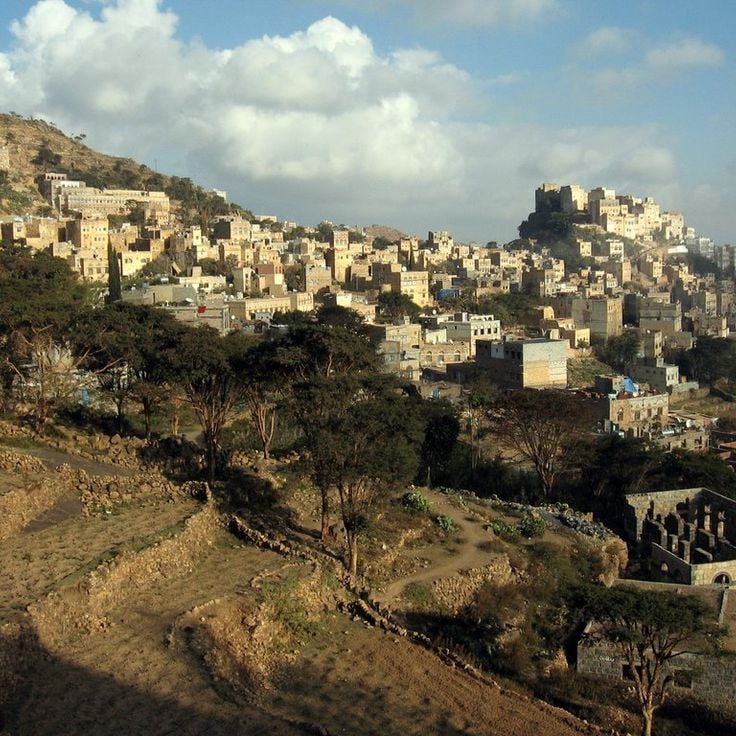
Yemen offers photographers subjects ranging from the ancient mud architecture of Sanaa to volcanic craters and the geological formations of Socotra. The Old City of Sanaa presents multi-story tower houses decorated with white gypsum patterns, while Shibam in Hadhramaut displays mud-brick high-rises dating from the 16th century. The fortress of Kawkaban sits atop a high plateau, the village of Hababah demonstrates traditional mountain architecture, and Shaharah Bridge connects two mountain peaks at an elevation exceeding 8,500 feet (2,600 meters).
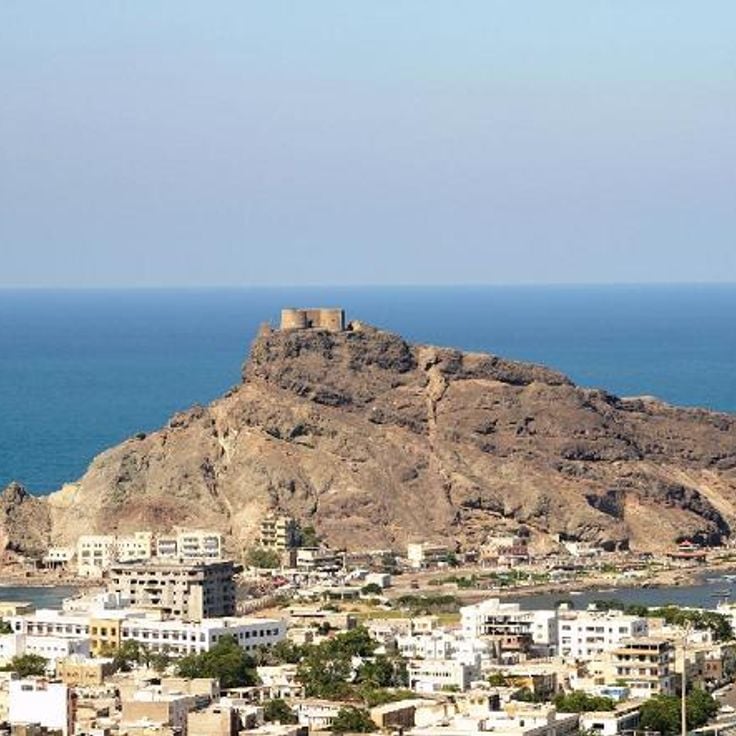
Socotra features Detwah Lagoon, dragon blood trees and limestone caves within its distinct ecosystem. The crater of Haradha Damt is an extinct volcano near Damt, the Marib Dam represents Sabaean engineering from antiquity, and the ruins of Arsh Balqis mark an ancient temple site. Wadi Dawan cuts through Hadhramaut with palm groves and mud villages, Jabal al-Nabi Shu'ayb reaches 12,028 feet (3,666 meters) as the highest peak on the Arabian Peninsula, and Zabid preserves its role as a historic center of Islamic scholarship. Sira Fortress in Aden occupies a volcanic rock above the harbor, Dar al-Hajar in Wadi Dhahr is an 18th-century palace built on a rock outcrop, and Al Saleh Mosque in Sanaa dates from 2008.
Yemen offers photographers subjects ranging from the ancient mud architecture of Sanaa to volcanic craters and the geological formations of Socotra. The Old City of Sanaa presents multi-story tower houses decorated with white gypsum patterns, while Shibam in Hadhramaut displays mud-brick high-rises dating from the 16th century. The fortress of Kawkaban sits atop a high plateau, the village of Hababah demonstrates traditional mountain architecture, and Shaharah Bridge connects two mountain peaks at an elevation exceeding 8,500 feet (2,600 meters).
Socotra features Detwah Lagoon, dragon blood trees and limestone caves within its distinct ecosystem. The crater of Haradha Damt is an extinct volcano near Damt, the Marib Dam represents Sabaean engineering from antiquity, and the ruins of Arsh Balqis mark an ancient temple site. Wadi Dawan cuts through Hadhramaut with palm groves and mud villages, Jabal al-Nabi Shu'ayb reaches 12,028 feet (3,666 meters) as the highest peak on the Arabian Peninsula, and Zabid preserves its role as a historic center of Islamic scholarship. Sira Fortress in Aden occupies a volcanic rock above the harbor, Dar al-Hajar in Wadi Dhahr is an 18th-century palace built on a rock outcrop, and Al Saleh Mosque in Sanaa dates from 2008.
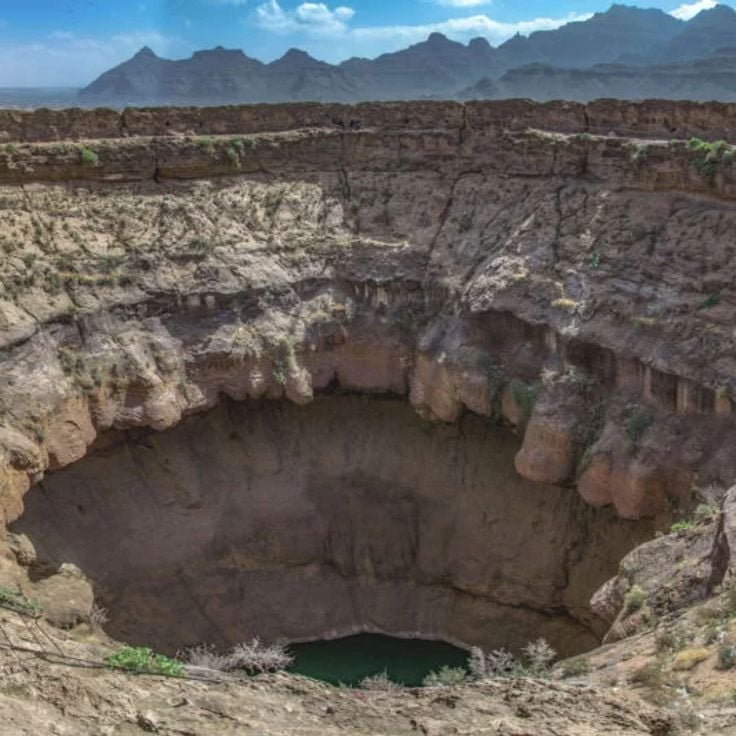
This volcanic crater displays steep rock walls and preserved geological structures that provide photographers in Yemen with compelling subjects. From the crater rim, views extend toward the city of Damt. The formation documents the volcanic history of the region and ranks among the geological features worth capturing in the country.
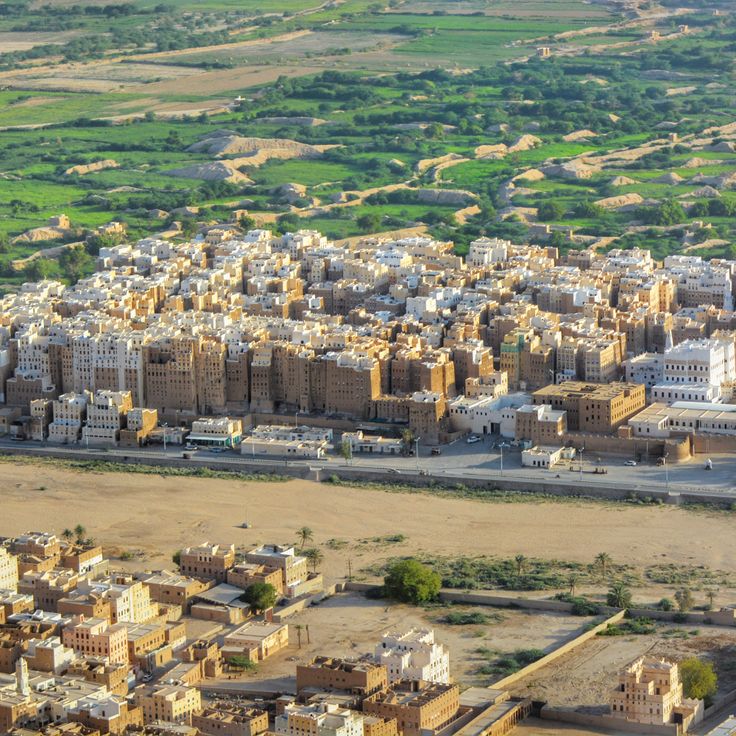
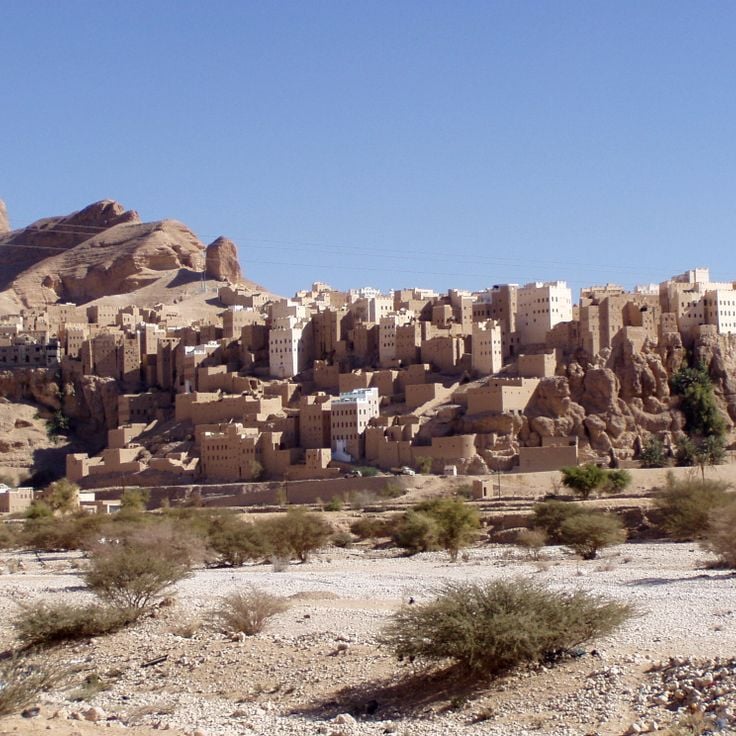
This historical city in Hadramaut consists of multi-story mud buildings constructed in the 16th century, reaching heights of up to eight floors. Shibam offers photographers distinctive vertical structures and mud architecture suitable for capturing at different light conditions, documenting traditional Yemeni building techniques in a concentrated urban setting.
This 17th century stone bridge connects two mountain peaks at 8530 feet (2600 meters) and provides photographers with views of Yemeni mountain architecture. The structure served as a defensive crossing between the rocky summits and now offers opportunities to capture historic engineering against an alpine landscape.
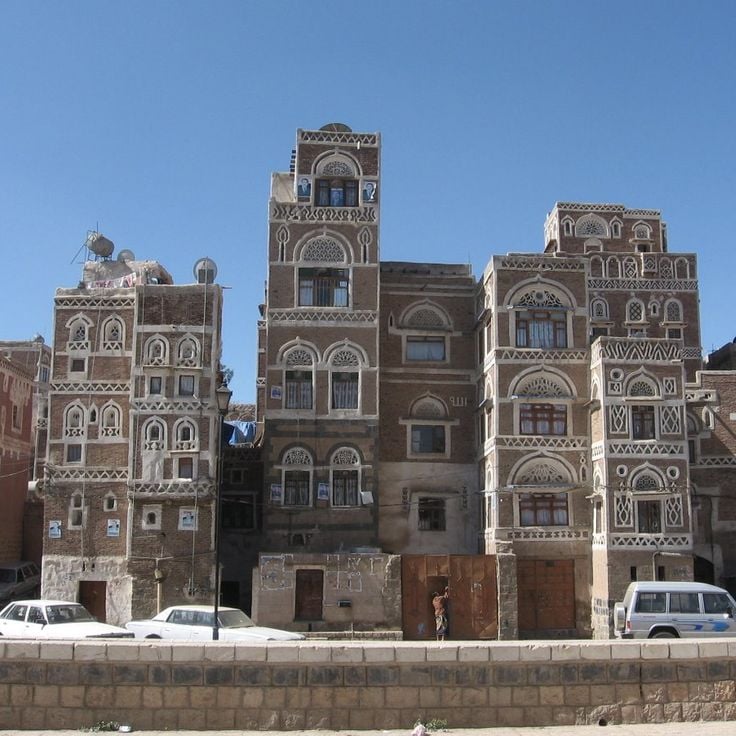
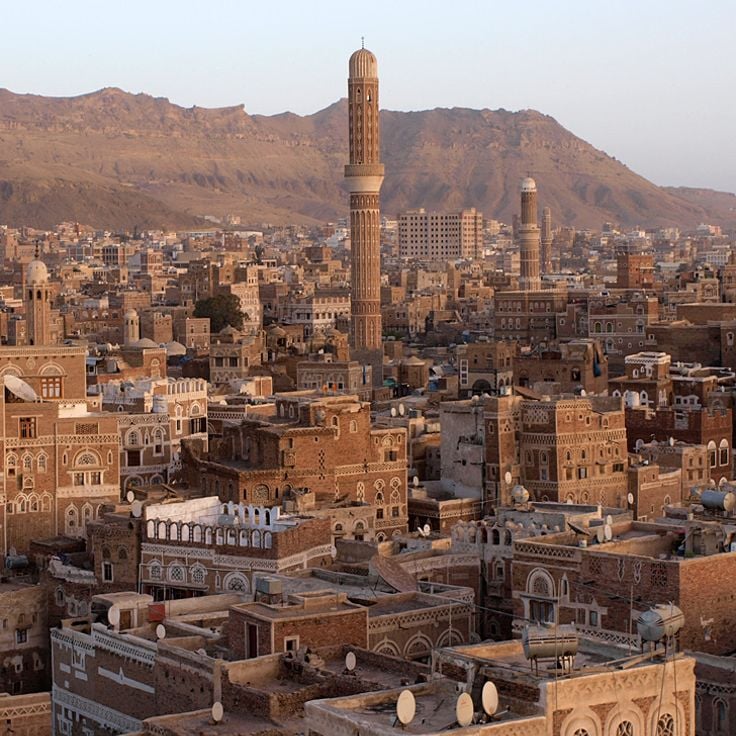
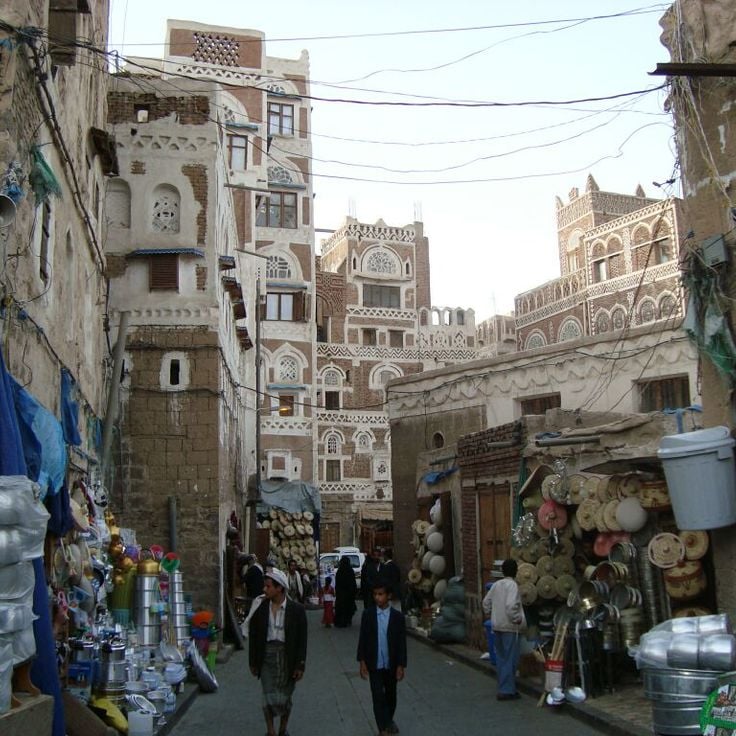
The Old City of Sanaa contains more than 6000 buildings, many dating from the 11th century, constructed from baked brick and decorated with white plaster ornamentation around the windows. This medieval urban center offers photographers examples of Yemeni mud architecture with multi-story tower houses whose distinctive facades and geometric patterns document traditional building techniques of the region. The narrow lanes between the houses create an urban layout that has remained largely unchanged for centuries.
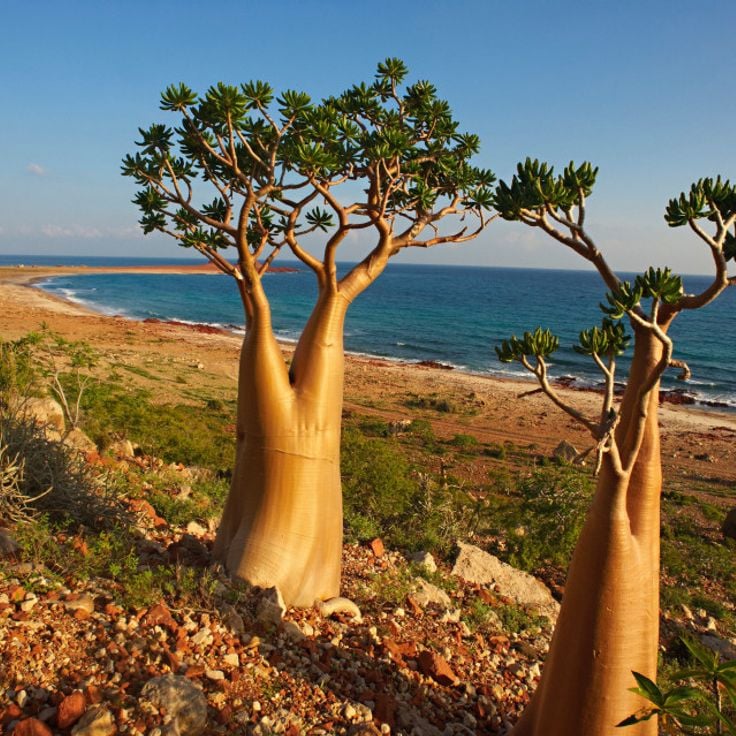
Socotra Island sits in the Indian Ocean and provides photographers with extraordinary plant life including endemic species such as dragon blood trees. The arid terrain supports numerous rare animal species, while the isolated location has led to the development of these distinctive life forms. The landscape includes limestone plateaus, sand dunes and rugged coastal sections.
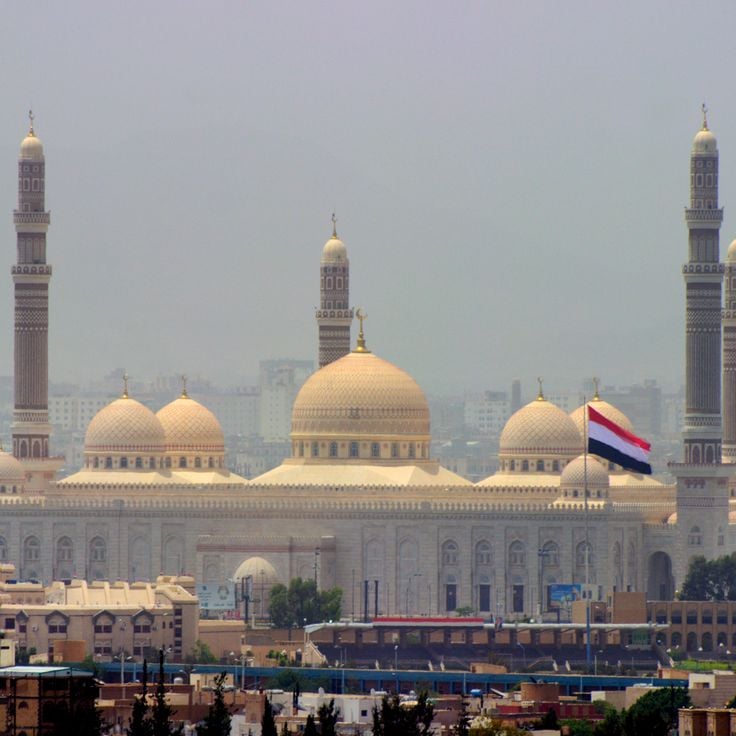
This Sanaa mosque was completed in 2008 and documents contemporary Islamic architecture with six minarets and a large central dome covered in white marble. The complex offers photographers subjects from geometric patterns to courtyards and the dome construction within the context of the old city.
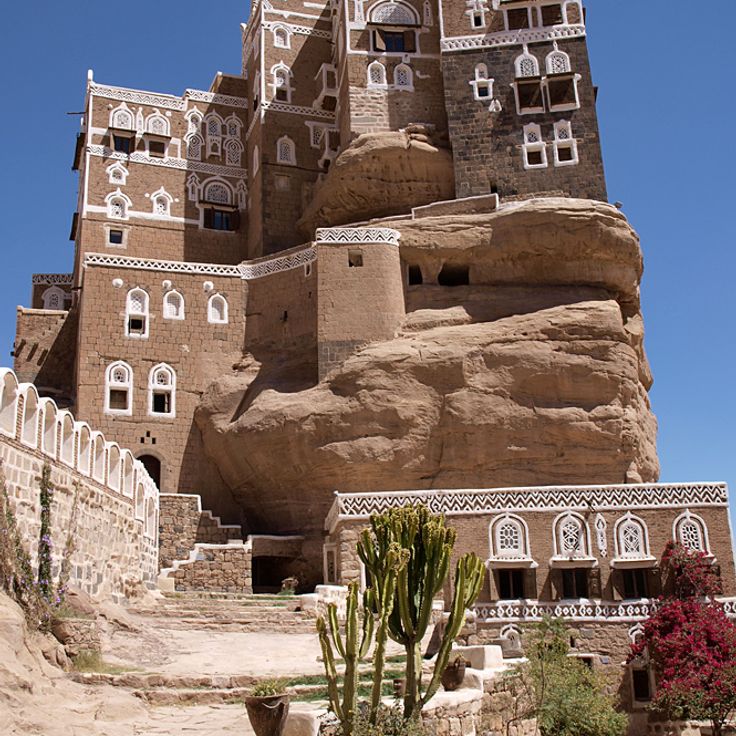
This five-story summer palace rises from a 100-meter (328-foot) granite outcrop in Wadi Dhahr and served as a royal residence during the 20th century, offering photographers dramatic architecture set against the mountainous terrain of Yemen.
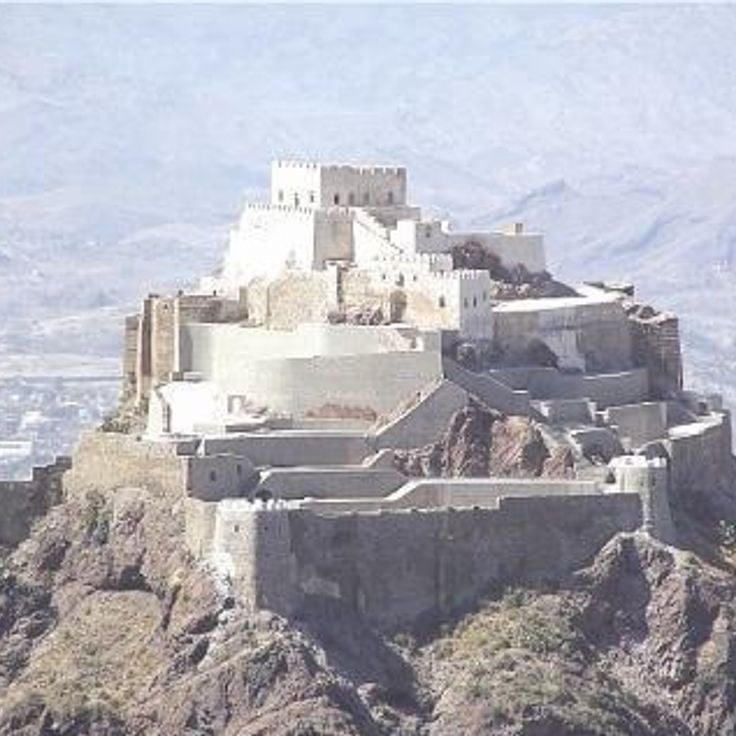
The Taiz Citadel occupies a hillside position above the city and documents Yemeni defensive architecture from the 13th century, its elevated location providing photographers with fortress structures and views across urban Taiz, illustrating the military engineering that once protected the region below.
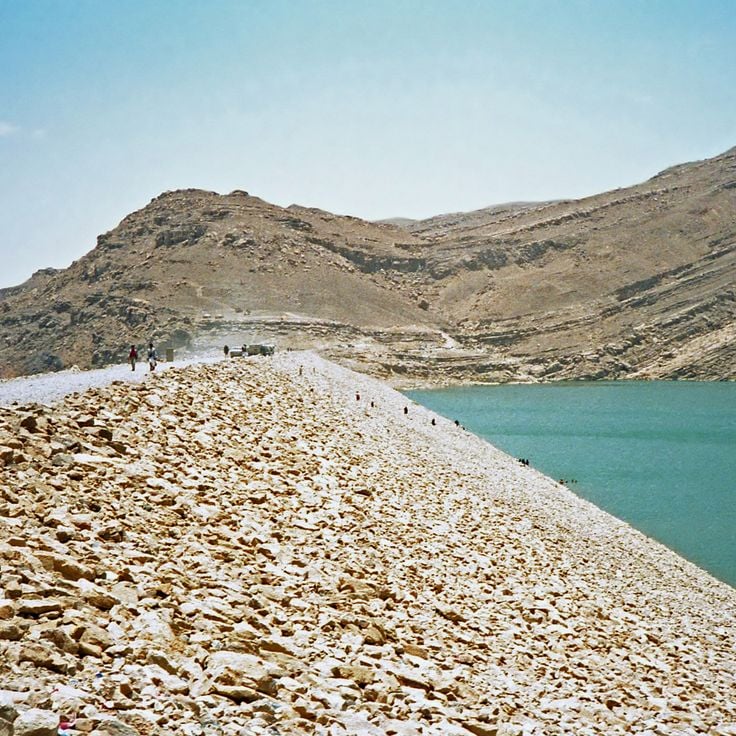
The remains of this water system from the 8th century BCE document the technical capabilities of the Sabaean civilization in oasis irrigation and offer photographers subjects of ancient engineering within the Yemeni desert landscape.
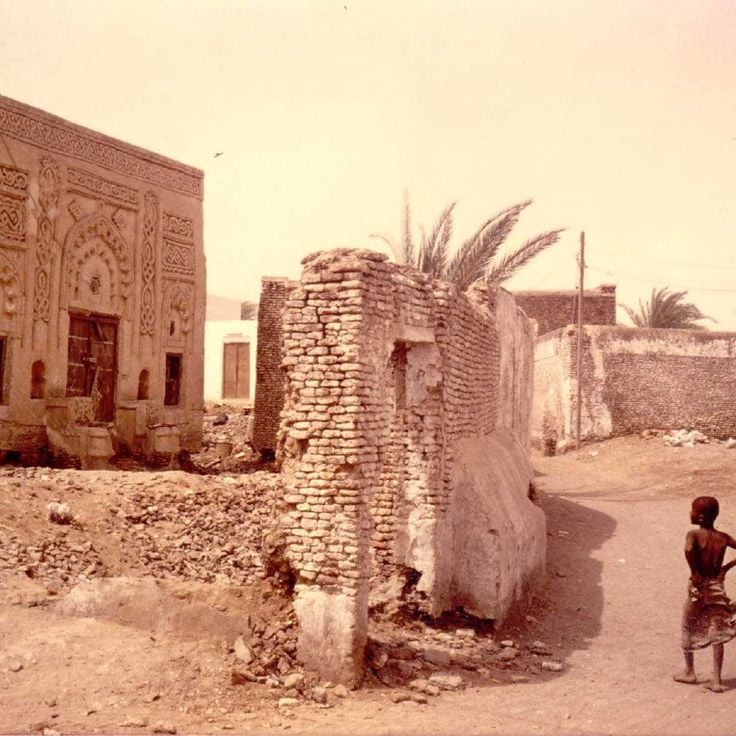
This lowland city served as an important center of Islamic learning until the 15th century. Zabid preserves over 80 mosques and religious schools with brick patterns and whitewashed facades. The mud architecture follows traditional Yemeni style with interior courtyards and carved wooden doors. Photographers document the geometric patterns of minarets and the narrow lanes between multi-story residential buildings.
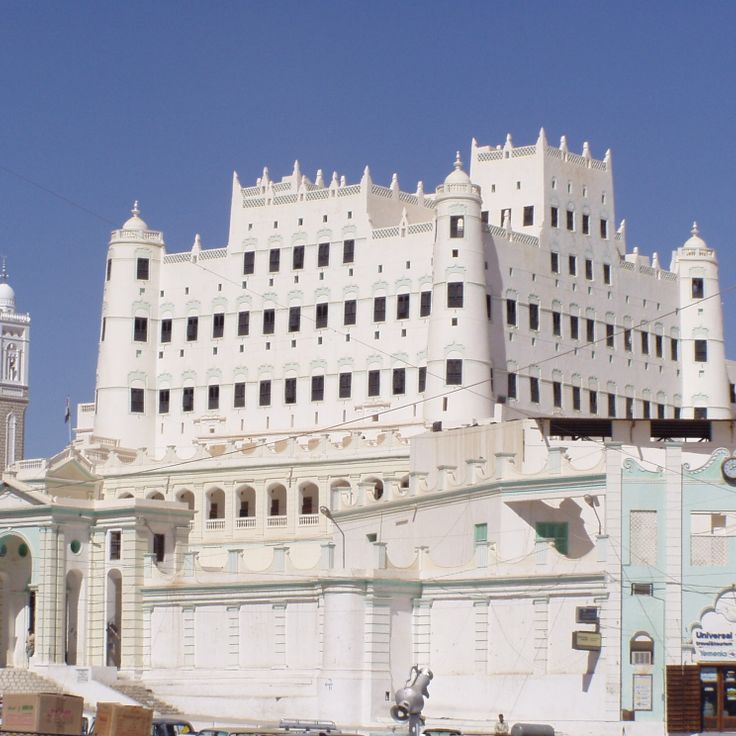
This seven-story royal residence from the 20th century demonstrates Wadi Hadhramaut architecture through mud brick construction and white exterior plaster, offering photographers vertical lines, decorative facade elements and the interplay between the palace structure and surrounding traditional buildings in historic Seiyun.
This Red Sea island offers photographers white sand beaches and clear waters to document the Yemeni coastal landscape. Coral reefs and marine habitats surround the shoreline of Kamaran Island, adding to the capture opportunities of beaches, underwater ecosystems and coastal environments. The beaches extend along the island perimeter, allowing various perspectives on the connection between land and sea in this part of the Red Sea.
This mountain range rises to 6560 feet (2000 meters) above sea level and provides photographers with a combination of terraced coffee plantations and natural vegetation. The trails pass through cultivated slopes and forested sections that offer contrasting subjects for documenting Yemeni highland agriculture and ecosystems.
This 11th century mountain fortress stands on a 1,716-foot (523-meter) rock formation overlooking the natural harbor of Aden. The Sira Fortress offers photographers shots of the historic fortifications, harbor panoramas and geological structures of the volcanic rock in a region known for its combination of military architecture and coastal landscapes.
This mountain village in the Haraz Mountains features traditional stone dwellings built at 7,500 feet (2,300 meters) elevation with multistory construction and decorated windows. The structures date from the 16th century and demonstrate regional building methods adapted to steep terrain. Manakhah Village lies approximately 62 miles (100 kilometers) west of Sanaa and offers photographers opportunities to document Yemeni highland architecture and the surrounding terraced landscape within a preserved historical context.
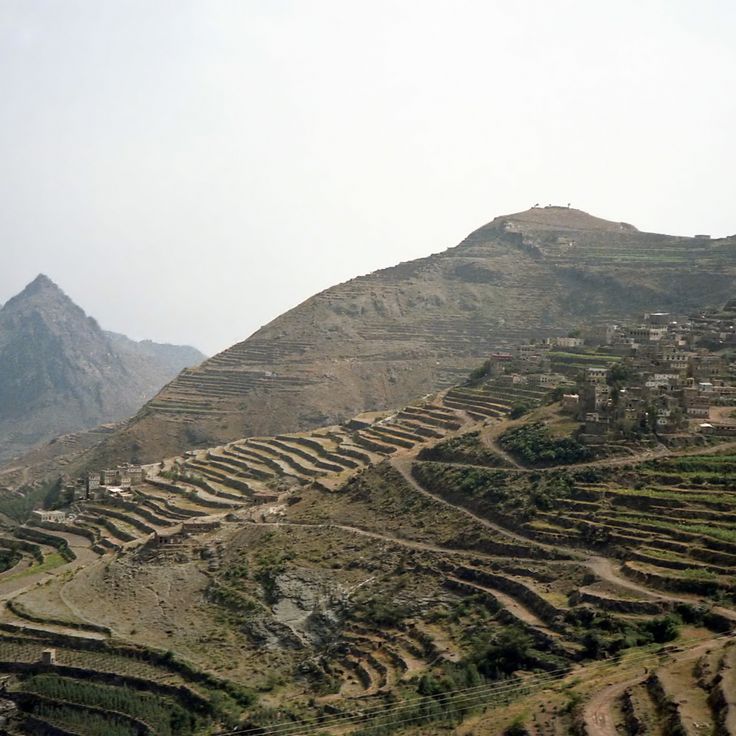
This mountain settlement sits at 6500 feet (2000 meters) elevation and provides a natural photography subject for Yemen travelers documenting traditional agriculture. Al-Mahwit Town is surrounded by cultivation terraces where farmers grow coffee and grain crops, while the altitude creates a temperate climate that differs markedly from lower regions.
Jabal Haraz is a mountain region featuring agricultural terraces and historic settlements dating from the 12th century with traditional mud brick architecture. The mountains allow photographers to document Yemeni mountain construction and highland land use, while the settlements display examples of local building traditions practiced in this remote area for centuries.
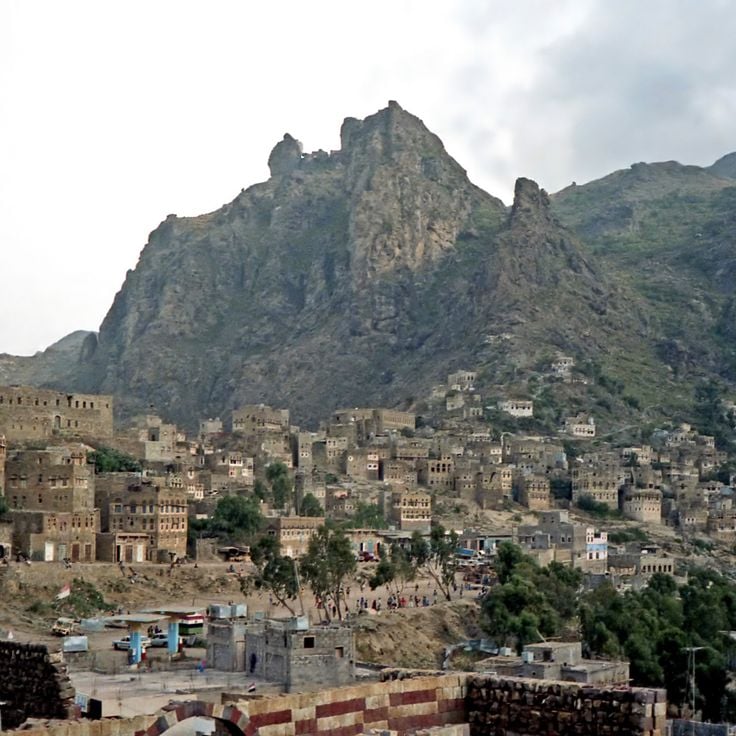
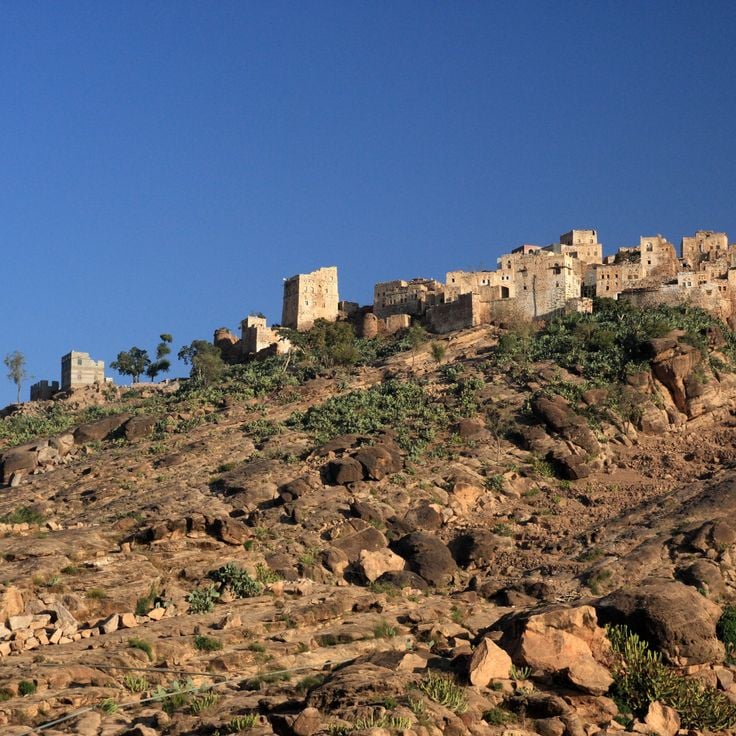
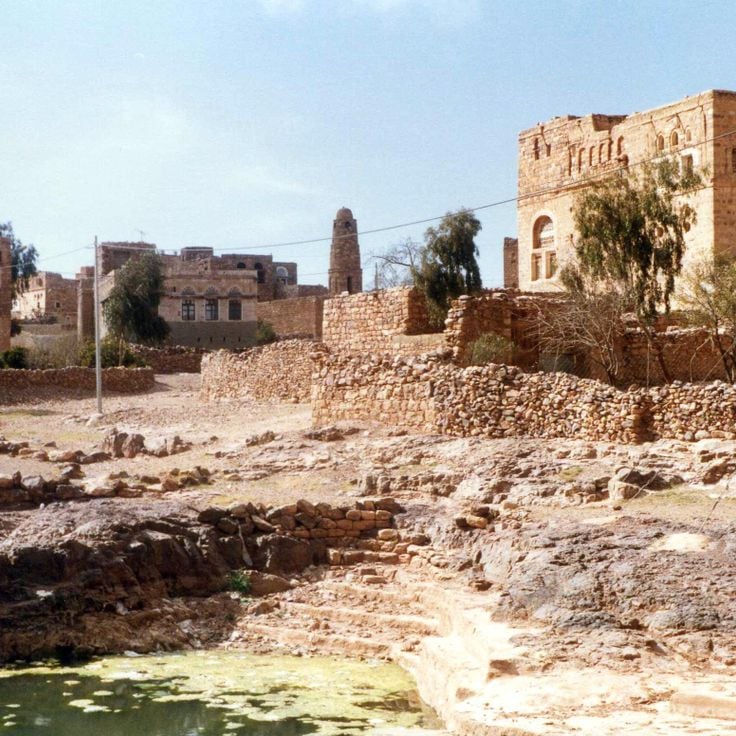
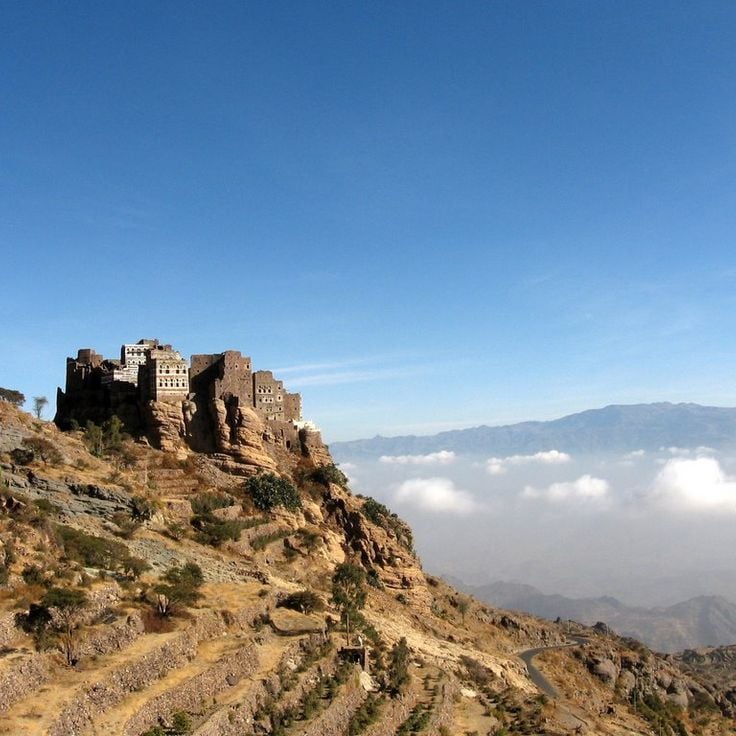
This mountain settlement on the western highland escarpment features multi-story houses built directly into the rock face and stone water reservoirs dating from the 12th century. Hababah provides photographers with subjects of traditional Yemeni highland construction, natural rock formations and historical water management architecture.
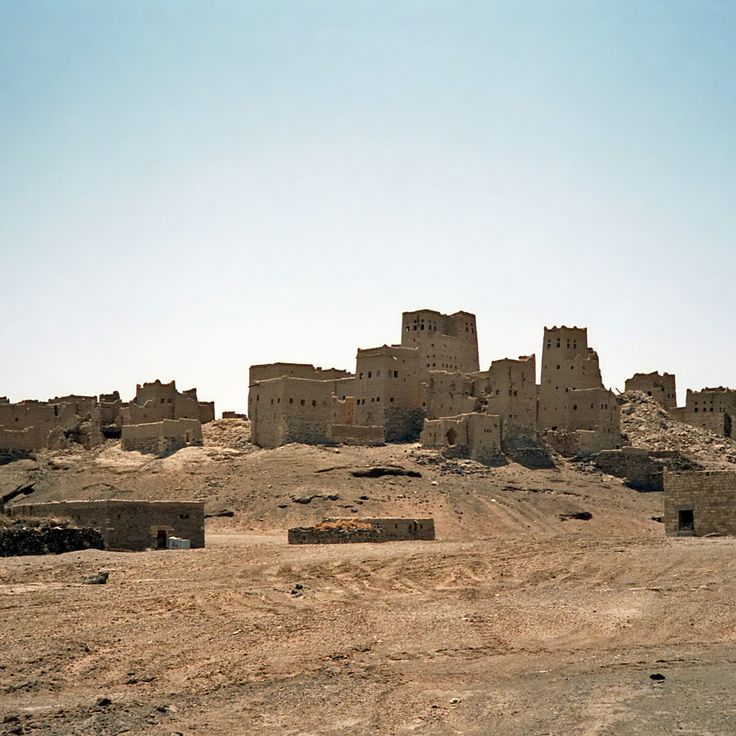
These ruins document the Sabaean civilization through temples, palaces and irrigation networks built between 800 BCE and 275 CE. The remains of Old Ma'rib demonstrate the engineering capabilities of a kingdom that controlled frankincense trade routes and developed complex hydraulic systems across the desert.
This coastal promenade extends several miles along the Arabian Sea and presents photographers with subjects ranging from traditional fishing boats in the harbor to waterfront restaurants and the interaction between urban architecture and maritime activity. Al Mukalla Waterfront documents Yemeni coastal life between fishing traditions and urban development along one of the country's principal harbors.
Kawkaban stands at 2,800 meters (9,200 feet) and documents traditional Yemeni mountain architecture with 8th century fortifications integrated directly into rock formations. This settlement provides photographers with subjects including historical defense structures and stone-built houses that demonstrate adaptation to extreme elevation.
The Ghumdan Palace Ruins date to the 3rd century and were once a twenty-story building complex with massive stone walls and decorated elements. This historical site in Sanaa offers photographers insights into Yemeni architecture and documents the construction methods of an early civilization on the Arabian Peninsula.
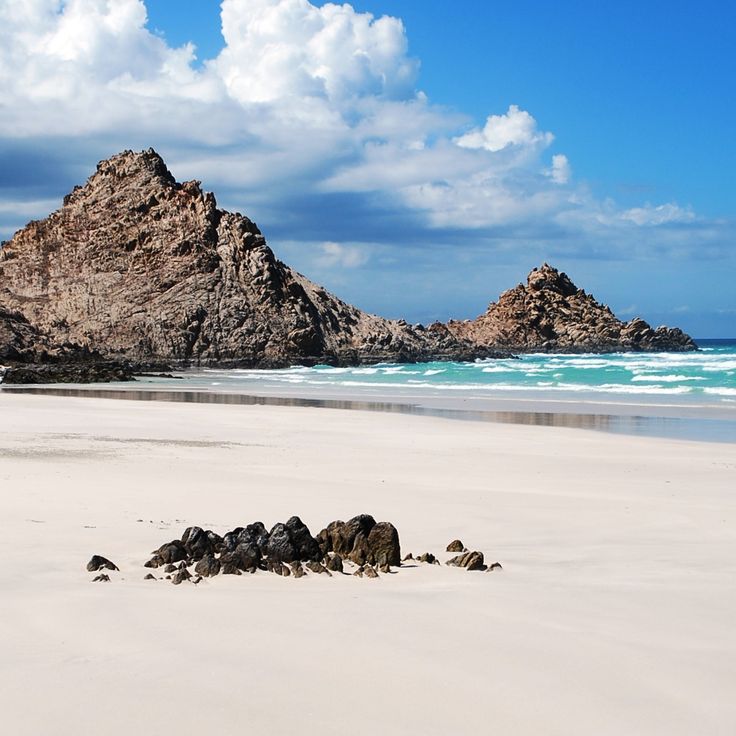
This natural bay on Socotra offers photographers white sand beaches, limestone cliffs and turquoise shallow waters where fishermen apply traditional methods. Detwah Lagoon combines geological formations with daily scenes from coastal life and fits into the diversity of Yemeni landscape subjects, from volcanic craters to mountain fortresses.
Jabal al-Nabi Shu'ayb rises to 12,028 feet (3,666 meters) as the highest point on the Arabian Peninsula. This mountain in the Yemeni Highlands provides photographers access to terraced mountain slopes, traditional architecture in mountain villages and expansive views across surrounding ranges that document the region's volcanic heritage.
Wadi Dawan extends through mountain ranges with traditional mud buildings, agricultural terraces and date palm groves along the wadi, offering photographers subjects of ancient architecture in the arid landscape of Hadhramaut. The multistory mud structures and terraced fields create contrasts against the dry mountain slopes, while palm groves mark the watercourses of the wadi.
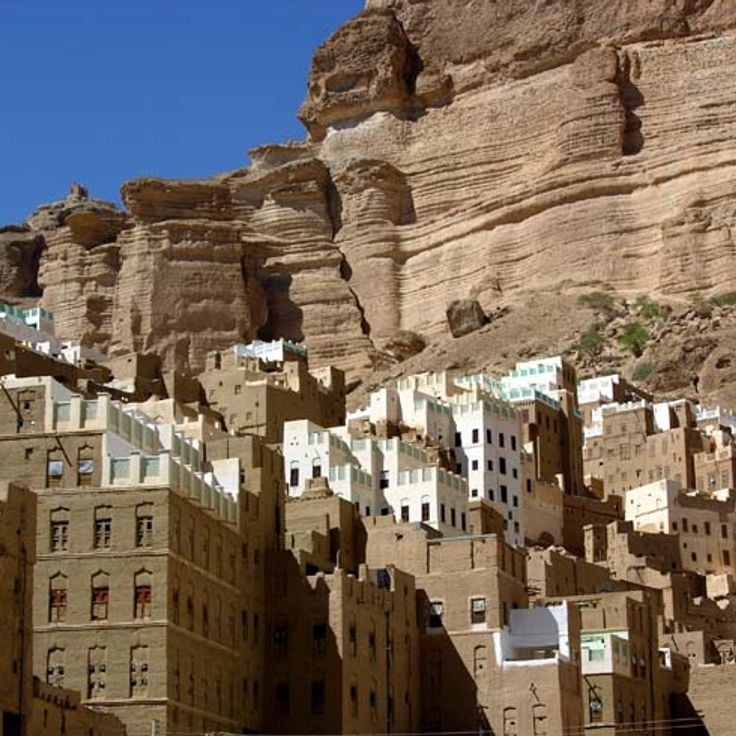
This historic settlement sits between steep rock walls in the Hadhramaut Valley and displays traditional Yemeni mud architecture with multistory residential buildings, narrow lanes and local structures typical of the region. The connection between natural geology and urban form provides photographers with varied perspectives on architecture and landscape.
This monumental gate structure from the 16th century marks the northern entrance to Old Sanaa and presents characteristic elements of Yemeni architecture. The Bawabat Al-Yaman Grand Gate offers photographers opportunities to capture traditional stonework, geometric decorations and the urban fabric of the historic city.
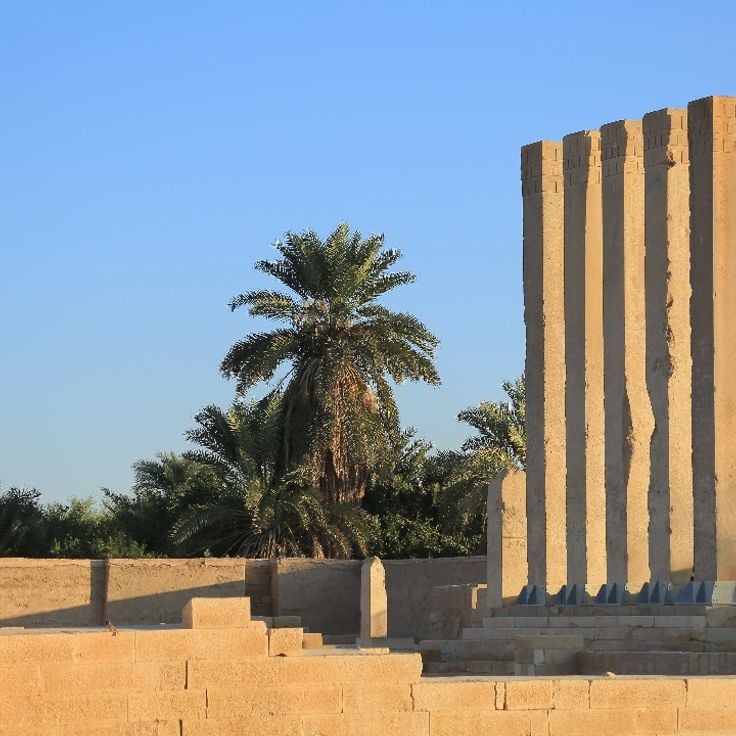
Arsh Balqis presents photographers with architectural elements from the 8th century BCE that document Sabaean civilization. This ancient temple complex in Marib displays stone reliefs, religious inscriptions and column remnants that illustrate early South Arabian construction. The complex offers views of weathered foundations and altar structures within the Yemeni desert landscape.
This volcanic crater displays steep rock walls and preserved geological structures that provide photographers in Yemen with compelling subjects. From the crater rim, views extend toward the city of Damt. The formation documents the volcanic history of the region and ranks among the geological features worth capturing in the country.
This historical city in Hadramaut consists of multi-story mud buildings constructed in the 16th century, reaching heights of up to eight floors. Shibam offers photographers distinctive vertical structures and mud architecture suitable for capturing at different light conditions, documenting traditional Yemeni building techniques in a concentrated urban setting.
This 17th century stone bridge connects two mountain peaks at 8530 feet (2600 meters) and provides photographers with views of Yemeni mountain architecture. The structure served as a defensive crossing between the rocky summits and now offers opportunities to capture historic engineering against an alpine landscape.
The Old City of Sanaa contains more than 6000 buildings, many dating from the 11th century, constructed from baked brick and decorated with white plaster ornamentation around the windows. This medieval urban center offers photographers examples of Yemeni mud architecture with multi-story tower houses whose distinctive facades and geometric patterns document traditional building techniques of the region. The narrow lanes between the houses create an urban layout that has remained largely unchanged for centuries.
Socotra Island sits in the Indian Ocean and provides photographers with extraordinary plant life including endemic species such as dragon blood trees. The arid terrain supports numerous rare animal species, while the isolated location has led to the development of these distinctive life forms. The landscape includes limestone plateaus, sand dunes and rugged coastal sections.
This Sanaa mosque was completed in 2008 and documents contemporary Islamic architecture with six minarets and a large central dome covered in white marble. The complex offers photographers subjects from geometric patterns to courtyards and the dome construction within the context of the old city.
This five-story summer palace rises from a 100-meter (328-foot) granite outcrop in Wadi Dhahr and served as a royal residence during the 20th century, offering photographers dramatic architecture set against the mountainous terrain of Yemen.
The Taiz Citadel occupies a hillside position above the city and documents Yemeni defensive architecture from the 13th century, its elevated location providing photographers with fortress structures and views across urban Taiz, illustrating the military engineering that once protected the region below.
The remains of this water system from the 8th century BCE document the technical capabilities of the Sabaean civilization in oasis irrigation and offer photographers subjects of ancient engineering within the Yemeni desert landscape.
This lowland city served as an important center of Islamic learning until the 15th century. Zabid preserves over 80 mosques and religious schools with brick patterns and whitewashed facades. The mud architecture follows traditional Yemeni style with interior courtyards and carved wooden doors. Photographers document the geometric patterns of minarets and the narrow lanes between multi-story residential buildings.
This seven-story royal residence from the 20th century demonstrates Wadi Hadhramaut architecture through mud brick construction and white exterior plaster, offering photographers vertical lines, decorative facade elements and the interplay between the palace structure and surrounding traditional buildings in historic Seiyun.
This Red Sea island offers photographers white sand beaches and clear waters to document the Yemeni coastal landscape. Coral reefs and marine habitats surround the shoreline of Kamaran Island, adding to the capture opportunities of beaches, underwater ecosystems and coastal environments. The beaches extend along the island perimeter, allowing various perspectives on the connection between land and sea in this part of the Red Sea.
This mountain range rises to 6560 feet (2000 meters) above sea level and provides photographers with a combination of terraced coffee plantations and natural vegetation. The trails pass through cultivated slopes and forested sections that offer contrasting subjects for documenting Yemeni highland agriculture and ecosystems.
This 11th century mountain fortress stands on a 1,716-foot (523-meter) rock formation overlooking the natural harbor of Aden. The Sira Fortress offers photographers shots of the historic fortifications, harbor panoramas and geological structures of the volcanic rock in a region known for its combination of military architecture and coastal landscapes.
This mountain village in the Haraz Mountains features traditional stone dwellings built at 7,500 feet (2,300 meters) elevation with multistory construction and decorated windows. The structures date from the 16th century and demonstrate regional building methods adapted to steep terrain. Manakhah Village lies approximately 62 miles (100 kilometers) west of Sanaa and offers photographers opportunities to document Yemeni highland architecture and the surrounding terraced landscape within a preserved historical context.
This mountain settlement sits at 6500 feet (2000 meters) elevation and provides a natural photography subject for Yemen travelers documenting traditional agriculture. Al-Mahwit Town is surrounded by cultivation terraces where farmers grow coffee and grain crops, while the altitude creates a temperate climate that differs markedly from lower regions.
Jabal Haraz is a mountain region featuring agricultural terraces and historic settlements dating from the 12th century with traditional mud brick architecture. The mountains allow photographers to document Yemeni mountain construction and highland land use, while the settlements display examples of local building traditions practiced in this remote area for centuries.
This mountain settlement on the western highland escarpment features multi-story houses built directly into the rock face and stone water reservoirs dating from the 12th century. Hababah provides photographers with subjects of traditional Yemeni highland construction, natural rock formations and historical water management architecture.
These ruins document the Sabaean civilization through temples, palaces and irrigation networks built between 800 BCE and 275 CE. The remains of Old Ma'rib demonstrate the engineering capabilities of a kingdom that controlled frankincense trade routes and developed complex hydraulic systems across the desert.
This coastal promenade extends several miles along the Arabian Sea and presents photographers with subjects ranging from traditional fishing boats in the harbor to waterfront restaurants and the interaction between urban architecture and maritime activity. Al Mukalla Waterfront documents Yemeni coastal life between fishing traditions and urban development along one of the country's principal harbors.
Kawkaban stands at 2,800 meters (9,200 feet) and documents traditional Yemeni mountain architecture with 8th century fortifications integrated directly into rock formations. This settlement provides photographers with subjects including historical defense structures and stone-built houses that demonstrate adaptation to extreme elevation.
The Ghumdan Palace Ruins date to the 3rd century and were once a twenty-story building complex with massive stone walls and decorated elements. This historical site in Sanaa offers photographers insights into Yemeni architecture and documents the construction methods of an early civilization on the Arabian Peninsula.
This natural bay on Socotra offers photographers white sand beaches, limestone cliffs and turquoise shallow waters where fishermen apply traditional methods. Detwah Lagoon combines geological formations with daily scenes from coastal life and fits into the diversity of Yemeni landscape subjects, from volcanic craters to mountain fortresses.
Jabal al-Nabi Shu'ayb rises to 12,028 feet (3,666 meters) as the highest point on the Arabian Peninsula. This mountain in the Yemeni Highlands provides photographers access to terraced mountain slopes, traditional architecture in mountain villages and expansive views across surrounding ranges that document the region's volcanic heritage.
Wadi Dawan extends through mountain ranges with traditional mud buildings, agricultural terraces and date palm groves along the wadi, offering photographers subjects of ancient architecture in the arid landscape of Hadhramaut. The multistory mud structures and terraced fields create contrasts against the dry mountain slopes, while palm groves mark the watercourses of the wadi.
This historic settlement sits between steep rock walls in the Hadhramaut Valley and displays traditional Yemeni mud architecture with multistory residential buildings, narrow lanes and local structures typical of the region. The connection between natural geology and urban form provides photographers with varied perspectives on architecture and landscape.
This monumental gate structure from the 16th century marks the northern entrance to Old Sanaa and presents characteristic elements of Yemeni architecture. The Bawabat Al-Yaman Grand Gate offers photographers opportunities to capture traditional stonework, geometric decorations and the urban fabric of the historic city.
Arsh Balqis presents photographers with architectural elements from the 8th century BCE that document Sabaean civilization. This ancient temple complex in Marib displays stone reliefs, religious inscriptions and column remnants that illustrate early South Arabian construction. The complex offers views of weathered foundations and altar structures within the Yemeni desert landscape.
This volcanic crater displays steep rock walls and preserved geological structures that provide photographers in Yemen with compelling subjects. From the crater rim, views extend toward the city of Damt. The formation documents the volcanic history of the region and ranks among the geological features worth capturing in the country.
This historical city in Hadramaut consists of multi-story mud buildings constructed in the 16th century, reaching heights of up to eight floors. Shibam offers photographers distinctive vertical structures and mud architecture suitable for capturing at different light conditions, documenting traditional Yemeni building techniques in a concentrated urban setting.
This 17th century stone bridge connects two mountain peaks at 8530 feet (2600 meters) and provides photographers with views of Yemeni mountain architecture. The structure served as a defensive crossing between the rocky summits and now offers opportunities to capture historic engineering against an alpine landscape.
The Old City of Sanaa contains more than 6000 buildings, many dating from the 11th century, constructed from baked brick and decorated with white plaster ornamentation around the windows. This medieval urban center offers photographers examples of Yemeni mud architecture with multi-story tower houses whose distinctive facades and geometric patterns document traditional building techniques of the region. The narrow lanes between the houses create an urban layout that has remained largely unchanged for centuries.
Socotra Island sits in the Indian Ocean and provides photographers with extraordinary plant life including endemic species such as dragon blood trees. The arid terrain supports numerous rare animal species, while the isolated location has led to the development of these distinctive life forms. The landscape includes limestone plateaus, sand dunes and rugged coastal sections.
This Sanaa mosque was completed in 2008 and documents contemporary Islamic architecture with six minarets and a large central dome covered in white marble. The complex offers photographers subjects from geometric patterns to courtyards and the dome construction within the context of the old city.
This five-story summer palace rises from a 100-meter (328-foot) granite outcrop in Wadi Dhahr and served as a royal residence during the 20th century, offering photographers dramatic architecture set against the mountainous terrain of Yemen.
The Taiz Citadel occupies a hillside position above the city and documents Yemeni defensive architecture from the 13th century, its elevated location providing photographers with fortress structures and views across urban Taiz, illustrating the military engineering that once protected the region below.
The remains of this water system from the 8th century BCE document the technical capabilities of the Sabaean civilization in oasis irrigation and offer photographers subjects of ancient engineering within the Yemeni desert landscape.
This lowland city served as an important center of Islamic learning until the 15th century. Zabid preserves over 80 mosques and religious schools with brick patterns and whitewashed facades. The mud architecture follows traditional Yemeni style with interior courtyards and carved wooden doors. Photographers document the geometric patterns of minarets and the narrow lanes between multi-story residential buildings.
This seven-story royal residence from the 20th century demonstrates Wadi Hadhramaut architecture through mud brick construction and white exterior plaster, offering photographers vertical lines, decorative facade elements and the interplay between the palace structure and surrounding traditional buildings in historic Seiyun.
This Red Sea island offers photographers white sand beaches and clear waters to document the Yemeni coastal landscape. Coral reefs and marine habitats surround the shoreline of Kamaran Island, adding to the capture opportunities of beaches, underwater ecosystems and coastal environments. The beaches extend along the island perimeter, allowing various perspectives on the connection between land and sea in this part of the Red Sea.
This mountain range rises to 6560 feet (2000 meters) above sea level and provides photographers with a combination of terraced coffee plantations and natural vegetation. The trails pass through cultivated slopes and forested sections that offer contrasting subjects for documenting Yemeni highland agriculture and ecosystems.
This 11th century mountain fortress stands on a 1,716-foot (523-meter) rock formation overlooking the natural harbor of Aden. The Sira Fortress offers photographers shots of the historic fortifications, harbor panoramas and geological structures of the volcanic rock in a region known for its combination of military architecture and coastal landscapes.
This mountain village in the Haraz Mountains features traditional stone dwellings built at 7,500 feet (2,300 meters) elevation with multistory construction and decorated windows. The structures date from the 16th century and demonstrate regional building methods adapted to steep terrain. Manakhah Village lies approximately 62 miles (100 kilometers) west of Sanaa and offers photographers opportunities to document Yemeni highland architecture and the surrounding terraced landscape within a preserved historical context.
This mountain settlement sits at 6500 feet (2000 meters) elevation and provides a natural photography subject for Yemen travelers documenting traditional agriculture. Al-Mahwit Town is surrounded by cultivation terraces where farmers grow coffee and grain crops, while the altitude creates a temperate climate that differs markedly from lower regions.
Jabal Haraz is a mountain region featuring agricultural terraces and historic settlements dating from the 12th century with traditional mud brick architecture. The mountains allow photographers to document Yemeni mountain construction and highland land use, while the settlements display examples of local building traditions practiced in this remote area for centuries.
This mountain settlement on the western highland escarpment features multi-story houses built directly into the rock face and stone water reservoirs dating from the 12th century. Hababah provides photographers with subjects of traditional Yemeni highland construction, natural rock formations and historical water management architecture.
These ruins document the Sabaean civilization through temples, palaces and irrigation networks built between 800 BCE and 275 CE. The remains of Old Ma'rib demonstrate the engineering capabilities of a kingdom that controlled frankincense trade routes and developed complex hydraulic systems across the desert.
This coastal promenade extends several miles along the Arabian Sea and presents photographers with subjects ranging from traditional fishing boats in the harbor to waterfront restaurants and the interaction between urban architecture and maritime activity. Al Mukalla Waterfront documents Yemeni coastal life between fishing traditions and urban development along one of the country's principal harbors.
Kawkaban stands at 2,800 meters (9,200 feet) and documents traditional Yemeni mountain architecture with 8th century fortifications integrated directly into rock formations. This settlement provides photographers with subjects including historical defense structures and stone-built houses that demonstrate adaptation to extreme elevation.
The Ghumdan Palace Ruins date to the 3rd century and were once a twenty-story building complex with massive stone walls and decorated elements. This historical site in Sanaa offers photographers insights into Yemeni architecture and documents the construction methods of an early civilization on the Arabian Peninsula.
This natural bay on Socotra offers photographers white sand beaches, limestone cliffs and turquoise shallow waters where fishermen apply traditional methods. Detwah Lagoon combines geological formations with daily scenes from coastal life and fits into the diversity of Yemeni landscape subjects, from volcanic craters to mountain fortresses.
Jabal al-Nabi Shu'ayb rises to 12,028 feet (3,666 meters) as the highest point on the Arabian Peninsula. This mountain in the Yemeni Highlands provides photographers access to terraced mountain slopes, traditional architecture in mountain villages and expansive views across surrounding ranges that document the region's volcanic heritage.
Wadi Dawan extends through mountain ranges with traditional mud buildings, agricultural terraces and date palm groves along the wadi, offering photographers subjects of ancient architecture in the arid landscape of Hadhramaut. The multistory mud structures and terraced fields create contrasts against the dry mountain slopes, while palm groves mark the watercourses of the wadi.
This historic settlement sits between steep rock walls in the Hadhramaut Valley and displays traditional Yemeni mud architecture with multistory residential buildings, narrow lanes and local structures typical of the region. The connection between natural geology and urban form provides photographers with varied perspectives on architecture and landscape.
This monumental gate structure from the 16th century marks the northern entrance to Old Sanaa and presents characteristic elements of Yemeni architecture. The Bawabat Al-Yaman Grand Gate offers photographers opportunities to capture traditional stonework, geometric decorations and the urban fabric of the historic city.
Arsh Balqis presents photographers with architectural elements from the 8th century BCE that document Sabaean civilization. This ancient temple complex in Marib displays stone reliefs, religious inscriptions and column remnants that illustrate early South Arabian construction. The complex offers views of weathered foundations and altar structures within the Yemeni desert landscape.